Your Andersen Windows Blinds Don't Have to Look Builder-Grade
I remember the first time I stood in a client's newly renovated sunroom, staring at their brand-new andersen windows blinds. Technically, they were a triumph: integrated between the glass, cordless, and physically impossible to get dirty. But visually? The room felt like a high-end dentist’s waiting room. The windows were expensive, the trim was crisp, but the soul was missing. If you have ever felt that mid-renovation panic where the hardware is perfect but the vibe is 'clinical,' you are not alone.
Why the Between-the-Glass Blinds Are Both a Blessing and a Curse
Let's be honest about andersen blinds between the glass. From a purely functional standpoint, they are a miracle. If you have ever spent a Saturday morning with a microfiber cloth trying to wipe dust off fifty individual aluminum slats, you know the appeal. They are the ultimate solution for andersen windows with built in blinds because they stay pristine forever. No tangled cords for the cat to chew on, no bent slats from the kids, and instant privacy with a flick of a slider.
However, the aesthetic trade-off is real. These integrated systems, while sleek, often lack the texture and depth that make a house feel like a home. When you install andersen windows with blinds, you are essentially installing a very functional machine. Without the right layering, the rigid horizontal lines of the louvers can feel harsh against a soft sofa or a cozy rug. It is a common pitfall in modern renovations: prioritizing the 'maintenance-free' life so much that we forget to add the 'life' part back in.
I often see homeowners stop after the window installation, thinking the job is done because the privacy is built-in. But anderson blinds (yes, I’ve seen the typo on a hundred invoices) need a partner. They provide the function, but your walls provide the fashion. The goal is to keep that incredible convenience while hiding the 'builder-grade' edges with textiles that have some actual personality.
The 3 Layers You Need to Soften Integrated Blinds
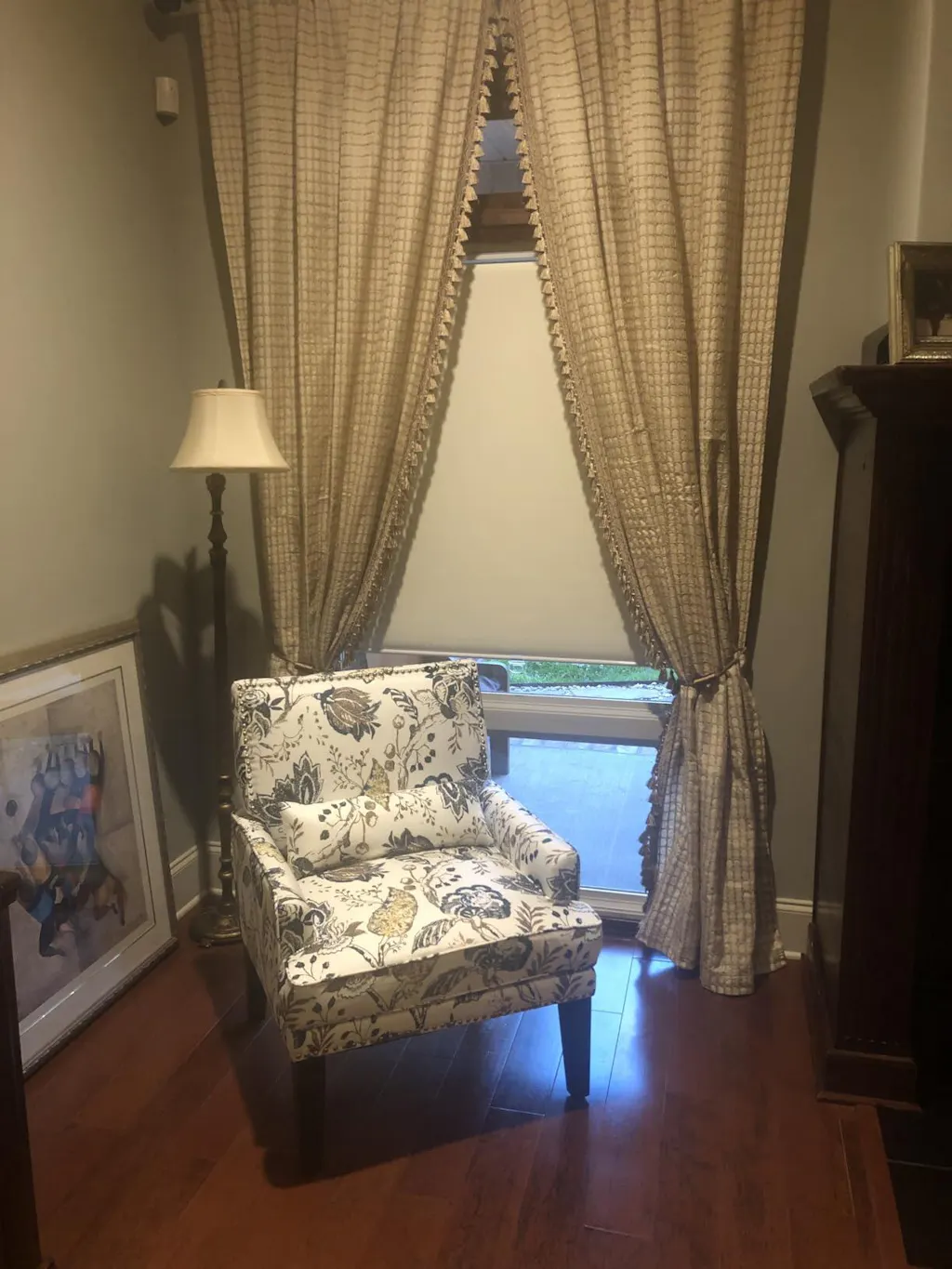
The secret to making blinds for andersen windows look custom is all about the 'high and wide' rule. You have to add fabric to the walls to break up the architecture. For blinds for andersen 400 series windows, which have that beautiful, heavy wood millwork, you need a fabric that can hold its own. I recommend a heavy-weight linen—think 250 gsm or higher—with a 2.5x fullness. This means if your window is 40 inches wide, you want at least 100 inches of fabric width to ensure the drapes look lush, not skimpy.
- The Hardware: Mount your curtain rod at least 6 to 10 inches above the window casing. This draws the eye up and makes your ceilings feel like they’ve grown a foot overnight.
- The Extension: Run the rod 8 to 12 inches past the frame on each side. This allows the drapes to rest mostly on the wall, framing the andersen window blinds rather than covering the glass.
- The Fabric: Use a matte velvet or a slubby linen. These textures contrast beautifully with the smooth glass and metal of the integrated blinds.
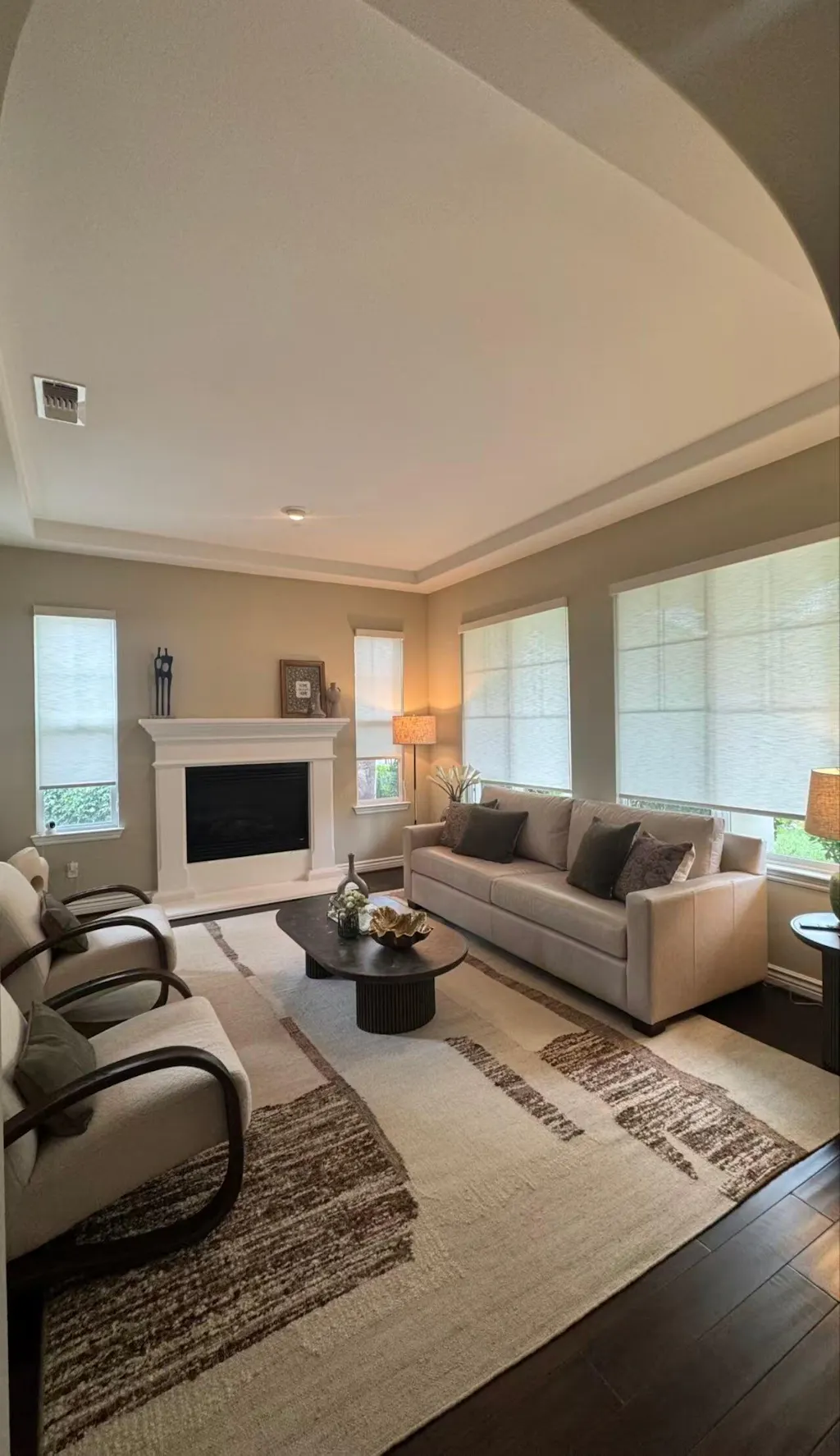
By layering a floor-to-ceiling drapery panel over your andersen windows with blinds, you get the best of both worlds. You can close the integrated blinds for total privacy at night, but during the day, the soft fabric softens the window's 'hard' edges. It turns a functional aperture into a designed feature. I’ve seen 96-inch drop panels in a soft oatmeal color completely change the temperature of a room that felt cold and 'newly-built' just an hour before.
How I Dress Casement Windows When Clients Skip the Built-Ins
Not everyone goes for the integrated route. If you have standard glass, choosing shades for andersen windows becomes a game of depth and clearance. Specifically, andersen casement window blinds present a unique challenge: the crank handle. There is nothing more frustrating than installing a beautiful Roman shade only to realize the bottom rail hits the crank every time you try to lower it.
For these scenarios, I always look for low-profile headrails. You want inside mount shades on andersen windows to sit as flush as possible to the glass. If you have the depth, a cellular shade is a great pick because the stack is so tiny. If you want more versatility, day night shades are a fantastic aftermarket alternative to built-ins. They allow you to toggle between a sheer fabric for the afternoon sun and a blackout fabric for movie night, all within the same unit.
When selecting blinds for andersen casement windows, always measure the 'step' of your window frame. Most Andersen frames have a generous wood stop, but if you’re using a bulky wood blind, it might protrude past the casing. In that case, I’d suggest a 'no-drill' honeycomb or a very slim roller shade. The goal is to keep the lines clean so the beauty of the andersen windows blinds (or lack thereof) doesn't feel cluttered by heavy hardware.
Tackling the Awkward Patio Door: Sliders vs. French Doors
The struggle is real when it comes to andersen patio doors with blinds. A sliding door is a high-traffic zone. You’ve got kids, dogs, and trays of grilled chicken moving through that space. This is where andersen sliding doors with built in blinds are worth their weight in gold. They don't swing, they don't clatter against the glass when the door moves, and they stay out of the way of the handle. For an andersen sliding glass door with blinds, I rarely suggest adding more than a simple, high-mounted traverse rod with a single-way draw drape if you really need the softness.
However, blinds for andersen french doors are a different story. French doors have a romantic, traditional soul. While andersen french doors with blinds inside are practical, they can sometimes feel a bit 'office-like' for a formal dining room. If you want a softer look, I often suggest a tailored Roman shade mounted directly to the door leaf. It moves with the door and adds a punch of pattern or color that built-ins just can't provide.
If you opted out of the integrated tech for your slider, you might be looking for andersen sliding patio doors with blinds that you can install yourself. In those cases, I often steer people toward high-end vertical blinds for patio sliding doors. Forget the plastic slats of the 90s; modern versions use fabric vanes that look like drapery folds but offer the easy side-to-side operation a sliding door requires.
When to Fake It: Dual Rollers for Standard Glass
If you love the concept of andersen windows with built in blinds but you already have standard windows, you can 'fake' that high-end versatility with modern dual systems. Many of my clients want that day-to-night flexibility without the permanent commitment of factory-sealed glass. This is where motorized dual roller shades come into play.
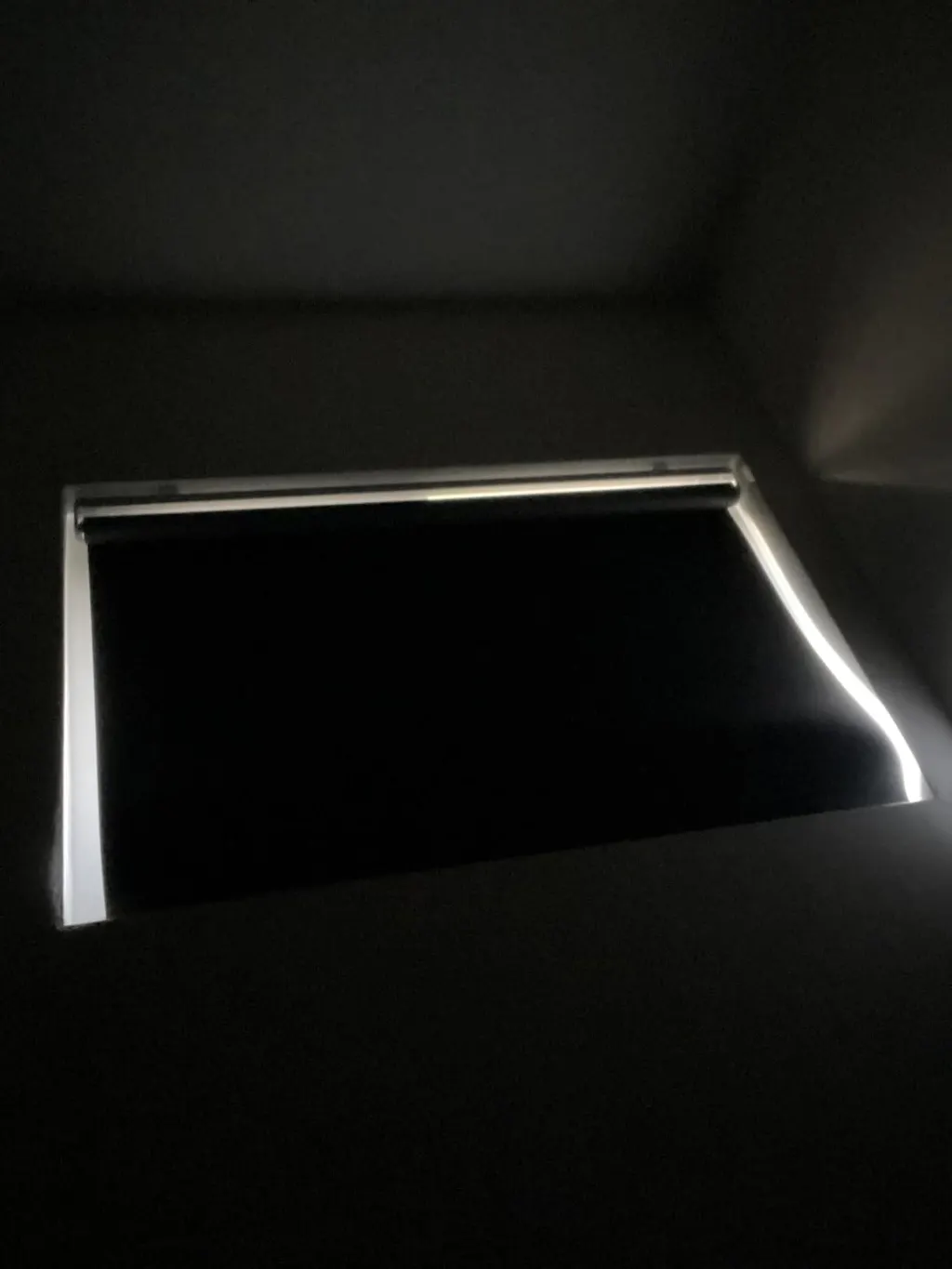
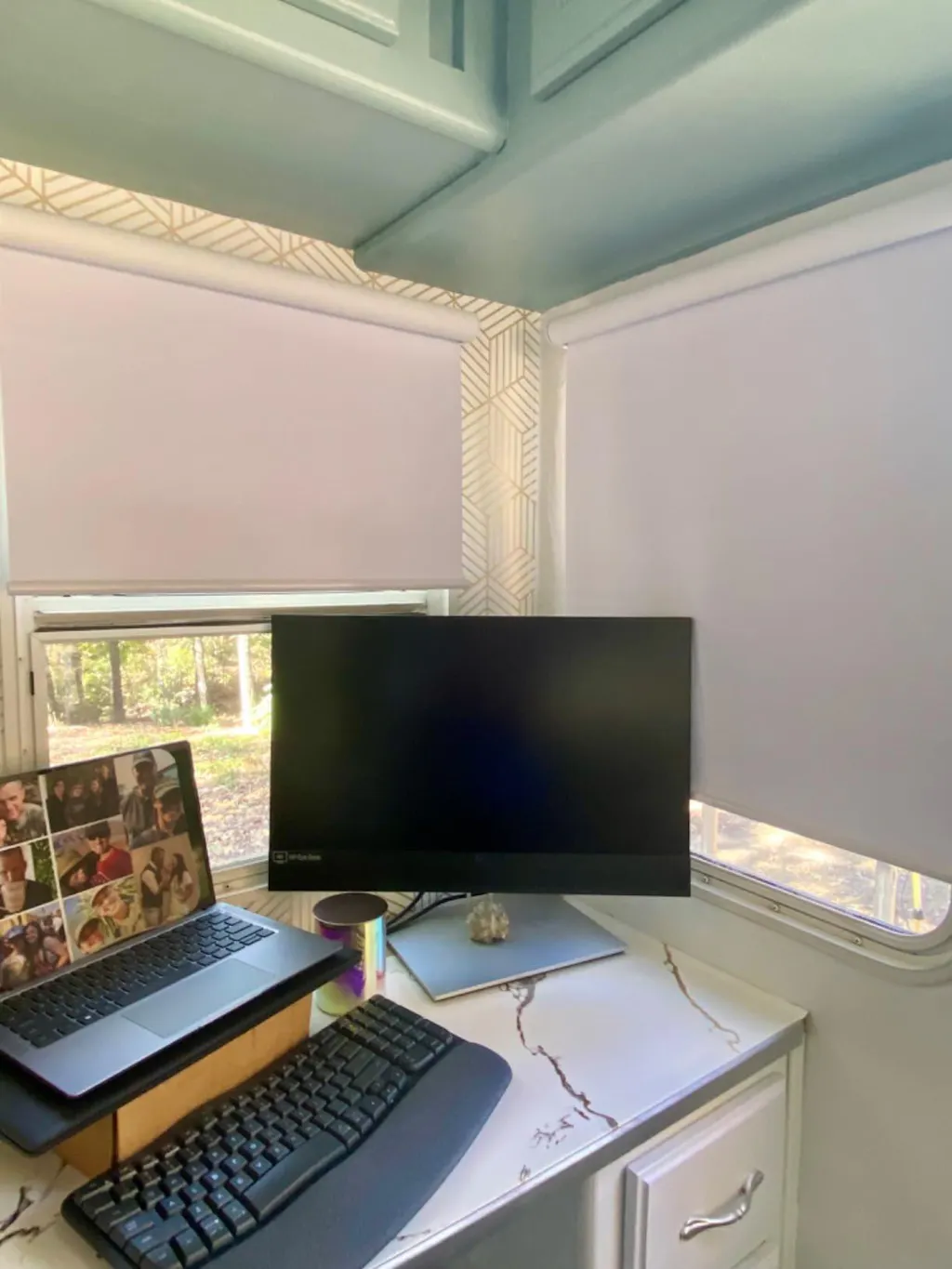
These systems use two separate rollers—one sheer and one blackout—on a single bracket. It mimics the light control of andersen blinds between the glass but allows you to choose from hundreds of fabric textures, from metallic weaves to organic linens. It’s a more 'decorator' approach to the problem. You get the crisp, modern look of a roller shade but the functionality of a traditional blind.
I recently did a project with blinds for andersen 400 series windows where we used a dual roller in a dark charcoal. During the day, the sheer layer cut the glare on the TV but kept the view of the woods outside. At night, the motorized blackout layer dropped down with a voice command. It felt just as integrated and high-tech as the built-in andersen window blinds, but with a much softer, more residential finish.
My Go-To Hardware Rules for Premium Window Casings
Whether you are styling blinds for renewal by andersen windows or the classic 400 series, you have to respect the millwork. These windows are an investment, and the last thing you want to do is chew up the custom-stained wood with 'oops' holes. Most Andersen frames require a specific depth for a proper inside mount—usually around 2.5 inches for a flush look. If you don't have that depth, do not force it.
Instead, go for an outside mount. I always tell my clients: 'When in doubt, mount to the wall, not the wood.' It protects the window's warranty and its beauty. If you are determined to do it yourself, please read a guide on how to install your shades specifically for deep-set windows. Use a 1/8-inch drill bit for pilot holes to prevent the wood from splitting, especially if you have the solid oak or maple interior options.
One final tip: check your clearance for how to hang blinds on andersen double hung windows. The top sash often sits further back than the bottom, which can create an uneven gap if you aren't careful with your bracket placement. Take your time, use a level, and remember that the hardware is just as important as the fabric. A cheap rod will make expensive windows look sad, but a sturdy, well-placed brass or matte black rod will make even basic blinds look like a million bucks.
Personal Experience: The 'Perfect' Measurement That Wasn't
I once spent three weeks sourcing the 'perfect' velvet for a client with andersen windows with blinds. I wanted to frame the integrated louvers with a deep forest green to bring the outside in. I measured twice, ordered once, and felt like a pro. The day of the install, I realized I hadn't accounted for the stack-back—the amount of space the fabric takes up when pushed open. Because I had mounted the rod too narrow, the beautiful velvet covered four inches of the glass on each side, making the expensive Andersen windows look half their size. I had to move the brackets four inches wider on each side and patch the drywall. It was a humbling reminder: with Andersen windows, the goal is to celebrate the glass, not hide it.
FAQ
Can you add built-in blinds to Andersen windows after they are installed?
Generally, no. The integrated blinds are sealed between the panes of glass at the factory. If you want the look of andersen blinds between the glass but already have standard windows, your best bet is a slim-profile inside mount shade or a dual-roller system.
How do you clean the blinds inside Andersen windows?
That is the best part—you don't! Because they are sealed between the glass, they stay dust-free. You only need to clean the exterior and interior glass surfaces like a normal window. If the blinds become unlevel, most models have a simple magnetic reset procedure to realign them.
Will inside mount blinds interfere with Andersen window cranks?
They can. For andersen casement window blinds, you need to ensure your shade has enough clearance to pass the handle, or consider a 'folding' handle replacement which has a lower profile than the standard 'crank' style.