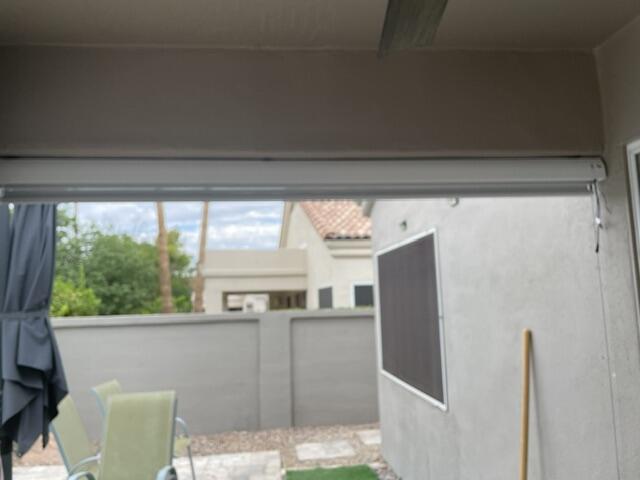
Your 4x4 Window Shades Are Making Your Ceilings Look Short
I remember the first time I stood in my 1970s fixer-upper, staring at the perfectly square windows in the guest room. They were exactly 48 inches by 48 inches—a standard builder-grade size that felt less like an architectural feature and more like a postage stamp stuck to a wall. I hung a basic set of 4x4 window shades inside the frame, stepped back, and immediately felt like the ceiling had dropped six inches. The room felt squat, boxy, and completely uninspired.
Quick Takeaways
- Avoid inside mounts on square windows; they highlight awkward proportions.
- Mount your shades at least 8-12 inches above the window trim to fake height.
- Extend hardware 6 inches past the frame on each side to make the glass look wider.
- Layer sheer shades with floor-to-ceiling drapes for a high-end, custom look.
- Use motorization for high-set squares to avoid dangling cords.
The Problem With Perfectly Square Windows
There is a specific kind of visual frustration that comes with a 4x4 window. In design, we often look for the golden ratio or elongated rectangles to draw the eye upward. A perfect square, however, is static. It doesn't lead the eye anywhere. Instead, it creates a hard horizontal line exactly where you don't want one.
When you have a 48-inch window on an 8-foot or 9-foot wall, the bottom of that window usually sits right at the midpoint of the wall. By the time you add trim, you’ve effectively bisected your vertical space. It’s the interior design equivalent of wearing a belt that’s too wide—it cuts you in half and makes you look shorter than you are. This 'boxy' geometry traps the gaze, making the room feel compressed.
I’ve seen stunning rooms ruined by these squares because the owners treated them like a 'fill-in-the-blank' exercise. They see a 4x4 opening and buy a 4x4 shade. But styling a room isn't about matching shapes; it's about correcting them. To make a square window work, you have to stop treating it like a square.
Stop Framing the Box: Why Outside Mounts Are Non-Negotiable Here
If you take one thing away from my years of trial and error, let it be this: stop inside-mounting your shades on square windows. When you tuck a shade inside the casing, you are literally drawing a border around the problem. You are highlighting the exact dimensions that are making your room feel small.
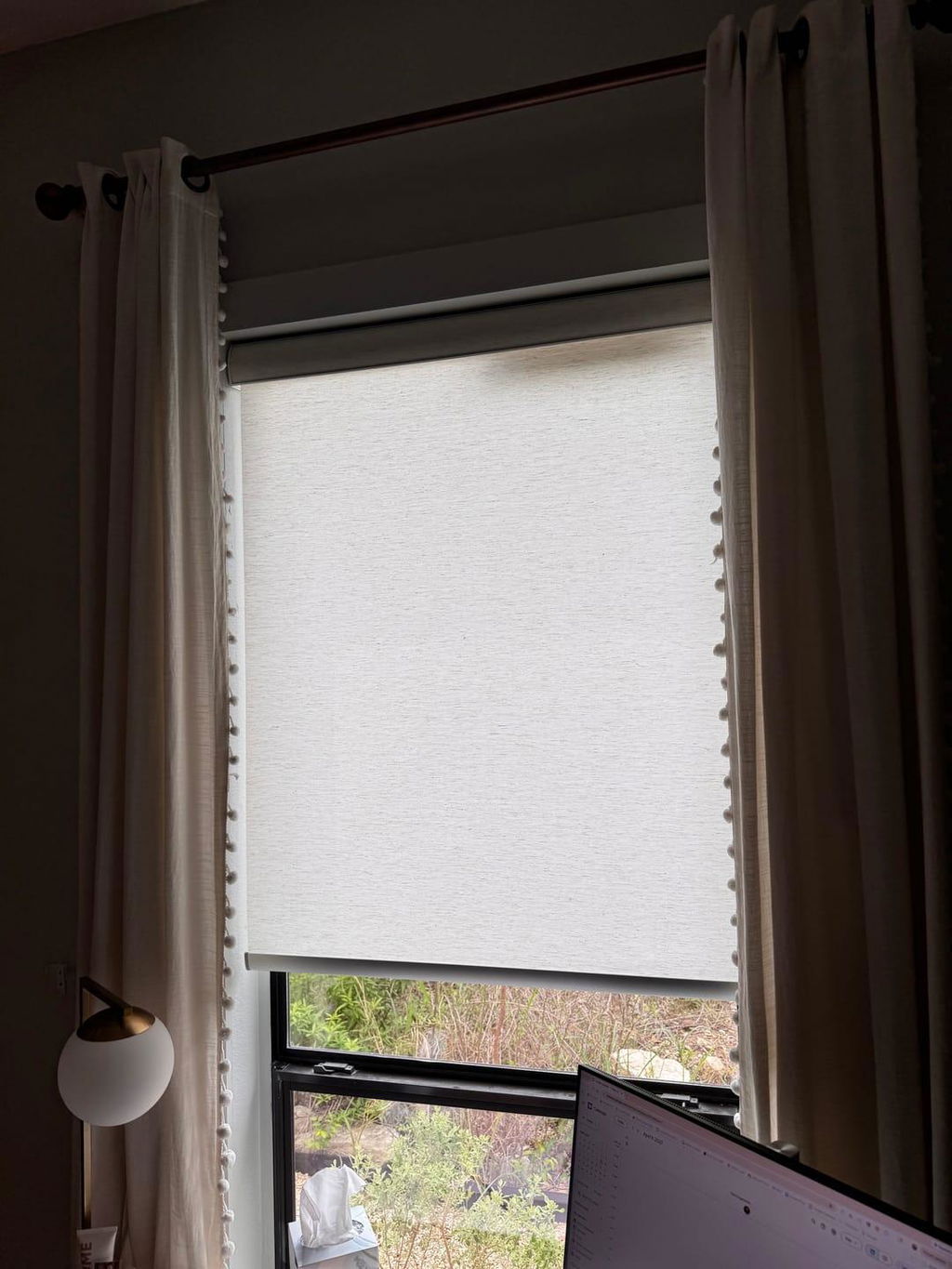
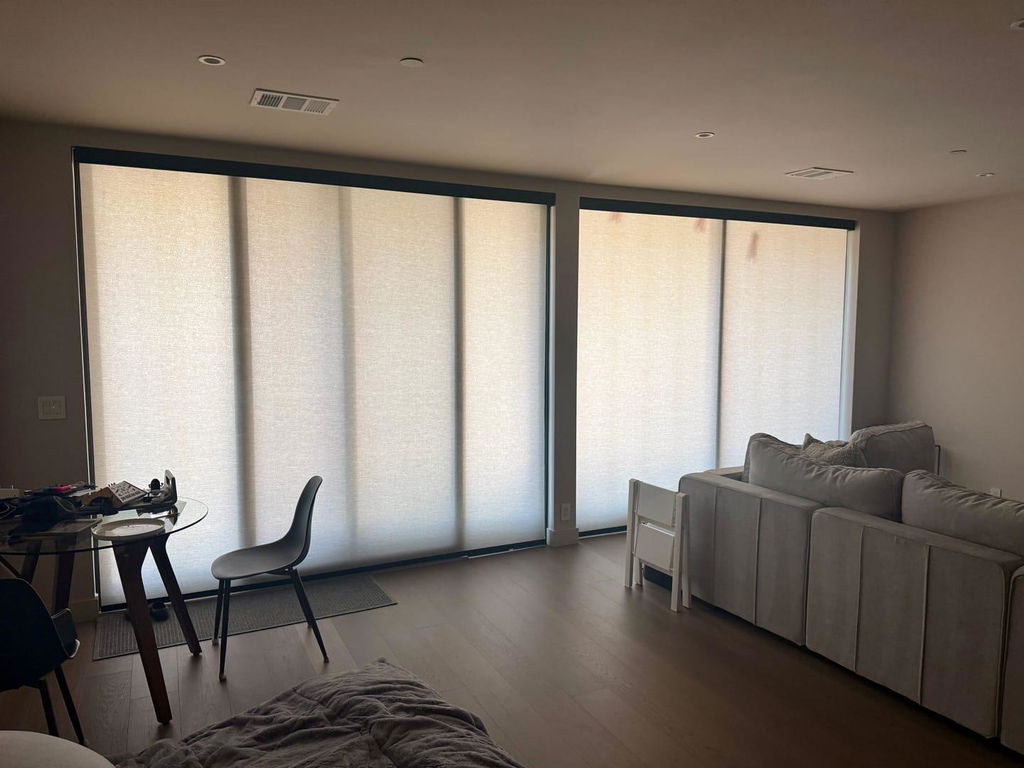
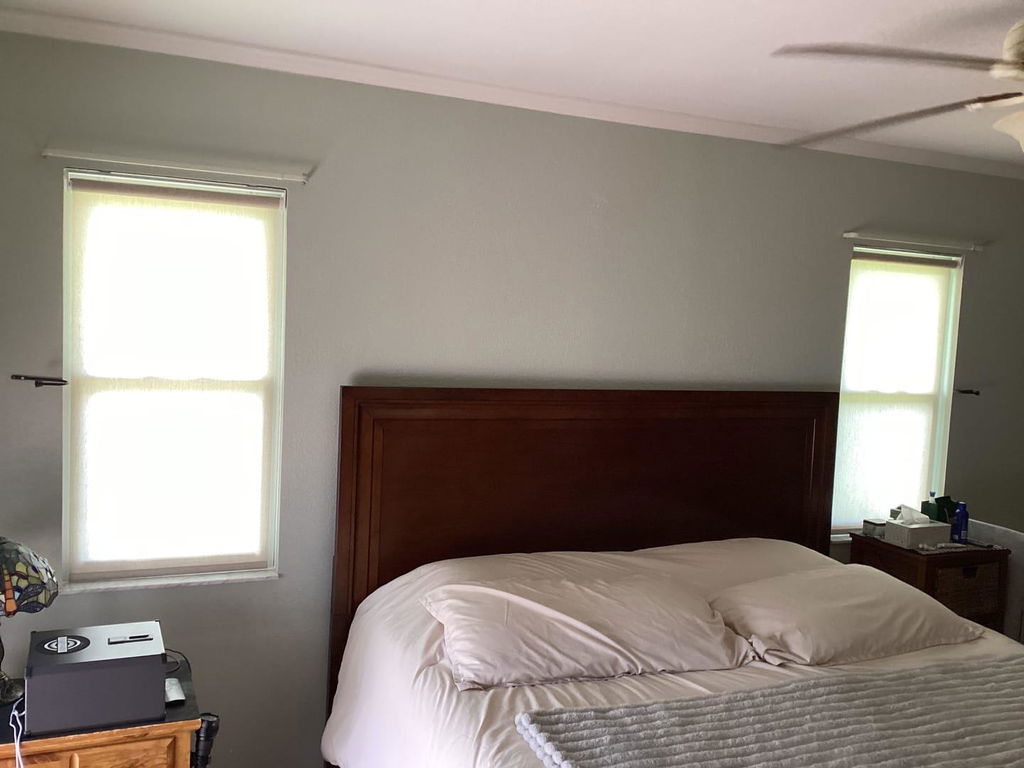
An outside mount is your best friend here. By mounting the headrail or cassette on the wall above the window—ideally 10 to 12 inches above the top trim—you trick the brain into thinking the window starts much higher than it actually does. Roller Shades are particularly effective for this because they have such a slim, low-profile footprint. When they are fully raised, the fabric disappears into a small cassette that sits high on the wall, leaving the entire glass pane exposed and making the wall feel soaring.
I usually recommend a matte black or brushed brass bracket to add a bit of jewelry to the wall. If you mount a 50-inch wide shade over a 48-inch window, you eliminate those annoying light gaps on the sides while simultaneously giving the window more presence. It’s a five-minute installation fix that makes a $200 shade look like a $2,000 architectural upgrade.
Layering Tricks to Erase the Awkward Geometry
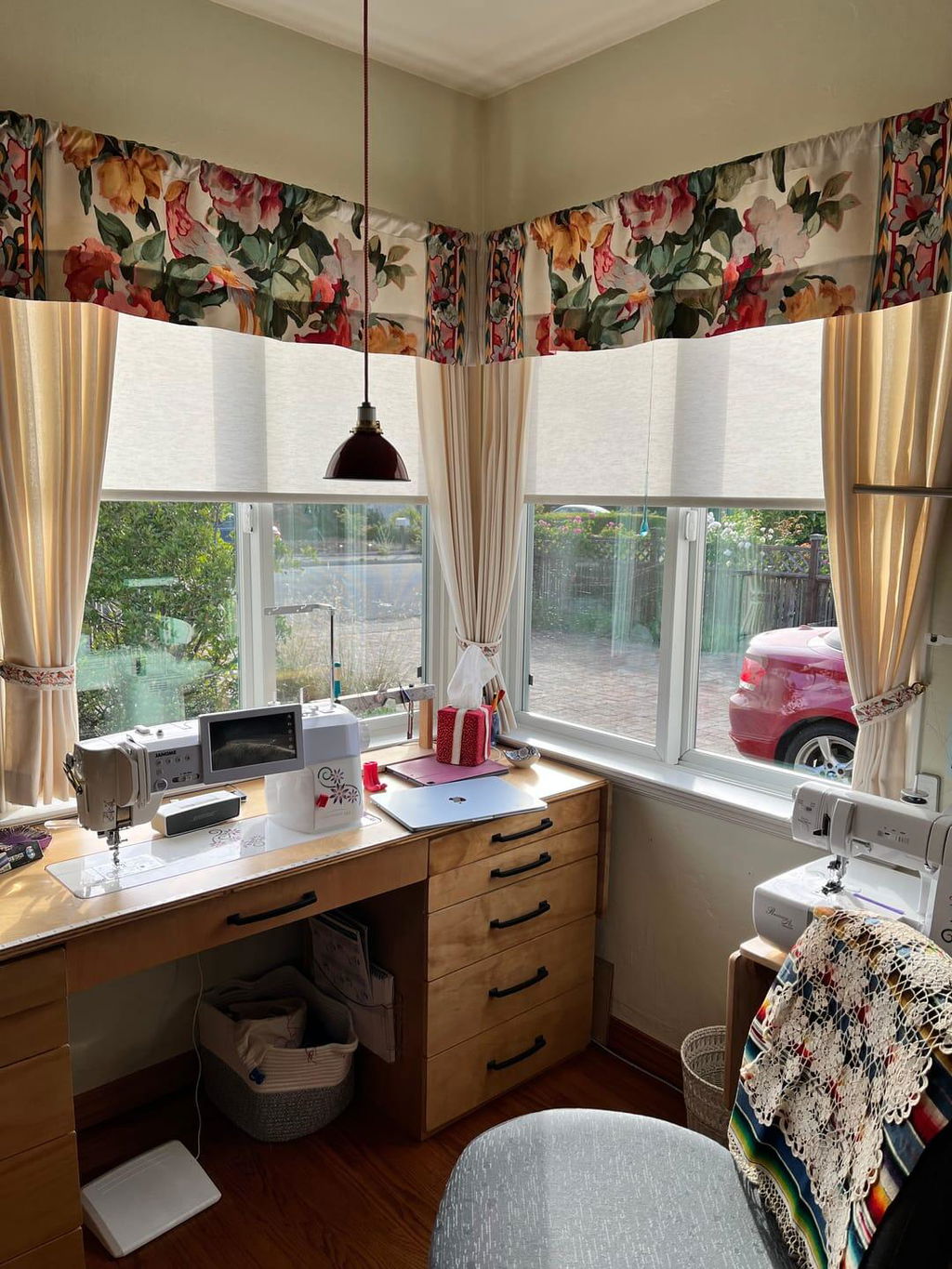
Sometimes an outside-mount shade isn't enough to break the 'box' feel. That’s when I bring in the heavy hitters: floor-to-ceiling drapery. The goal is to camouflage the square entirely. I like to pair a functional base layer, like Day Night Shades, with wide drapery panels that stay fixed at the ends of a long rod.
Here is the math I use: if the window is 48 inches wide, I use a 72-inch rod. This allows the drapes to hang mostly over the drywall, barely skimming the edge of the glass. This 'cheat' makes the window appear twice as wide. For the drapes, I always go for a 96-inch drop, even if the window ends way above the floor. Use a 300 gsm linen blend with a 2.5x fullness—anything thinner will look like a bedsheet.
The combination of the vertical lines from the drapes and the horizontal functionality of the shade creates a grid that feels intentional. The day-night functionality is a lifesaver because it allows you to have that soft, filtered light during a bright Tuesday afternoon without losing the structured look of the window treatment.
When to Actually Embrace the Square (Bathrooms & Stairwells)
Rules are meant to be broken, but only in specific rooms. In a tiled bathroom or a narrow stairwell landing, you often don't have the wall space for sprawling drapes or high-mounted rods. In these tight quarters, you have to lean into the 'clean' look. This is where a high-quality 4x4 sun shade becomes a piece of the architecture rather than a cover-up.
In a stairwell, you’re often dealing with intense, direct UV rays that can fade your flooring or artwork. For these spots, I skip the decorative linen and go for high-performance materials. I often suggest Outdoor Shades 5 Openness even for interior windows that get brutal southern exposure. The 5% openness factor is the sweet spot—it cuts the glare and heat but doesn't turn the window into a black hole.
In a bathroom, stick to moisture-resistant synthetics. I once installed a beautiful natural woven wood shade in a primary bath, only to watch it mildew within six months because of the shower steam. Now, I only use high-end polys that mimic that texture but can handle the humidity. Keep the fit tight—within 1/8th of an inch—to make it look like a custom architectural insert.
Hard-to-Reach Squares: Why You Must Motorize
One of the most common places to find 4x4 windows is high up on a wall—above a garden tub or in a vaulted Great Room. These windows are beautiful for light but a nightmare for privacy. I’ve seen too many people leave these windows 'naked' because they don't want a 12-foot cord dangling down their wall like a jump rope.
This is the one place where I tell my clients to spend the extra money. Motorization isn't a luxury for high windows; it’s a necessity. I recently wrote about how I Stop Babysitting the Sun: Why I Automate Window Shades Now, and it applies perfectly to these awkward squares. Being able to tap an app or use a remote to drop a shade when the glare hits your TV is a life-changer.
If you’re worried about batteries, look for solar-powered charging strips that sit behind the shade. They use the very sun they’re blocking to keep the motor running. It’s a set-it-and-forget-it solution that keeps your walls clean and your ceilings feeling as high as the architect intended.
My Biggest Window Fail
Early in my career, I tried to save money on a 4x4 bedroom window by using an 84-inch curtain rod I found on clearance. I mounted it just an inch above the trim. The result? The curtains looked like they were 'flooding'—those awkward high-water pants that don't quite hit the floor. It made the window look even more like a squat little box. I ended up ripping the hardware out, patching the drywall, and starting over with a 96-inch rod mounted at the ceiling. The difference was night and day. Don't be afraid to put extra holes in your wall to get the height right.
Frequently Asked Questions
Should a 4x4 shade be the exact size of the window?
Only if you are doing an inside mount. For an outside mount, you should add at least 2 inches to the width and 4-6 inches to the height to ensure full coverage and a more balanced look.
What is the best fabric for a square window?
I prefer something with a bit of texture, like a slubby linen or a woven wood. Flat, plasticky fabrics can make a square window look like an office cubicle. Texture adds depth and breaks up the flat plane of the wall.
Can I use Roman shades on a 4x4 window?
Absolutely. In fact, Roman shades are great because when they are raised, the folded fabric creates a 'valance' effect that adds height to the window. Just make sure to mount them high enough that the folds don't block too much of your light.