Why Your Soft Roman Blind Looks Like an 80s Prom Dress
I remember the first time I tried a 'relaxed' look in my guest room. I wanted that effortless, Parisian-apartment vibe, but what I got looked like a taffeta nightmare from a 1986 homecoming dance. A soft roman blind is supposed to have a gentle, architectural swoop, but if you get the fabric weight or the lining wrong, it just looks like your window is wearing a puffy sleeve. It is a heartbreak I have lived through so you do not have to.
- Lighter fabrics like 200 gsm linen create the most graceful 'smile' swoop.
- Heavy blackout linings often fight the natural drape, causing awkward bulging.
- Soft styles require manual 'dressing' every time you raise the shade.
- Ideal for stationary or low-use windows rather than high-traffic doors.
The Fine Line Between Elegantly Relaxed and Just Plain Messy
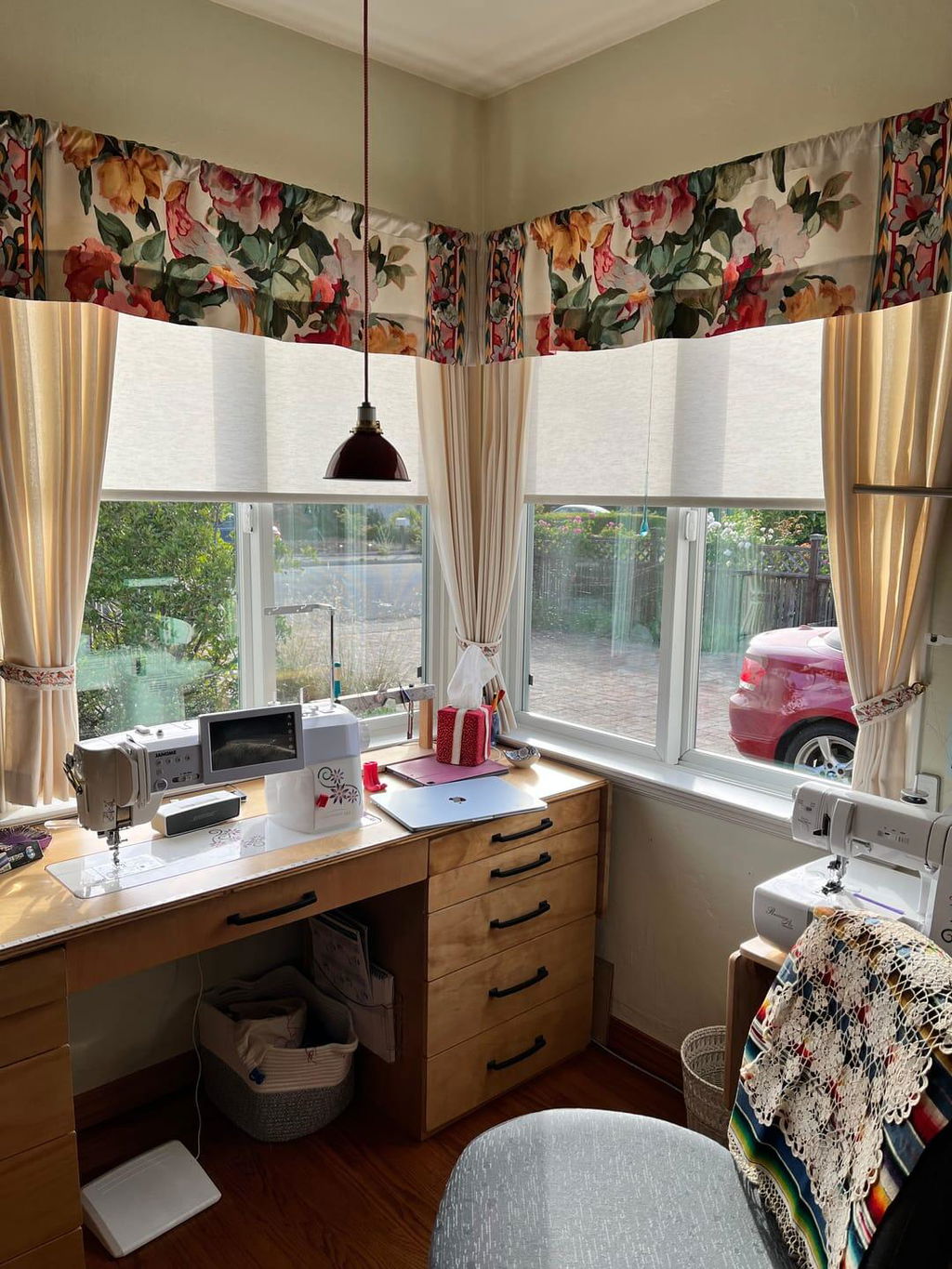
The appeal of the soft roman blind is that it breaks the rigid lines of a room. In a space filled with square tables and sharp-edged frames, that gentle curve at the bottom of the window feels like a deep breath. But there is a very fine line between 'relaxed' and 'sloppy.' A well-made shade has a deliberate arc—usually a 3 to 5-inch dip—that looks intentional even when the shade is fully lowered.
When it goes wrong, the fabric balloons outward instead of cascading downward. This usually happens because the shade was made with too much 'fullness' for the fabric type, or the lift cords are spaced too far apart. You want a soft curve, not a giant pocket of air that makes your window look like it is holding its breath. It should look like a soft drape, not a piece of upholstery that lost its way.
Why Fabric Weight Dictates the Whole Swoop
Gravity is your best friend or your worst enemy here. I once tried to force a soft shade out of a heavy, 400 gsm upholstery-grade velvet. It was a disaster. The fabric was so stiff it just jutted out into the room like a dusty shelf. Unlike classic Roman Shades which use internal stays to force heavy fabrics into submission, soft styles rely entirely on the natural 'hand' of the material.
For that perfect, effortless cascade, stick to mid-weight natural fibers. A 100% Belgian linen or a lightweight silk-linen blend has the right 'memory'—it wants to fall into those soft folds. If you go too heavy, the fabric resists the curve. If you go too light, like a thin polyester sheer, the shade lacks the weight to pull the center down, leaving you with a limp, wrinkled mess instead of a soft roman blind.
The Lining Mistake That Ruins the Look
We all want a dark bedroom, but a heavy blackout blind lining is the quickest way to ruin a relaxed aesthetic. That thick, rubberized backing turns your beautiful fabric into a rigid sheet of cardboard. It fights the swoop. Instead of a curve, you get a series of sharp, ugly kinks where the lining is buckling under the pressure.
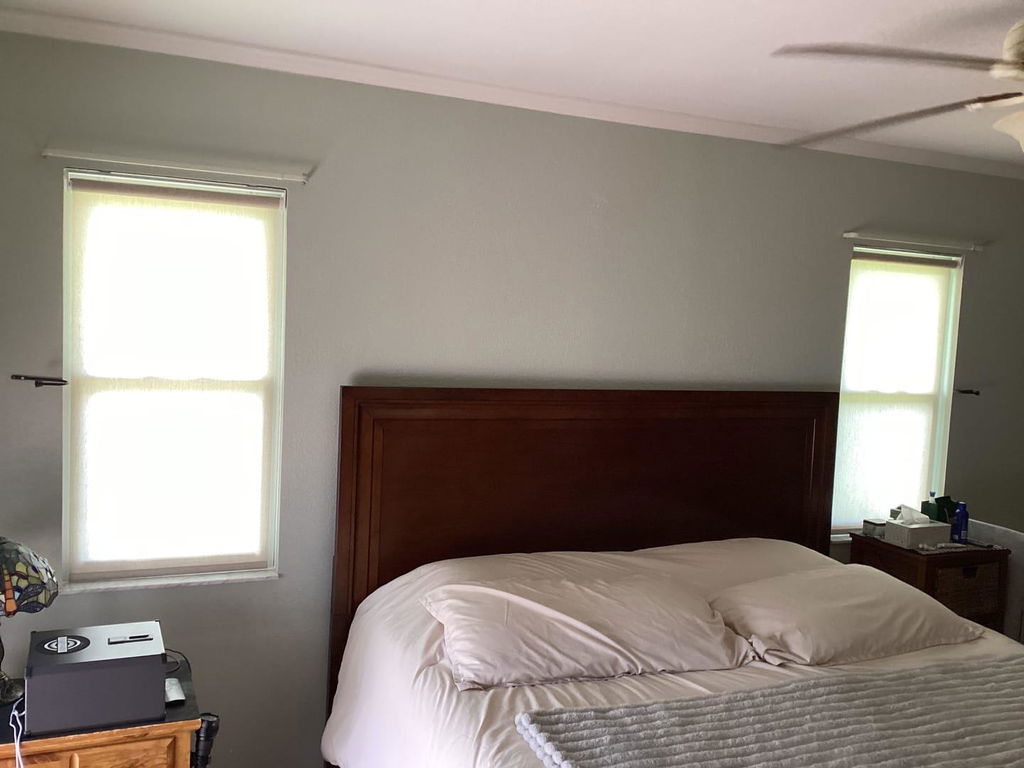
If you absolutely need light control, use a thin sateen privacy lining. It provides a layer of protection from the sun without sacrificing the fluid movement of the soft roman shades. If the room requires total darkness, consider a different style altogether or be prepared for a shade that looks significantly more structured and less 'soft' than the Pinterest photos promised.
Do You Actually Have the Patience for 'The Dress'?
Here is the honest truth: these shades are high-maintenance. They do not just stack perfectly when you pull the cord. They require 'dressing.' Every morning, I spend about thirty seconds per window manually tucking and smoothing the folds of my soft roman blinds so they look curated. If you are the type of person who leaves the bed unmade and hates fussing with decorative pillows, you will find this infuriating.
For homeowners who want an organic, warm look but refuse to play 'seamstress' every morning, I usually suggest light bamboo roman shades instead. They offer that same textural, natural vibe but they stack themselves neatly without any help from you. A soft fabric shade is a commitment to a specific aesthetic that requires a little daily hand-holding.
How to Layer Them Without Looking Like a Victorian Parlor
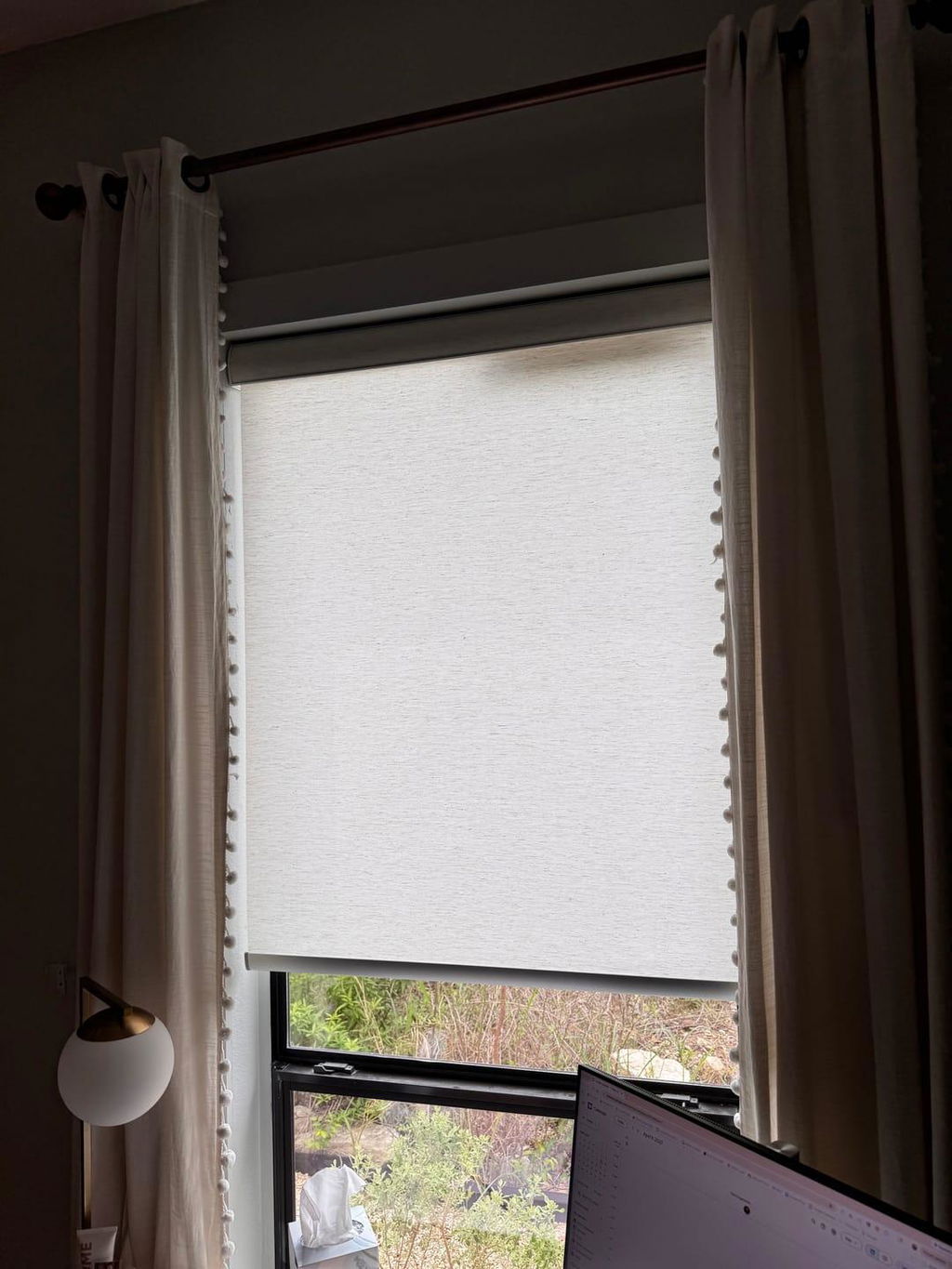
You can have the beauty of a sheer soft shade without the privacy concerns by layering. I love installing Day Night Shades inside the window frame as a functional base layer. You can then mount a stationary, unlined soft roman shade on the outside of the frame. This gives you the romantic, wispy look you want while the hidden blind does the heavy lifting of blocking the neighbors' view at night.
This prevents the window from looking too heavy or 'stuffy.' By keeping the soft shade unlined and airy, it acts more like a decorative valance that can be lowered when you want that extra bit of texture, rather than a bulky piece of window furniture that dominates the wall.
The Exact Windows Where This Style Shines
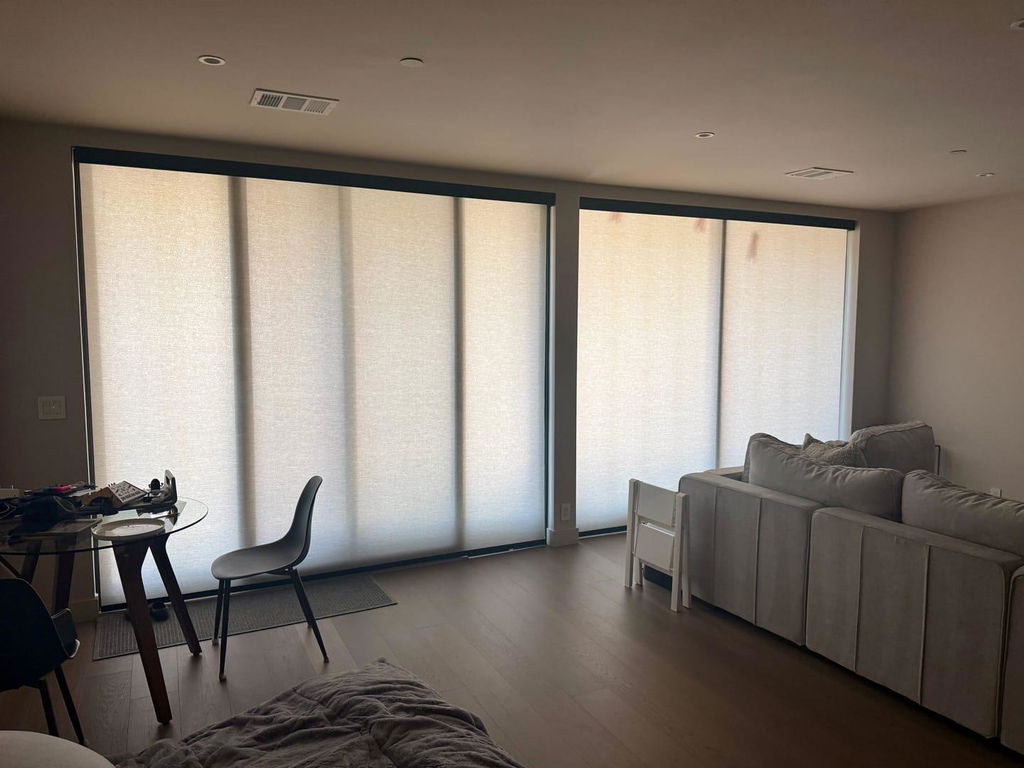
Placement is everything. Please, I am begging you: do not put a soft roman blind on a French door or any high-traffic glass door. Every time you swing that door open, the fabric will bounce, the folds will shift, and the whole thing will look like a mess within an hour. They belong on 'quiet' windows—think of a standalone dining room window or the glass above a kitchen sink.
In a kitchen, a relaxed shade adds a much-needed softness to all those hard surfaces like stone counters and tile backsplashes. Because you aren't constantly walking through the window, the fabric stays put, and you can enjoy that perfect, architectural smile all day long.
Frequently Asked Questions
Can I use a patterned fabric for a soft roman?
Yes, but be careful with stripes. Because the center of the shade swoops down, stripes will appear to 'bend' or distort. Stick to solids, small-scale textures, or organic prints like florals where the distortion actually adds to the charm.
How do I get the wrinkles out of the bottom curve?
Never iron them on a board. Hang the shade, lower it completely, and use a handheld steamer. The weight of the fabric combined with the steam will help the 'smile' set into its natural shape.
How much wider than the window should they be?
If you are mounting outside the frame, go at least 2 inches past the trim on each side. This prevents light gaps and ensures the 'smile' has enough room to fully develop without hitting the window casing.