Why Your Drape Ideas for Sliding Glass Doors Look Like a Shower Curtain
I remember the first time I tried to tackle the 8-foot expanse of my living room slider. I bought four standard grommet-top panels from a big-box store, threaded them onto a telescoping rod, and stood back. It was a disaster. Instead of the architectural statement I wanted, it looked like I’d hung a massive, rattling shower curtain in front of my backyard. The fabric was too thin, the rings caught on the rod's joint every time I let the dog out, and the 'stack'—the bunch of fabric when the door is open—blocked a third of my view.
Sliding doors are the workhorses of the home, but they are notoriously difficult to dress. They require hardware that can span a massive gap without sagging and fabric that can withstand being yanked back and forth ten times a day. If you’re hunting for drape ideas for sliding glass doors, you have to stop thinking about them as windows and start thinking about them as moving walls.
- Traverse tracks are non-negotiable: Standard rods with center brackets will drive you insane because you can't slide the panels past the middle support.
- Aim for 2.5x fullness: Anything less looks like a flat sheet of fabric stretched across the glass.
- Pinch pleats provide memory: Structured headers force the fabric to fold neatly every time, preventing that messy, 'squashed' look.
- Weight matters: A 300 gsm linen blend is the sweet spot for a graceful glide that doesn't feel like a workout to move.
The 'Shower Curtain Effect' (And Why Your Current Setup Isn't Working)
The biggest mistake people make with sliding glass door curtain ideas is using flat panels with rings or grommets. Because these headers have no internal structure, the fabric hangs limp. When you pull them shut, they look like a flat wall of fabric; when you push them open, they bunch into a chaotic, messy pile that eats up your precious natural light. This is the 'shower curtain effect'—it looks temporary and cheap, even if the fabric wasn't.
Most people also choose rods that are too thin. A 1-inch rod over a 72-inch slider will eventually bow in the middle, or worse, require a center support bracket that prevents you from ever pulling your curtains to one side. If you want your sliding glass patio door curtain ideas to look intentional, you need a system that allows for a single, continuous sweep of fabric without mechanical interruptions.
Traverse Tracks: The Secret to Seamless Curtain Options for Sliding Doors
If you take one thing away from my years of trial and error, let it be this: buy a traverse track. Unlike a standard rod where the rings sit on top, a traverse track has carriers that move inside a hidden channel. This means you can have a support bracket every two feet if you need to, and the curtains will still glide right past them. It’s the only way to get that high-end hotel feel where the fabric moves with a single finger-flick.
When I finally swapped my telescoping rod for a wall-mounted track, the change was instant. No more snagging on the metal lip where the rods joined. I learned How to Hang Curtains and Drapes for Sliding Glass Doors (Minus the Bulk) by mounting the track 4 inches above the door frame and extending it 10 inches past the glass on each side. This 'clear opening' trick ensures that when the drapes are open, they frame the view rather than obscuring it.
Why Your Sliding Glass Door Drapery Ideas Need Pinch Pleats
You need a header that tells the fabric how to behave. Grommets are too casual and rod pockets are a functional nightmare for doors you actually use. I always recommend a double or triple pinch pleat. These pleats are sewn into the top of the panel, creating permanent 'memory' in the fabric. This ensures that the drapes always stack back into neat, uniform folds.
When browsing for custom drapery, look for Euro pleats or French pleats. These styles give you that tailored, high-end look seen in pictures of curtains for sliding glass glass doors in design magazines. More importantly, the pleats keep the fabric organized. You won't have to spend five minutes 'dressing' your curtains every time you come back inside from the patio; they simply fall into place.
Finding the Right Fabric Weight (What Glides vs. What Drags)
Fabric weight is where most sliding door drapery ideas go off the rails. If the fabric is too light, like a cheap voile, it will blow around every time the HVAC kicks on. If it's too heavy, like a 500 gsm velvet with blackout lining, it becomes a physical chore to open. I once installed heavy velvet drapes on a slider and regretted it by day two—it felt like I was pulling a stage curtain just to let the cat out.
I’ve found that a mid-weight Drapery Fabric, specifically a linen-polyester blend around 250-300 gsm, is the gold standard. You get the beautiful, organic texture of linen but the polyester adds enough stability to prevent the 'hems' from growing or shrinking with the humidity. It has enough 'heft' to hang straight but remains light enough to glide effortlessly across an 8-foot span.
Layering Sheers and Drapes Without Creating a Bottleneck
If your slider faces a neighbor's yard or a busy street, you probably want privacy during the day without living in a cave. This is where modern curtains for sliding doors really shine: the double track. By installing a slim double-channel track, you can hang a layer of light-filtering sheers behind your main decorative panels.
I suggest picking a sheer from a high-quality drapery collection that matches the base tone of your main drapes. During the day, you keep the sheers closed to blur the view of the neighbor's trash cans while still flooding the room with soft light. At night, you pull the heavier panels closed for total privacy and insulation. Just make sure your track has enough 'projection' from the wall so the two layers don't rub against each other and cause a jam.
When to Throw in the Towel on Fabric Altogether
Let’s be honest: sometimes drapes aren't the answer. If you have three golden retrievers who think the sliding door is their personal portal to a mud pit, or toddlers who use curtain hems as napkins, floor-length fabric is going to be a source of constant stress. I’ve seen beautiful linen panels ruined in a single weekend by a rainy day and a muddy paw.
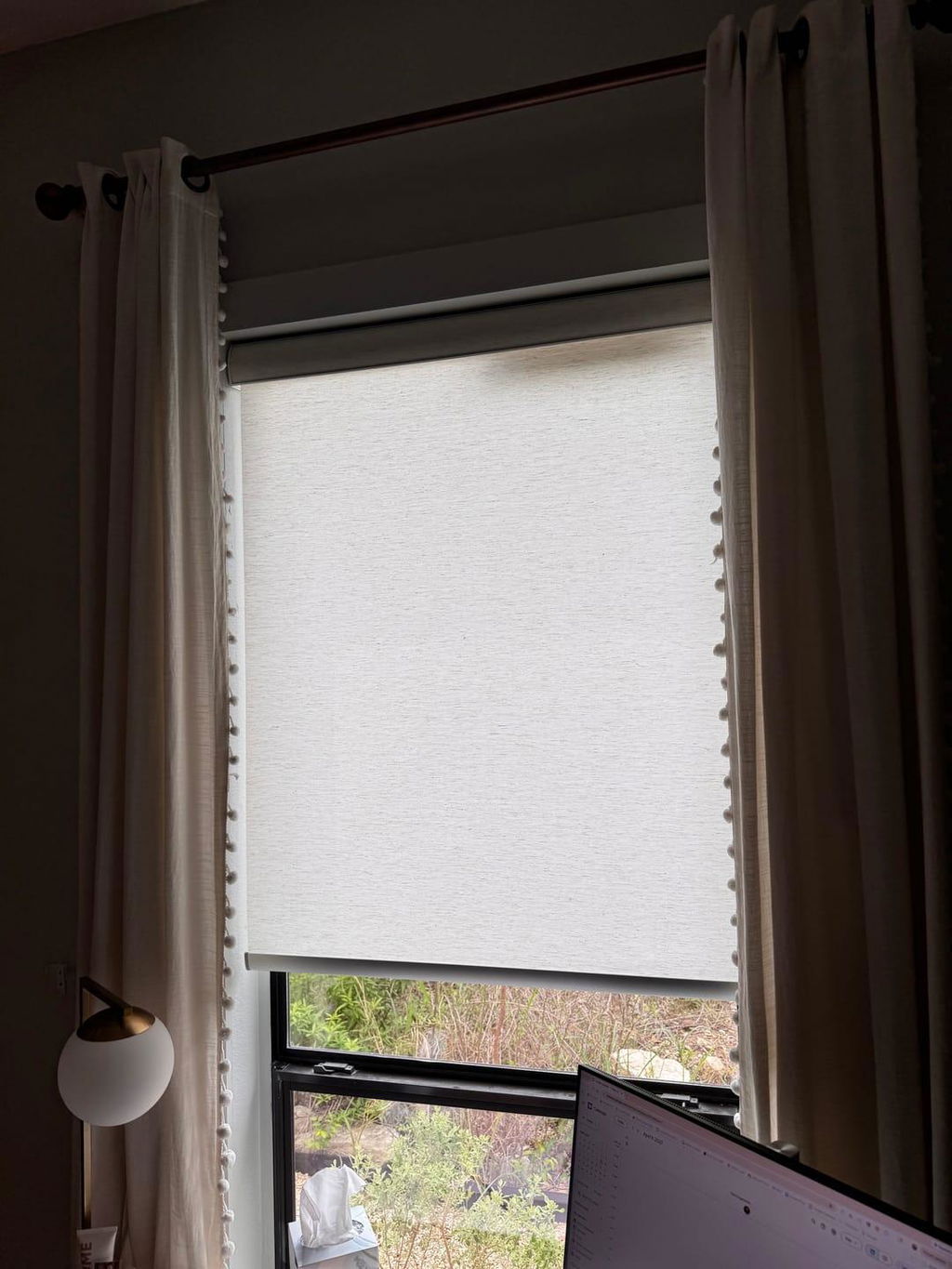
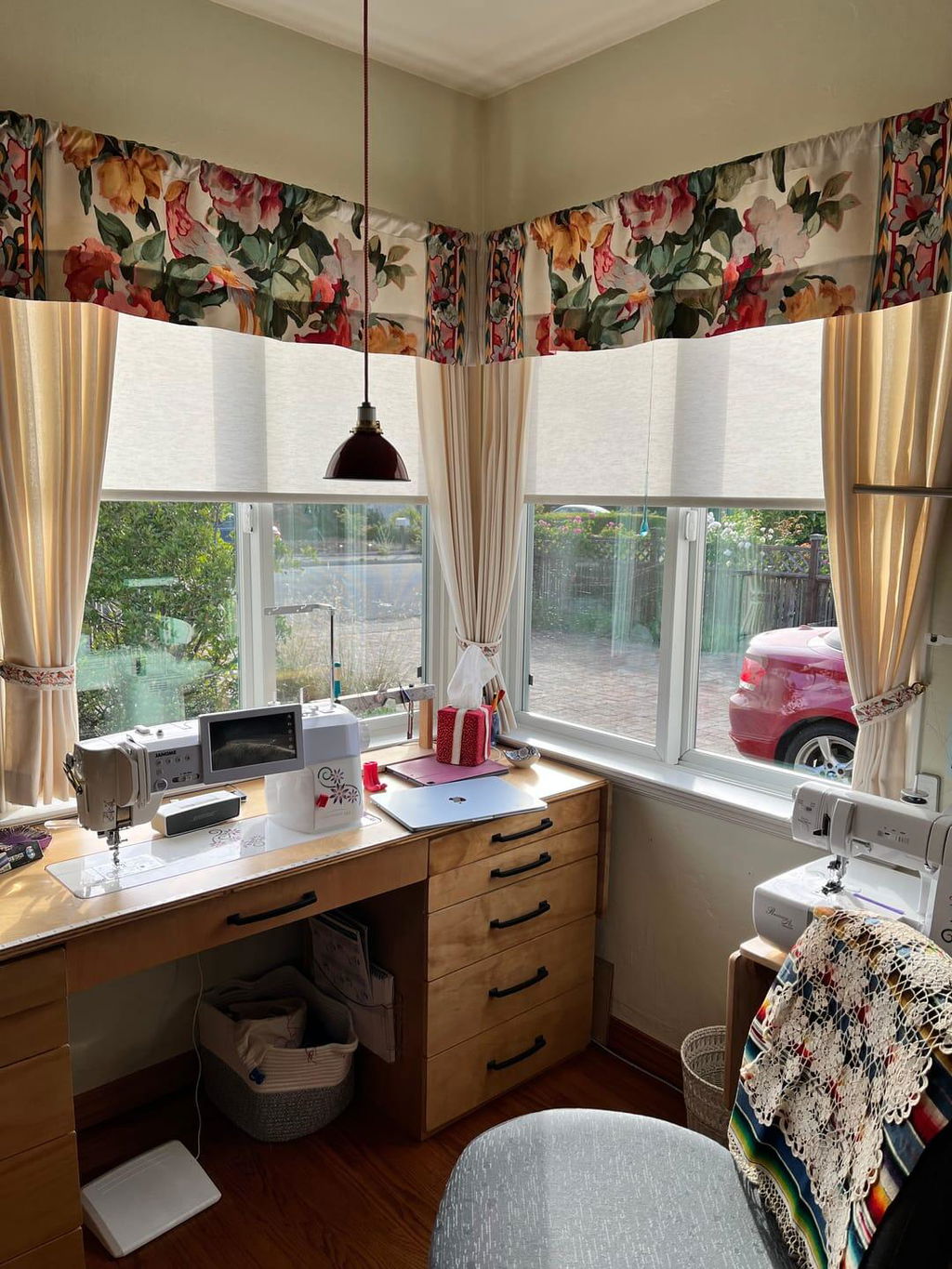
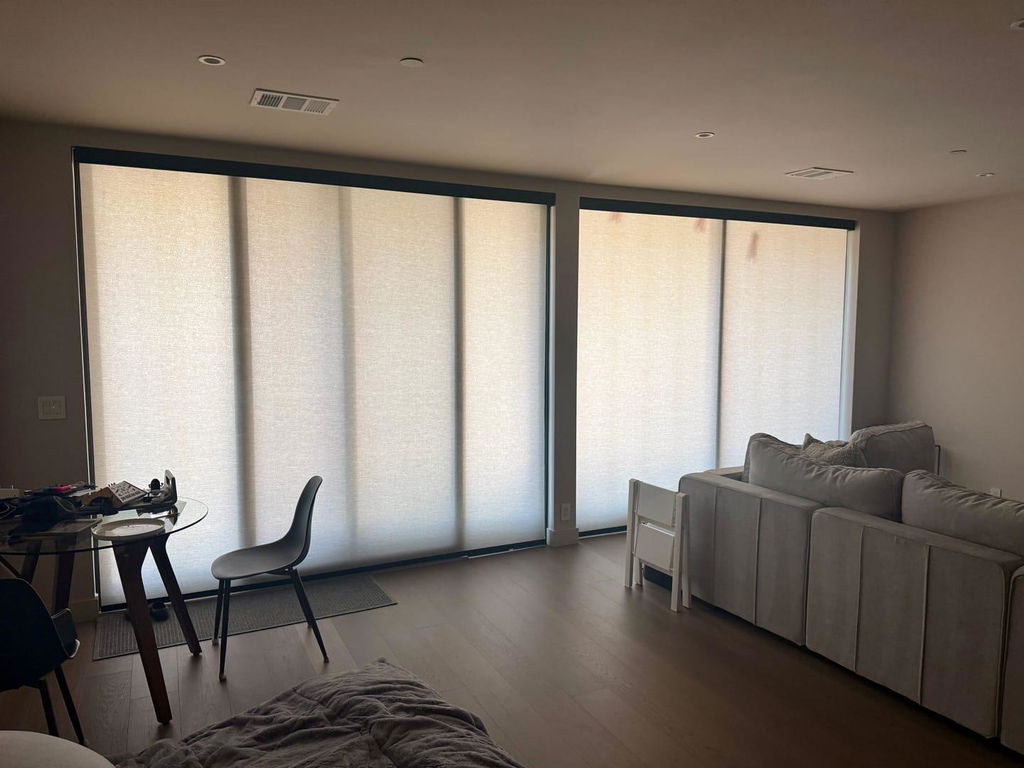
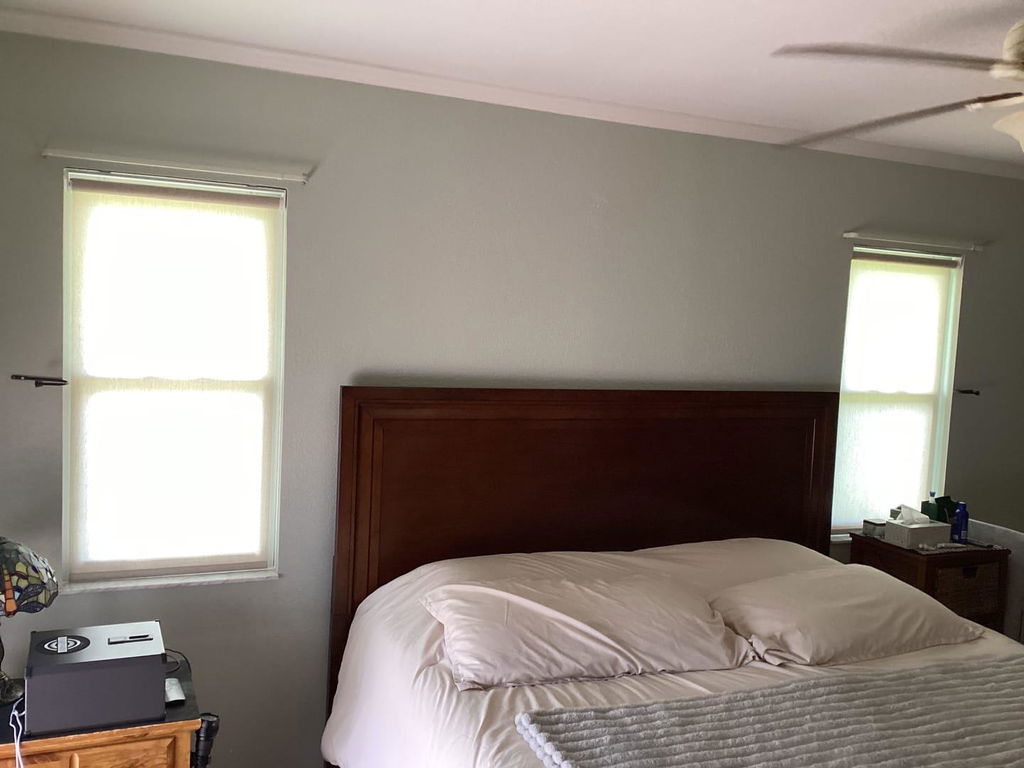
If your lifestyle is high-traffic and high-mess, you might find that you've swapped heavy drapes for automatic shades for a reason. Motorized roller shades or sleek, wide-vane vertical treatments offer a minimalist look that stays off the floor and out of the way. They don't provide the softness of fabric, but they provide a level of sanity that a white linen drape never will in a house full of chaos.
Frequently Asked Questions
How high should I hang curtains over a sliding door?
At least 4 to 6 inches above the door frame. If you have the space, go even higher—hanging them closer to the ceiling creates the illusion of height and makes the whole room feel more expensive.
How much wider than the door should the curtains be?
Rule of thumb: add 8 to 12 inches of 'stack back' space on each side of the glass. This allows the curtains to cleared the door entirely when open, so you aren't walking through a face-full of fabric every time you go outside.
Can I use a regular curtain rod for a slider?
You can, but I wouldn't. The center support bracket required for long spans will prevent you from sliding the panels all the way to one side. A traverse track is a far superior functional choice.