Why Your Deck Needs an Automated Canopy (Not Another Umbrella)
I spent three summers chasing a striped navy umbrella across my lawn every time the wind topped ten miles per hour. It was exhausting. After the third one snapped its ribs during a Tuesday afternoon thunderstorm while I was at the grocery store, I realized I was done with the 'disposable shade' lifestyle. That’s when I finally looked into an automated canopy.
We spend thousands on outdoor kitchens and weather-resistant teak furniture, yet we settle for a shade solution that requires a manual crank and a prayer. Moving to an automatic awning isn't just about laziness; it’s about actually using the square footage you paid for. When the sun hits that brutal 4 PM angle, you shouldn't have to retreat inside.
- Automatic sensors protect your investment by retracting the fabric during high winds.
- Motorized systems eliminate the 'pole in the middle of the table' awkwardness.
- High-performance fabrics offer better UV protection than standard market umbrellas.
- A retractable system preserves your view and natural light when shade isn't needed.
The Umbrella Graveyard (And Why I Was Over It)
The cycle is predictable. You buy a $200 umbrella, it fades to a weird dusty purple by July, and by August, the tilt mechanism is jammed with grit. Beyond the durability issues, umbrellas are a spatial nightmare. They create a 'dead zone' in the center of your seating arrangement. I’ve lost count of how many times I’ve had to lean around a wooden pole just to make eye contact with a guest across the table.
An automatic awning for patio use changes the geometry of your deck. By mounting the shade to your home’s exterior, you clear the floor space. It’s the difference between a cramped campsite and a proper outdoor room. I finally stopped looking for 'the best umbrella' and started looking for a permanent architectural solution that didn't involve building a heavy, light-blocking pergola.
What Even Is an Automated Canopy, Exactly?
Think of it as a high-tech evolution of the old-school storefront shade. A modern electric retractable awning uses lateral arms that unfold horizontally, tensioning the fabric as it extends. There are no vertical posts to trip over, and the whole system disappears into a slim cassette on your siding when not in use.
The technology for Motorized shade systems has come a long way from the loud, grinding motors of the nineties. Today’s power awnings are whisper-quiet. You can choose from a simple remote control or go full 'smart home' with apps that let you schedule the shade. Unlike mechanical awnings that require you to stand there and sweat while you turn a hand crank, these respond with a single tap.
The 3 Things That Actually Surprised Me
I expected the shade. I didn't expect how much these electric patio covers would change my daily habits or my electricity bill.
You Control the Weather (Sort Of)
The biggest hurdle with any outdoor shade is wind. I opted for a luxury retractable awning with integrated wind sensors. If the breeze picks up while I’m distracted, the sensor detects the vibration and pulls the canopy back in automatically. It’s peace of mind you can’t get with a manual auto awning.
These systems also offer Smart Control integration. I have mine set to extend when the sun hits a certain intensity, which keeps my patio furniture from bleaching and prevents the 'greenhouse effect' through my sliding glass doors. It’s an active layer of climate control for the whole house.
It Defines the 'Room' Without Blocking the View
From an interior design perspective, an extended motorized patio awning acts as an architectural ceiling. It grounds the space. Without it, your furniture just looks like it’s floating on a sea of wood or stone. With the canopy out, you have a defined zone that feels intimate and intentional.
Because it’s a motorized retractable sun shade, you aren't committed to the look. On a grey, moody morning when you want every drop of light to hit your windows, you just retract it. You get the benefits of a covered porch without the permanent darkness a roof creates.
The Fabric Actually Lasts
Most umbrellas use cheap polyester that loses its structural integrity after one season of UV exposure. An electric retractable awning waterproof fabric is usually a heavy-duty acrylic like Sunbrella, which is solution-dyed. This means the color is part of the fiber, not just printed on top. It stays vibrant for years, even under the punishing mid-day sun.
Connecting the Indoors to the Outdoors
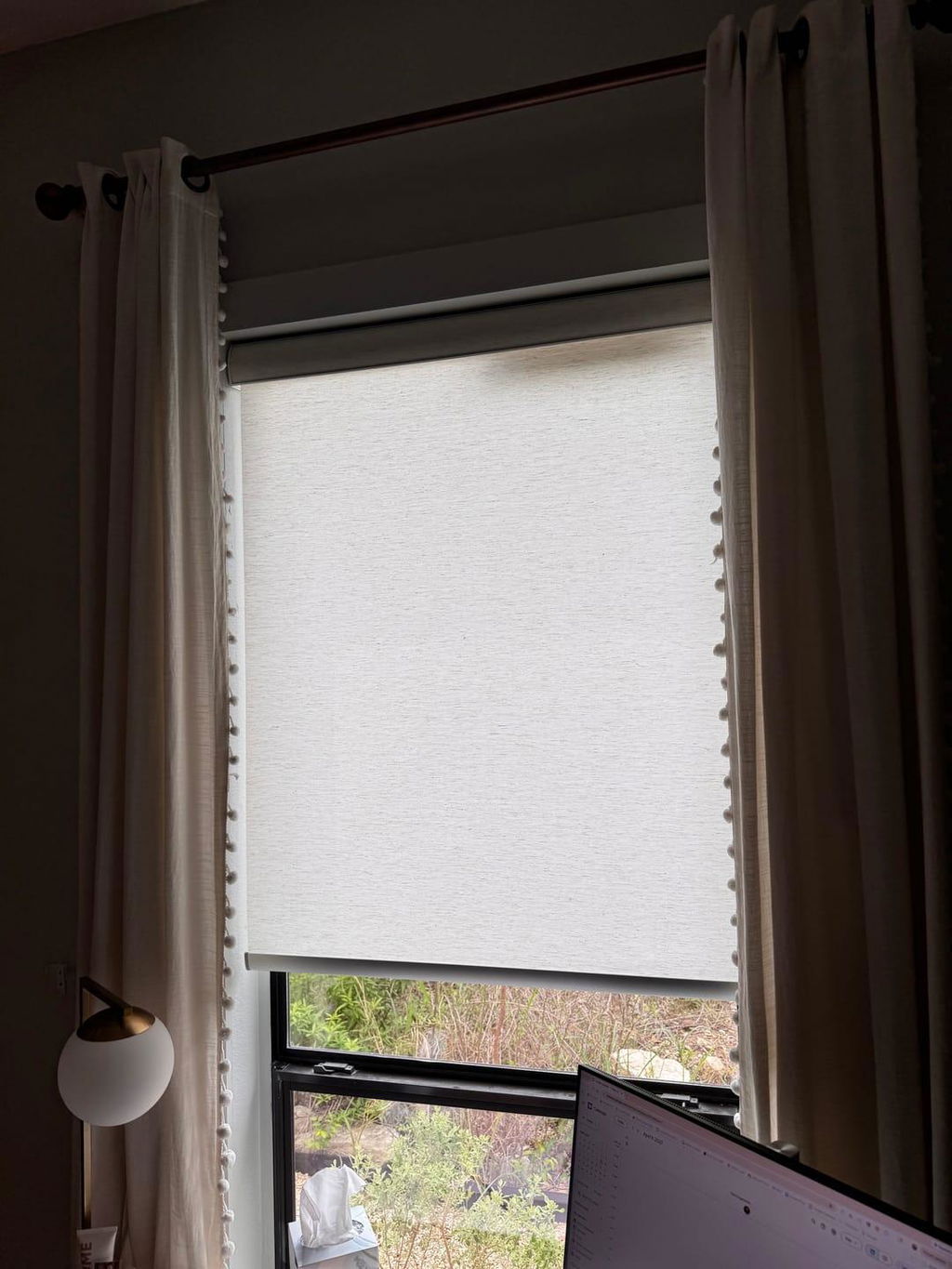
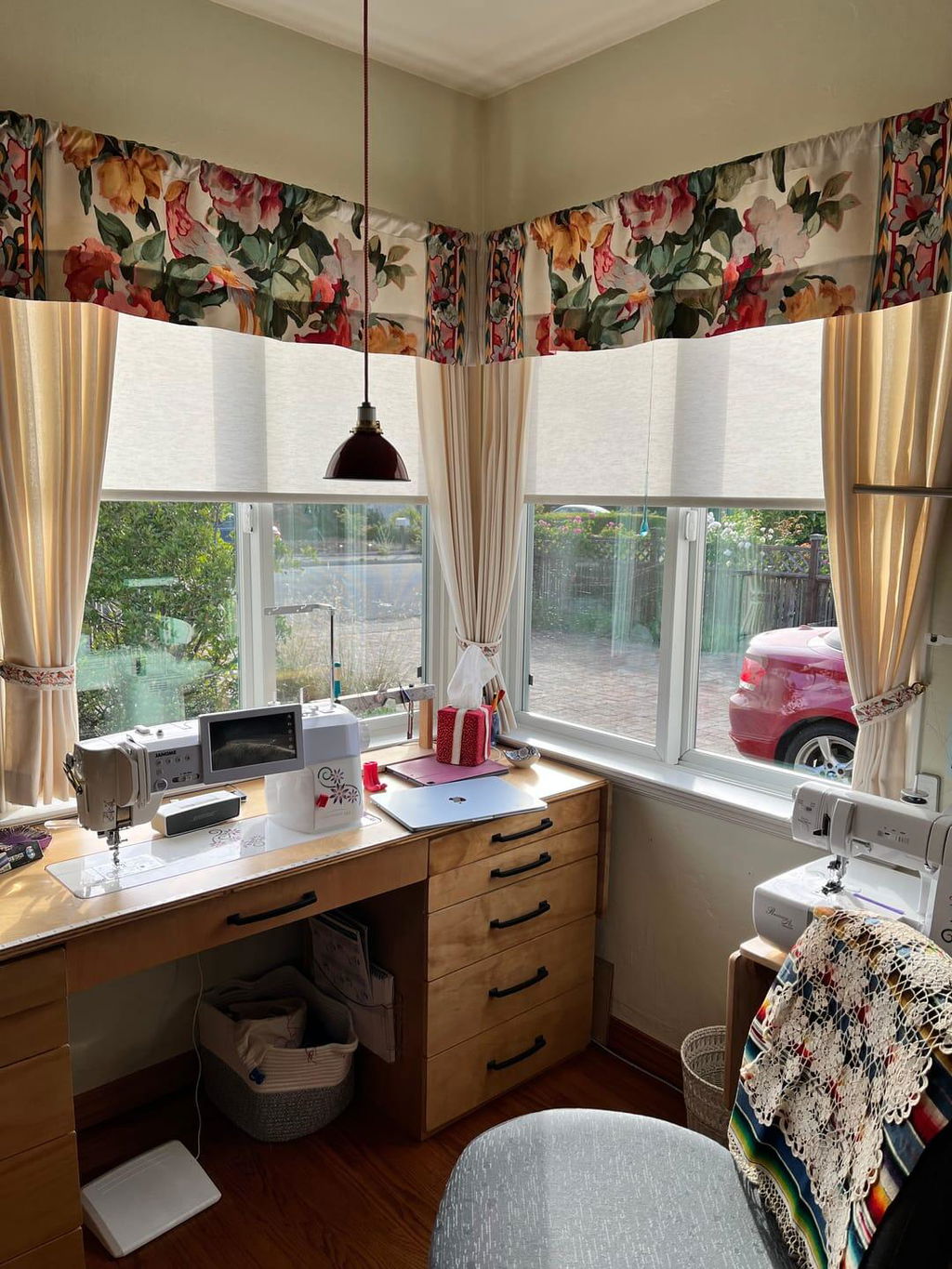
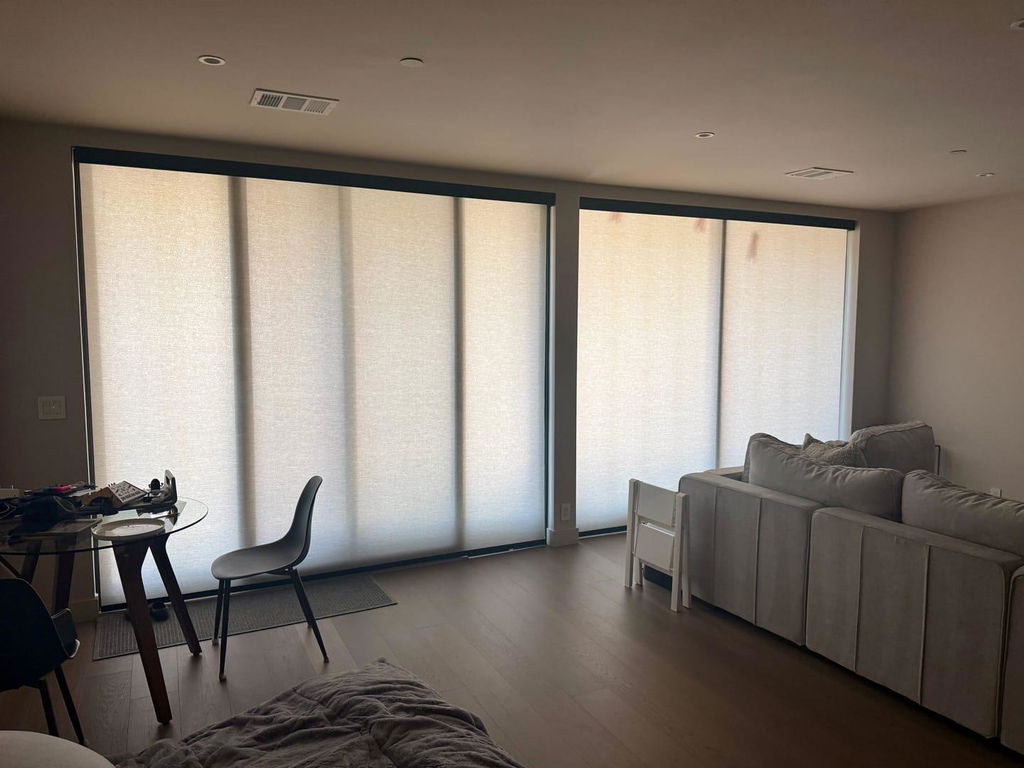
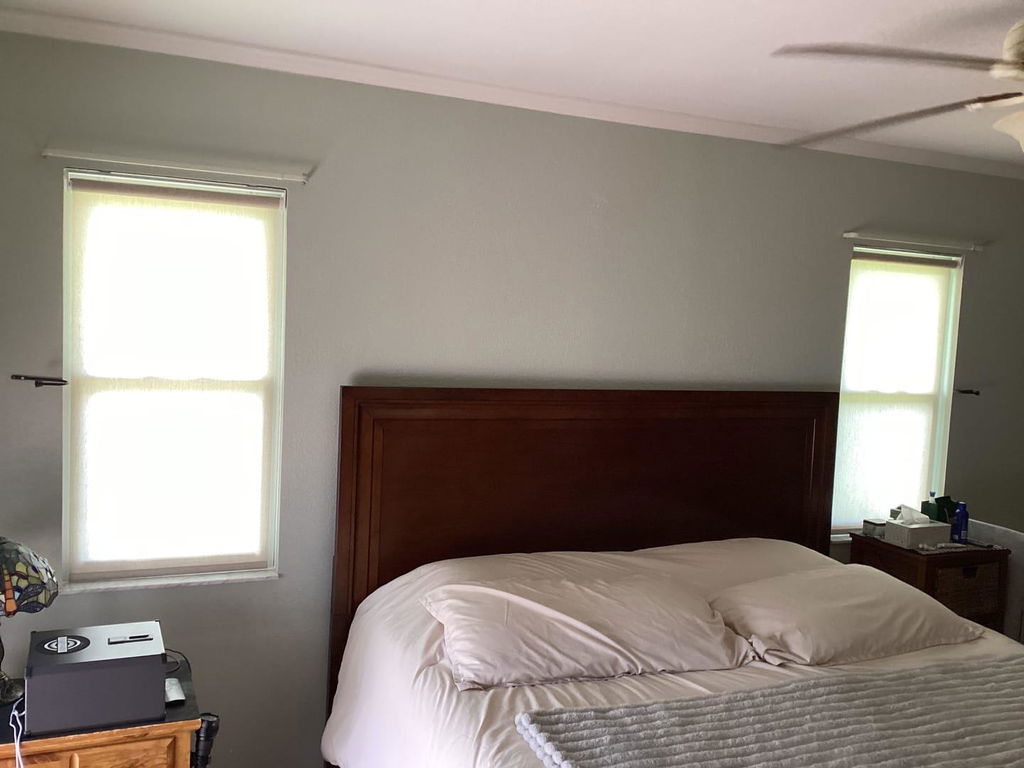
We obsess over light filtering inside—choosing the right linen density or the perfect slat width. If you’ve read about The 3 Places You Actually Need an Automatic Window Shade, you know that managing glare is key to a comfortable home. The deck should be no different.
A power house awning acts as a bridge. It extends your living room by another twelve feet. When the fabric matches your interior palette—maybe a soft charcoal or a warm sand—it pulls the eye outward, making your indoor space feel twice as large. It’s about creating a seamless transition where the 'outside' feels just as curated as the 'inside.'
What to Look for Before You Drill Into Your Siding
If you're ready to ditch the umbrella, scale matters. A 20x12 retractable awning is a standard 'sweet spot' for most medium-to-large decks, providing enough coverage for a dining table and a small lounge area. Don't go too small; you want at least a foot of 'overhang' past your seating to account for the sun's angle.
Installation is where most people trip up. A motorized deck awning has some weight to it, and the torque from the motor is significant. This isn't a project for a command strip. You need to hit the studs or use a header board. Also, consider your power source. While some auto retractable awnings are solar-powered, a hardwired power awning for house use is generally more reliable for larger spans.
FAQ
Do motorized awnings work in the rain?
Most high-quality fabrics are water-resistant, but they aren't meant to hold heavy puddles. You should tilt the awning so water sheds off, and always retract it during heavy downpours to prevent the fabric from stretching.
How long do the motors actually last?
A quality motor from a reputable brand should last 10 to 15 years with normal use. It’s a sealed unit, so you don't need to grease it or perform much maintenance beyond keeping the tracks clear of debris.
Can I add a motor to my existing manual awning?
In many cases, yes. There are motorization kits available for mechanical awnings, though it’s often more cost-effective to buy a purpose-built motorized outdoor awning from the start to ensure the tension arms are balanced for the motor's speed.