Why Your Bay Window Roller Shades Keep Crashing at the Corners
I remember staring at my first Victorian bay window with a tape measure in one hand and a sense of impending doom in the other. I wanted that crisp, architectural look, but every time I envisioned the shades, I saw them colliding in the corners like bumper cars. If you have ever had your bay window roller shades jam because two metal brackets decided to fight for the same two square inches of drywall, you know the specific frustration of angled architecture.
Quick Takeaways
- Always deduct for bracket depth, not just the glass width, to prevent corner collisions.
- Inside mounts are the gold standard for preserving the clean lines of a bay alcove.
- Reverse roll orientations can help minimize the light gap at the intersections.
- Motorization is a functional necessity for deep window seats or hard-to-reach alcoves.
The Geometric Nightmare Nobody Warns You About
Bay windows are essentially three windows pretending to be one, and they rarely play nice. When you transition from heavy, forgiving drapery to the precise lines of Roller Shades, you aren't just dealing with height and width; you are dealing with projection. If you measure the glass and call it a day, your shades will overlap at the corners, creating a grinding sound that haunts your dreams every time you try to let the morning light in.
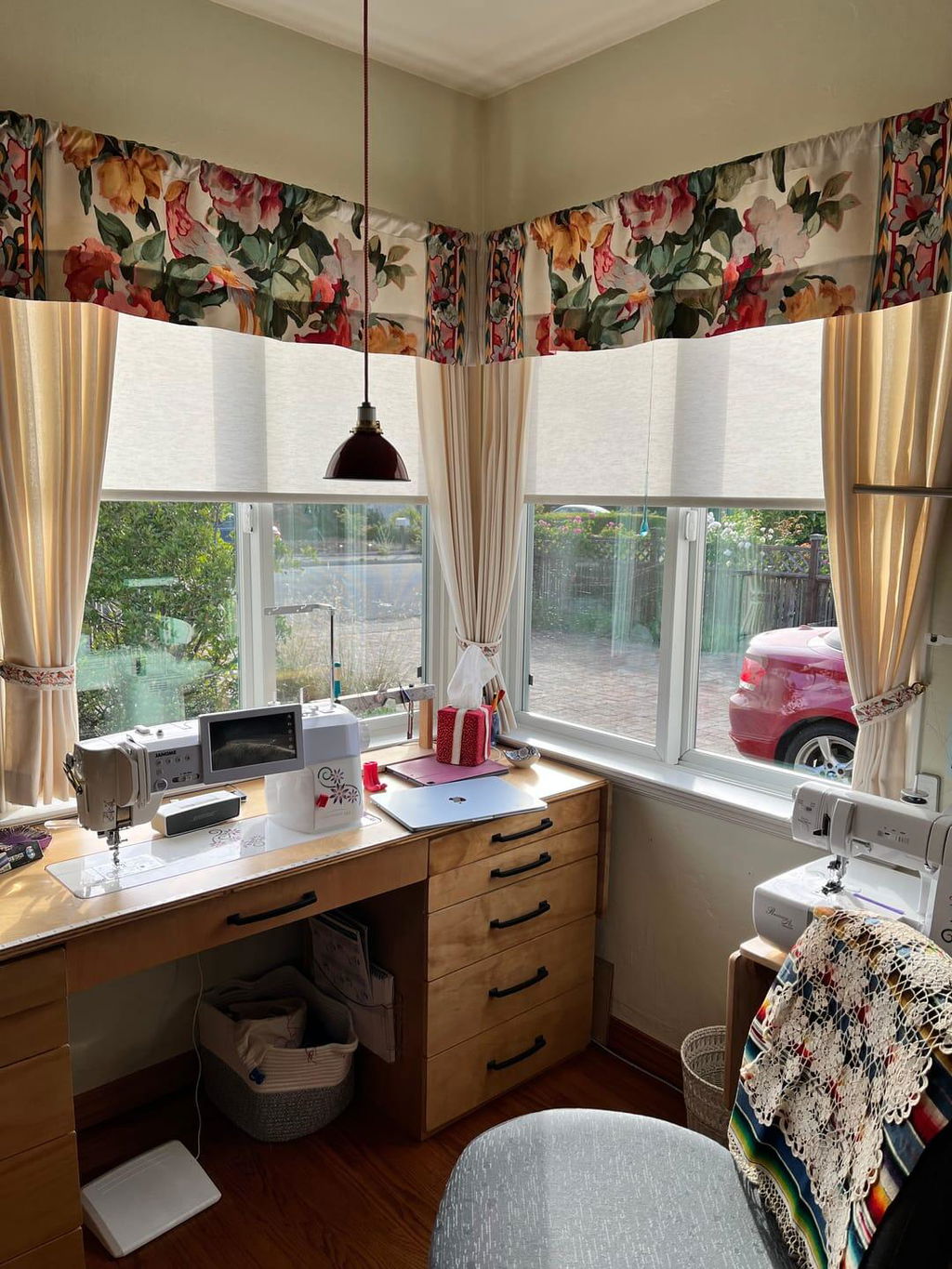
The issue is the bracket. A standard roller shade bracket needs about 2.5 to 3 inches of depth. In a 45-degree angle, those brackets want to occupy the same physical space. If you don't account for this 'bracket dance,' your fabric will rub against the neighboring hardware, leading to frayed edges and a shade that refuses to hang level. I have seen beautiful 1% openness solar screens ruined in a month because they were forced to grind against a metal mounting plate.
Why I Usually Skip Standard Bay Blinds for Sleek Rollers
I have spent way too much time untangling dusty cords on old-school bay window mini blinds. They always look cluttered, and the 'stack'—that chunk of blinds at the top when they are raised—can be six inches deep, eating into your view. Modern roller shades offer a flat, tailored face that lets the architecture do the talking. Instead of a messy collection of slats, you get a clean plane of fabric.
For blinds for bay windows designs, rollers are the undisputed winner for minimalism. You can tuck them into a slim, brushed nickel fascia that disappears into the trim. It keeps the focus on the view outside rather than the hardware inside. Plus, cleaning a flat piece of tech-fabric is infinitely easier than dusting fifty individual aluminum slats while balanced on a step stool.
The 3 Corner Rules for Blinds for Box Bay Windows vs. Angled Bays
Measuring for a 90-degree box bay is a different beast than a 45-degree angled bay. For box bays, you have to choose a 'master' shade. This shade runs the full width of the front window, while the side shades are 'butt' shades that stop short of the front shade's face. It is a game of Tetris where someone always has to yield.
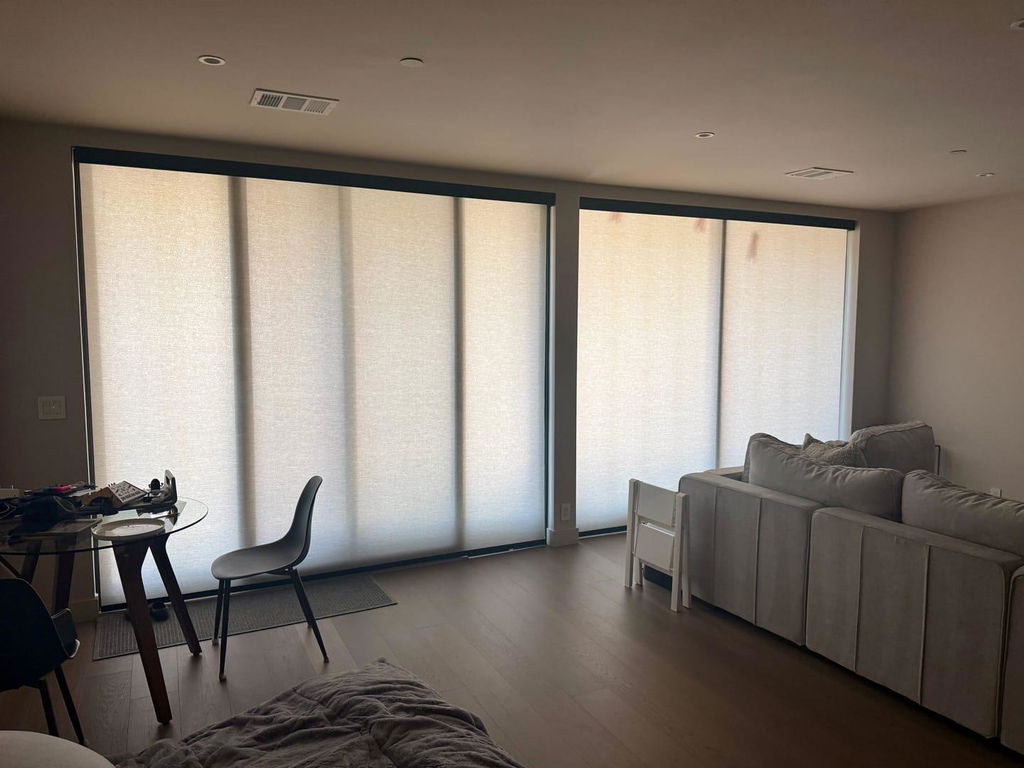
For angled bays, the 'corner deduction' rule is your best friend. You need to measure into the corner and then subtract the depth of the shade's headrail or fascia—usually around 3 inches. This creates a small, intentional gap that prevents the shades from crashing. Getting this right is exactly How a Simple Roller Blinds Window Setup Made My Living Room Look Huge in my last project; by keeping the shades inside the frame and perfectly spaced, the room felt twice as airy.
Handling the Dreaded Light Gap at the Intersections
Light gaps are the tax you pay for having angles. Because the fabric is always slightly narrower than the bracket, you will have a vertical sliver of light where the windows meet. If you use a standard roll, where the fabric falls off the back of the tube, that gap is wider. I almost always specify a 'reverse roll' for bays—this is where the fabric falls over the front of the roller, bringing it closer to the neighboring shade.
To make these gaps look like an intentional design choice rather than a mistake, I often suggest Day Night Shades. The alternating sheer and solid bands help break up the vertical lines of the window. When the sun hits those corner gaps, the sheer material diffuses the light, turning a harsh glare into a soft, glowing architectural feature that feels planned.
Motorization: A Non-Negotiable for Blinds for Large Bay Window Setups
Let's be honest: nobody wants to climb onto a velvet window seat or lean over a hot radiator three times a day to tug at a cord. If you are dealing with living room bay window blinds on a grand scale, manual operation is a chore you will eventually stop doing. You will end up leaving the shades half-closed, which defeats the purpose of having a bay window in the first place.
I recently installed the Canisteo Motorized Dual Roller Shades Cordless Custom Double Roller Blinds for a client with a massive three-panel setup. Being able to hit one button and watch all three shades rise in perfect synchronization is more than just a party trick; it preserves the life of the shades because there is no uneven tugging on the fabric. It is the only way to handle high-up or deep-set windows without losing your mind.
Making Blinds for Living Room Bay Windows Look Intentional
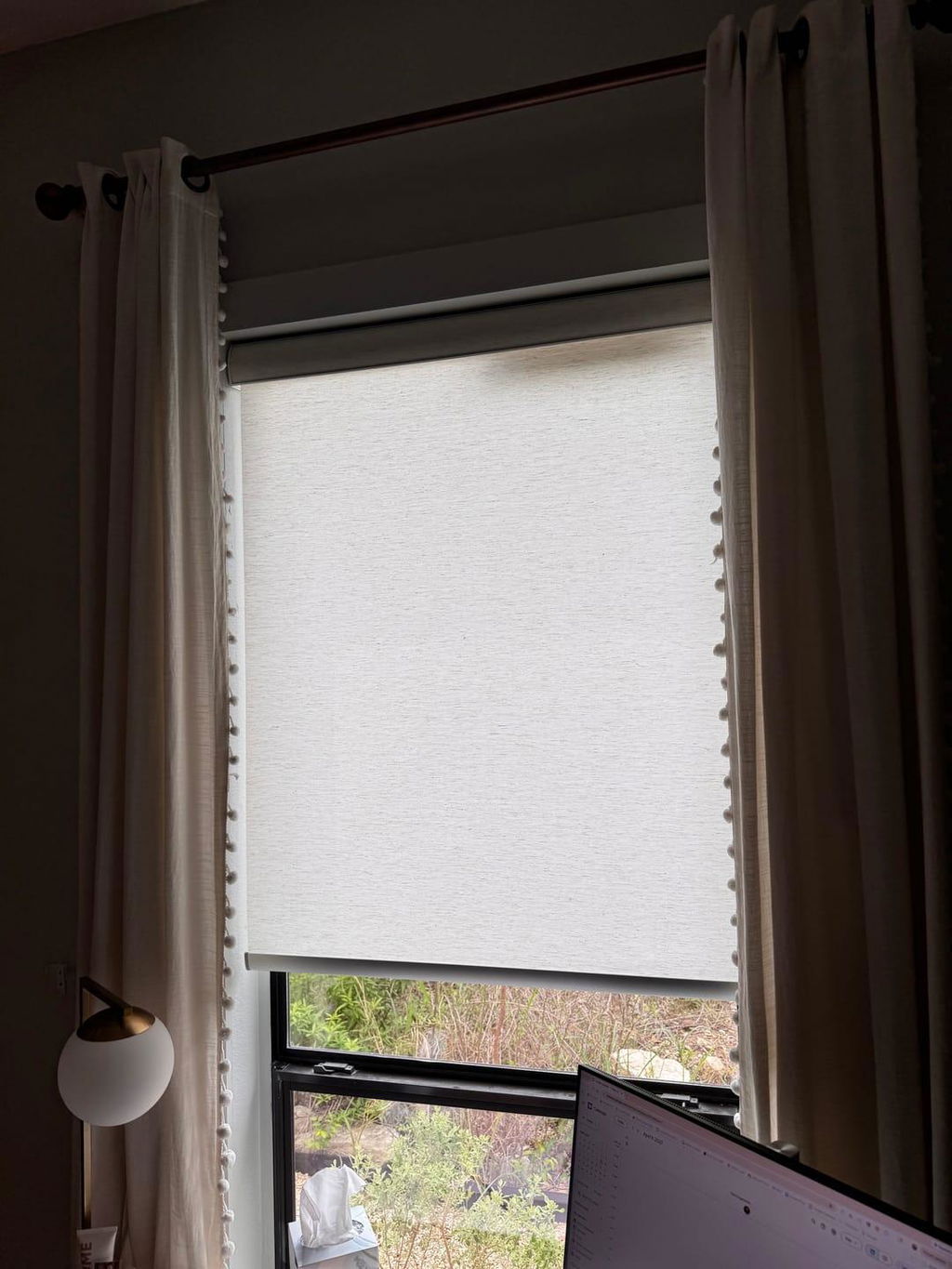
A roller shade on its own can sometimes feel a bit 'office-y' if not styled correctly. To soften the look, I love layering. Install your functional roller shades inside the window casing, and then hang stationary drapery panels on the outer walls framing the entire bay. Use a substantial fabric—something like a 300 gsm linen blend with a 2.5x fullness.
This 'frame' adds warmth and hides the outer brackets of your side shades. It gives you the best of both worlds: the clean, modern functionality of the roller shades and the cozy, high-end feel of traditional drapes. It is the easiest way to make a standard window look like a custom design feature.
My Honest Corner Crash Story
I once ordered three custom blackout rollers for a nursery with a 45-degree bay. I was so focused on the fabric width that I forgot to account for the motor head on the right side of the center shade. It stuck out an extra half-inch. When I went to install them, the center shade literally couldn't fit between the two side brackets. I had to remount the side shades as an outside mount, which looked terrible and left a huge light gap. I ended up paying for a new center shade out of my own pocket. Take it from me: measure the hardware, not just the fabric.
Frequently Asked Questions
Can I use one continuous headrail for a bay window?
Not with roller shades. Because the fabric needs to roll around a straight tube, each section of the bay must have its own individual shade and set of brackets. You can, however, cover them with a single custom-built valance to hide the gaps.
How do I minimize the gap between the shades?
Order your shades with a 'reverse roll' so the fabric sits closer to the front of the window, and try to use the smallest possible brackets. Some high-end brands offer 'slim-profile' brackets specifically for tight corner installs.
Is an inside mount always better for bay windows?
Usually, yes. An inside mount follows the architectural lines of the alcove. An outside mount often requires mounting the shades to the ceiling or the wall above the trim, which can make the whole bay feel 'boxed in' and heavy.