Why the Most Popular Window Shades Always Look Builder-Grade
I remember staring at my first 'grown-up' apartment, feeling like something was fundamentally broken. I had spent a fortune on a velvet sofa and a vintage Turkish rug, but the windows were dressed in those cheap, plastic-y white slats that came with the lease. Even after I swapped them for the most popular window shades on the market, the room still felt like a sterile dentist's waiting room.
The morning sun would hit those basic white rollers and turn the entire living room into a flat, overexposed photograph. It took me years of hanging, hemming, and returning 'top-rated' products to realize that what most people call 'popular' is usually just 'convenient.' If you want a room that feels curated, you have to stop buying for the algorithm and start buying for the light.
- Texture is the antidote to a 'cheap' looking room.
- Light gaps are the biggest giveaway of a DIY shade job.
- Layering a basic shade with 2.5x fullness drapes creates instant depth.
- Daylight and artificial light react differently to synthetic fabrics.
The Problem With Playing It Safe on Your Windows
Defaulting to the top-seller list is a trap. We often choose popular window shades because they promise 'neutrality,' but in design, neutral often translates to 'invisible' or, worse, 'unfinished.' When I ranked the most popular window shades, I realized the majority of five-star reviews are written by people who are just happy the box arrived on time and the brackets didn't snap.
A room without texture on the windows feels like a face without eyebrows. It lacks a frame. When you play it too safe with flat, characterless materials, you miss the opportunity to introduce architectural interest. A window is more than a hole in the wall for light; it is a chance to add a 200 gsm linen weave or a natural grasscloth that catches the 3 PM shadows and gives the room a sense of history.
Why Standard Roller Shades Wash Out Your Living Room
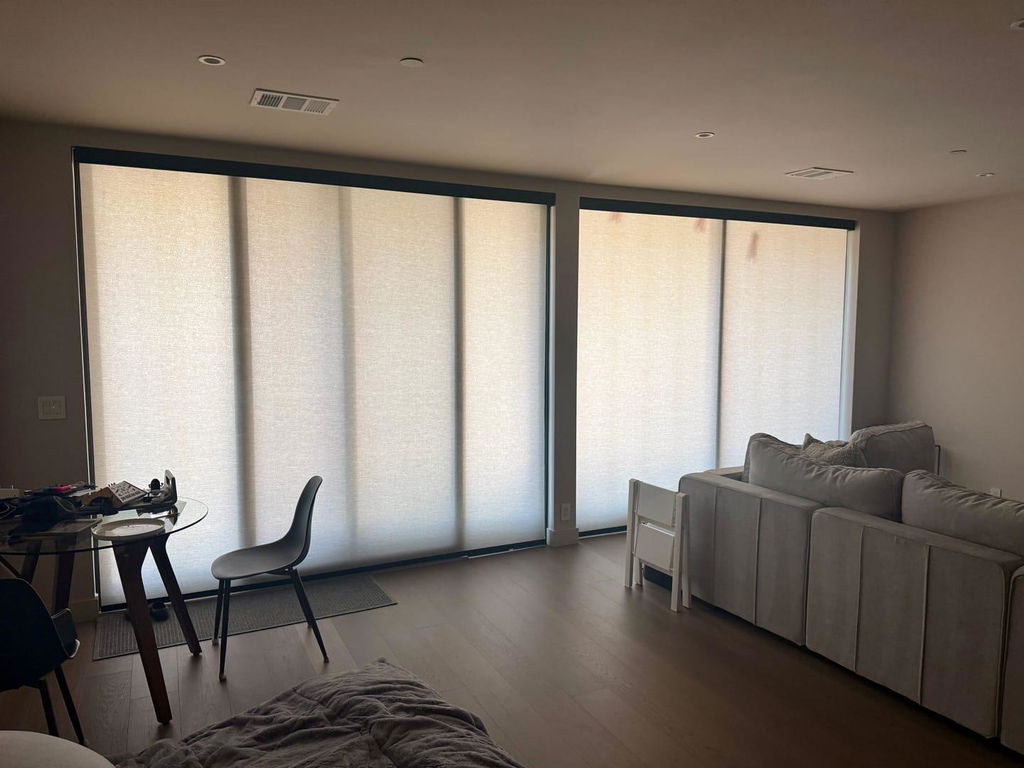
Stark white, flat-vinyl roller shades act like a giant reflector. In a primary living space, they bounce light back into the room in a way that flattens your wall color and makes even the most expensive Farrow & Ball paint look dingy. It is a harsh, clinical light that kills the mood.
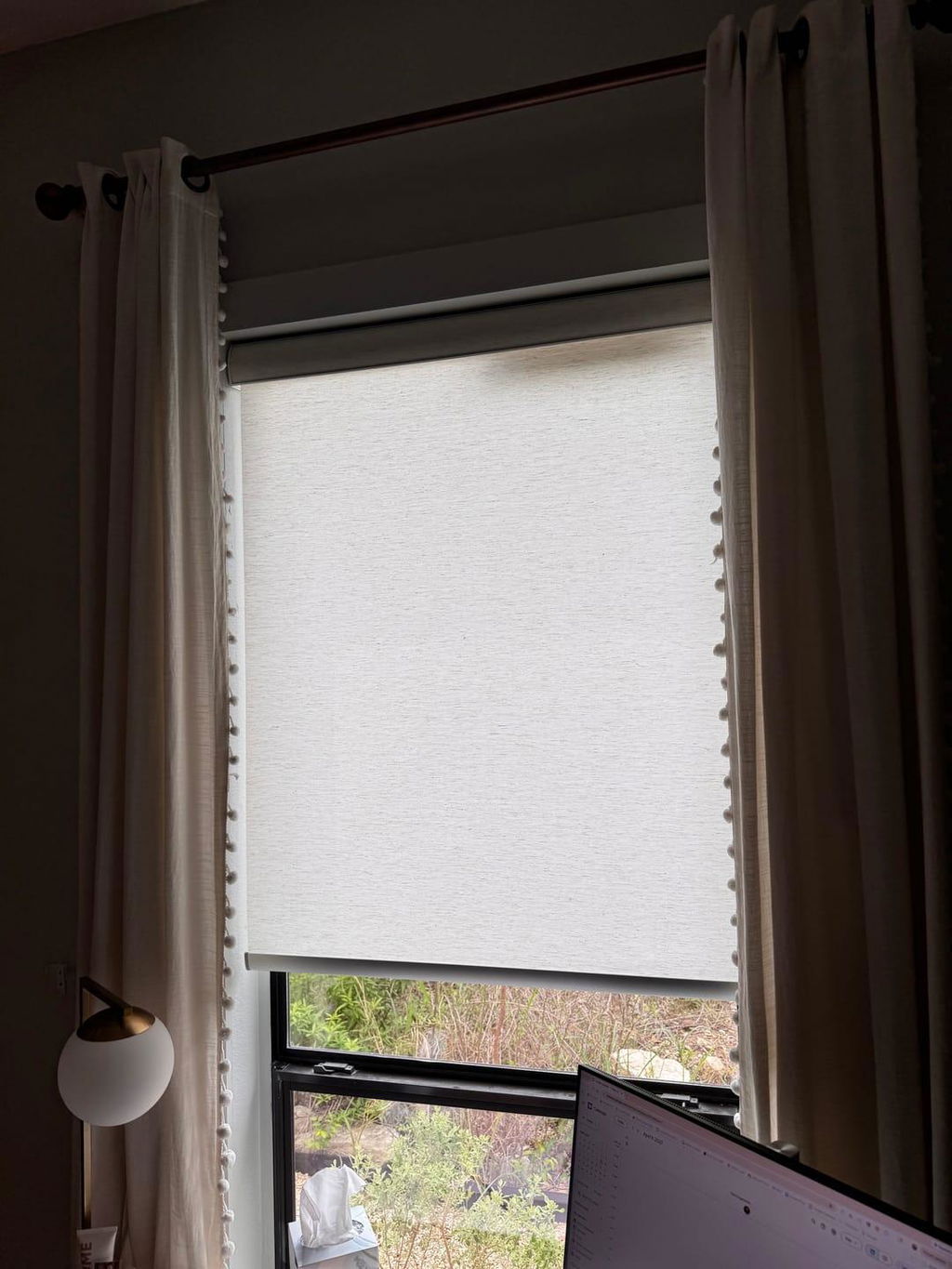
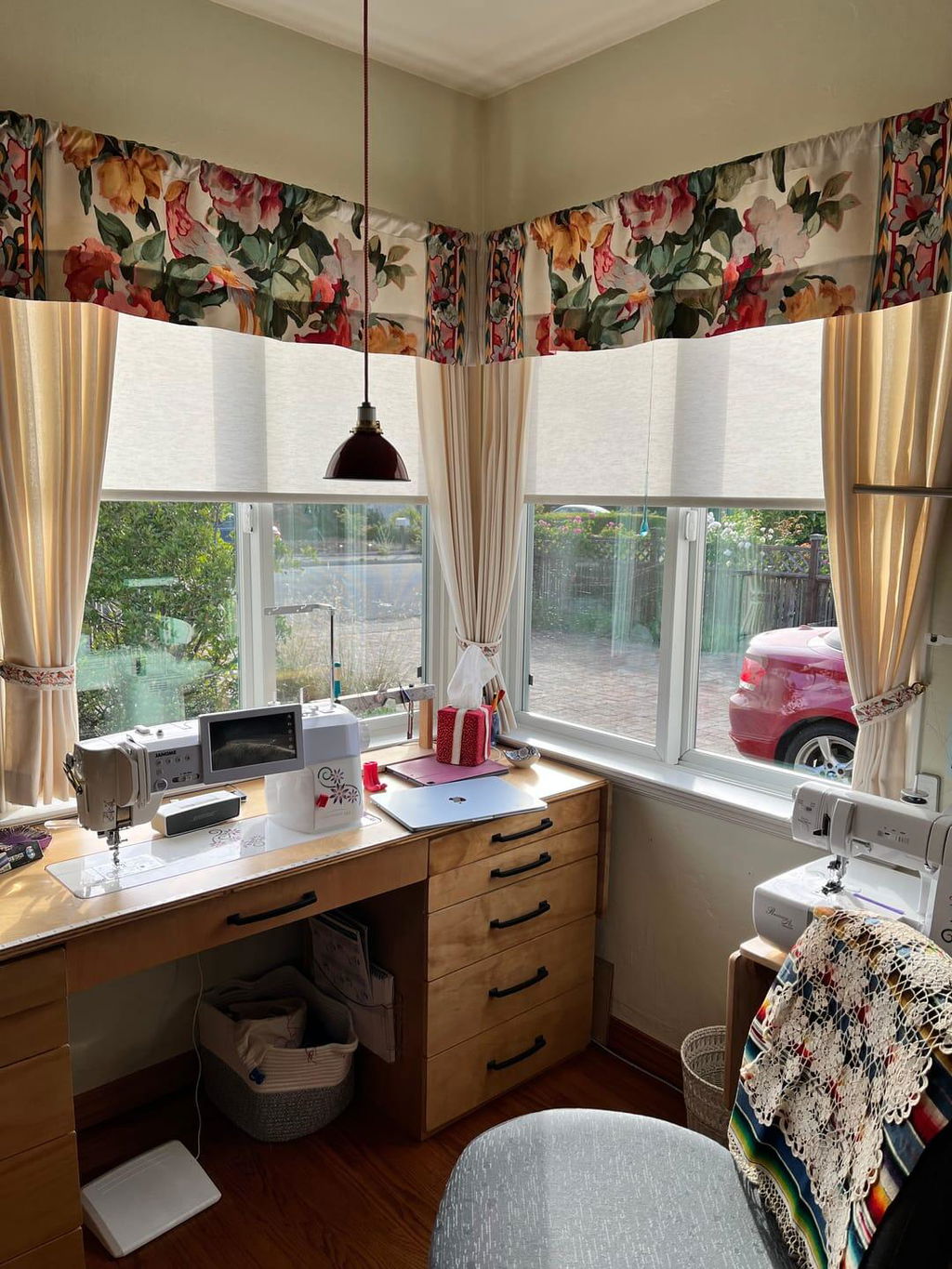
If you love the functionality of a roller, look for fabrics with a visible 'tooth.' A subtle oatmeal or sand-colored weave breaks up the light as it enters. Instead of a solid sheet of brightness, you get a soft, diffused glow that makes your furniture look grounded rather than like it is floating in a white void.
The Day/Night Dilemma (And Why Contrast Matters)
A shade that looks airy at noon can look like a black hole at 8 PM. This is the 'void effect'—when the sun goes down, your windows turn into dark, reflective rectangles that suck the warmth out of your interior lighting. This is why day night shades are such a lifesaver for people who actually live in their homes past sunset.
You need that dual-layer functionality. A sheer layer provides privacy and softens the glare during the day, while a heavier, textured secondary layer provides the 'heft' needed to make a room feel cozy at night. Without that contrast, you are living in a fishbowl or a cave, with no middle ground.
Don't Trust the Star Ratings Blindly
Most five-star ratings for window treatments are about the shipping speed, not the drape. I always tell my clients to read what most window shades reviews get completely wrong. A reviewer might love a shade because it was 'easy to install,' but they won't mention that the fabric curls at the edges after three weeks of humidity or that the light bleed at the top makes it impossible to sleep past 6 AM.
Look for the 'real' specs: Is the fabric weighted at the bottom? Is the header substantial or a flimsy piece of plastic? A shade that feels light in your hand will look cheap on your window. You want something with enough weight to hang straight and true without fluttering every time the HVAC kicks on.
The 3 Rules for Making Basic Shades Look Bespoke
You don't need to spend $5,000 on custom Roman shades to get a high-end look. You just need to follow a few stylist rules. First, layering is non-negotiable. Pair a basic bamboo or roller shade with floor-to-ceiling drapes. Mark your rod 4 to 6 inches above the window trim and 8 to 10 inches past the frame on each side. This 'tricks' the eye into thinking the window is massive.
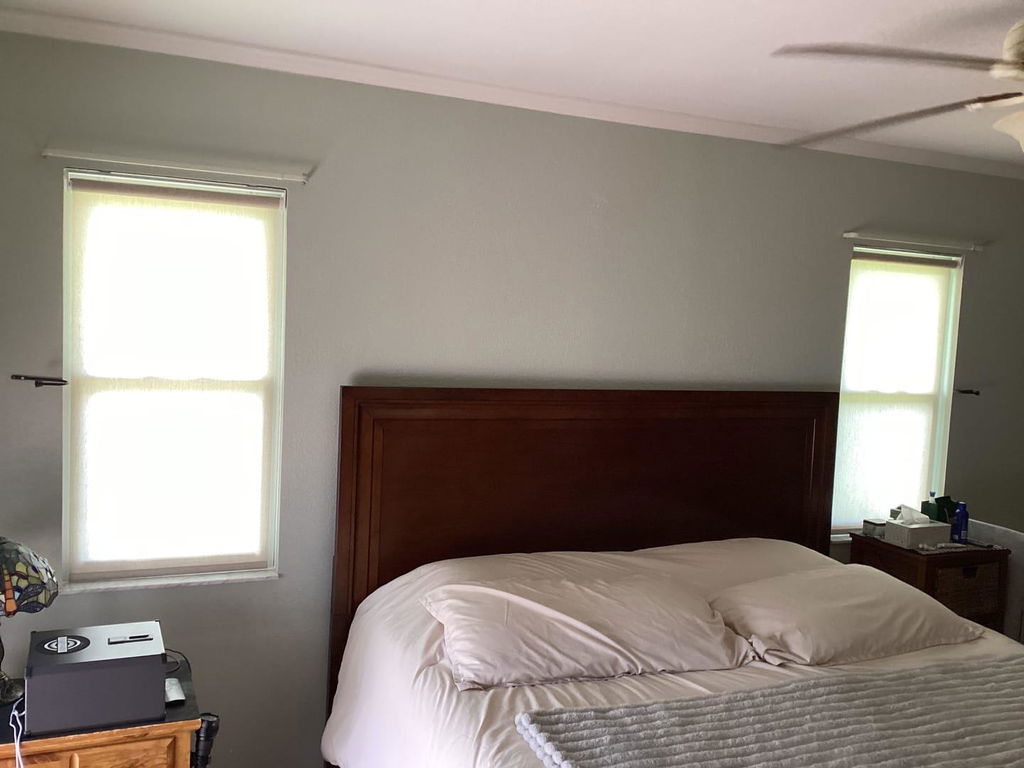
Second, obsess over the mount. If you are doing an inside mount, you need 1/8-inch precision. A 1/2-inch light gap on the sides is the hallmark of a builder-grade install. If your windows aren't perfectly square (and they never are), go for an outside mount that covers the trim entirely.
Third, swap the hardware. Most popular window shades come with plastic pull chains or flimsy wands. Replacing these with a heavy brass chain or a matte black pull can make a $50 shade look like it cost five times that much. It’s the tactile details that signal quality.
My Biggest Styling Regret
I once tried to save a few hundred dollars by ordering 'close-enough' sized bamboo shades for a bay window in my old rental. I didn't account for the handle clearance on the crank windows. Every time I raised the shades, they clattered against the glass like a percussion section. I ended up having to shim the brackets with scrap wood just to get them to hang straight. It looked terrible until I hid the whole mess under a heavy 96-inch linen panel. Now, I never guess—I measure three times and order once.
FAQ
Inside or outside mount?
Inside mount for a clean, modern, architectural look if your window depth allows it. Outside mount if you want to hide ugly trim or make a small window appear significantly larger.
How do I stop light gaps?
For inside mounts, use light-blocking strips on the sides of the frame. For outside mounts, ensure the shade overlaps the window frame by at least two inches on each side.
What is the best fabric for privacy?
A tightly woven linen-cotton blend is my go-to. It filters light beautifully during the day so you aren't in the dark, but it prevents people from seeing anything more than vague shadows at night.