Why the Coolaroo Outdoor Roller Shade 72x72 is My Go-To for Small Patios
I once spent an entire Saturday afternoon trying to host a garden party while my guests used their menus as makeshift visors. The sun was at that agonizing 45-degree angle, slicing right under my pergola and turning a pleasant lunch into a squint-fest. That was the day I realized my patio didn't need more umbrellas; it needed a dedicated vertical barrier.
Finding the right solution for a standard patio opening is harder than it looks. Most off-the-shelf options are either too flimsy or require a degree in mechanical engineering to operate. After testing three different brands, I settled on the coolaroo outdoor roller shade 72x72 because it actually respects the architecture of a small outdoor space and doesn't rattle like a tin can in the wind.
Quick Takeaways
- The 72x72 square footprint fits perfectly into standard 6-foot patio bays without awkward gaps.
- Cordless operation means no tangled strings or safety hazards for pets and kids.
- High-density polyethylene (HDPE) fabric blocks up to 90% of UV rays while staying breathable.
- Weather-resistant hardware that doesn't rust after the first summer thunderstorm.
The Problem With Standard 6-Foot Patio Bays
Most suburban patios and balconies are built with 6-foot increments in mind. It is a standard architectural 'bay' size, but it creates a specific kind of misery when the sun starts its descent. A standard umbrella only covers the table, leaving your legs and face exposed to the heat radiating off the pavers.
I’ve tried using oversized floor plants to block the light, but they just end up scorched. The real issue is that 6x6 foot opening—it is too wide for a single curtain panel to look intentional, but small enough that a massive motorized awning feels like overkill. You need something that feels like part of the structure, not an afterthought that you have to struggle with every time a cloud passes by.
Enter the Coolaroo Outdoor Roller Shade 72x72
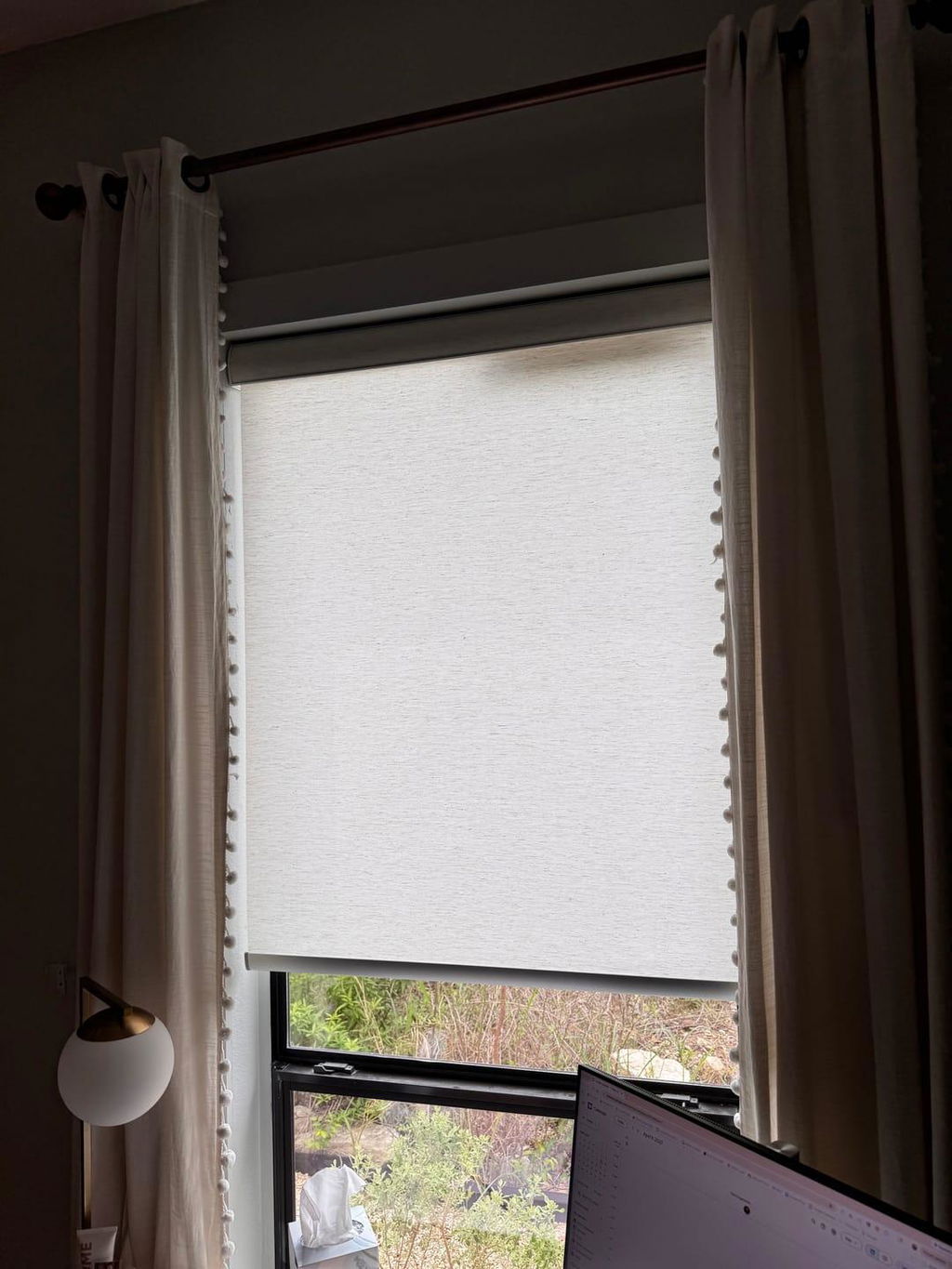
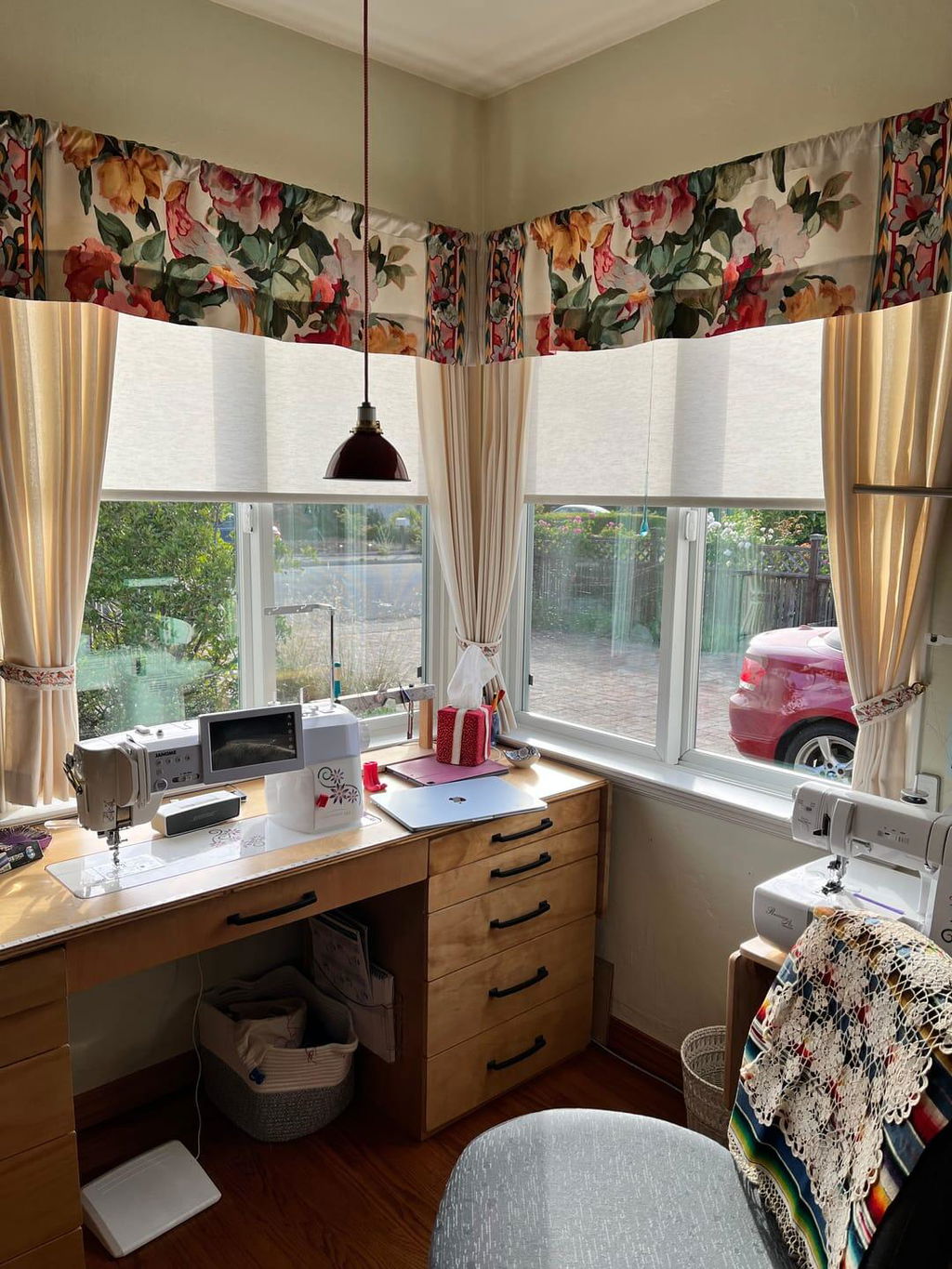
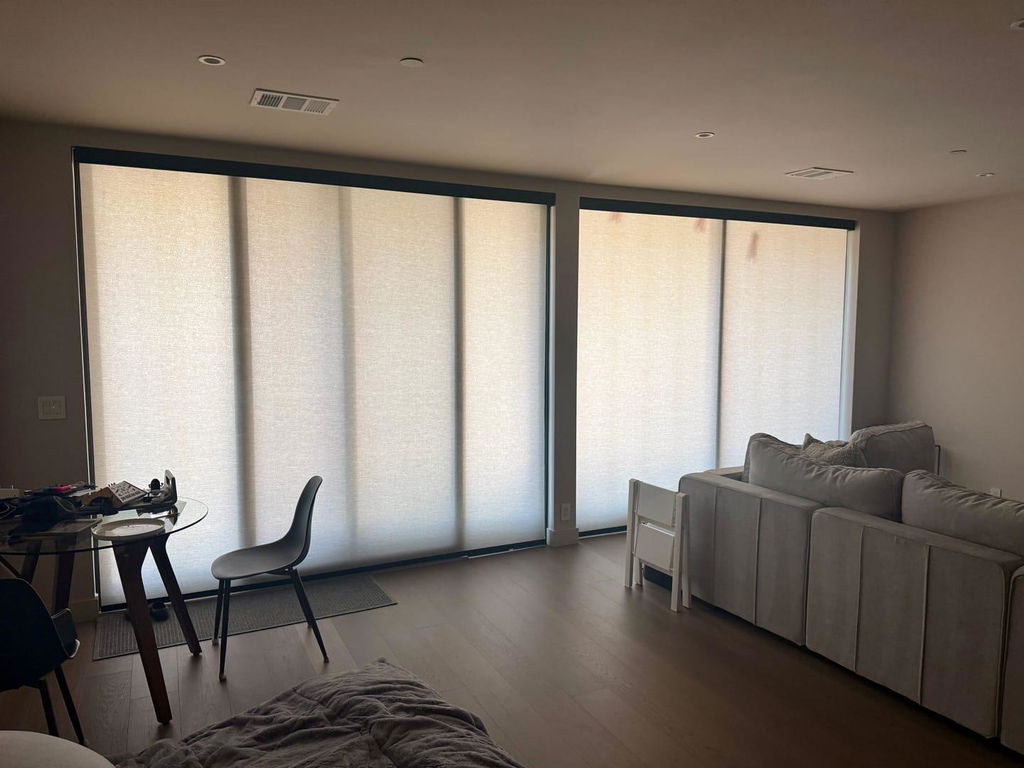
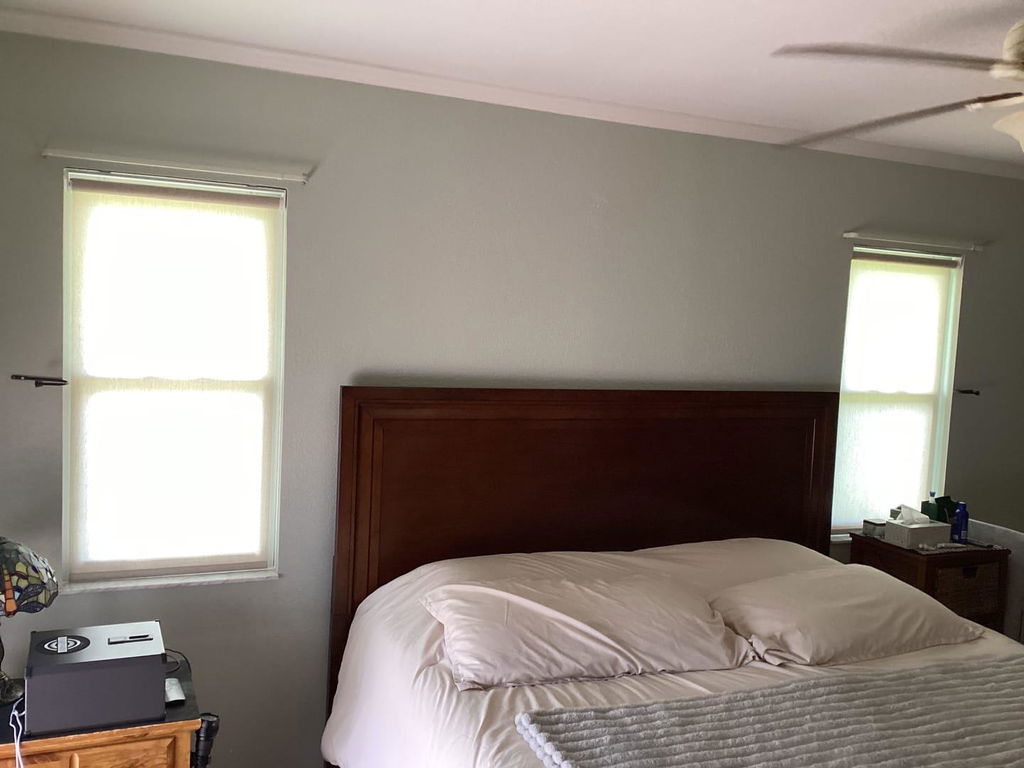
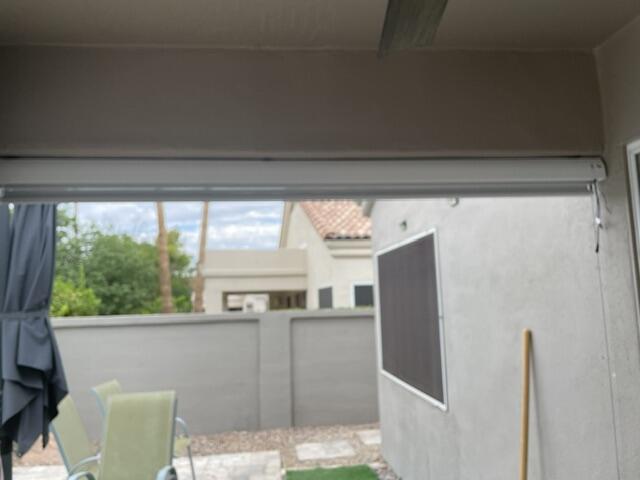
The 72x72 dimension is the 'Goldilocks' size for a reason. It provides a perfect square of coverage that mimics a half-wall. When I installed mine, I mounted it slightly higher than the actual opening to give the illusion of more height. It creates a crisp, architectural line that defines the dining area without making it feel claustrophobic.
Unlike standard roller shades designed for interiors, this model uses a knitted fabric that allows air to pass through. This is crucial. If you use a solid vinyl shade, your patio becomes a literal wind sail, and you will spend your evening watching your hardware rip out of the stucco. The 185 GSM fabric used here provides enough weight to hang straight while letting the breeze keep things cool.
Why I Refuse to Use Hand Cranks Anymore
If you have ever stood on a chair to reach a rusted crank handle while your dinner gets cold, you know why I am obsessed with the coolaroo outdoor roller shade simple lift. The old-school wand systems are a nightmare—they are slow, they clank against the house, and they always seem to jam right when you need them most.
The coolaroo simple lift mechanism is a total shift in how I interact with my backyard. You just grab the bottom rail and pull. There are no cords to wrap around a cleat and no plastic wands to lose in the bushes. It feels sturdy, like a high-end cordless cellular shade you’d put in a primary bedroom, but beefed up for the elements. I can adjust the height in two seconds flat as the sun moves, keeping the glare off the table without a second thought.
Getting the Tension Right on a Coolaroo Simple Lift
One mistake I see people make with coolaroo simple lift roller shades is ignoring the tie-down system. Even with the 'simple lift' ease, you need to use the included bungee tie-downs if you live anywhere with a light breeze. I mount my tie-down anchors about three inches below where the shade fully extends. This allows me to pull the fabric taut, giving it that high-end, custom-installed look.
Keeping the fabric tensioned prevents that cheap 'flapping tarp' sound that ruins the ambiance of a quiet evening. While this 72-inch width is naturally stable, I always tell people that if they are trying to prevent sagging on wider spans, they need to be much more precise with their bracket leveling. For the 72x72, just make sure your mounting surface is solid—I prefer 3-inch stainless steel screws over the stock hardware if I am going into wood beams.
The Fabric Openness Factor for Dining Nooks
Choosing the right 'openness' is where most DIYers get paralyzed. If you go too opaque, you lose the view of your hydrangeas; too sheer, and you’re still squinting. For a western-facing dining nook, I almost always recommend 5 percent openness outdoor shades. This density is the sweet spot for blocking the 'white light' glare of a setting sun while still letting you see the silhouettes of your backyard.
In my own space, the 5% weave makes the backyard look like it has a soft-focus filter on it. It is incredibly flattering for skin tones during dinner parties, and it hides the fact that my neighbor’s lawn needs mowing. If your patio faces north and you just want some light diffusion, you could go lighter, but for functional heat and glare reduction, stay dense.
Final Verdict: Is It Worth the DIY Install?
Installation took me about 25 minutes, and that included the time I spent looking for my level. The brackets are versatile—you can top-mount them into a ceiling or face-mount them onto a wall or trim. I chose to hide my brackets behind a piece of 1x4 cedar trim I painted to match the house, which makes the whole setup look like a custom job rather than a quick weekend project.
My only regret? Not doing this three years ago. If you realize your patio bay is actually much wider than six feet, don't try to stretch this one; go read the review of the larger 120x96 version to see if that fits your scale better. But for the standard 72x72 opening, this is the cleanest, most reliable shade I have ever hung.
FAQ
Can I leave these shades up during a storm?
I leave mine up for heavy rain, but I always roll them up if the wind is gusting over 20mph. Even with the tie-downs, the fabric acts like a sail and puts a lot of stress on your mounting brackets.
How do you clean the HDPE fabric?
Don't bother with fancy cleaners. I just spray mine down with a garden hose once a month to get the dust off. For bird droppings, a soft brush and some mild dish soap do the trick without damaging the UV coating.
Is the 'simple lift' really cordless?
Yes, it is entirely cordless. There is an internal tension mechanism that holds the shade at whatever height you leave it. It is the only way to go if you have kids or just hate the look of dangling strings.