Why I Swear By Hunter Douglas Sheer Shades for South-Facing Rooms
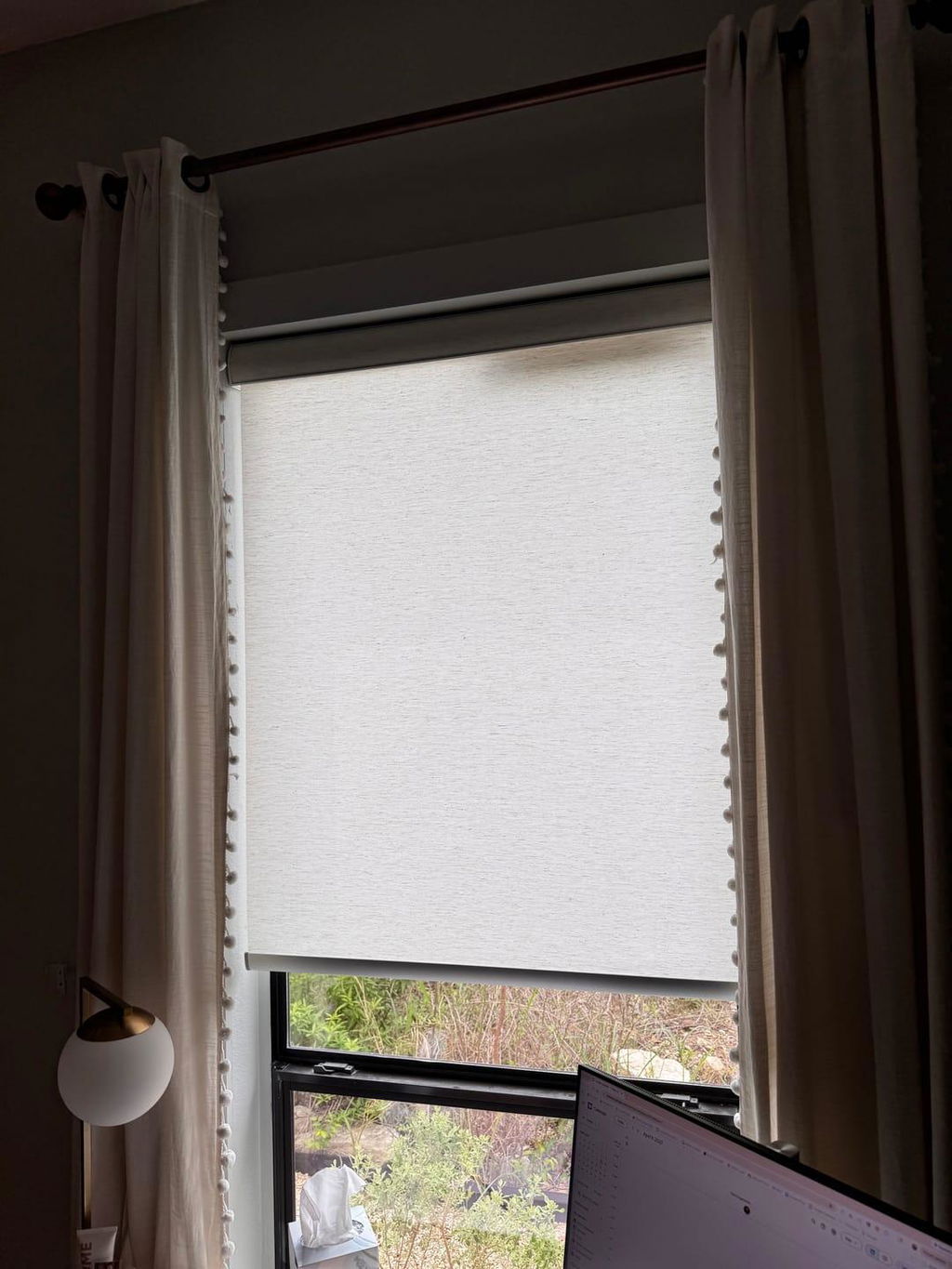
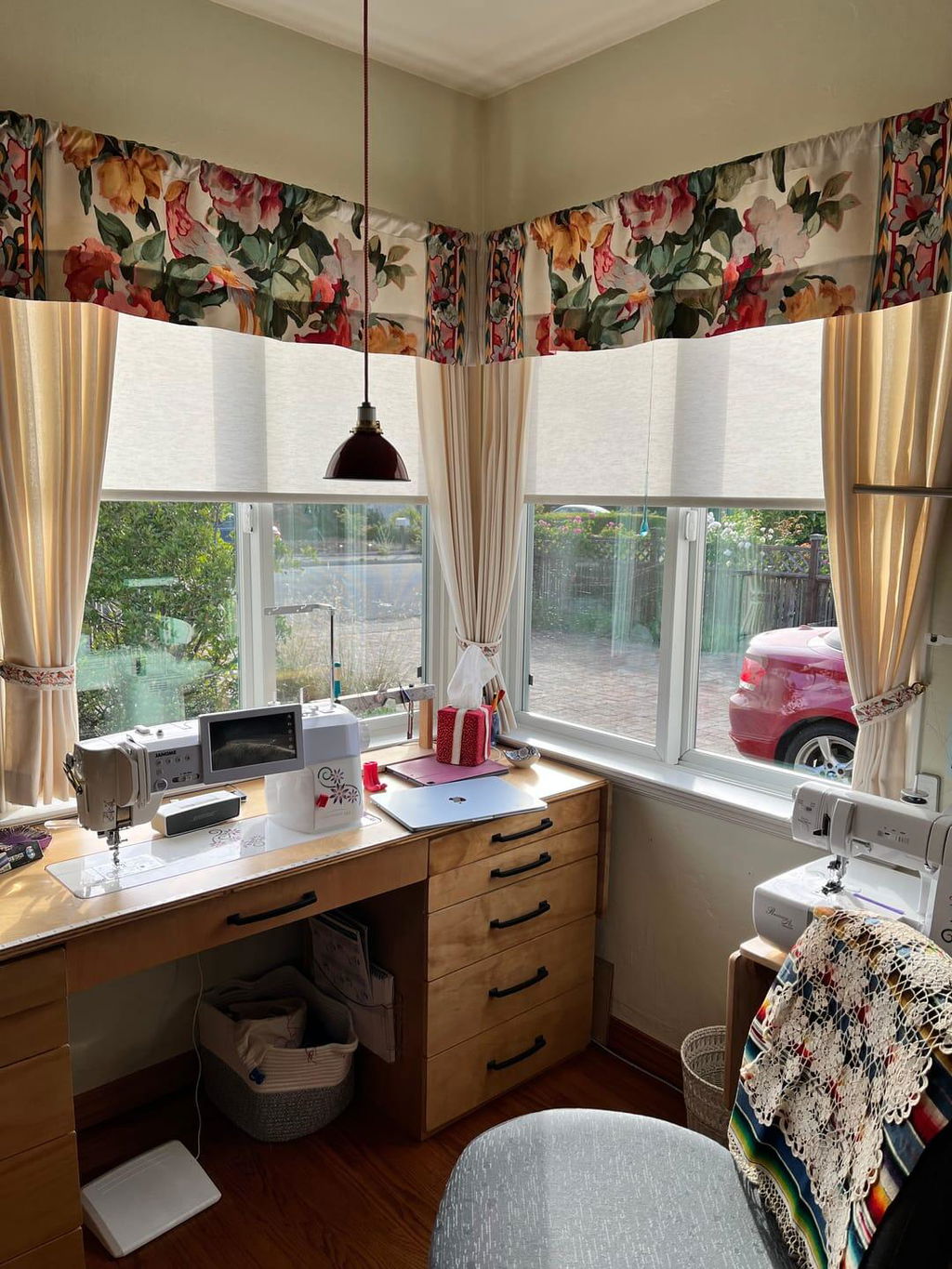
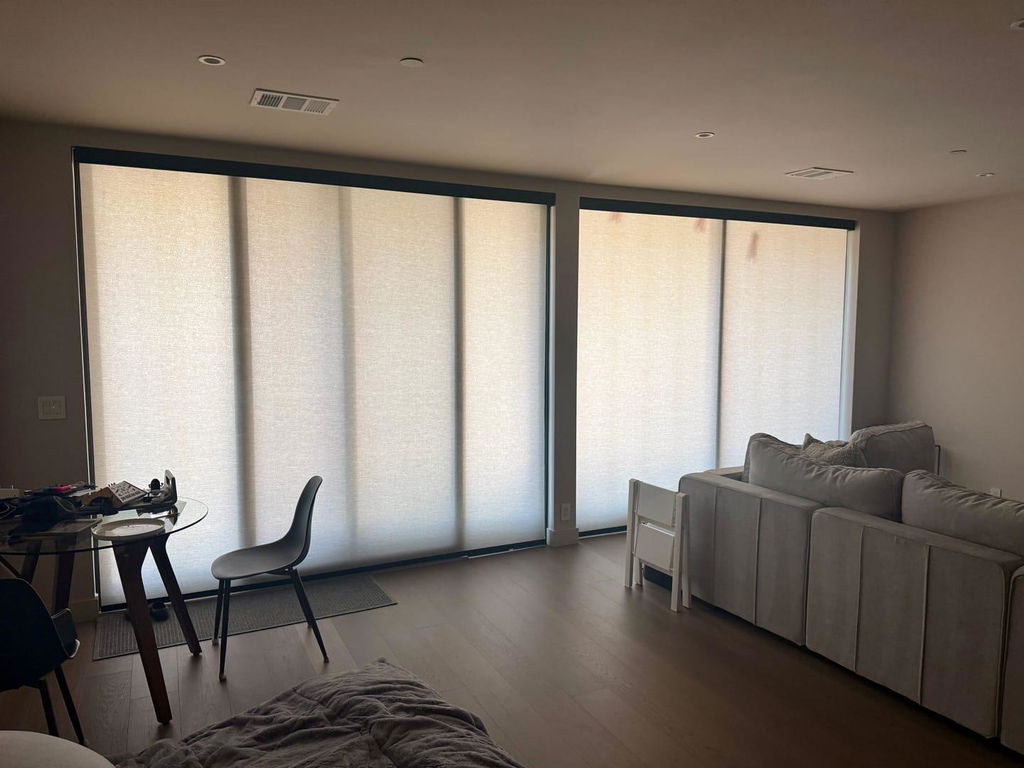
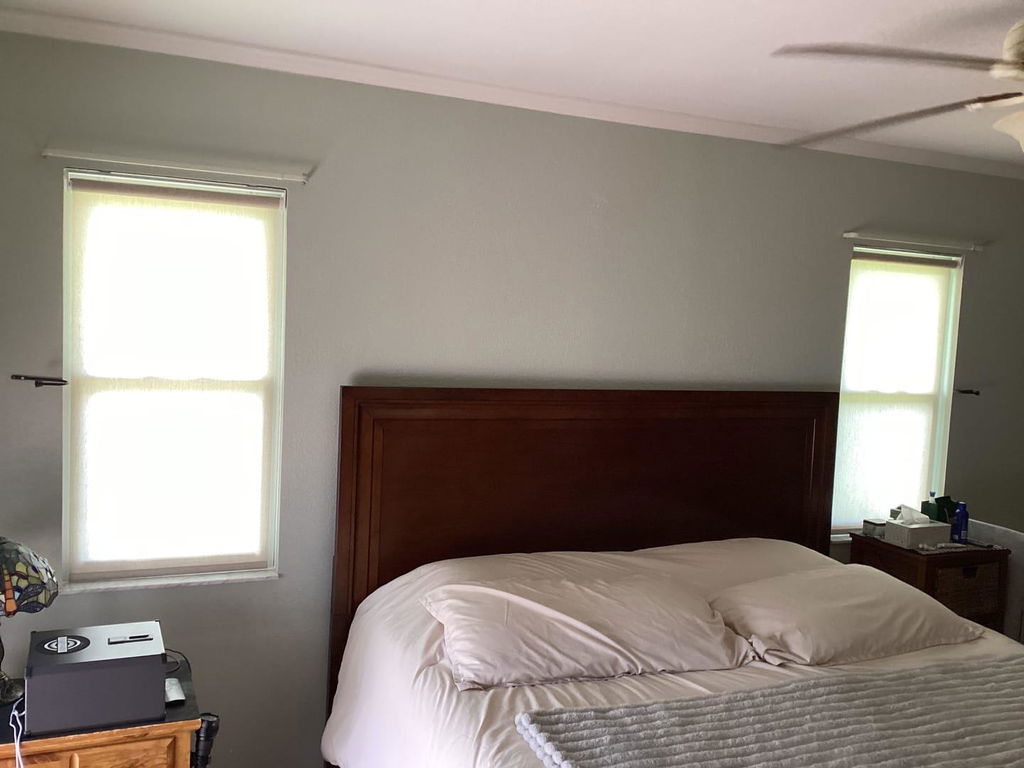
I remember sitting in a client's living room at 3 PM on a Tuesday, squinting so hard I could barely see my own fabric swatches. The sun was bouncing off her white oak floors with the intensity of a thousand stadium lights, washing out the expensive navy velvet sofa we’d waited sixteen weeks for. We didn't need a cave; we needed hunter douglas sheer shades to act as a literal rescue mission for the floor plan.
- Diffuses harsh UV rays to protect rugs and upholstery from fading.
- Maintains your view of the outside while blocking the 'fishbowl' feeling.
- Eliminates TV and laptop screen glare without requiring total darkness.
- Offers a much cleaner, more architectural look than bulky traditional curtains.
The South-Facing Room Dilemma
A south-facing room is a blessing in the real estate brochure and a curse in the middle of July. Between 2 PM and 5 PM, the light doesn't just 'enter' the room; it attacks it. It’s that specific, orange-tinted heat that makes the air feel heavy and turns your beautiful gallery wall into a blurry mess of reflections.
I’ve seen clients try to fight this with cheap stick-up filters or, worse, by keeping their heavy drapes closed all day. You end up living in a bunker, which defeats the entire purpose of having those big, beautiful windows. I’m a stickler for light—I want the room to feel bright, but I don't want to feel like I'm sitting inside a microwave.
Why I Refused to Just Hang Heavy Curtains
The standard instinct is to throw more fabric at the problem. I’ve had so many people ask me if they should just stop layering drapes and go for a single, heavy blackout panel instead. My answer is almost always a hard no. Heavy, lined drapes in a sun-drenched room feel suffocating and instantly shrink the visual footprint of the space.
When you use a heavy velvet or a thick 300 gsm linen with a blackout liner, you kill the 'breathability' of the architecture. You lose the connection to the outdoors. I wanted a solution that felt like a soft-focus lens, something that would keep the airy vibe while killing the squint-factor.
The Fabric Problem That Sheer Blinds Hunter Douglas Solved
I’ve tested the budget versions of these shades, and they usually look like a glorified screen door. The mesh is stiff, the white is too 'blue-white' and looks like plastic, and the vanes never quite hang straight. When you look at sheer blinds hunter douglas offers, you’re seeing a massive difference in the textile quality.
The fabric vanes are actually woven to float between two layers of sheer material. This isn't just about aesthetics; the way the fabric 'breaks' and drapes makes the window look like it’s dressed, not just covered. In my own home, I chose a 3-inch vane size because it offers a clearer view-through than the standard 2-inch, making the window feel even larger.
Acting Like a Real-Life Soft Focus Filter
This is where the science of light diffusion gets interesting. Instead of the sun hitting a flat surface and stopping (or bouncing back), these sheer shades scatter the light. It hits the sheer backing, bounces off the interior vanes, and gets pushed deeper into the room. It turns that harsh, directional beam into a warm, ambient glow.
I’ve noticed that in rooms with these shades, the shadows are softer. You don't get those high-contrast lines on the floor that highlight every speck of pet hair. It’s the difference between a bare lightbulb and a high-end linen lampshade. The room feels bigger because the light is reaching the back corners instead of just pooling at the window sill.
What Happens When the Sun Goes Down?
The biggest concern I hear is: 'Can my neighbors see me at night?' It’s a fair question. With a standard sheer, if your lights are on inside and it’s dark outside, you’re basically on a stage. This is why I often recommend day night shades for bedrooms or street-level living rooms.
These systems allow you to have the sheer, light-diffusing layer active during the day, and a second, more opaque roller that drops down behind it at night. You get the best of both worlds without the bulk of double-rods and four sets of curtain panels. I once installed a single-roller version in a guest bath and had to go back and add a privacy liner because, well, the 'soft focus' worked both ways.
Are They Actually Worth the Premium Price Tag?
I won’t lie to you: these aren't the cheapest option on the rack. But if you have a room that is currently unusable for three hours a day because of the sun, you have to look at the 'cost per use.' For a south-facing living room where you actually want to watch TV or read a book without a headache, the investment pays off in livability.
The hardware is also a major factor. I’ve had enough budget rollers snap or 'clack' their way up the window to appreciate the silent, smooth motorization of a premium brand. It’s the difference between a rattling old car door and the 'thunk' of a luxury sedan. If you’re going to touch it every day, the quality matters.
FAQ
How do you clean these?
Don't panic. A light dusting with a feather duster or a low-suction handheld vacuum with a brush attachment once a month is usually all they need. For a deeper clean, I recommend professional ultrasonic cleaning every few years.
Will they stop my wood floors from fading?
Yes. They block up to 88% of harmful UV rays when open and up to 99% when closed. It’s basically sunscreen for your hardwoods and that vintage rug you spent way too much on.
Can I install them myself?
You can, but I wouldn't. These require precise leveling to ensure the vanes align perfectly. If you're off by even an eighth of an inch, the 'glow' will look crooked. Pay the pro; it's worth the peace of mind.