Why I Hide a Budget Stylewell Roller Shade Behind Expensive Drapes
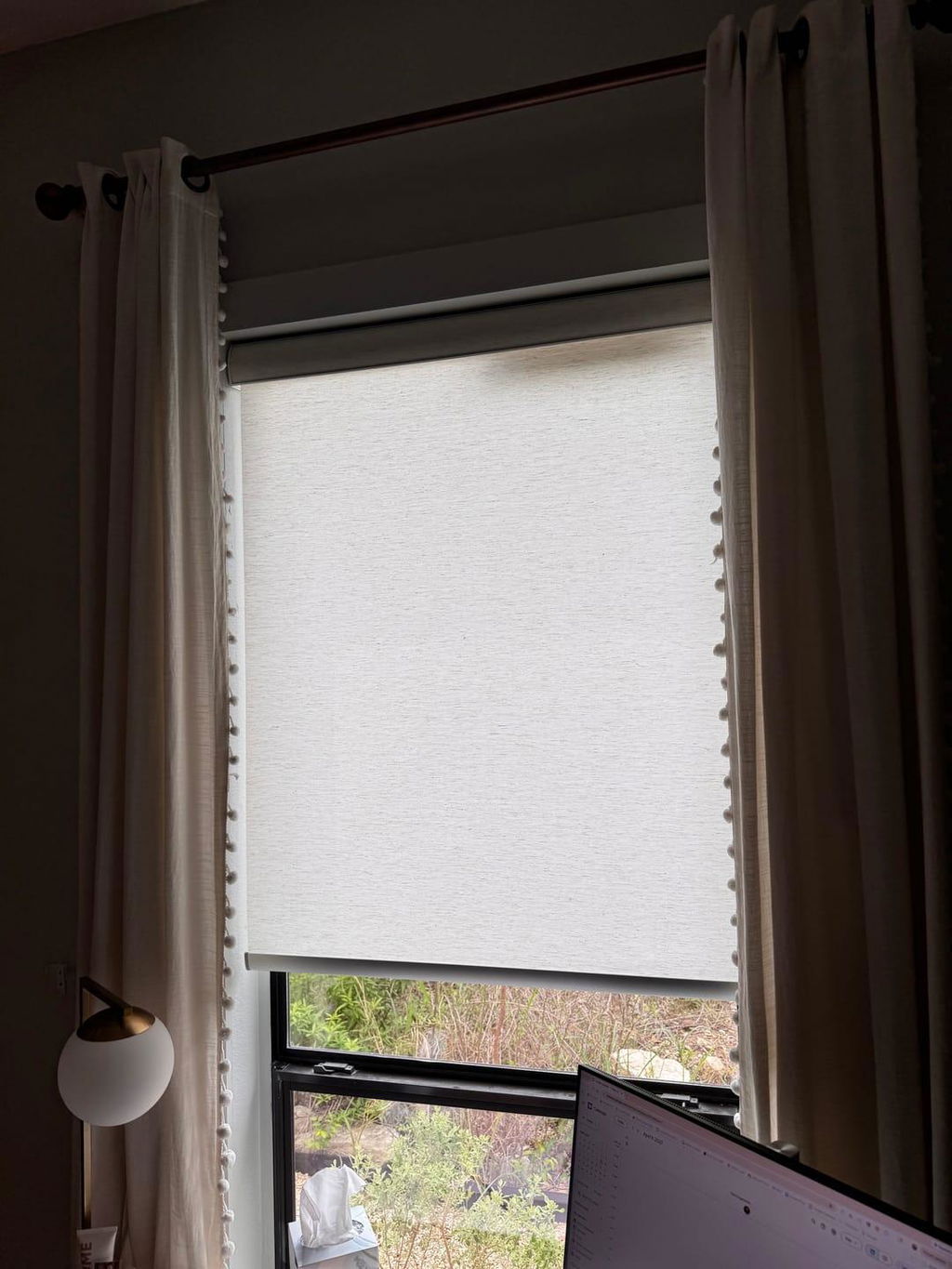
I remember standing in my living room three years ago, clutching a quote for custom Roman shades that cost more than my first car. I wanted that soft, tailored look, but I also needed to actually block the glare on my TV. The solution wasn't a compromise; it was a strategy. I realized that if I spent my money on the heavy, 300 gsm linen panels that people actually touch, I could get away with a budget stylewell roller shade to do the heavy lifting behind the scenes.
There is a specific kind of magic that happens when a 96-inch drop of high-quality fabric meets a functional base layer. It creates a depth that single-layer treatments just can't mimic. My guest room currently sports a pair of velvet drapes that feel like a hug, but tucked inside the frame is a simple shade that cost less than the brass curtain rings holding up the velvet. It’s the ultimate high-low design hack.
- Invest in the 'touch' layer (the drapes) and save on the 'utility' layer (the shade).
- Always use an inside mount for your roller shades to keep the profile slim.
- Pair unlined linen with a blackout shade for the perfect bedroom environment.
- Measure for 2.5x fullness on your drapes to make the budget hardware disappear.
The High-Low Window Styling Rule I Swear By
In my years of styling, I have learned that your eyes and hands have different priorities. You want your hands to feel the weight of a premium textile, and you want your eyes to see the way light filters through a loose-weave linen. However, you don't need a luxury label on the mechanism that provides your privacy. This is where premium roller shades are great if they are the only thing on the window, but if you are layering, you can afford to go budget.
By using stylewell blinds as your base layer, you free up hundreds—sometimes thousands—of dollars for the decorative elements. I always suggest spending the bulk of the budget on the drapes because they define the height and texture of the room. The roller shade is just the silent partner. It protects your expensive rugs from UV damage and keeps the neighbors from seeing in, but it doesn't need to be the star of the show.
Why the Humble Stylewell Shade Actually Works Here
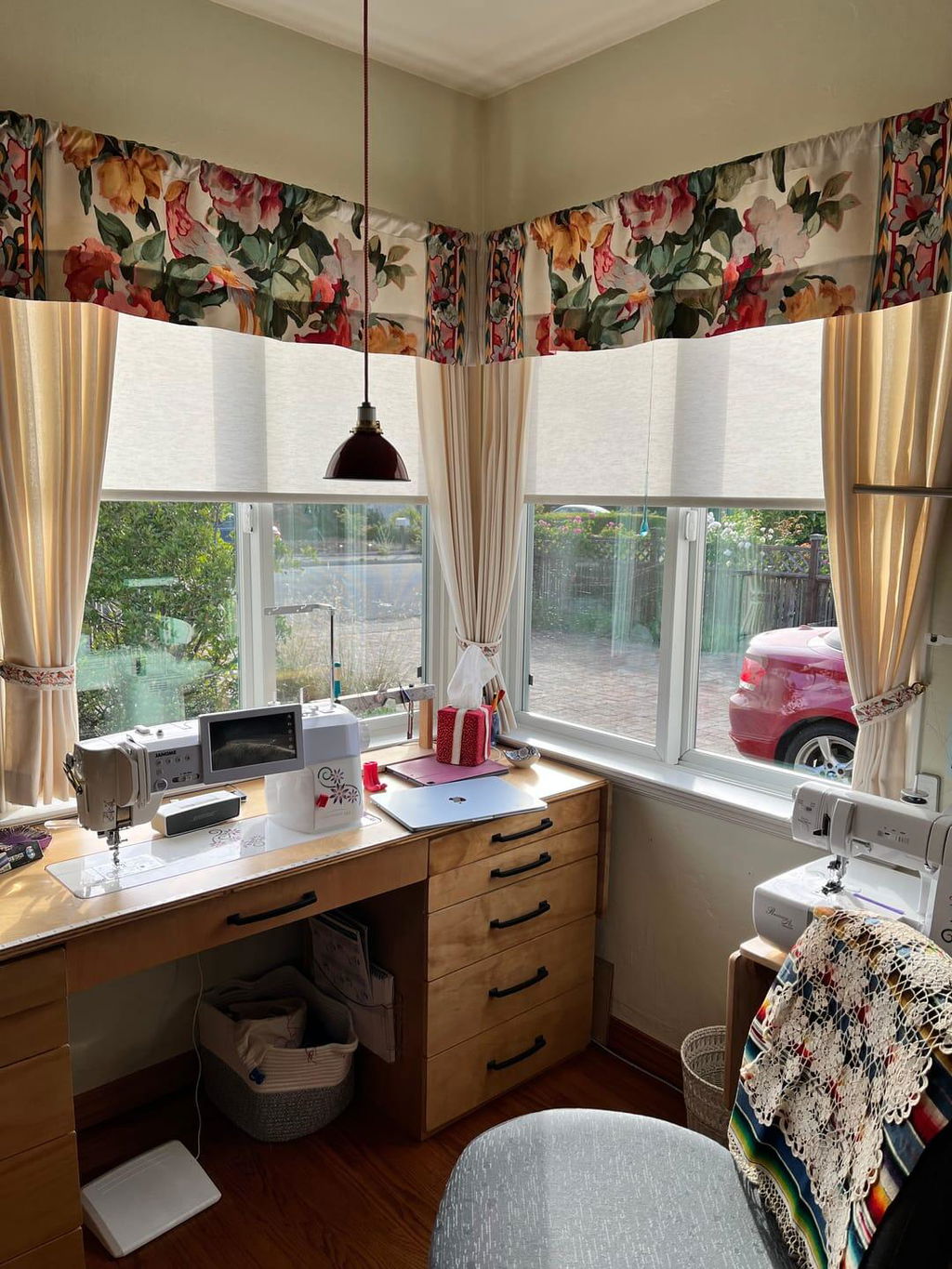
The beauty of a stylewell fabric roller shade is its minimalism. When you mount it inside the window casing, it practically disappears when raised. This is crucial because you don't want a bulky header or a thick roll of fabric competing with your drapery rod. I’ve seen beautiful rooms ruined by 'clunky' window treatments that fight for space; a slim roller shade avoids that entirely.
Because these shades have such a low profile, they don't interfere with the 'stack' of your drapes. You can pull your curtains closed without hitting a protruding bracket. I usually opt for the cordless versions—not just for safety, but because it keeps the look clean. No dangling plastic chains to get tangled in your expensive pleats. It’s a clean, architectural look that feels deliberate rather than cheap.
Picking the Right Opacity: Light Filtering vs. Blackout
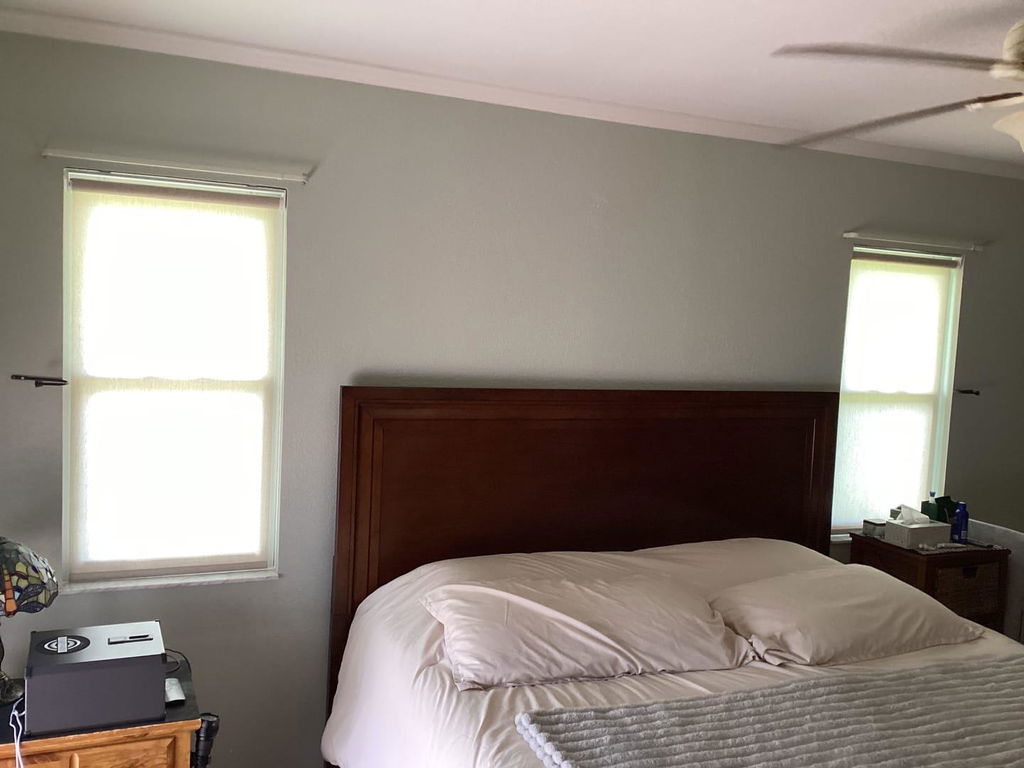
This is where the strategy gets specific. If you’ve fallen in love with airy, unlined linen drapes, you know they offer zero privacy at night. Layering a stylewell blackout roller shade behind them gives you the best of both worlds. You get that ethereal, glowing look during the day, and total darkness when you’re ready to sleep. It beats the 'stiff' look of heavy blackout-lined drapes every single time.
In smaller rooms where you might be tempted to skip the drapes to save space, I still advocate for a quality shade. Sometimes fabric blackout shades instead of bulky drapes are the right call to keep a room feeling open. But if you have the wall space, the layer of a stylewell shades unit behind a soft fabric panel creates a hotel-level finish that feels incredibly expensive.
How to Layer So Nobody Knows You Saved Money on Hardware
The secret to making budget shades look custom is all in the installation. First, ensure you have enough depth for an inside mount. This keeps the roll flush with the window frame. Then, hang your drapery rod 'high and wide'—usually 4 to 6 inches above the window trim and extending 8 to 10 inches past the frame on each side. This trick makes the window look massive and ensures that when the drapes are open, they completely frame the window without covering the glass.
When the drapes are open, the stylewell roller shade is barely visible. When they are closed, the shade provides the structure. I actually shared a story about this when I put a Stylewell roller shade in my guest room and my mother-in-law asked if I had the whole set custom-made. She couldn't tell the difference because the 'visible' parts—the rod and the fabric—were high-end, while the 'functional' part was purely budget-friendly.
When to Splurge on Motors (And When to Stick to Budget)
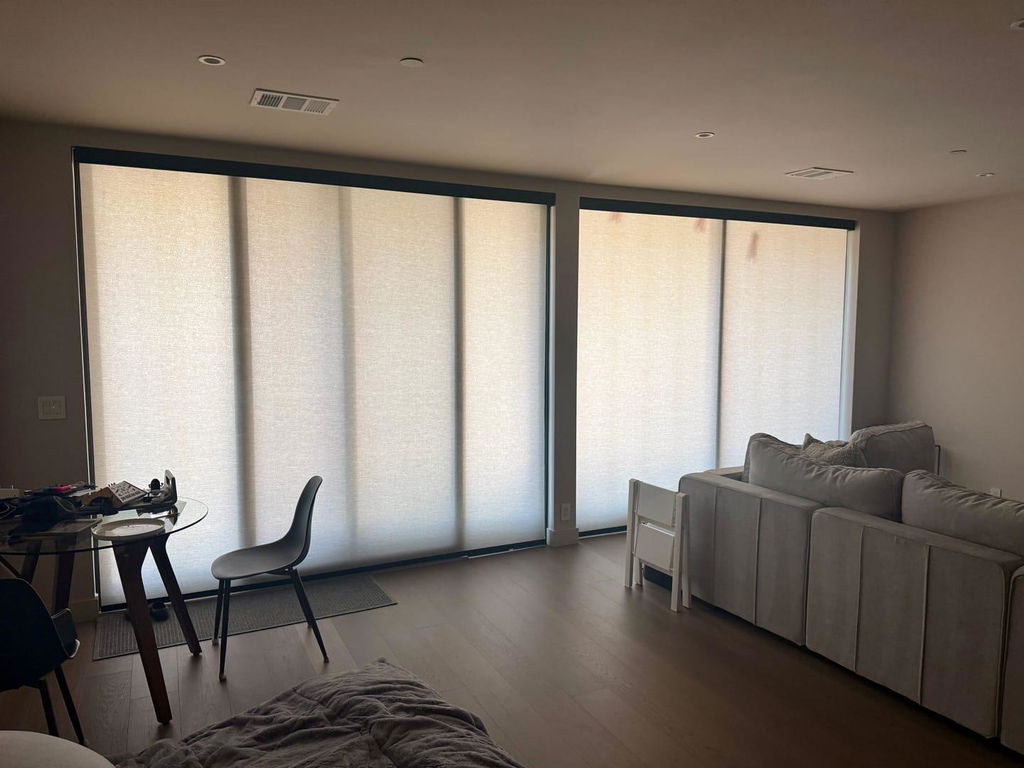
Now, I’m a fan of a deal, but I’m also a fan of logic. If you have a window that is ten feet off the ground or a primary bedroom with six windows in a row, a manual shade is going to become a chore. In those cases, you might want to look into motorized dual roller shades. There is nothing quite like hitting a button from bed and watching the room fill with light.
However, for a standard bedroom or a living room where you only adjust the shades once a day, the manual stylewell roller shade is unbeatable for the price. Use the money you saved on the motors to buy the extra-long brass rod or the hand-forged rings. Those are the details you’ll notice every single morning.
FAQ
Do Stylewell shades look cheap next to luxury drapes?
Not if you use an inside mount. Because the roll is tucked away within the window frame, the only thing people see is the fabric of the shade itself, which is clean and neutral. It acts as a backdrop rather than a focal point.
Can I install these myself?
Absolutely. It usually takes two brackets and four screws. I’ve installed three of these in under twenty minutes on a Sunday afternoon. Just make sure your measurements are exact to the 1/8th of an inch for that snug inside-mount fit.
How do I clean a fabric roller shade?
A vacuum with a brush attachment is your best friend. For small spots, a damp cloth with a tiny bit of mild dish soap works, but don't soak it. The goal is to keep the fabric stiff and crisp so it rolls evenly every time.