Why I Finally Caved and Bought a Cellular Shade Top Down Bottom Up
I spent most of my twenties being a total window treatment snob. To me, the only acceptable way to dress a window involved heavy brass rods, 100% Belgian linen with a 2.5x fullness, and a perfectly broken-in floor puddle. I viewed anything with a mechanical cord as a design failure. But then I moved into a 1920s bungalow where the primary bedroom window sits exactly four feet from a very busy sidewalk. I realized very quickly that my romantic, sheer linen panels were essentially a stage curtain for the neighborhood. I was living in a goldfish bowl, and I needed a solution that didn't involve living in a dark cave.
- Total Privacy: Block the street-level view while keeping the top half of the window open for sky and trees.
- Energy Efficiency: The honeycomb structure traps air, acting as a buffer against drafty old window frames.
- Light Control: Diffuse harsh afternoon glare without losing natural daylight.
- Low Profile: When fully raised, they virtually disappear into the window header.
Confession Time: I Used to Hate Honeycomb Blinds
There, I said it. For years, I associated cellular shades with 1990s dental offices and sterile suburban flips. I hated the 'crunchy' sound they made and the way the cheap plastic versions looked like literal accordions stuck to the glass. Designers usually avoid them because they lack the texture of a woven wood or the softness of a Roman shade. They felt utilitarian, almost clinical.
My bias was rooted in those old-school, bottom-up-only models that always seemed to hang crooked. I didn't think they could ever look high-end. I wanted soul; I wanted character. But after three nights of realizing the local dog walkers could see my entire skincare routine, my designer pride started to crumble. I needed something that worked harder than a piece of fabric on a pole. I needed a cellular shade top down bottom up to save me from my own floor plan.
The First-Floor Privacy Dilemma That Broke Me
The breaking point came on a Tuesday morning. I was trying to get dressed, and I realized I was crouching below the windowsill like I was in a trench. If I closed my heavy drapes, I had to turn on the overhead lights at 9:00 AM, which felt depressing. If I left them open, I was on display. I tried 'cafe curtains,' but they felt too farmhouse for my vibe and didn't provide enough light control at the top of the frame.
I finally admitted that a top down cellular shade was the only mechanical solution. It allows you to drop the top section of the shade down to the middle of the sash. This effectively 'crops' the view. You can Hate Your View Try Cellular Window Shades Top Down Bottom Up to hide the dumpster or the sidewalk while still letting the morning sun hit your ceiling and bounce deep into the room. It changed the entire energy of the space. Suddenly, I had privacy and a view of the oak trees, without the view of the traffic.
The Magic of 'Floating' Up Down Honeycomb Shades
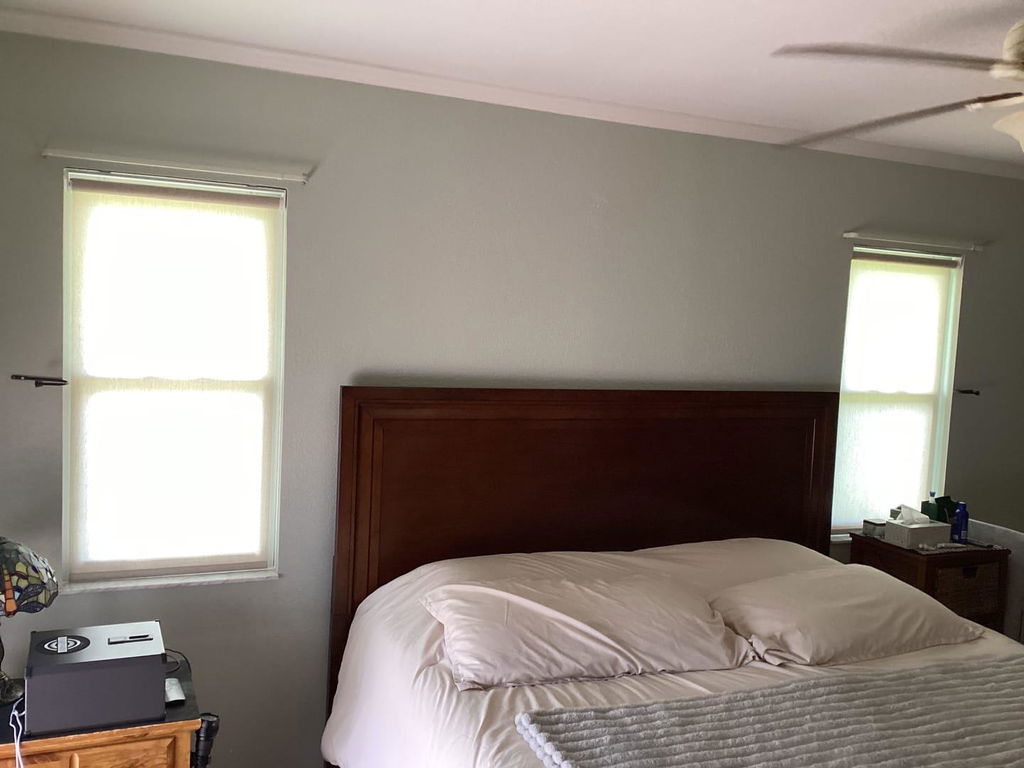
Once I got over my ego, I started looking at the actual engineering of modern up down honeycomb shades. The 'floating' capability is the real winner here. You aren't just choosing between open or closed; you can position the shade as a block of privacy exactly where you need it. I often leave mine floating right in the center of the window—leaving six inches of glass exposed at the top and bottom. It looks intentional and architectural rather than just 'covered.'
The modern versions of these bottom up honeycomb shades have come a long way from the plastic-y versions of my nightmares. The fabrics are now non-woven polyesters that feel like soft handmade paper. They have a crispness that looks incredible in a modern or transitional home. When I started browsing the latest Cellular Shades, I realized that the hardware has also been miniaturized. The headrails are slimmer, the cords are often hidden or non-existent, and the pleats stay sharp even after months of being compressed.
My 3 Rules for Making Honeycomb Blinds Top Down Look High-End
If you are going to embrace the honeycomb shades top down bottom up lifestyle, you have to style them correctly. You can't just slap them up and expect them to look like a magazine spread. You have to treat them as the 'workhorse' layer of a multi-part window treatment.
Rule 1: Never Let Them Stand Alone
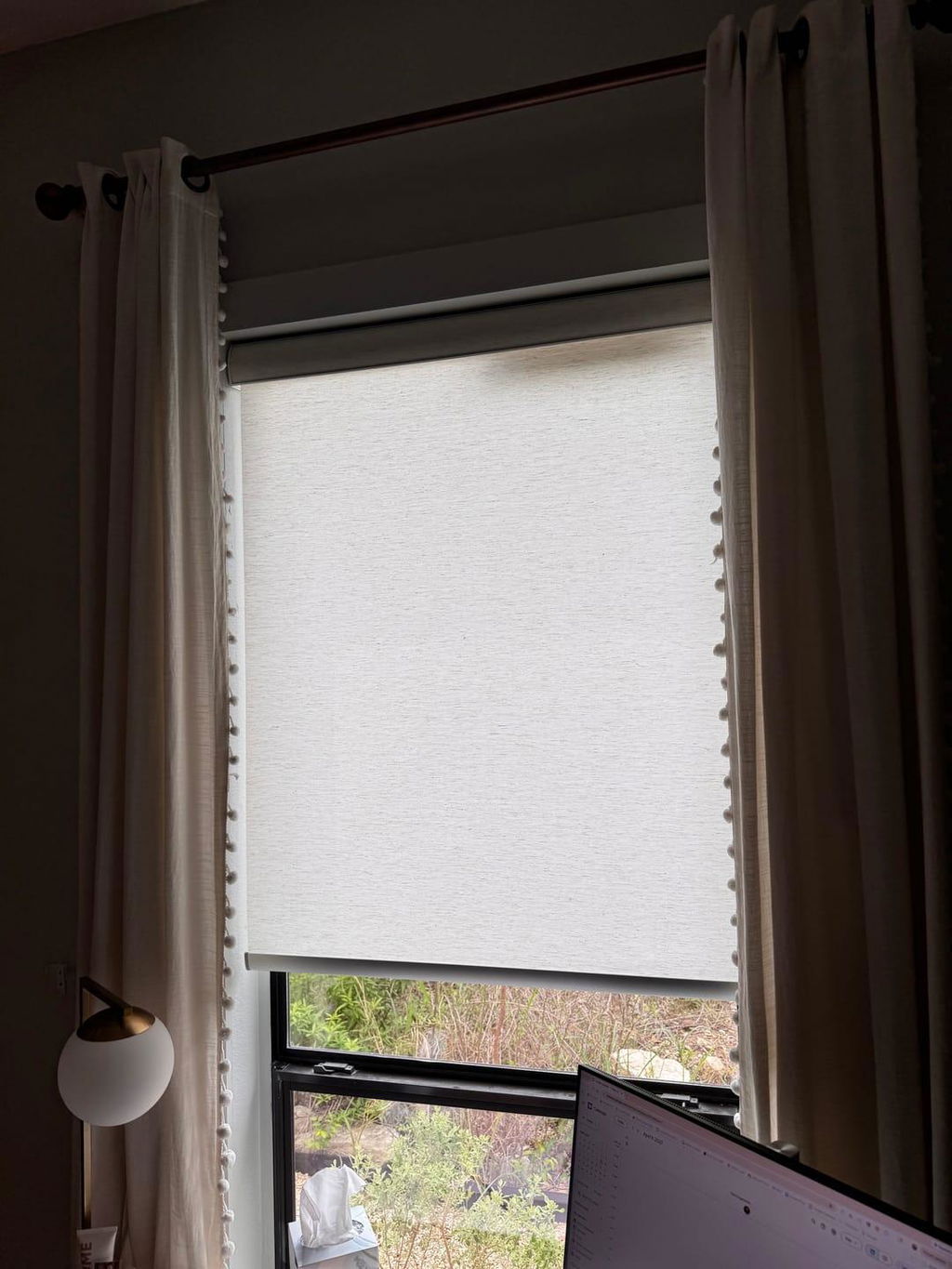
A honeycomb blinds top down installation can look a bit naked on its own. The side gaps required for operation can sometimes look unfinished. I always layer mine under a pair of stationary drapery panels. I used a 200 gsm linen-blend drape in a soft oat color, hung about 6 inches outside the window frame. The fabric softens the rigid horizontal lines of the pleats and hides the light gaps at the edges. It’s the difference between a room that looks like an office and a room that looks like a home.
Rule 2: Color Match to Your Trim, Not Your Walls
This is the most common mistake people make with honeycomb top down bottom up blinds. They try to match the shade to their wall color. Don't do that. You want the shade to feel like part of the window architecture. If your trim is painted Benjamin Moore 'Simply White,' choose a shade in a matching white. When the shade is fully raised (or lowered), it will visually disappear into the casing. If you match the wall and your trim is a different color, you end up with a weird 'floating block' effect that breaks the visual flow of the window.
Rule 3: Hide the Headrail (Always)
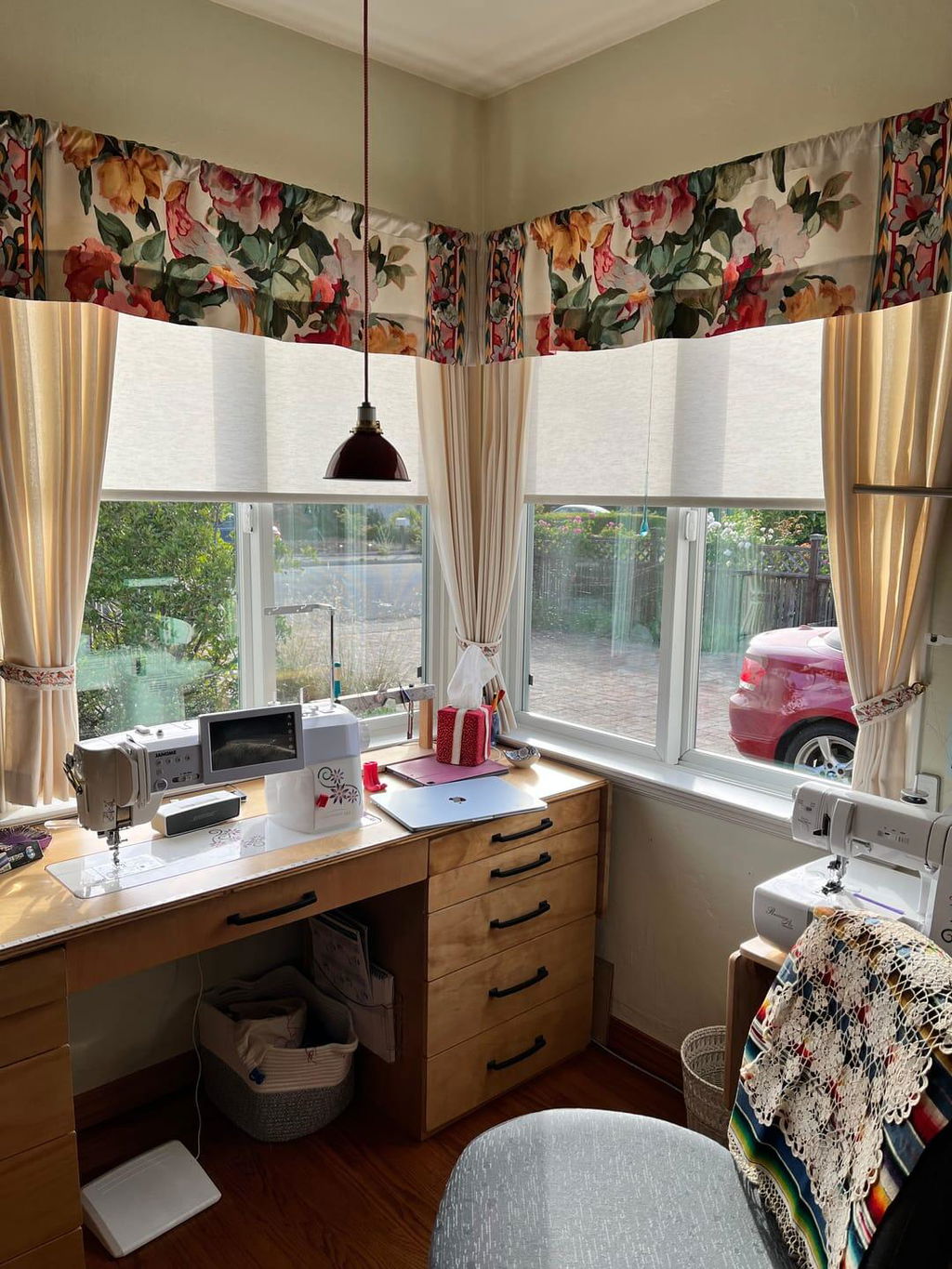
If you have the depth, always go for an inside mount. It looks much cleaner. If your window sills are shallow, you might be tempted to outside mount, but the headrail can look bulky. In that case, I suggest installing a simple, low-profile valance or even a small 'cornice' box upholstered in the same fabric as your drapes. The goal is to hide the mechanical bits so all you see is the beautiful, filtered light passing through the cells.
Are Motorized Top-Down Blinds Actually Worth the Splurge?
I went with the manual cordless 'push-pull' version for my bedroom because the window is easy to reach. However, if you have a window behind a desk or a soaking tub, motorization is a life-saver. I remember when I Fixed My Dark Home Office With Cellular Shades Top Down Bottom Up and realized I could adjust the glare on my screen with a remote without even standing up. It sounds lazy until you’re on a Zoom call and the sun starts blinding you.
The only downside? The price. Motorization can double the cost of the unit. If the window is accessible, the manual cordless versions are incredibly smooth now—no more wrestling with tangled strings or lopsided pleats. Just make sure you get the 'top down' version specifically; otherwise, you're back to square one with the privacy issue.
FAQ
Do cellular shades look cheap?
Only if you buy the low-end vinyl ones from a big-box store. High-quality versions use fabric-like materials and slim hardware that look very sophisticated, especially when layered with drapes.
Are they hard to keep clean?
Not really. I use the brush attachment on my vacuum once a month to get the dust out of the cells. If a bug gets inside a cell (it happens!), a quick blast from a hair dryer on the 'cool' setting usually blows it right out.
Do they actually help with the electric bill?
Yes. In my experience, they are the best 'non-ugly' way to insulate a window. You can actually feel the temperature difference if you stick your hand behind the shade on a cold night.