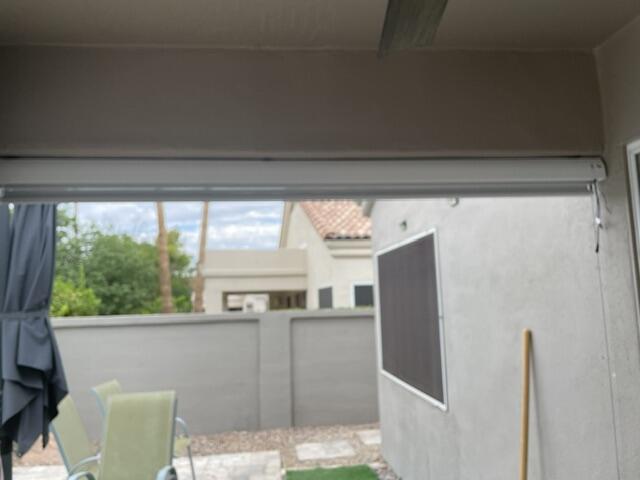
Why I Ditched the Patio Umbrella for a Permanent Structure for Shade
I remember a Tuesday in July when my three-hundred-dollar 'heavy-duty' umbrella decided to take flight during a sudden afternoon thunderstorm. It didn't just tip; it performed a graceful, terrifying arc over the fence, nearly decapitating a neighbor’s ceramic planter before impaling itself in their lawn. It was the third umbrella I’d bought in two seasons. I realized then that I was treating my patio like a temporary campsite rather than an extension of my home’s architecture. That’s when I finally committed to a permanent structure for shade.
The morning sun hitting a well-placed canopy feels different than the patchy, flickering light of a tilting umbrella. It’s the difference between a linen curtain that grazes the floor and a cheap tension rod that falls every time you pull the fabric. A real structure changes the gravity of the yard. It stops being a patch of concrete and starts being a room.
- Permanent structures handle high-wind zones where umbrellas become liabilities.
- Architectural shading increases property value and creates a true 'outdoor room' feel.
- Commercial-grade fabrics offer superior UV protection compared to retail-grade polyester.
- Integrated systems allow for side-shading to block low-angle evening glare.
- Industrial-strength frames require zero daily setup or storage during the off-season.
The Graveyard of Flimsy Patio Umbrellas
Walk through any suburban neighborhood after a windy weekend and you’ll see them: the bent aluminum ribs, the faded canvases, and the heavy plastic bases that were supposed to hold everything down but failed. My own 'graveyard' lived behind the shed. I had the classic market umbrella, the cantilevered one that wobbled if a hummingbird flew too close, and the cheap pop-up that lasted exactly one birthday party.
Beyond the breakage, there’s the visual clutter. When you have a large patio, you often end up with three or four umbrellas scattered around like giant, mismatched mushrooms. It breaks up the sightlines. From a design perspective, it’s chaotic. A shade structure provides a singular, clean horizontal or angled plane that mimics a ceiling. It grounds the furniture. Suddenly, your outdoor sofa doesn't look like it’s floating in a parking lot; it looks like it belongs in a lounge.
We also have to talk about the 'umbrella dance.' You know the one—where you’re constantly standing up to crank the handle or tilt the head as the sun moves every twenty minutes. It’s the opposite of relaxing. A large outdoor shade structure solves this by covering the entire footprint of your living area. You set the furniture, you sit down, and you stay in the shade from lunch until cocktail hour.
What Exactly Defines a Real Structure for Shade?
When I talk about a structure shade, I’m not talking about those flimsy gazebos with the mosquito netting from the big-box stores. I’m talking about heavy duty shade structure systems—things built with commercial steel shade structures or thick-gauge aluminum. These are shading structures designed to stay up through the winter and withstand 90mph gusts.
The anatomy usually consists of four main components: the footings, the uprights, the frame, and the tensioned fabric. A shade cloth structure uses high-density polyethylene (HDPE) mesh that is pulled taut. This isn't just a loose tarp thrown over some poles. It’s a canopy shade structure where the fabric is under thousands of pounds of tension, making it look as solid as a roof but with the breathability of a textile. These sun shade systems often use a commercial shade cloth that filters out 95% of UV rays while letting heat escape through the weave.
Then you have the overhead shade structure options like a commercial shade canopy. These often feature cantilevered canopies, which are a personal favorite for small patios. Because the support posts are only on one side, you don't have poles interrupting your flow or blocking your view of the garden. It’s an architectural flex that makes a residential shade structure feel like a high-end resort.
Borrowing Tricks from the Commercial Shade Industry
Have you ever noticed how you can sit outside at a luxury hotel in 90-degree heat and feel perfectly comfortable? It’s because they don’t use residential gear. The shade industry has been perfecting commercial shade for decades, and smart homeowners are finally catching on. We are seeing a massive shift toward industrial shade structures in backyards because they simply work better.
A commercial sun shade is designed for 'set it and forget it' durability. This means industrial shade materials that don't rot, mold, or fade to that weird dusty purple color after one summer. When you look at a commercial shade sail or a commercial sun sail, you’re looking at stainless steel hardware and reinforced corners. It’s professional shade. By installing a commercial patio shade at home, you’re essentially buying a 20-year solution instead of a 2-year headache.
Even industrial sunshade applications—the kind you see over school playgrounds or car dealerships—are being adapted into unique shade structures for modern homes. A parachute shade structure or a series of overlapping commercial sun sails can create a sculptural element that looks like art while providing massive amounts of commercial sunshade coverage.
Matching a Canopy to Your Home's Architecture
The biggest mistake I see is a 'style mismatch.' You have a sleek, mid-century modern home and you put up a rustic cedar pergola. Or you have a traditional colonial and you strap a neon-blue sun shade sail commercial to the siding. It looks like an afterthought. If you want a sun shade structure to look high-end, it has to speak the same language as your house.
For modern homes, I love industrial shade sail designs with black steel hardware. The sharp angles and clean lines of a sunshade structures setup complement minimalist architecture. If your home is more traditional, consider a commercial permanent canopy with a structured frame that mimics the pitch of your roof. The goal is to make the canopy structures look like they were part of the original blueprints.
One trick I always use is adding verticality. A commercial sun shade canopy is great for overhead protection, but the sun is rarely directly above you. I often recommend adding outdoor shades 5 openness to the sides of the structure. This allows you to roll down a screen when the sun hits that 4 PM 'glare zone,' effectively turning your shade canopy commercial setup into a private, screened-in porch at the touch of a button.
Will a Giant Canopy Block the Summer Breeze?
This is the number one fear my clients have. They think a large shade structure will act like a giant lid, trapping hot air and making the patio feel like an oven. The reality is the exact opposite—if you choose the right materials. Unlike a solid roof or a cheap plastic tarp, a shade cloth structure is breathable.
High-quality industrial sun shade fabrics are engineered with a porous weave. As the sun heats the air under the canopy, the hot air rises and passes right through the fabric. This creates a natural 'chimney effect' that actually pulls a breeze across the patio. When you use a breathable outdoor sun shade for patio, you can see a temperature drop of up to 20 degrees underneath. It’s not just about blocking light; it’s about thermal management.
The height of your shades structure also matters. I always suggest a minimum clearance of nine feet. This allows for plenty of cross-ventilation. If you go too low, you feel claustrophobic. If you go high with a commercial sun sail, you maintain that airy, open-concept feeling while still being protected from the 'bite' of the sun.
When to Stop DIYing and Call a Sun Shade Company
I am all for a weekend project, but there is a limit. If you’re looking at a cheap shade structures kit from a discount site, you’re likely getting what you pay for: thin poles and fabric that will sag after the first rain. A prefab shade structure can work for small spaces, but for anything over 150 square feet, you need to talk to a sun shade company or a sun shade manufacturer.
When you move into the realm of industrial shade canopy or commercial steel shade structures, you’re dealing with significant wind loads. A 20x20 heavy duty shade structure can act like a massive sail; if it isn’t anchored into deep concrete footings, it can literally rip out your landscaping or damage your home’s foundation. This is where shade structures usa specialists come in. They calculate the engineering requirements for your specific zip code.
Investing in shade products from a professional ensures that the tension is correct and the drainage is planned. No one wants a commercial shade canopy that turns into a giant water balloon every time it drizzles. Whether you want a unique shade structures design or a standard commercial outdoor shade structures setup, getting it done right the first time is cheaper than replacing a DIY fail three times over. To find the right fit for your footprint, explore all your shade solutions and stop settling for umbrellas that don't do the job.
FAQ
Will a permanent shade structure make my house interior dark?
Not if you place it correctly. I usually suggest mounting the structure for shade a few feet away from the house or using a commercial sun sail that angles away from your windows. This blocks the high-summer sun from hitting your glass (lowering your AC bill!) while still allowing ambient light to bounce into the room.
Can I leave a shade cloth structure up during the winter?
If you have a heavy duty shade structure designed for it, yes. However, if you live in an area with heavy snow, you should either choose a frame engineered for snow loads or select a shade canopy commercial model with a 'quick-release' system that lets you take the fabric down in ten minutes while leaving the steel frame standing.
How do I clean industrial shade fabric?
Forget the dry cleaners. Most commercial shade cloth can be cleaned with a garden hose and a mild soap solution. Because it’s a synthetic mesh, you don't have to worry about it shrinking. Just don't use a power washer on high—you can blow out the weave if you aren't careful.