Why I Ditched Floor-Length Drapes for Living Room Modern Roman Shades
I remember standing in my living room at 4 PM on a Tuesday, staring at my 96-inch velvet drapes and feeling like the walls were closing in. They were beautiful, sure, but they were also expensive dust magnets that ate up eighteen inches of wall space on either side of the window. In a room where every square foot counts, those heavy panels felt less like a design choice and more like a weighted blanket I couldn't escape. That was the day I decided to swap the bulk for living room modern roman shades, and I’ve never looked back.
Quick Takeaways
- Clear the floor to make small rooms feel double the size instantly.
- Stick to linen blends (250-300 gsm) for that crisp, high-end structure.
- Inside-mount is the secret to showing off expensive window casing.
- Flat folds are for modernists; relaxed folds are for your grandmother’s cottage.
The Problem With Puddling Drapes in Contemporary Spaces
We’ve been told for decades that curtains need to 'kiss' the floor or, worse, 'puddle' like a ballgown. In a drafty Victorian manor, that makes sense. In a modern home with clean lines and low-profile furniture, it’s a visual bottleneck. Heavy drapery panels consume valuable square footage and hide the very architectural details—like beautiful baseboards or custom trim—that you paid for.
Beyond the aesthetics, there is the practical nightmare. If you have a dog that sheds or a robot vacuum that treats fabric hems like an all-you-can-eat buffet, floor-length drapes are a liability. They get grey at the bottom, they catch every stray hair, and they break the vertical flow of the room by creating a literal wall of fabric where there should be light and air.
Why Living Room Modern Roman Shades Win the Space Game
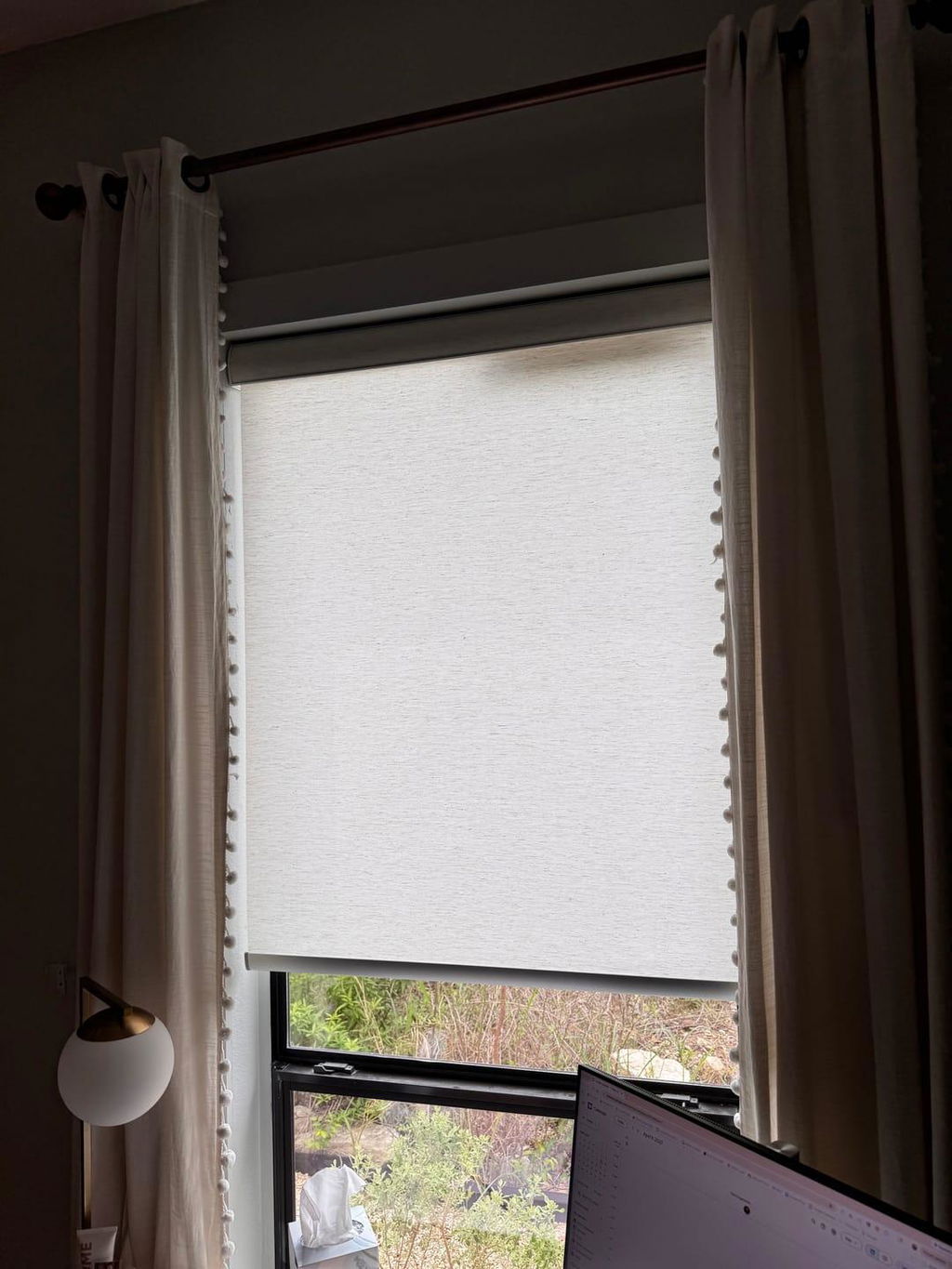
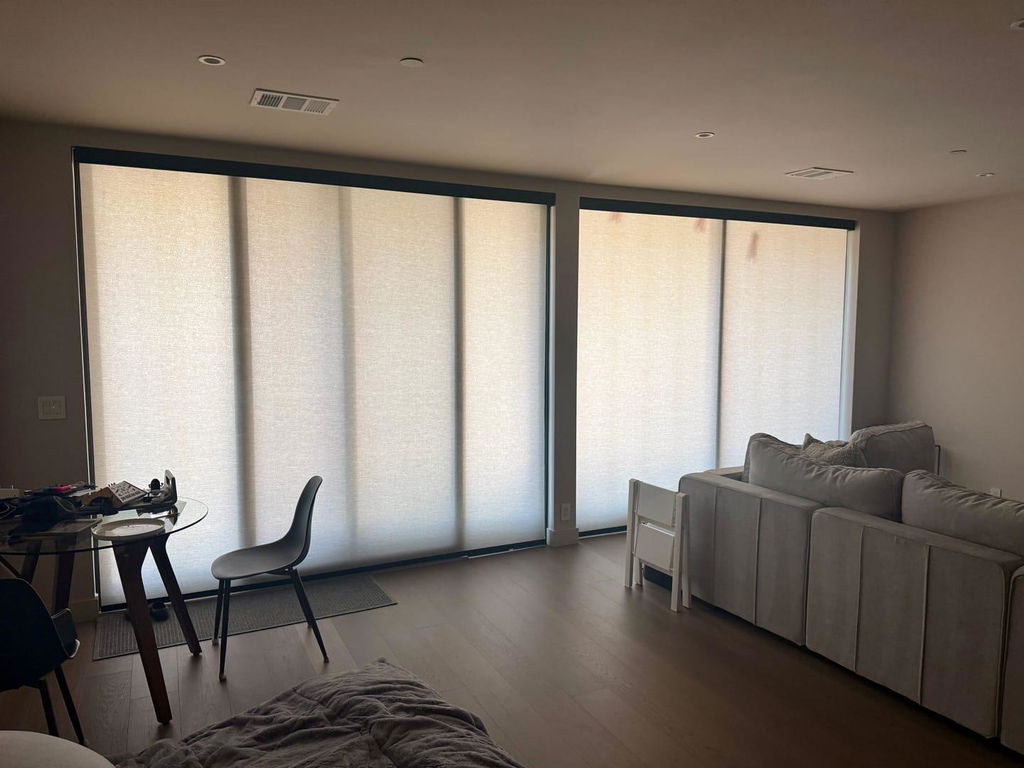
The moment I switched to an inside-mount shade, the room breathed. It’s about architectural honesty. By fitting the treatment within the window frame, you reclaim the wall space for art, a floor lamp, or just... empty space. Using modern roman shades for living room windows allows the window to be a window, rather than a stage for a fabric performance.
I realized why I chose Roman shades for living room windows after trying to squeeze a mid-century armchair into a corner that was being choked by a velvet panel. The shade stays tucked away, providing a tailored backdrop that feels intentional. It’s the difference between a bespoke suit and an oversized hoodie; both cover you, but only one actually fits.
Flat Fold vs. Relaxed: Getting the Silhouette Right
If you want a modern look, the fold type is everything. A 'flat fold' shade has horizontal stays (usually thin fiberglass or plastic rods) sewn into the back. This ensures that when the shade is raised, it stacks in perfect, crisp pleats. When lowered, it’s a flat, clean plane of fabric. This is the gold standard for anyone who likes their books aligned and their coffee table cleared.
On the other hand, 'relaxed' shades have no horizontal stays, causing the fabric to sag in the middle—a look often called a 'smile.' While it sounds charming, it often veers into shabby-chic territory that clashes with modern hardware. If you want that sharp, gallery-inspired vibe, you should browse tailored Roman shades that prioritize structure over slouch. I prefer a 280 gsm linen-cotton blend; it has enough weight to hold the fold without looking like a stiff piece of cardboard.
Wait, What About the Rest of the House?
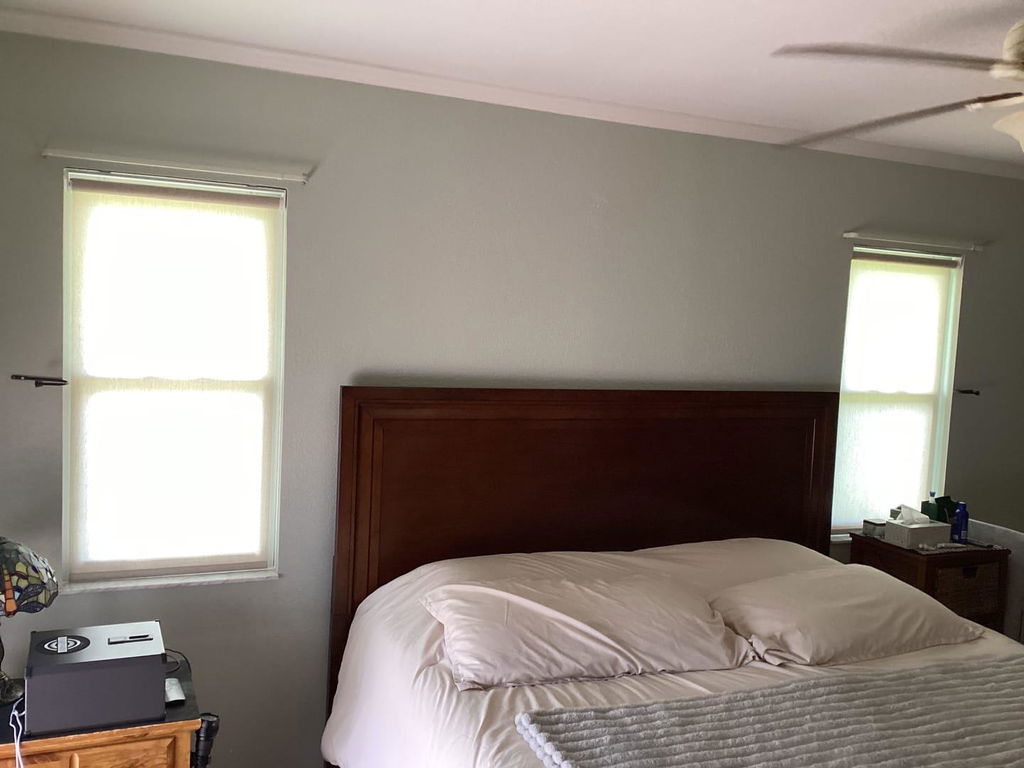
Once you see the light in the living room, you’ll want to carry that streamlined look elsewhere. Choosing modern roman shades for bedroom windows is a total logic move. Bedrooms are often smaller, and drapes can make them feel claustrophobic, especially if you have a nightstand pushed right up against the window.
In my own bedroom, I opted for a layered approach. I used a blackout-lined Roman shade for the heavy lifting of sleep, but the versatility of day night shades is a better move for most. These systems allow you to have a sheer layer to filter that harsh 8 AM sun while keeping a secondary blackout layer for total darkness. It’s a clean, cordless solution that doesn't involve wrestling with four different curtain wands in the dark.
My 3 Cardinal Rules for Ordering Custom Shades
First, skip the attached valance. Many 'off-the-shelf' shades come with a little flap of fabric at the top to hide the headrail. It looks dated and fussy. A truly modern shade has a clean, exposed headrail or is tucked so neatly into the window frame that you don't see the mechanics anyway.
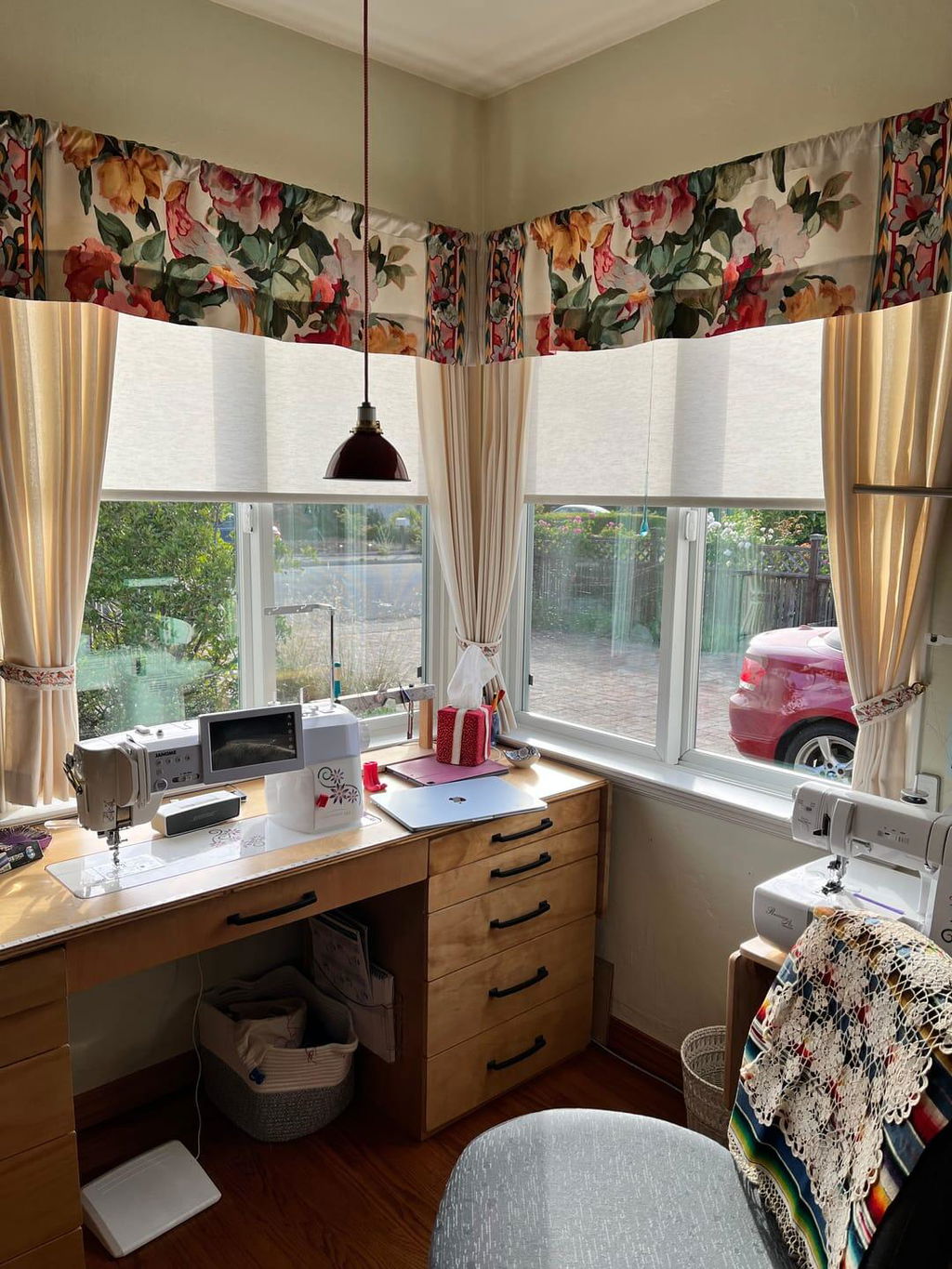
Second, prioritize texture over prints. A loud floral print on a Roman shade can quickly look like a kitchen apron from the 1970s. Instead, go for a textured solid—think oatmeal linen, charcoal weave, or a subtle herringbone. These catch the light and provide depth without screaming for attention.
Third, the inside-mount measurement must be perfect. I once tried to 'eyeball' a measurement and ended up with a half-inch gap on the left side. Every time the sun hit that window, a laser beam of light would pierce through and hit me right in the eye while I tried to watch TV. Measure at the top, middle, and bottom of the frame, and use the smallest width. Precision is the difference between a 'DIY project' and a 'designer install.'
Personal Experience: The Linen Lesson
I’ll be honest: I once bought 100% raw linen shades without a liner because I loved the way they looked in the sun. Big mistake. Within one summer, the sun had literally 'eaten' the fibers, and the fabric started to go brittle. Now, I always opt for a high-quality cotton lining. It protects the face fabric and gives the folds that necessary 'pop' so they don't just hang limp like a wet towel.
FAQ
Can Roman shades be washed?
Rarely. Most high-end fabrics will shrink or lose their shape in a washing machine. Spot clean with a damp cloth or use the upholstery attachment on your vacuum. For a deep clean, professional dry cleaning is the only way to go.
Should I choose inside or outside mount?
If you have beautiful wooden trim or deep window sills, go inside mount. It’s cleaner. If your windows are 'contractor grade' with no trim, or if you need to hide a window that isn't level, an outside mount can mask those flaws.
Are they safe for homes with kids?
Absolutely, as long as you go cordless. Modern Roman shades use hidden rear cords and motorized or tension-based lift systems, removing the old-school dangling cord loops that were a safety hazard.