Why I Always Specify Roman Blinds for Small Windows (Instead of Drapes)
I remember staring at a 24-inch wide window in my first apartment’s galley kitchen. I tried hanging a standard 50-inch curtain panel there, thinking it would look 'soft.' Instead, it looked like a bedsheet was caught in the pantry door. That was the day I realized roman blinds for small windows aren't just an option—they're a architectural necessity. When you're dealing with limited real estate, every square inch of glass matters, and the wrong fabric choice can make a room feel like a claustrophobic closet.
Quick Takeaways
- Roman shades offer a tailored, 'built-in' look that curtains can't replicate on small frames.
- Inside mounts maximize space, while outside mounts can 'fake' a larger window size.
- Flat folds are the best low-profile option to keep the fabric stack from blocking your light.
- Linen and cotton blends provide the best drape without overwhelming a narrow space.
The Problem With Dressing Awkward, Tiny Windows
Small windows are the 'difficult middle child' of architecture. They're often tucked into weird corners, squeezed between kitchen cabinets, or positioned directly over a bathroom toilet where floor-length fabric is a literal trip hazard. The most common mistake I see is homeowners panicking and buying those generic, plastic mini blinds from a big-box store. They look like a dorm room and provide zero personality. Or worse, they try to force a heavy drape onto a narrow frame, resulting in a 'roman shade small window' situation that looks cluttered rather than cozy.
When a window is narrow or short, it needs a treatment that respects its boundaries. Trying to cover a tiny pane with bulky panels just swallows the wall and makes the window look even smaller than it actually is. This is where custom Roman Shades come in. They offer a clean, rectangular silhouette that mimics the window's own lines. By using a structured shade, you're not just covering the glass; you're adding a layer of intentional design that feels like it was part of the original blueprint.
I’ve spent years convincing clients that 'less is more' when it comes to awkward glass. A well-fitted shade provides privacy and light control while keeping the surrounding wall space clear for art, shelving, or just breathing room. It’s about creating a focal point that doesn't scream for attention but quietly completes the room's aesthetic.
Why Drapes Look Ridiculous on Narrow Frames
Design is largely a game of proportions. When you hang a pair of drapes on a window that is only 20 inches wide, the physics just don't work. Even the slimmest curtain panels have 'stack back'—the amount of space the fabric takes up when it’s pushed open. On a narrow window, that stack back often covers half the glass. You end up living in a perpetual twilight because your curtains are eating all your natural light. It makes the whole room feel heavy and unbalanced.
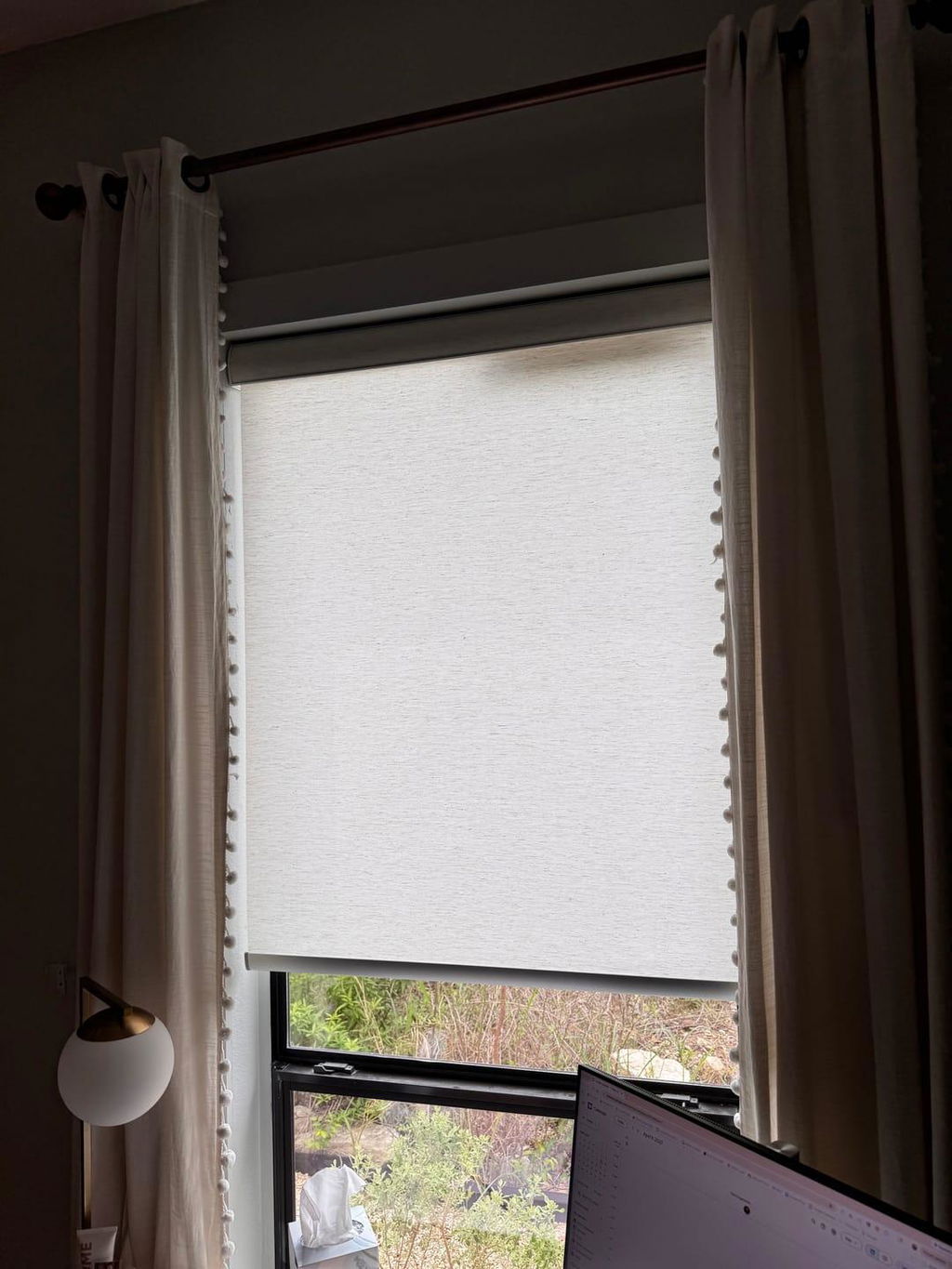
A narrow roman shade, however, stays exactly where it belongs. Because it operates vertically rather than horizontally, you don't have fabric bunching up at the sides. This is why I almost always specify roman shades for narrow windows in hallways or flanking a fireplace. It keeps the lines clean. You get that beautiful textile moment—the touch of linen or the pop of a pattern—without the visual weight of a rod and two hanging panels.
Think about the silhouette. A curtain rod extending past a tiny window often looks like an afterthought. A roman shade fits inside the trim or sits precisely over it, creating a crisp, geometric look. It’s the difference between a tailored suit and an oversized hoodie. Both cover the body, but only one looks like it was made for you.
Choosing the Right Fold (So You Don't Block the Glass)
The biggest fear my clients have is that the fabric will block the view when the shade is raised. It’s a valid concern. If you choose a 'hobbled' fold—where the fabric loops over itself in permanent folds—the stack at the top can be 8 to 10 inches deep. On a short window, that’s half your view gone. This is why low profile roman shades are the secret weapon for any small roman shade project. You want a flat fold or a plain fold that stacks tightly against the headrail.
I usually recommend a flat fold for anything under 30 inches wide. It’s modern, it’s sleek, and it has the smallest stack height. When you pull it up, it tucks away into a neat bundle that barely grazes the top of the glass. If you want a bit more character, a relaxed roman (with a slight curve at the bottom) can work, but be careful—the 'smile' of the curve can sometimes dip too low into your line of sight on very short windows.
Another pro tip: check the 'stacking math' before you order. Most custom makers can tell you exactly how many inches the shade will occupy when fully raised. If your window is only 36 inches tall, you really can't afford a 10-inch stack. Aim for a stack of 6 inches or less to keep the room feeling bright and airy.
Inside Mount vs. Outside Mount for Squat Windows
The mounting decision is where you can really play with the room's proportions. If you have beautiful, deep wood trim, an inside mount is the way to go. It keeps the shade tucked into the window casing, highlighting the architecture. This is my go-to for 'roman shades for short windows' that are part of a classic or craftsman-style home. It feels tidy and expensive.
However, if your window is 'squat'—meaning it’s wider than it is tall and feels a bit stunted—you should go with an outside mount. Here’s the designer trick: mount the shade 4 to 6 inches above the actual window frame. When the shade is partially lowered, it hides the top of the window and the wall above it, tricking the eye into thinking the window starts much higher up. It’s an instant ceiling-lifter.
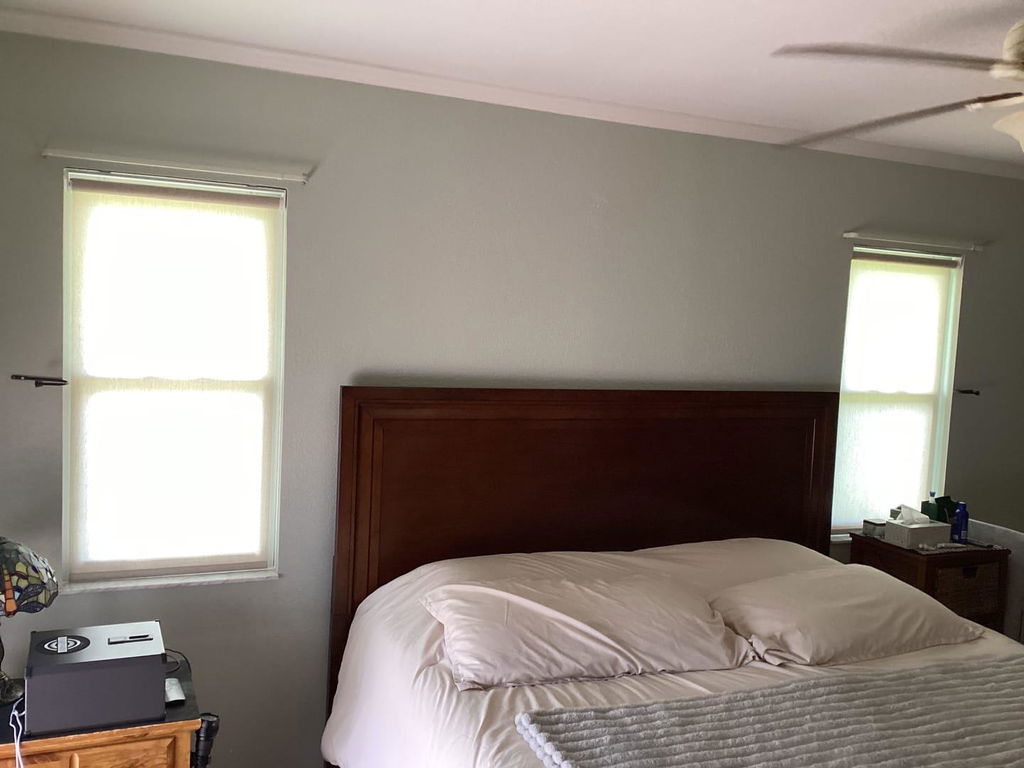
For outside mounts, make sure the shade extends about 1 to 2 inches past the trim on either side. This prevents 'light gaps' and ensures total privacy. It also gives the shade enough presence to hold its own on the wall. I’ve used this trick in countless basement renovations where the windows are high and small; it turns a 'basement window' into a legitimate design feature.
Navigating Cords and Tech in Tight Spaces
Functionality is just as important as aesthetics. If you’re installing a shade over a deep kitchen sink, reaching for a roman shade with cord can be a daily annoyance. You’re leaning over a wet counter, stretching to find the pull. In these cases, I often suggest upgrading to a cordless or motorized system. It’s safer for kids and pets, and it keeps the look even cleaner.
For windows that are roughly roman shades 45 inches wide, you’re at a mid-size point where the weight of the fabric starts to matter. A corded system is fine here, but if the window is in a high-traffic area like a hallway, a cordless lift is much sleeker. If you’re looking for a more modern, tech-forward alternative, cordless custom double roller blinds can offer a similar low-profile look with even more functionality.
Privacy is the other big factor. If your small window is in a first-floor bathroom, you probably want light but definitely don't want the neighbors looking in. In my own home, I Swapped Frosted Window Film for Bottom Up Roman Shades because I wanted to see the sky while I was in the shower without feeling exposed. Top-down, bottom-up functionality is a lifesaver for small, street-facing windows.
My Go-To Fabrics for Small Space Shades
Not all fabrics are created equal when it comes to small scales. A heavy, plush velvet or a thick brocade will look like a stage curtain for a puppet show on a 20-inch window. It’s too much drama for too little space. I prefer crisp linens or light-filtering cotton blends. They have enough body to hold the folds of the shade but enough lightness to keep the room feeling fresh. Short roman shades in a woven wood or bamboo are also fantastic for adding organic texture to a sterile kitchen or bathroom.
If you’re working with a space that needs to transition from day to night—like a small guest bedroom—consider Day Night Shades. They allow you to have a sheer layer for the afternoon sun and a blackout layer for sleeping, all within one compact unit that doesn't overwhelm the small frame. It’s the ultimate versatility for tight quarters.
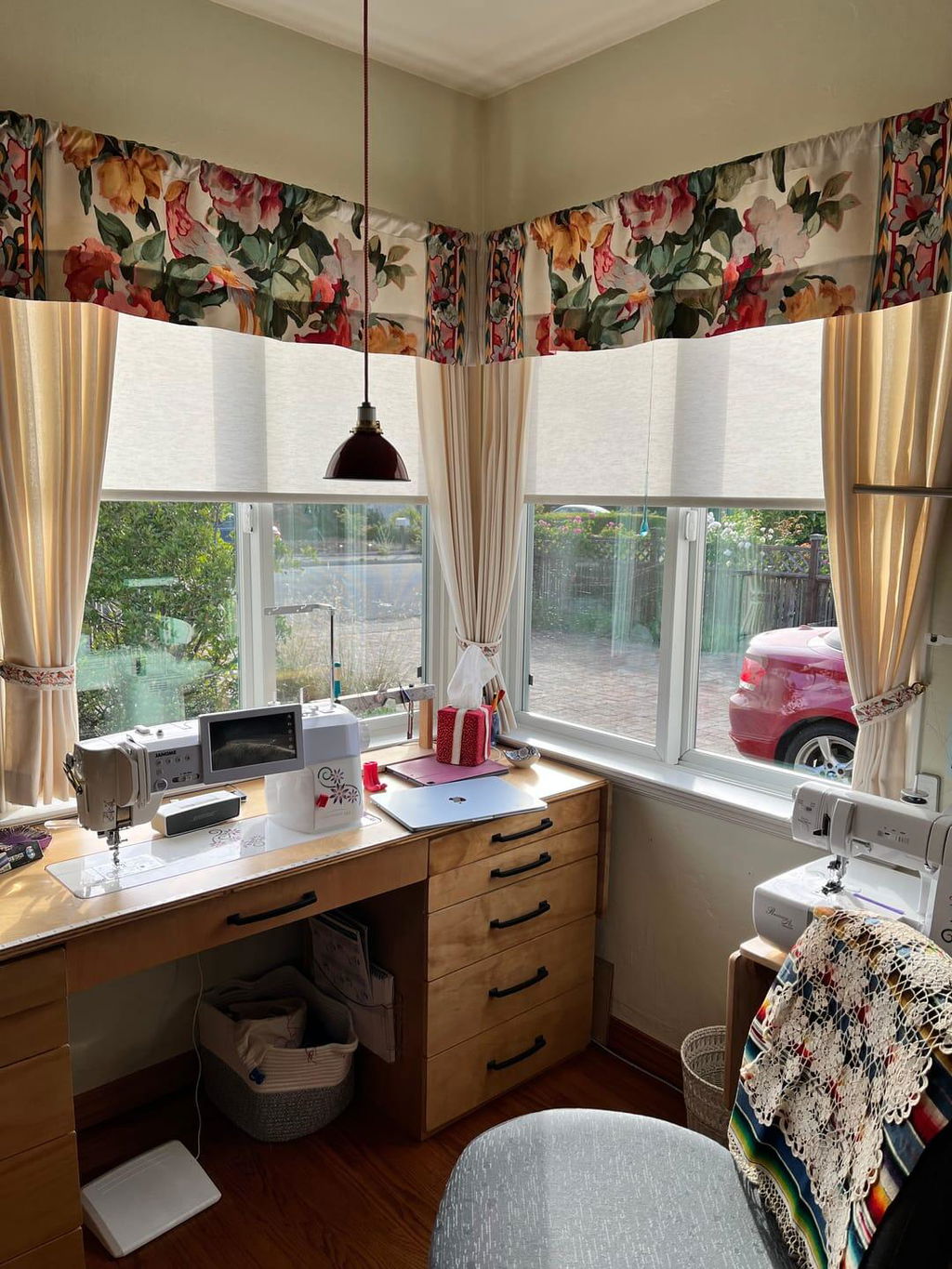
I usually stick to solid colors or very small-scale patterns for these shades. A massive floral print will get 'lost' in the folds of a small shade, whereas a subtle pinstripe or a textured weave looks intentional and sophisticated. My personal favorite is a 250 gsm linen in a soft oatmeal; it catches the 5 PM sun beautifully and turns the whole room amber.
Personal Experience: The Nursery Mishap
I’ll be the first to admit I’ve messed this up. Early in my career, I ordered a stunning navy pinstripe roman shade for a tiny nursery window. I was so focused on the fabric that I didn't account for the stack height of the hobbled fold I chose. When we installed it, the 'stack' covered nearly 40% of the glass even when fully open. The room felt like a cave. I ended up having to remount the entire thing 5 inches above the trim just so the client could actually see the trees outside. It was a midnight re-install that taught me a permanent lesson: always measure your stack, and when in doubt, mount high.
FAQ
Is it better to inside or outside mount a small roman shade?
Inside mount is better for a clean, architectural look if you have deep window casings. Outside mount is better if you want to make the window look larger or if your window is very shallow.
Are roman shades hard to clean?
Not really! Most can be vacuumed with a brush attachment. For linen or cotton, a quick steam usually gets out any wrinkles. They stay much cleaner than horizontal blinds because they don't have as many flat surfaces for dust to settle on.
Can I use roman shades in a bathroom?
Yes, but choose your fabric wisely. Avoid 100% silk which can water-spot. A moisture-resistant polyester blend or a treated cotton is much better for humid environments.