Why I Always Put a Roller Shade on Door Glass Instead of Bulky Curtains
I remember the first time I tried to hang a French rod and a heavy linen drape over my front door. It looked great for exactly twelve minutes—until the first guest arrived. The fabric got sucked into the hinge, the rod rattled like a tin can every time the door closed, and by the end of the week, there was a permanent grey smudge at knee-height from my dog’s tail. It was a high-maintenance mess in a high-traffic zone.
That was the day I realized that a roller shade on door glass isn't just a utilitarian choice; it’s a design necessity. When you’re dealing with a swinging entry, you need a window treatment that stays in its lane. You want something that provides a shield from the street at night but disappears during the day, all without the visual clutter of swinging fabric or the dated look of metal mini-blinds.
Quick Takeaways
- Roller shades stay flush against the door, preventing fabric from catching in the hinges.
- The '2-Inch Rule' ensures your shade clears the doorknob without bulging.
- Hold-down brackets are essential to stop the shade from flapping when the door moves.
- Inside-mounts offer the cleanest look but require at least 1 inch of depth.
- Textured fabrics provide privacy without making the entryway feel sterile.
The Foyer Trap: Why Drapes and Entryways Don't Mix
Curtains in an entryway are a functional nightmare. Most foyers are tight spaces where every square inch of visual real estate matters. When you hang a bulky curtain over a door, you’re essentially adding six inches of 'visual weight' to a space that is already likely struggling with shoes, coats, and mail piles. Beyond the aesthetics, the physics just don't work. Fabric panels have a habit of getting pinched in the door jamb, which leads to frayed edges and stained hems.
I’ve spent years helping homeowners look at all your shade solutions, and the conclusion is always the same: if the window moves, the treatment needs to be secured. Traditional drapes collect dust from the outdoors every time the door opens, and they never quite hang straight after being brushed past twenty times a day. A slim-profile shade solves the 'foyer trap' by staying pinned to the door itself, moving as one unit with the hardware.
The Physics of Putting a Roller Shade on Door Frames
Mounting door roller shades requires more precision than a standard window. You have two main options: inside mount or outside mount. An inside mount—where the shade sits tucked against the glass inside the trim—is the gold standard for a clean look. However, most modern doors have very shallow glass stops, often only half an inch deep. If your frame is too shallow, the bracket will protrude, which looks unfinished.
This is where minimalist roller shades come into play. By opting for an outside mount directly onto the door's stiles (the vertical wood or metal sections), you can cover the glass completely. I usually recommend a slim-profile headrail or a simple exposed roll for a more architectural vibe. It keeps the footprint small and the operation smooth.
Clearing the Doorknob (The 2-Inch Rule)
The mistake that haunts DIYers is the doorknob. You measure the glass, order your retractable door shade, and then realize the fabric hits the lever handle every time you try to lower it. This creates a weird, pregnant bulge in the shade that screams 'afterthought.' I follow the 2-Inch Rule: always ensure there is at least a 2-inch clearance between the edge of your shade fabric and the start of the handle hardware. If your glass is wide and the handle is close, you may need to shim the brackets or choose a 'reverse roll' where the fabric hangs off the front of the tube to clear the trim.
Why Hold-Down Brackets Keep You Sane
There is nothing more annoying than the sound of a pull down shade for glass door panels banging against the frame every time you let the dog out. To fix this, you must use hold-down brackets. These are tiny clear or metal clips that catch the bottom rail of the shade. They turn a swinging piece of fabric into a fixed architectural element. It makes the shade feel like a permanent part of the door rather than a floppy accessory.
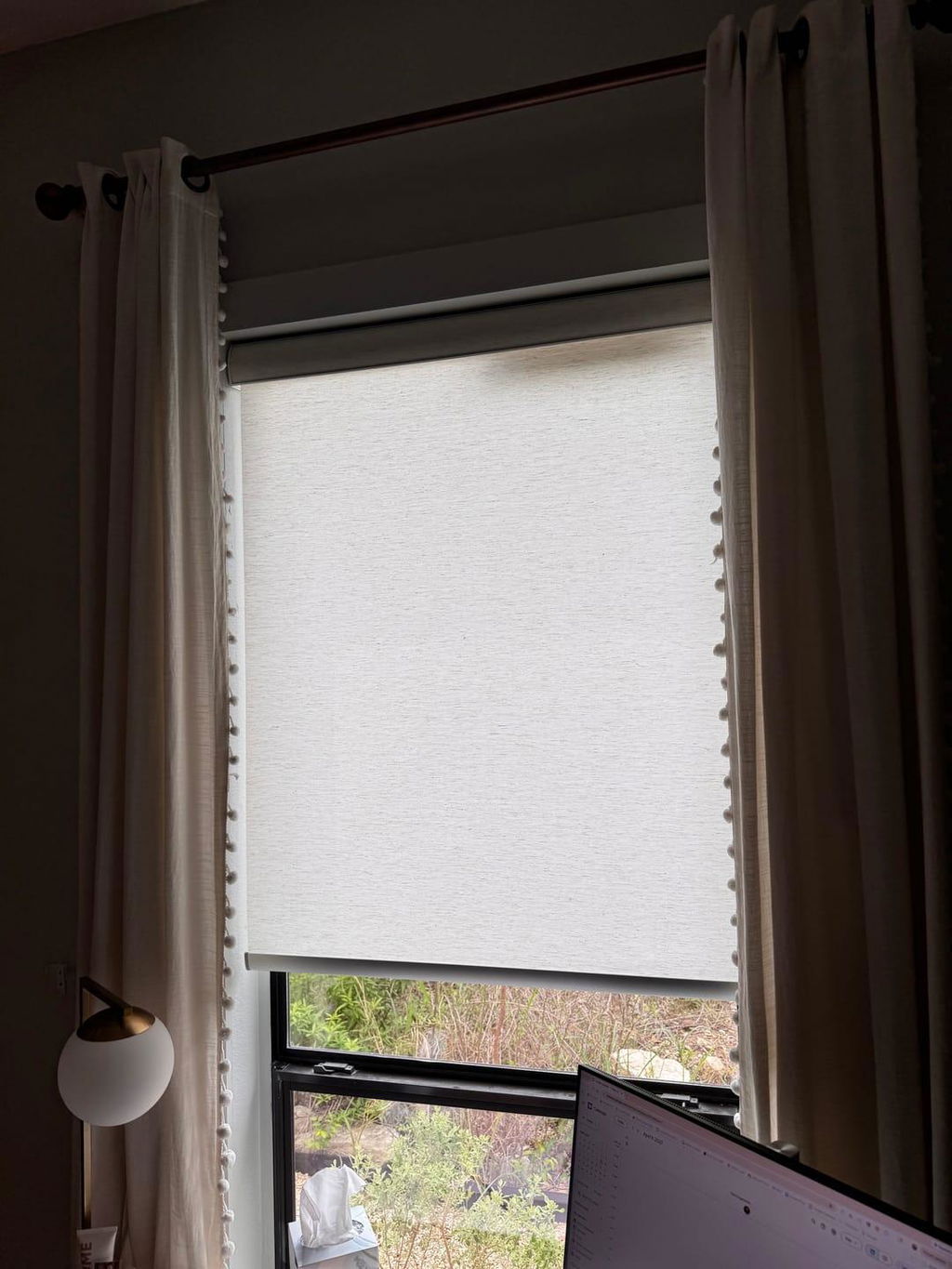
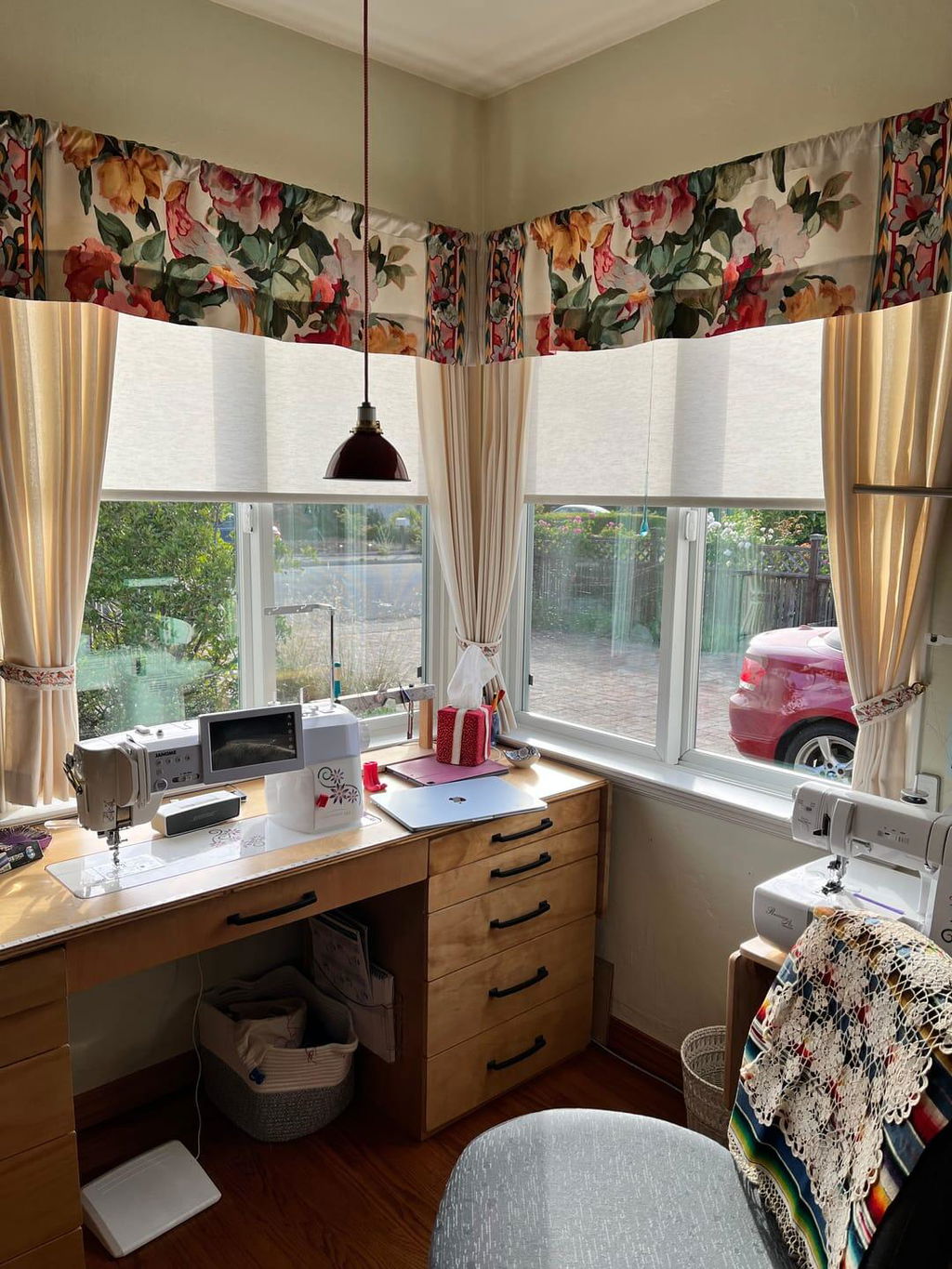
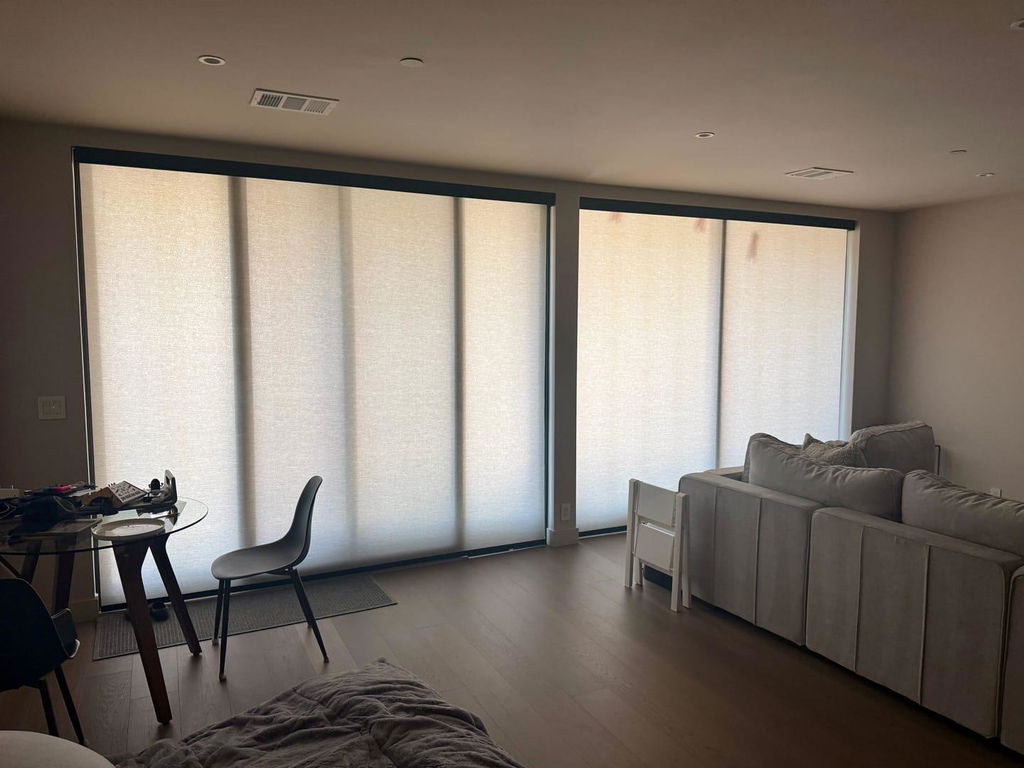
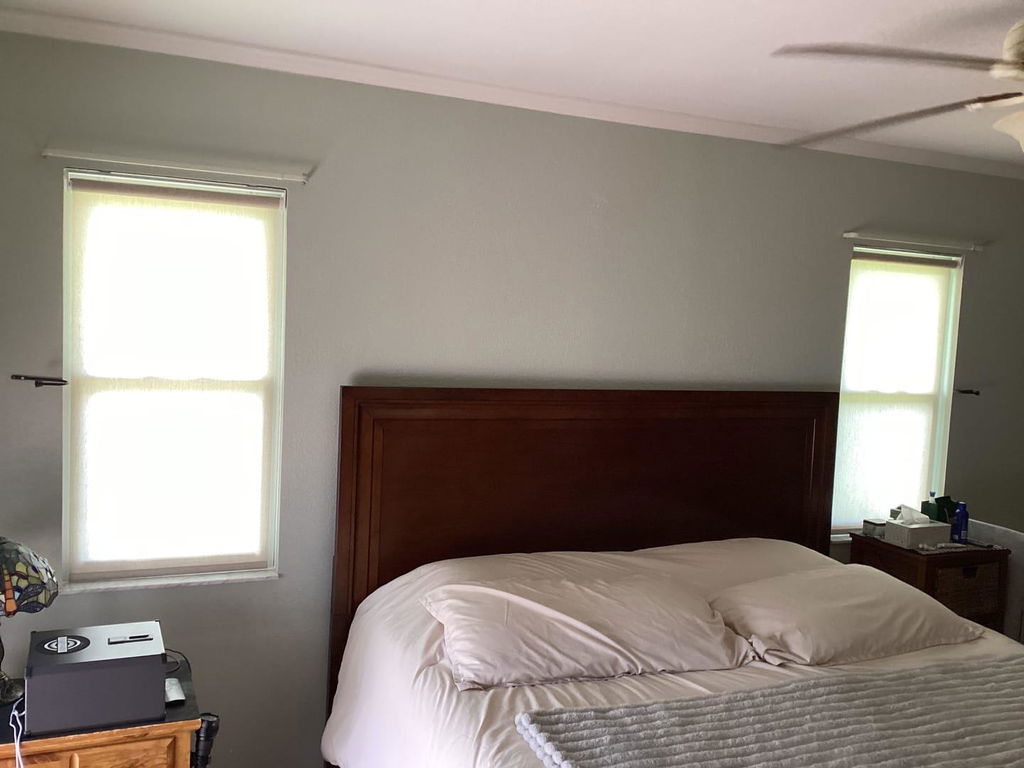
2>Matching Fabric Weight to Your Front StepChoosing a roller shade for glass door setups is about balancing light and ego. You want the sun to hit your foyer, but you don't want the Amazon driver seeing you in your bathrobe. I personally love a 5% openness solar screen or a light-filtering woven polyester. These fabrics have a 'grit' to them that looks like expensive linen but won't rot or fade under the intense UV exposure that front doors often face.
I actually fixed my French door privacy issue by switching from a heavy velvet (which looked like a stage curtain) to a 300-gsm textured grey shade. It diffused the afternoon glare while keeping the space feeling airy. If you go too thin, you get no privacy at night; go too thick with a vinyl blackout, and your front door starts to look like the back of a refrigerated truck. Aim for a 'slubby' texture to add warmth.
When to Motorize That Awkward Glass Panel
If you have a tall door with a transom window above it, corded shades are a safety and aesthetic hazard. Dangling cords get caught in weather stripping and look messy. Upgrading to motorized dual roller shades is the move here. It allows you to have a sheer layer for the daytime and a solid privacy layer that drops down at the touch of a button when the sun sets. It’s a bit of an investment, but for a front door that everyone sees, it’s the ultimate way to avoid the 'cord clutter' that ruins a first impression.
How to Warm Up the Space Once the Shade is Up
The only downside to a roller shade on door glass is that it can feel a bit 'office-like' if you don't style the surrounding area. To soften the clean lines, I always layer in natural materials. Try a vintage runner with some rich reds or deep blues to ground the entryway. Add a heavy brass hook for your bag and maybe a tall potted olive tree in the corner. The contrast between the crisp, straight edge of the shade and the organic shape of a plant makes the whole foyer feel intentional and curated, not just functional.
FAQ
Do roller shades work on metal doors?
Yes, but don't use standard wood screws. You'll need self-tapping screws or, if you're a renter, high-quality magnetic brackets. Just ensure the magnets are rated for the weight of the shade fabric.
Will a roller shade interfere with my door handle?
Only if you don't measure for it. Always check the 'projection' of your handle. If it’s a lever, you might need an outside mount that sits slightly higher or wider to clear the hardware.
Can I see through a light-filtering shade at night?
From the outside, you’ll see shapes and glows, but not details. If you want 100% privacy, you’ll need a 'blackout' or 'room darkening' fabric, though I find those can feel a bit heavy for a main entrance.