Why I Always Do a Scrunch Test on Fabric for Roller Blinds
I remember standing in a half-finished living room in Brooklyn, staring at a window that cost more than my first car, only to realize the 'custom' shades I had ordered felt like a glorified shower curtain. They were stiff, they sounded like crinkling plastic when they moved, and they had zero soul. That was the day I realized that choosing fabric for roller blinds isn't just about picking a color; it is about the tactile weight of the textile and how it behaves when it is actually under tension.
- Avoid 'pressed' or bonded materials that feel like vinyl; they lack the breathability to stay flat.
- Look for a weight of at least 320 gsm to ensure the shade doesn't flutter in a light breeze.
- Always perform a 'scrunch test' on samples to check for fiber memory and potential creasing.
- Opt for poly-linen blends for the look of natural fiber without the inevitable sagging of 100% linen.
The Secret to a Perfect Hang is All in the Weight
When you are holding a tiny 2x2 swatch, every roller shade fabric looks decent. The real test happens when you have a 60-inch span of material hanging in your window. I always perform what I call the 'scrunch test.' I take the sample, ball it up in my fist for five seconds, and then let go. If it stays crumpled or feels like it has a 'plastic memory,' it is going to be a nightmare on your windows.
A high-quality roller shade material should feel like a heavy-duty textile, not a laminated sheet. You want a fabric with enough 'heft'—usually around 350 gsm—to pull itself taut. If the fabric is too light, the bottom rail won't have enough gravity to keep the edges from fluttering every time your HVAC kicks on. I once installed a set of feather-light sheers in a drafty Victorian, and they spent the whole winter looking like they were trying to escape the window frame.
Woven vs. Pressed: Understanding Roller Blind Material
Most people think all Roller Shades are created equal, but the manufacturing process tells a different story. Cheap roller fabrics are often 'pressed'—essentially fibers glued together and coated in a stiffening agent. These feel cold to the touch and remind me of the cheap pull-downs in a 1990s classroom. They don't filter light; they just block it out in a way that feels clinical and flat.
On the other hand, a true woven material for roller blind applications uses actual looms. You can see the warp and weft of the threads. This construction allows the fabric to 'breathe.' When the sun hits a woven fabric, it catches on the individual threads, creating a depth that pressed materials can't mimic. It is the difference between a painted wall and a grasscloth wallpaper; one is a color, the other is an experience.
Why Stiff Composites Always Curl at the Edges
The 'pucker' is the enemy of the minimalist home. You’ve seen it: that annoying inward curl at the left and right edges of a shade that makes the whole window look cheap. This usually happens with bonded roller fabrics because the front and back layers expand at different rates when the sun hits them. It is essentially a structural failure of the fabric.
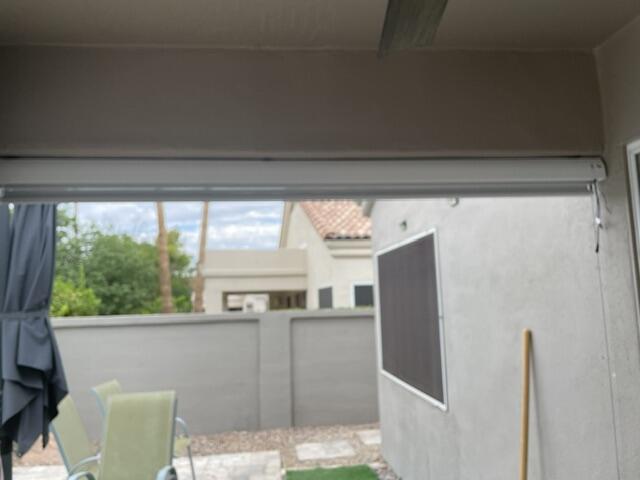
If you have high-humidity rooms or windows that get direct, scorching afternoon sun, you have to be even more careful. While I usually stick to indoor textiles, looking at how Stop Chasing Shade The Case For Exterior Patio Roller Blinds handles environmental stress can teach you a lot about durability. For indoors, a woven polyester blend is your best defense against the curl because the fibers are inherently more stable than cheap, heat-pressed plastics.
The Beauty of True Woven Roller Fabrics
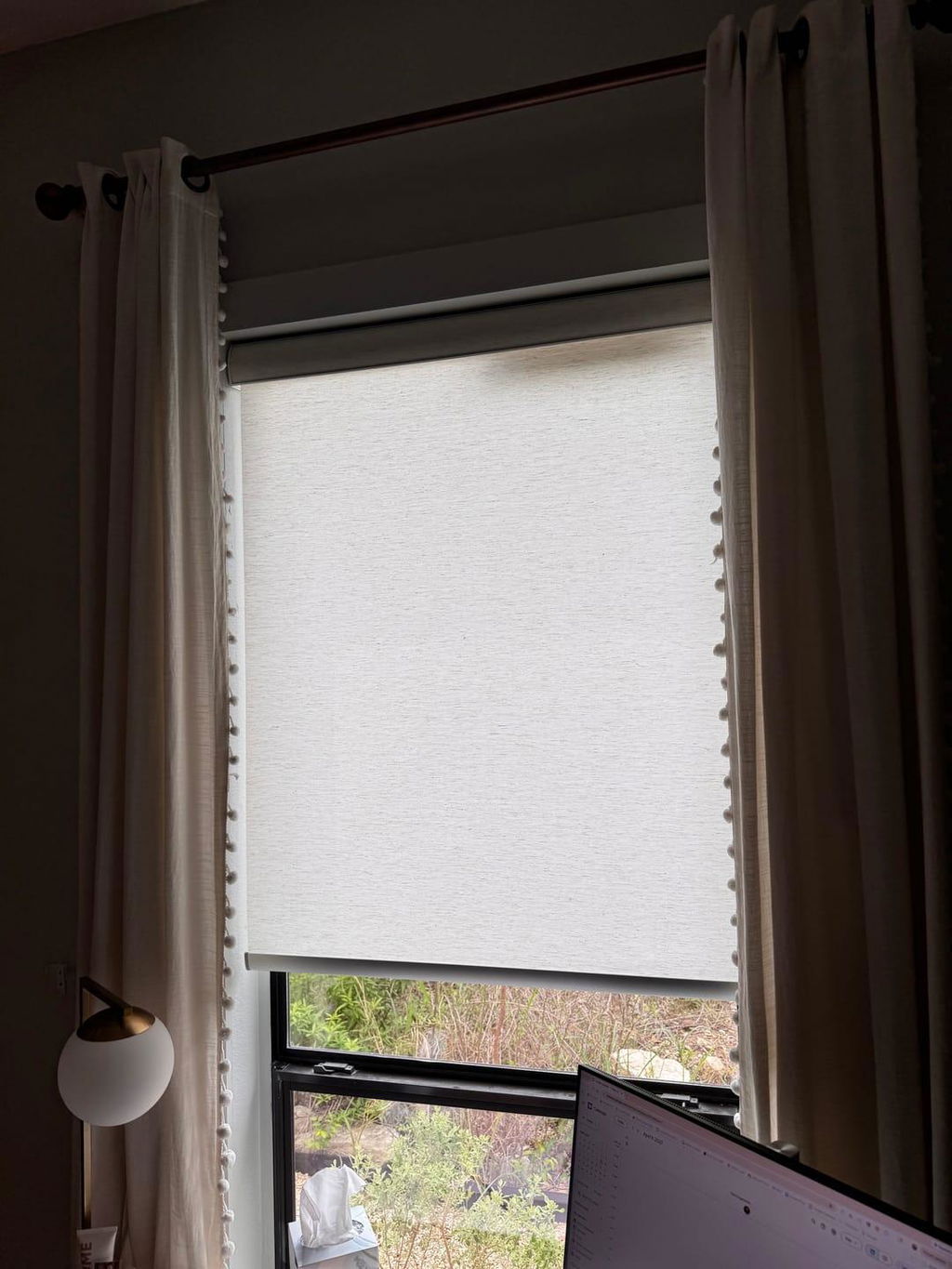
There is a specific joy in watching the 4 PM sun hit a high-quality weave. I’m a huge fan of fabrics that offer a bit of 'slub'—those tiny, intentional irregularities in the thread. It gives the window a tailored, organic feel that softens the hard lines of a modern room. When choosing Roller Fabric See Through Room Darkening options, look for weaves that incorporate different thread thicknesses. This creates a beautiful mottled effect rather than a solid, flat block of color.
Let the Light In (But Keep the Neighbors Out)
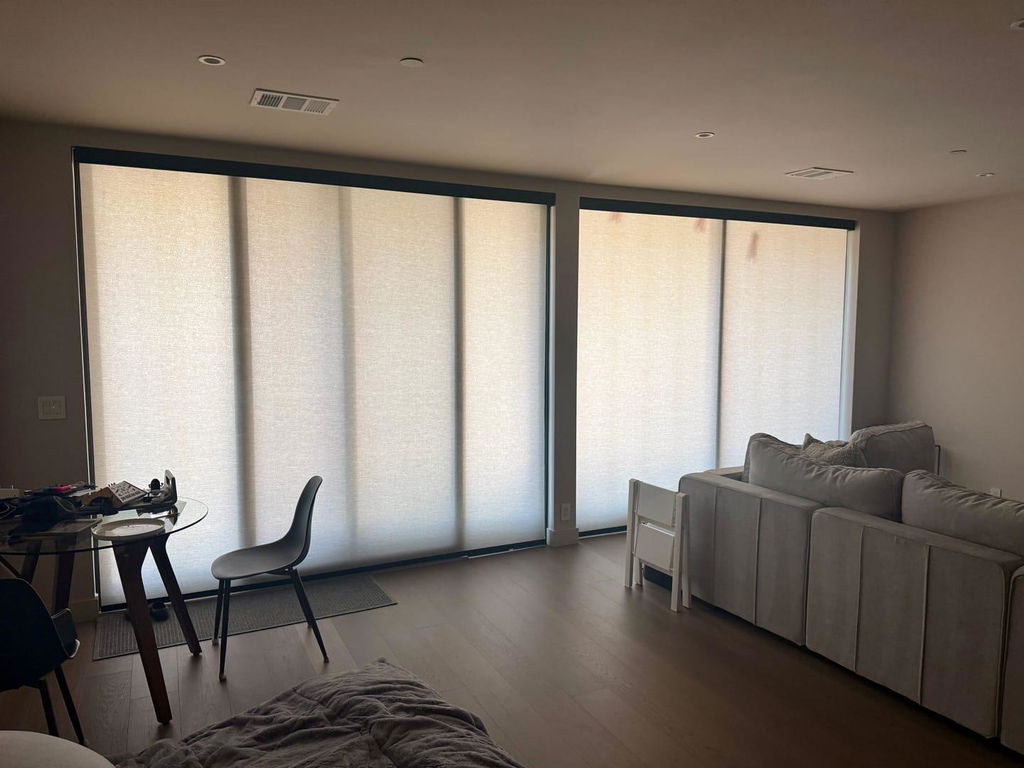
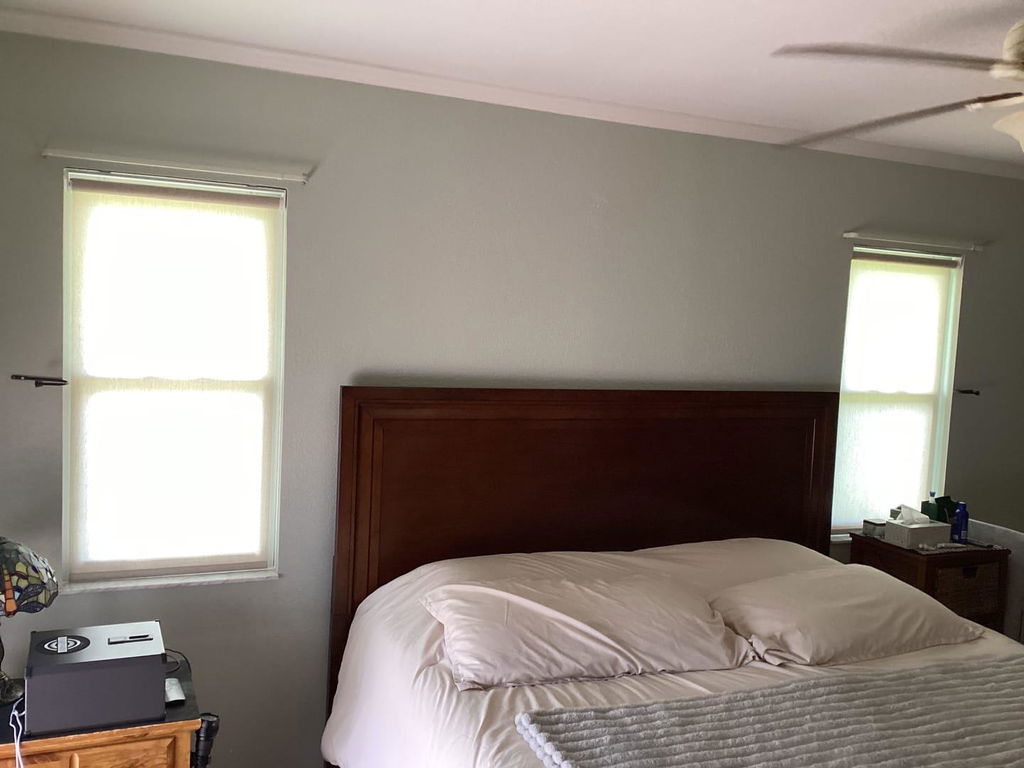
Privacy is a spectrum, not a binary choice. I’ve had clients insist on blackout fabrics for their living rooms, only to realize they’ve turned their home into a cave. The weave density—often called the 'openness factor'—is everything. A 3% to 5% openness is my sweet spot. It obscures the view from the street but still lets you see the silhouette of the trees outside.
Color also plays a massive role in how the light feels. I learned this the hard way after installing stark white shades in a south-facing sunroom; the glare was so blinding we had to wear sunglasses inside. Why I Finally Swapped My White Blinds For A Blue Roller Shade is a great example of how a bit of pigment can actually improve the view. A cooler tone or a soft grey absorbs more of that harsh 'bounce' light, making the room feel calm rather than clinical.
Can You Actually Use Natural Linen as Roller Shade Material?
Everyone wants the 'linen look,' but 100% natural linen is a terrible roller shade material. It is a 'living' fiber, meaning it expands and contracts with the weather. If you hang a pure linen roller shade, it will be an inch longer on a humid Tuesday than it was on a dry Monday. It will also fray at the edges because it doesn't have the structural integrity to be cut with the precision required for a roller system.
The solution is the poly-blend. A 70% polyester and 30% linen mix is the industry's best-kept secret. You get the visual texture and the matte finish of the linen, but the polyester acts like a skeleton, keeping the shade perfectly rectangular. I’ve used these in 96-inch drops, and they stay as straight as an arrow for years. Don't be a purist here; your windows will thank you for the synthetic help.
Layering Considerations When Your Shades Are Down
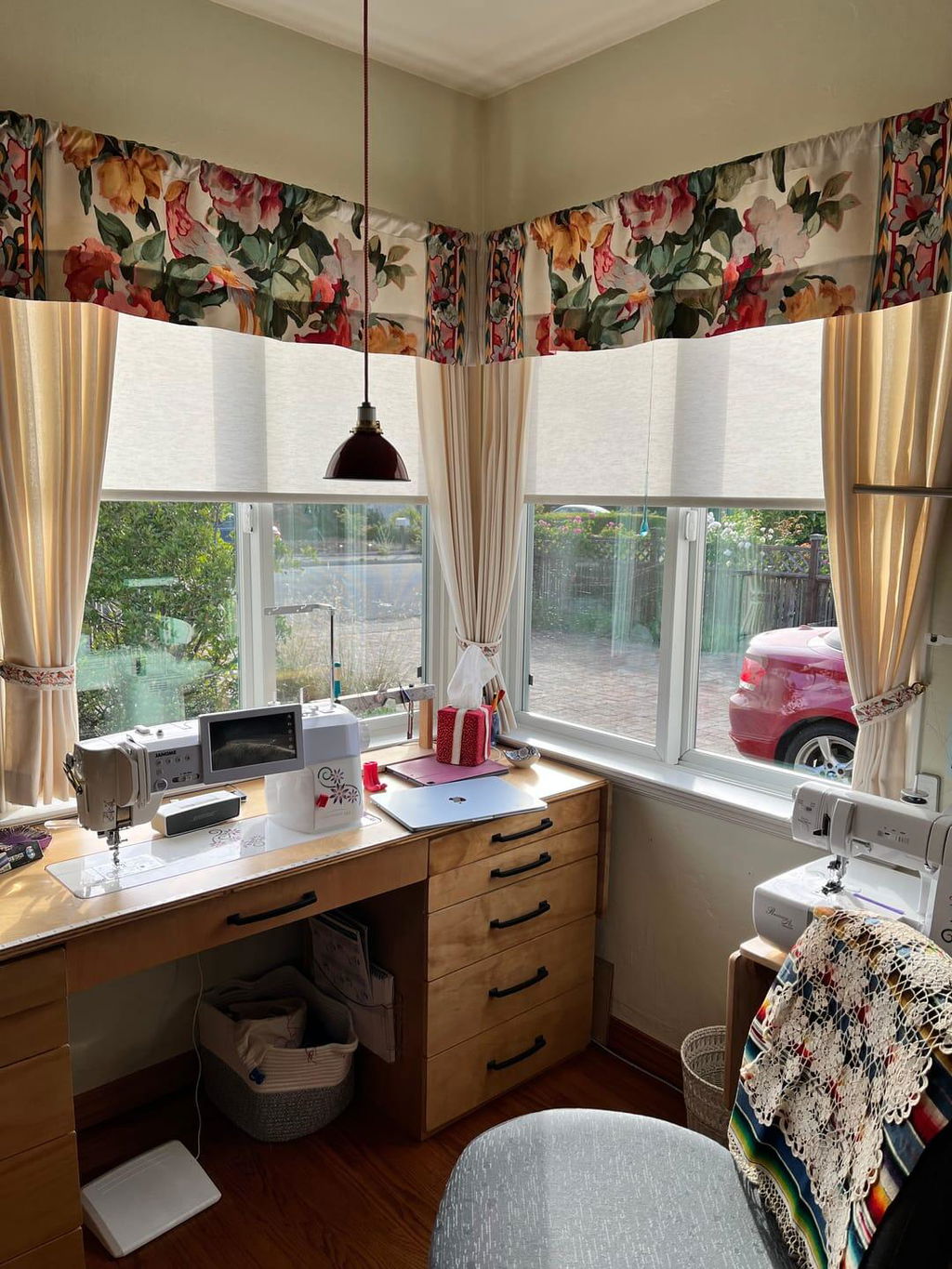
A roller shade shouldn't always have to go it alone. I love using a low-profile roller as a base layer under heavy velvet or linen drapes. This gives you total light control without the bulk of two sets of curtains. If you are tight on space, consider Canisteo Motorized Dual Roller Shades Cordless Custom Double Roller Blinds. It puts a solar screen and a blackout fabric on one bracket system.
When layering, match your roller fabric to your wall color to make the window feel larger, or go two shades darker than your drapes to create a sense of depth. I once paired a charcoal woven roller with light oatmeal linen curtains, and the contrast made the window the focal point of the entire room. It felt intentional and layered, rather than an afterthought.
FAQ
What is the best fabric for roller blinds in a kitchen?
Look for 100% polyester with a moisture-resistant coating. It is the easiest to wipe down when the stovetop grease starts to travel. Avoid high-texture weaves here, as they tend to trap dust and cooking odors.
Will my roller shade fabric fade in the sun?
All fabrics eventually fade, but solution-dyed polyesters are the most UV-resistant. If you have a high-sun window, avoid dark blues or blacks, which show fading much faster than creams, tans, or greys.
How do I clean woven roller shade material?
Don't take them down and soak them! Use a vacuum with a brush attachment on a low setting once a month. For spots, a damp microfiber cloth with a tiny bit of clear dish soap is usually all you need. Always let it air dry completely before rolling it back up.