What Are Cellular Window Shades, and Do They Look Cheap?
I was sitting in a sun-drenched Brooklyn brownstone last month, walking a client through a stack of fabric swatches. She looked at a sample of a crisp, white honeycomb material and whispered, 'I'm sorry, but what are cellular window shades exactly? Are they the things from my dentist's office?' I laughed because she wasn't wrong—bad cellular shades are a core memory for many of us. We have all seen the dusty, yellowed versions in rental apartments that look like they are made of stiff construction paper.
But the truth is, the world of window treatments has moved on. When you get them right, these shades are the secret weapon of the interior design world. They are the workhorses that solve the problems your pretty linen drapes can't handle on their own. If you have ever sat near a drafty window in January or tried to sleep in a room that stays 80 degrees all summer, you need to know what these are.
Quick Takeaways
- Cellular shades use a 3D honeycomb structure to trap air and insulate your windows.
- They offer the best privacy-to-light ratio, especially with 'top-down' features.
- Higher-end versions use non-woven polyester fabrics that feel like soft cloth, not paper.
- They are the only real solution for awkward windows like skylights or glass doors.
The Question People Are Afraid to Ask Me
People often nod along during design consultations because they don't want to admit they are lost in the jargon. They hear 'honeycomb,' 'pleat size,' and 'single cell' and just assume I'm talking about some high-tech beehive. The reality is that many homeowners are quietly terrified that if they install these, their house will suddenly look like a corporate cubicle. They want the insulation, but they don't want the aesthetic sacrifice.
I spent twenty minutes with that Brooklyn client explaining that we weren't looking at the 'temporary' shades you peel and stick to a frame. We were looking at architectural tools. Once you understand the 'why' behind the shape, the 'how' of styling them becomes much easier. Let's strip away the marketing speak and look at the actual construction.
Okay, So What Is a Cellular Window Shade, Technically?
If you look at a standard roller blind from the side, it is a flat sheet. If you look at what is a cellular window shade from the side, you will see a series of hexagonal tubes. These are created by bonding layers of fabric—usually a durable, non-woven polyester—together in a way that creates a 3D pocket. When the shade is down, it looks like a series of clean, horizontal pleats. When it is up, those pockets compress into a tiny, unobtrusive stack at the top of your window.
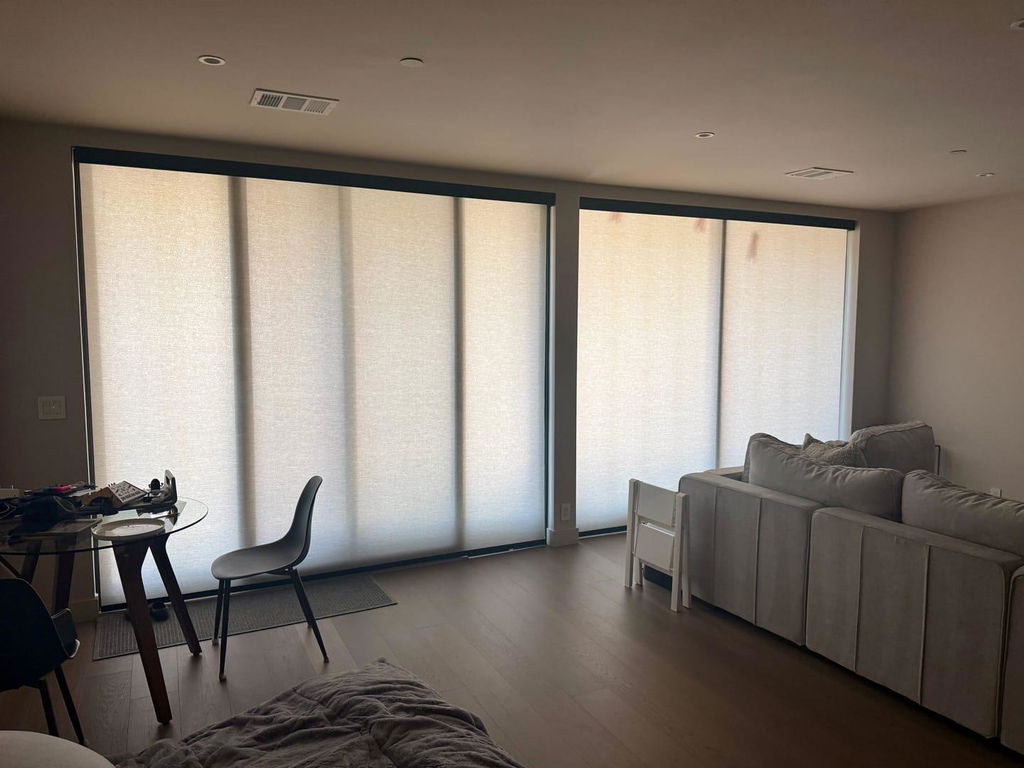
Unlike wood blinds, which have heavy slats that can warp, or rollers that can feel a bit two-dimensional, the cellular shade has a soft, diffused look. The fabric isn't just one layer; it is a structural element. Most high-quality shades use a 'D-cell' design, which ensures the pleats stay crisp and don't sag over time, even if you have a massive eight-foot-wide window to cover.
The Hidden Magic of the Honeycomb Pocket
The shape isn't just for show. Those hexagonal tubes are essentially air traps. In the winter, the cold glass of your window chills the air right next to it. Without a barrier, that cold air sinks and creates a draft across your floor. The cellular shade stops this by catching that air in the honeycomb pockets. It is the same principle as a double-pane window or a puffy down jacket.
In the summer, it works in reverse, reflecting the sun's heat back outside before it can bake your living room. I have seen clients drop their AC bills by 20% just by switching from basic aluminum blinds to a double-cell shade. It is one of the few design choices that actually pays for itself over a few seasons of extreme weather.
The Elephant in the Room: Do They Look Like Paper Accordions?
This is the big fear. If you buy the cheapest version at a big-box store, yes, they might look a bit 'office-park.' The key to making them look expensive is the pleat size and the fabric weight. I almost always steer clients toward a 3/4-inch pleat rather than the tiny 3/8-inch version. The larger pleat looks more intentional and architectural, especially on larger windows. It feels more like a custom drapery choice and less like a budget fix.
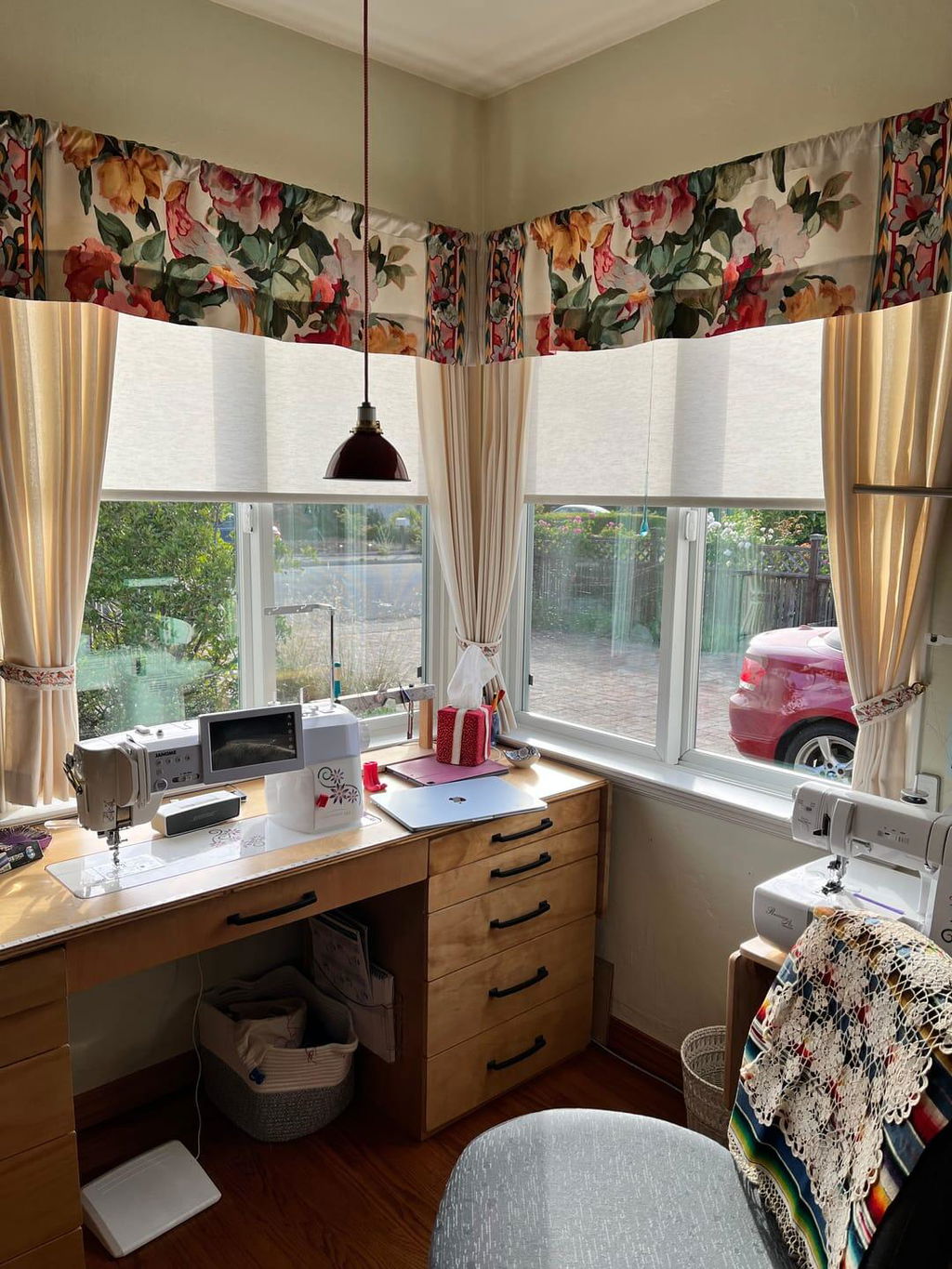
When deciding between Roman, roller, or cellular, think about the 'visual noise' in the room. A cellular shade is incredibly quiet visually. It doesn't have the heavy folds of a Roman shade or the starkness of a roller. If you choose a high-quality fabric with a subtle texture—something that mimics the look of spun silk or fine linen—it looks incredibly sophisticated, especially when tucked neatly inside the window casing.
Where I Actually Specify Them in Real Homes
I don't put cellular shades everywhere, but they are my go-to for specific 'problem' spots. For ground-floor apartments or houses close to the street, I always suggest top down bottom up functionality. This allows you to lower the top of the shade to let in the sky and the trees while keeping the bottom half closed for privacy. It is a total lifesaver for bathrooms and bedrooms where you want natural light but don't want to give the neighbors a show.
They are also the only thing I will use for skylights. Trying to find a treatment for a slanted ceiling is a nightmare, but motorized skylight cellular shades fit into side tracks that keep the fabric from sagging. I once did a sunroom with six overhead skylights; before the shades, the room was a greenhouse. After, it was a comfortable 72 degrees, and the shades were so slim they practically disappeared when retracted.
My Golden Rules for Styling Them
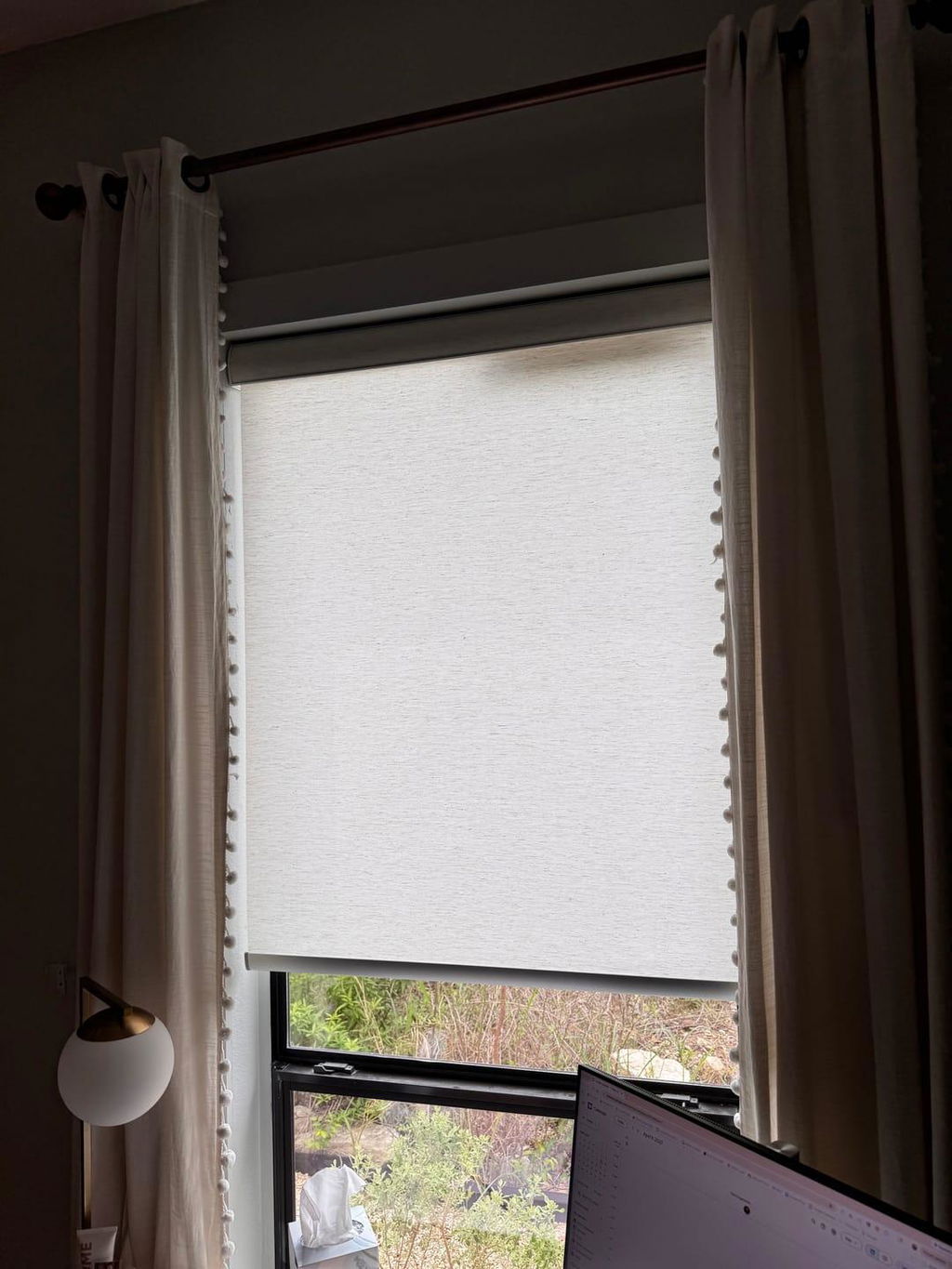
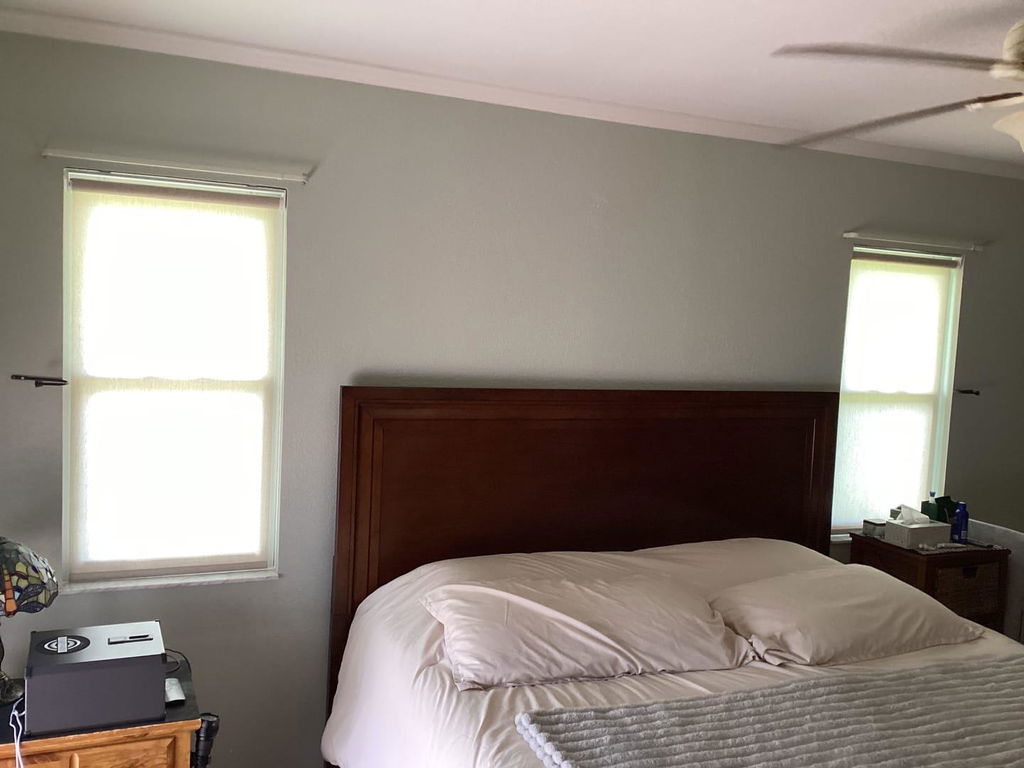
To keep them looking high-end, follow the 'Inside Mount Rule.' These shades should almost always be mounted inside the window frame. This creates a clean, integrated look that shows off your window trim. If your windows are too shallow for an inside mount, you might want to reconsider a different style, as an outside-mounted cellular shade can look a bit like a bulky box sitting on your wall.
Finally, I love to layer. A cellular shade provides the privacy and the insulation, but it can sometimes feel a bit 'hard.' I like to hang a pair of floor-to-ceiling linen drapes over them. The drapes provide the softness and the color, while the high-quality cellular shades do the heavy lifting behind the scenes. It is the perfect marriage of function and fashion.
FAQs
Are cellular shades hard to clean?
Not really. Because the fabric is usually a non-woven polyester, they are pretty resilient. I just use the brush attachment on my vacuum once a month to get the dust out of the pleats. If a bug gets stuck inside a cell (it happens!), a quick blast from a hair dryer on the 'cool' setting usually blows it right out.
Do they provide total blackout for bedrooms?
Yes, if you choose the blackout lining. Unlike some other shades where light leaks through the fabric, cellular blackout shades have a thin layer of foil inside the honeycomb that blocks 99% of light. Just watch out for 'light gaps' on the sides—an inside mount will always have a tiny sliver of light unless you add side tracks.
Can I install them myself?
If you can use a cordless drill and a level, you can do this. The brackets are usually just two screws. The most important part isn't the installation; it is the measurement. You need to measure the width at the top, middle, and bottom of the window and use the smallest number. I once measured only the top of an old house window, and the shade got stuck halfway down because the frame narrowed at the bottom. Measure twice, order once!