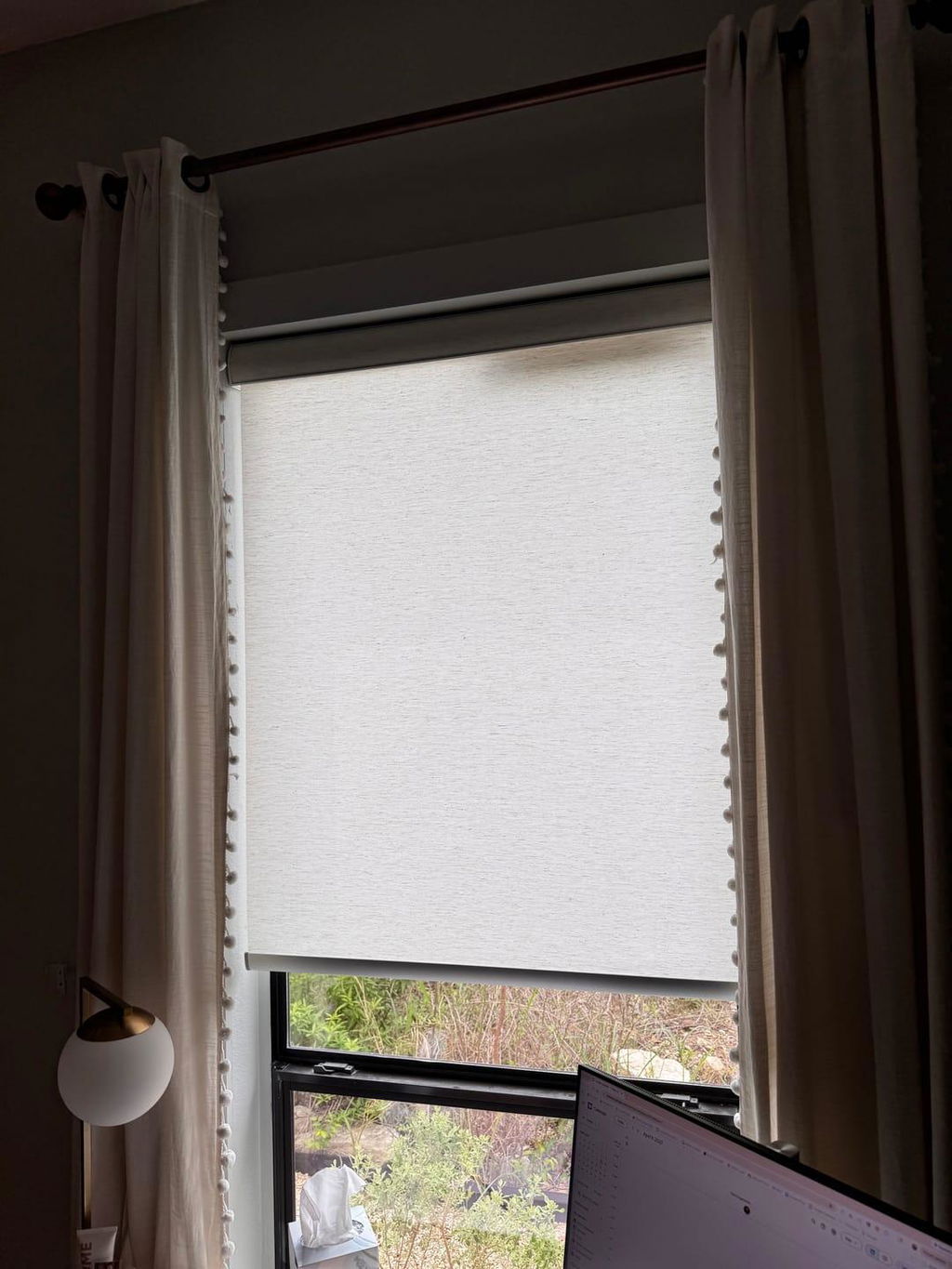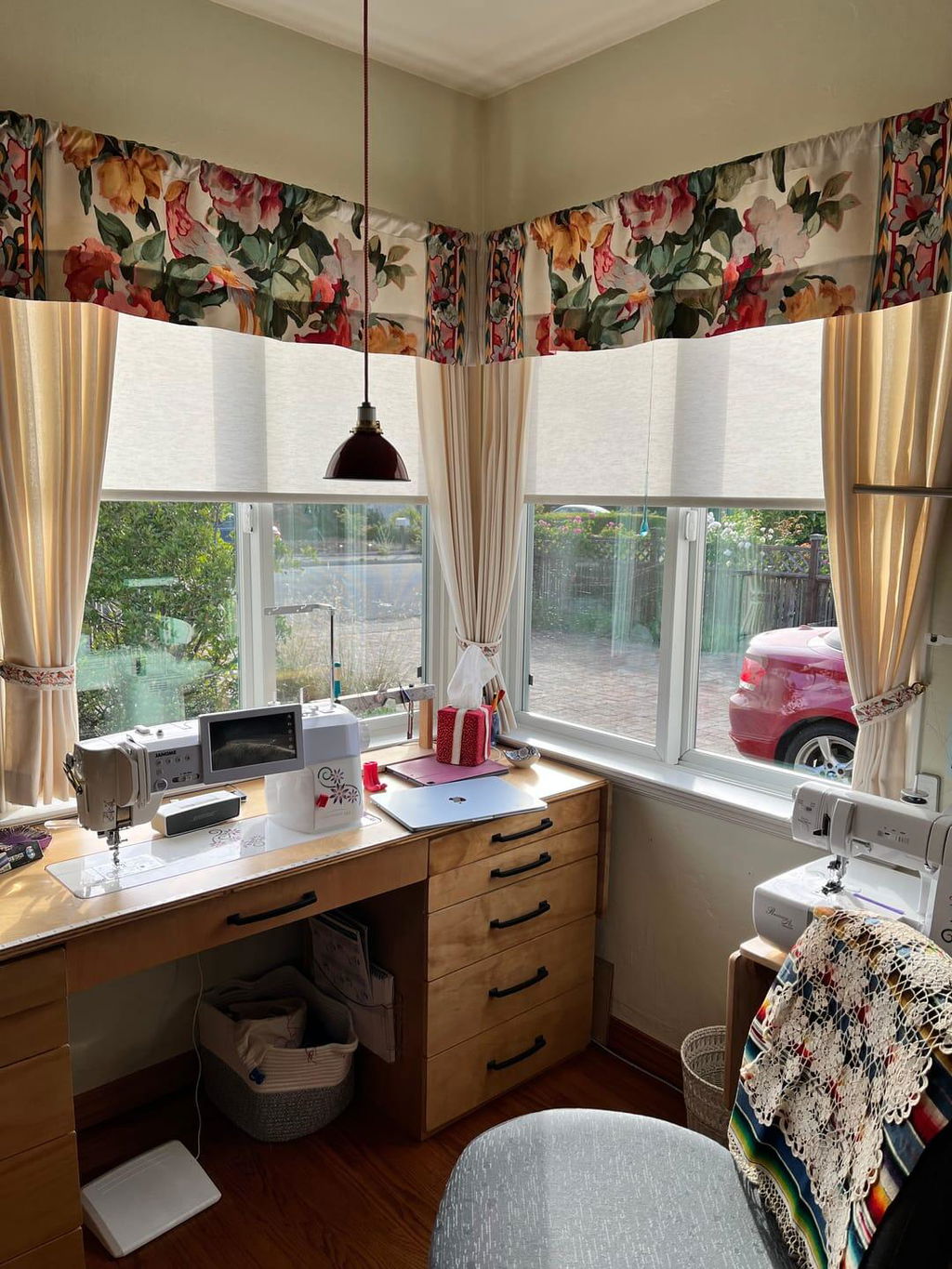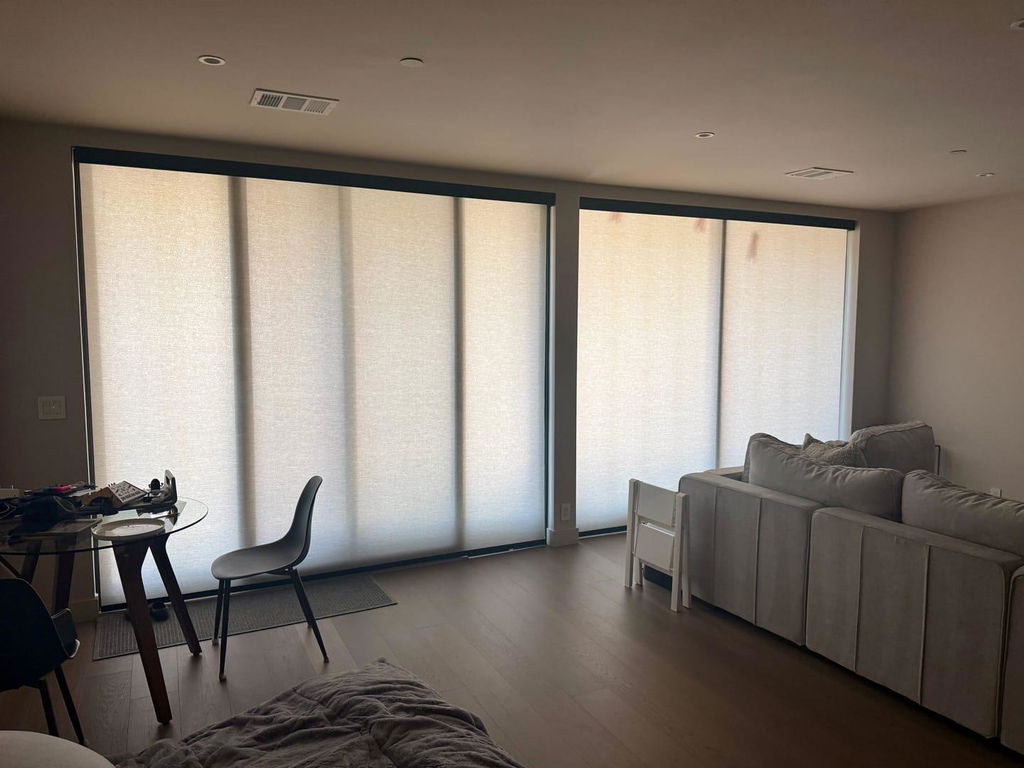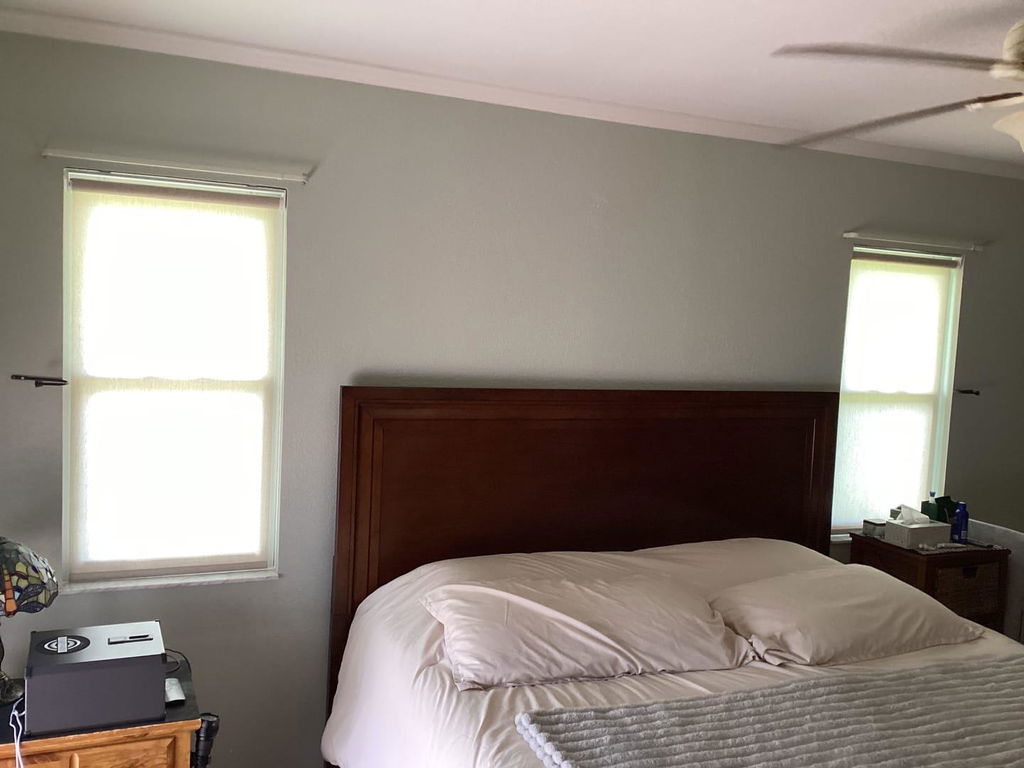
They Look Like Magic, But How Do Top Down Bottom Up Shades Work?
I remember the first time I saw a shade hovering in the middle of a window like a glitch in the Matrix. It was a garden-level brownstone in Brooklyn, and the homeowner had the top three feet of her window open to the sky while the bottom half remained perfectly shielded from the sidewalk traffic. I was skeptical. I assumed it was a custom, high-maintenance rig that would eventually snap and leave her with a tangled mess of polyester. I finally realized how do top down bottom up shades work when I moved into my own street-facing apartment and felt like I was living in a literal fishbowl. Privacy is a luxury in the city, but so is sunlight.
It turns out these shades aren't magic; they are just clever engineering. After years of specifying them for clients who want the best of both worlds, I have seen the good, the bad, and the tangled. I eventually wrote about how motorized top down bottom up shades fixed my fishbowl home because, frankly, once you stop fighting with cords, your life changes. But before you buy, you need to understand the physics keeping that fabric suspended in mid-air.
Quick Takeaways
- The 'floating' effect is created by a moving middle rail that travels along internal tension cords.
- Cordless versions use constant-force spring motors hidden inside the headrail to counterbalance the weight.
- Perfectly level installation is the only way to prevent cord fraying and uneven hanging.
- Cellular (honeycomb) fabrics are the most common choice because they hide the internal cords best.
The Anatomy of a Suspended Shade (And Where the Cords Hide)
Most people are used to a standard shade: you have a fixed top rail (the headrail) and a bottom rail that moves up and down. A top-down bottom-up shade adds a third player to the game: the middle rail. This rail is attached to the top of your fabric, while the bottom rail is attached to the... well, the bottom. Both of these rails can move independently, which is what allows you to 'stack' the shade anywhere on the window glass.
The biggest question I get is: 'Where are the strings?' If you look closely at the edges of a cellular shade, you will see thin, high-tension cords running vertically through the fabric. These cords are anchored at the top and bottom of the window frame (or the headrail). They act like tracks for the middle and bottom rails to slide on. In a well-designed shade, these cords are color-matched to the fabric—usually a crisp white or a muted cream—so they disappear against the window frame.
In pleated or Roman styles, these cords might be visible on the back of the treatment, but in honeycomb shades, they run right through the center of the 'cells.' This is why I almost always suggest cellular fabrics for this mechanism. You get a clean, architectural look without a web of visible strings cluttering your view of the morning clouds. It is a sleek solution for a 200 gsm linen-look polyester that needs to stay taught and crisp through thousands of cycles.
The Internal Tension Trick: How Do Cordless Top Down Bottom Up Shades Work?
If you hate the look of dangling strings, you are likely wondering how do cordless top down bottom up shades work without a pulley system. The secret is hidden inside the rails themselves. Inside that aluminum housing, there are small spring motors and spools. These aren't just your average hardware store springs; they are constant-force springs, similar to what you find inside a high-end tape measure.
These springs provide a precise amount of tension that exactly matches the weight of the fabric and the rails. When you pull the middle rail down, the spring unwinds. When you let go, the friction and the spring tension hold it exactly where you left it. It feels like the shade is weightless. This is particularly impressive in day night shades, where the system has to manage the weight of two entirely different fabrics—usually a sheer for the day and a blackout for the night—all within the same tension network.
The engineering here is a delicate balance. If the tension is too high, the shade will slowly 'creep' upward on its own. If it is too low, the shade will sag. This is why you can't just trim these shades at home like a cheap vinyl blind; the spring tension is factory-calibrated to the specific width and height of the fabric you ordered. If you have a wide window—say, over 60 inches—the internal spools have to be beefed up to handle the extra load of the aluminum rails.
Wait, So How Do Top Down Bottom Up Blinds Work With Slats?
Things get a bit more mechanical when we talk about slats. If you are asking how do top down bottom up blinds work when you have wood or faux-wood slats instead of a solid piece of fabric, you're looking at a different beast. Traditional blinds use 'ladder' cords to keep the slats spaced and to allow them to tilt. When you drop the top rail on a set of blinds, those ladders have to go somewhere.
In most top-down blinds, the ladder cords are designed to collapse into the middle rail as it descends. This can create a bit more 'bulk' at the top of the stack compared to a cellular shade. You also have to be mindful of the tilt mechanism. Usually, the slats can only be tilted when the top rail is fully docked at the top. It is a bit more fiddly, which is why I tend to steer my clients toward cellular or pleated options for this specific functionality. The movement is just smoother when you aren't dealing with the physics of fifty individual slats trying to stay aligned while floating in mid-air.
Are These Hidden Mechanisms Actually Durable?
I’ll be honest: these are more complex than a standard roller shade, and complexity can sometimes lead to repairs. The most common fail point isn't the spring; it is the cord. If the internal cords are rubbing against a sharp plastic edge inside the rail, they will eventually fray and snap. I once had a client whose cat decided the tension cord was a guitar string. One snap, and the whole shade slumped to the floor like a sad accordion.
The single most important factor for longevity is your installation. You must follow the guide on how to install your shades to the letter. If your mounting brackets are even slightly tilted, the internal cords will pull at an angle. This creates friction that the spring motor wasn't designed to overcome. Over time, that friction wears down the cord or burns out the spring. If you notice your shade is hanging 'wonky' or one side is higher than the other, stop using it immediately and re-level your brackets. A five-minute adjustment with a level can save you a $200 replacement fee.
The Only Rooms Where I Always Specify This Style
There are certain rooms where this mechanism isn't just a 'nice to have'—it is a requirement. First-floor bathrooms are the obvious choice. You can drop the top rail to see the trees and let the steam out while keeping the bottom 48 inches of the window completely opaque. It is a total lifesaver for those small, high-moisture spaces where you don't want heavy drapery but need absolute privacy.
I also love them for street-facing home offices. There is nothing worse than trying to work on a Zoom call while staring at the feet of people walking their dogs past your window. By raising the bottom rail just a foot and dropping the top rail halfway, you cut the 'fishbowl' effect but keep the natural light bouncing off your ceiling. It prevents that cave-like feeling of living with closed blinds all day. Just make sure you choose a light-filtering fabric; a heavy blackout fabric in a top-down position can feel a bit visually heavy, like a dark cloud hanging in the middle of your wall.
FAQ
Can top-down bottom-up shades be motorized?
Yes, and they should be if the window is tall. Reaching over a bathtub or a desk to grab the top rail of a manual shade is a recipe for a pulled muscle. Motorized versions use dual motors to control each rail independently via remote or app.
Why is my top-down shade sagging in the middle?
This usually happens on very wide windows where the middle rail doesn't have enough support. Ensure your center support brackets are installed correctly. If the shade is old, the internal tension springs may have lost their 'memory' and might need professional re-tensioning.
Do they provide good insulation?
If you choose the cellular (honeycomb) variety, yes. They are actually some of the best insulators on the market because they trap air in the cells. However, when you have the top and bottom open, you are obviously losing that thermal barrier, so keep them fully closed on those 10-degree January nights.