The 'Standard Size' Myth: Why 30 Inch Blinds Never Actually Fit
I remember standing in the aisle of a massive home improvement store on a Tuesday night, clutching a crumpled receipt and staring at a stack of 30 inch blinds. I was convinced my window was a perfect 30 inches wide. I got home, tried to snap the headrail into the brackets, and heard that sickening sound of metal grinding against fresh paint. It didn't fit. Not even close.
We have been sold a lie that window treatments are a 'grab and go' commodity. In reality, a window is a living part of a house that breathes, settles, and is almost never perfectly square. Buying a pre-cut 30-inch treatment is a gamble where the house usually wins, leaving you with scratched trim and a frustrated Saturday afternoon.
Quick Takeaways
- Standard 30-inch retail blinds are often exactly 30 inches, leaving zero room for the hardware or window variance.
- An inside mount requires a 'deduction'—usually 1/4 to 1/2 inch—to operate without scraping your paint.
- The common 64-inch drop is far too long for most windows, creating a messy 'puddle' of slats on the sill.
- Cordless mechanisms aren't just for safety; they provide a cleaner, custom-built silhouette.
The Frustrating Reality of the Big-Box Aisle
The big-box aisle is where design dreams go to die. You see a box labeled 30 in window blinds and assume the manufacturer has done the math for you. They haven't. They have produced a product to a generic specification that doesn't account for the fact that your drywall might have a slight bulge or your window casing might be an eighth of an inch narrower at the top than the bottom.
When you try to force a 30 blind into a 30-inch opening, you aren't just fighting physics; you're ruining your aesthetic. Your 30 Roller Shade Doesn't Actually Fit Your 30-Inch Window because retail sizes are nominal. A '30-inch' blind might actually measure 29.5 inches if you're lucky, or exactly 30.0 inches if you aren't. If it's the latter, you'll be jamming that headrail in with a mallet, ensuring you'll never be able to remove it without taking a chunk of the frame with it.
I have seen countless DIYers settle for 30 inch wide blinds that sit crooked because they were forced into a space that was just a hair too tight. It looks cheap, it functions poorly, and it screams 'temporary fix.' To get that crisp, high-end look, you need a gap—a tiny, intentional margin that allows the treatment to float within the frame.
The Golden Rule of the Inside Mount Deduction
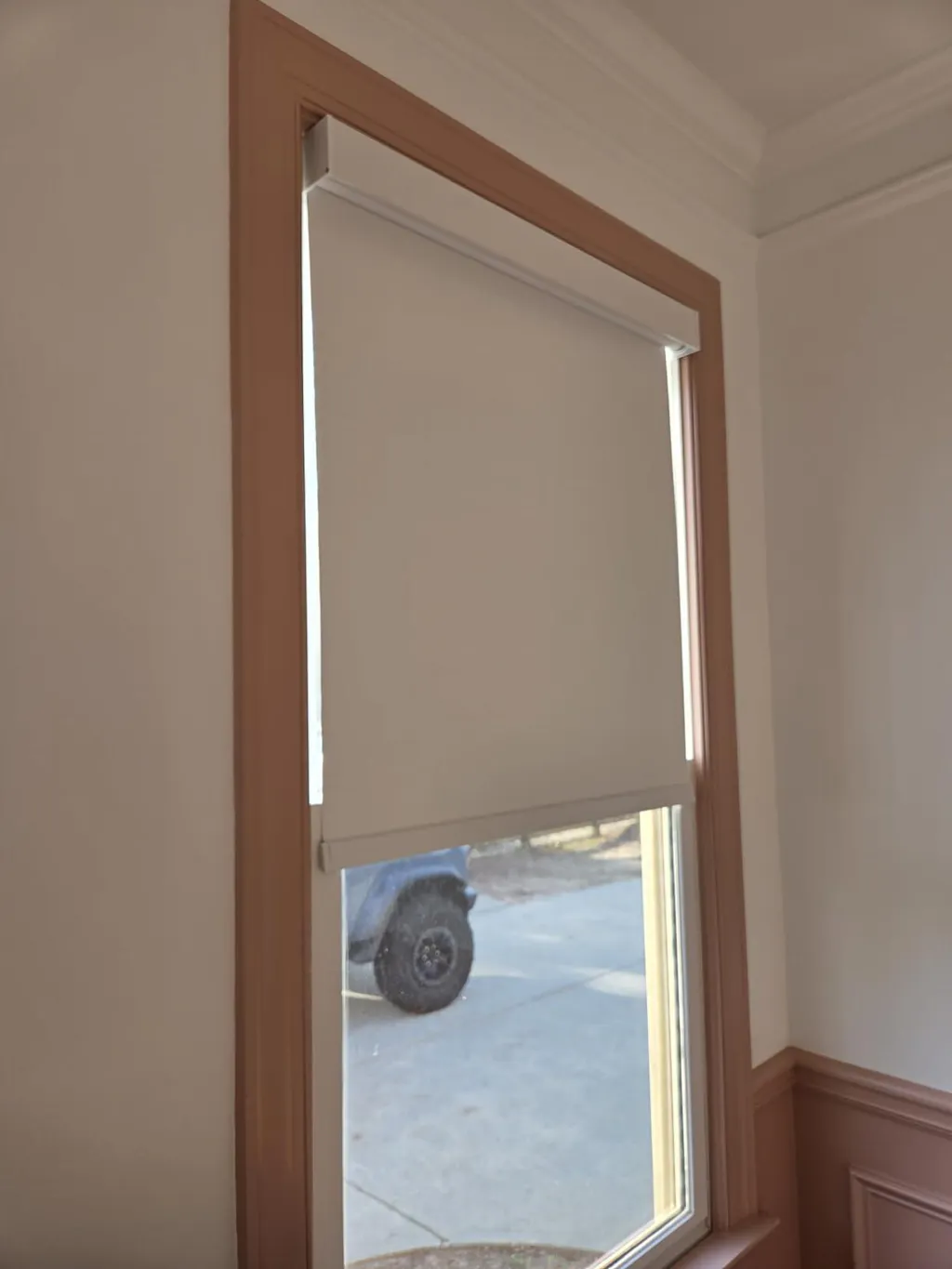
If you want your 30-inch wide window blinds to look like they were installed by a professional, you have to respect the deduction. For an inside mount, the blind must be slightly narrower than the window opening. Most custom shops take a 1/4 inch or 1/2 inch deduction automatically. When you buy off-the-shelf 30 in blinds, you are responsible for that math.
A true 30-inch opening needs a treatment that measures about 29.75 inches. This tiny bit of breathing room prevents the slats from dragging against the window jambs. I have seen beautiful 2-inch faux wood slats get ruined in a week because they scraped the paint every time the homeowner adjusted the light. It creates friction, it sounds terrible, and it eventually breaks the internal cords.
Before you buy, measure the width at the top, middle, and bottom of the frame. Use the smallest measurement. If that number is exactly 30, do not buy 30 inch window shades from a retail shelf. You are better off ordering a custom cut at 29.5 inches to ensure the brackets have room to breathe and the fabric or slats don't bind against the sides.
Dealing with the Drop: The 30 x 64 Dilemma
Then there is the height. The industry loves the 30 x 64 standard. But how many of your windows are actually 64 inches tall? Unless you live in a stately Victorian with soaring glass, you likely have a window that is 48 or 54 inches deep. When you hang blinds 30x64, those extra 10 inches of slats don't just disappear.
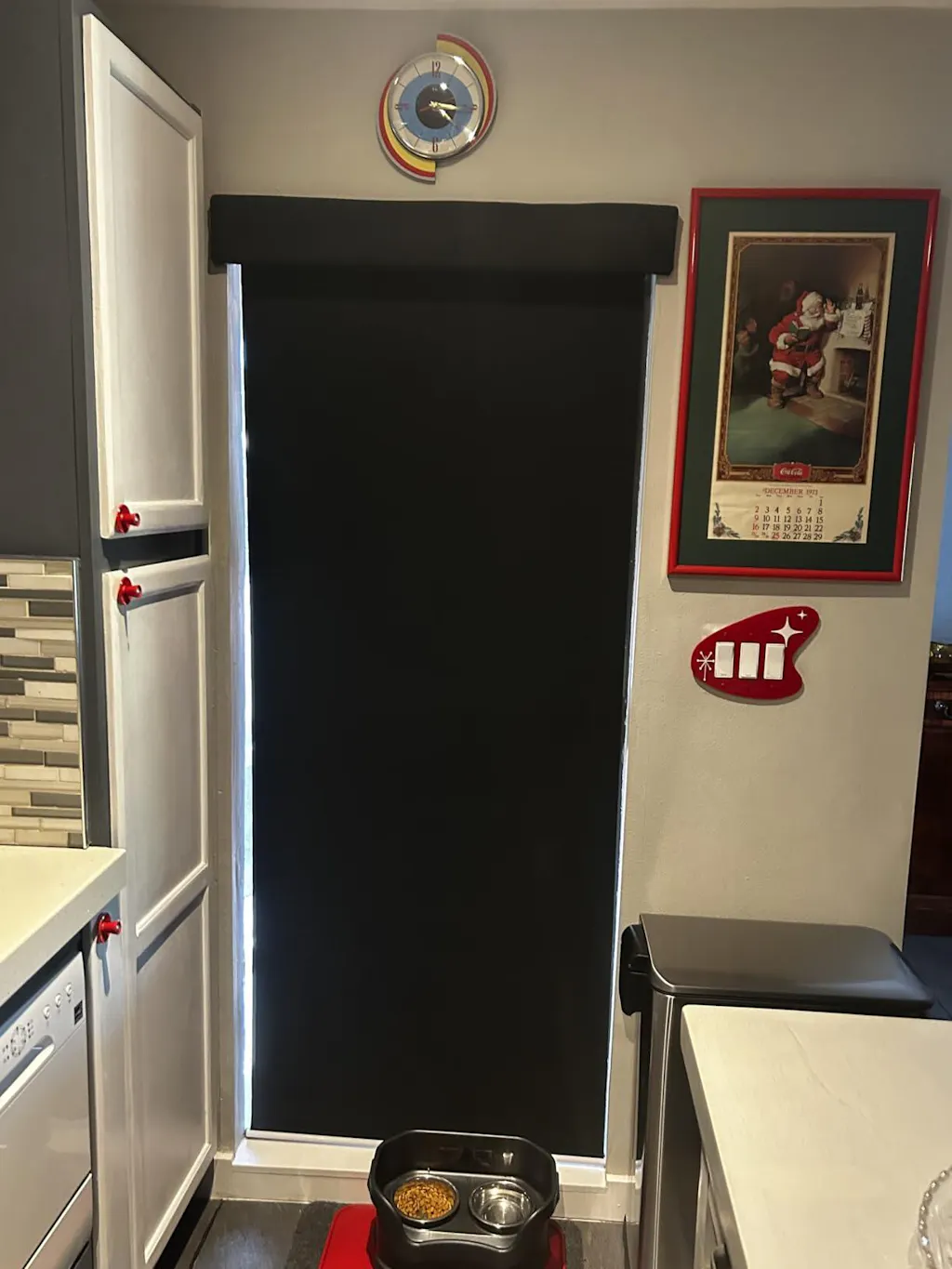
They sit in a heavy, clunky pile on your windowsill. This 'slat puddle' is a magnet for dust and pet hair, and it completely ruins the architectural lines of your window. It looks like you're wearing pants that are four inches too long. For a cleaner look, I often steer clients toward Roller Shades. They disappear into a slim headrail when open and provide a flat, fabric-forward finish when closed, avoiding the 'stack' problem entirely.
If you are stuck with window blinds 30 x 64, you can technically remove the extra slats by undoing the bottom rail knots, but it is a tedious, finger-cramping task. It is far better to source a treatment where the drop is tailored to your specific sill height, keeping the view clean and the hardware tucked away.
Ditching the Clutter for a High-End Finish
Nothing dates a room faster than a tangled web of plastic pull-cords. We have all dealt with that one 30 window shade where one cord gets longer than the other, leaving the blind permanently lopsided. Upgrading to 30 inch cordless blinds is the single easiest way to make a basic room feel like a designer space. It removes the visual noise and makes the window look like part of the architecture rather than an after-thought.
For a truly polished vibe, I love a motorized option. The Canisteo Motorized Dual Roller Shades Cordless Custom Double Roller Blinds are a perfect example of how to handle a 30-inch span. You get the clean lines of a cordless system combined with the luxury of a dual-layer shade—one for light filtering and one for blackout. It feels intentional, not like something you grabbed because it was the only thing in stock.
Cordless isn't just about the 'clean' look, either. It’s about the tactile experience. There is a specific satisfaction in simply lifting the bottom rail of 30-inch shades and having them stay exactly where you put them. No cords to wrap around cleats, no safety hazards for kids, just a smooth, silent operation.
When to Abandon the Inside Mount Entirely
Sometimes, the 30-inch window is just a lost cause for an inside mount. If your window frames are shallow (less than 2 inches of depth) or hopelessly out of square, stop trying to make window blinds 30 inches wide work inside the frame. Go for an outside mount instead.
By mounting the blinds on the wall above the window or on the trim itself, you can 'fake' a better window. I once worked on a 1920s bungalow where the windows were so crooked they looked like a funhouse mirror. We used 30 inch mini blinds mounted three inches above the frame and four inches wider than the opening. It masked the wonky trim and made the windows look grander and more symmetrical.
An outside mount also eliminates the 'light gap'—those annoying slivers of sun that peek through the sides of an inside mount. If you're a light sleeper, an outside-mounted 30 window blinds setup is your best friend. It covers the entire opening like a lid, giving you total darkness and a much more expensive, custom-tailored appearance.
Personal Experience: The Kitchen Window Disaster
In my first 'grown-up' apartment, I bought a set of 30 inch mini blinds for the kitchen. I didn't measure; I just assumed. The window was 29.9 inches. I spent three hours with a hacksaw trying to trim the metal headrail, which resulted in jagged edges and a blind that never sat level. Every time I washed dishes, I stared at my failure. I eventually ripped them down and replaced them with a custom-cut woven wood shade that was 29.5 inches wide. The difference was night and day. The lesson? Don't fight the fractions. Respect the gap.
FAQ
How do I measure for 30 inch blinds?
Measure the width in three places: top, middle, and bottom. Use the narrowest width. For an inside mount, subtract 1/4 inch from that number to ensure the blind doesn't scrape the frame. For an outside mount, add 2-4 inches to the width to ensure full coverage.
Can I cut 30 inch blinds to fit a 29 inch window?
Some 'cut-to-size' retail blinds can be trimmed in-store, but it often leaves the edges looking frayed or sharp. It is almost always better to order a custom width than to attempt to DIY-trim a finished product, as the internal strings are easily damaged.
Are 30 inch cordless blinds harder to install?
Not at all. The mounting brackets are usually identical to corded versions. The main difference is the internal spring tension. Just ensure your brackets are perfectly level, or the cordless mechanism might not stay balanced when you raise the shade.