The One Flaw With the Dual Roller Shades Home Depot Sells
I have spent more Saturdays than I care to admit standing in the window treatment aisle, balancing a heavy box on a flatbed cart while trying to decide if 'room darkening' is a lie told by marketing departments. There is a specific kind of desperation that hits when you are trying to find one shade that does everything. You want the privacy of a sheer during the day—that soft, diffused 4 PM glow that makes your fiddle-leaf fig look like it is in a magazine—but you also need the total darkness of a cave at night to survive a 5 AM alarm. This is why the dual roller shades home depot sells seem like a miracle. They promise the best of both worlds in a single bracket, and for bedrooms or media rooms, they are often the only practical choice.
Quick Takeaways
- Dual shades require significantly more mounting depth than single rollers; check your window frame before buying.
- The sheer layer in big-box kits can sometimes feel like stiff plastic mesh; look for 'linen-look' textures.
- Hide bulky headrails by mounting the shade higher and using a fabric cornice or deep-set inside mount.
- For wide sliding doors, avoid heavy rollers and consider a soft vertical alternative for better durability.
The Undeniable Appeal of the Two-in-One Window Treatment
The magic of a dual shade is all about transition. In my last guest room, I struggled with the classic 'layered' look. I had 200 gsm linen panels over a standard roller shade, but the sheer volume of fabric felt claustrophobic in a 10x12 space. When I finally swapped them for dual shades, the room breathed again. You get two independent rollers on one bracket: a sheer layer (usually around 1% to 3% openness) and a blackout layer. It is the ultimate functional upgrade for anyone who works night shifts or just hates the sun hitting their face at dawn.
Homeowners flock to the dual shades because they solve the 'naked window' problem. Usually, with a blackout shade, it is either all or nothing. You are either in the dark, or the shade is up and the neighbors can see you drinking your morning coffee in your pajamas. The dual system allows you to leave the sheer layer down all day. It cuts the glare on your laptop screen and protects your hardwood floors from UV fading without making the room feel like a tomb. It is modern, it is clean, and when it works, it is brilliant.
However, the off-the-shelf versions of these dual shades are built for convenience, which means they are often 'one size fits most.' If you have a standard window with standard needs, they are a win. But if you are looking for that designer finish where the hardware disappears, you have to be prepared to do a little extra work on the installation side. You cannot just slap these up and expect them to look like a custom $2,000 job without a few styling tricks up your sleeve.
The Bulky Cassette Problem (And How to Hide It)
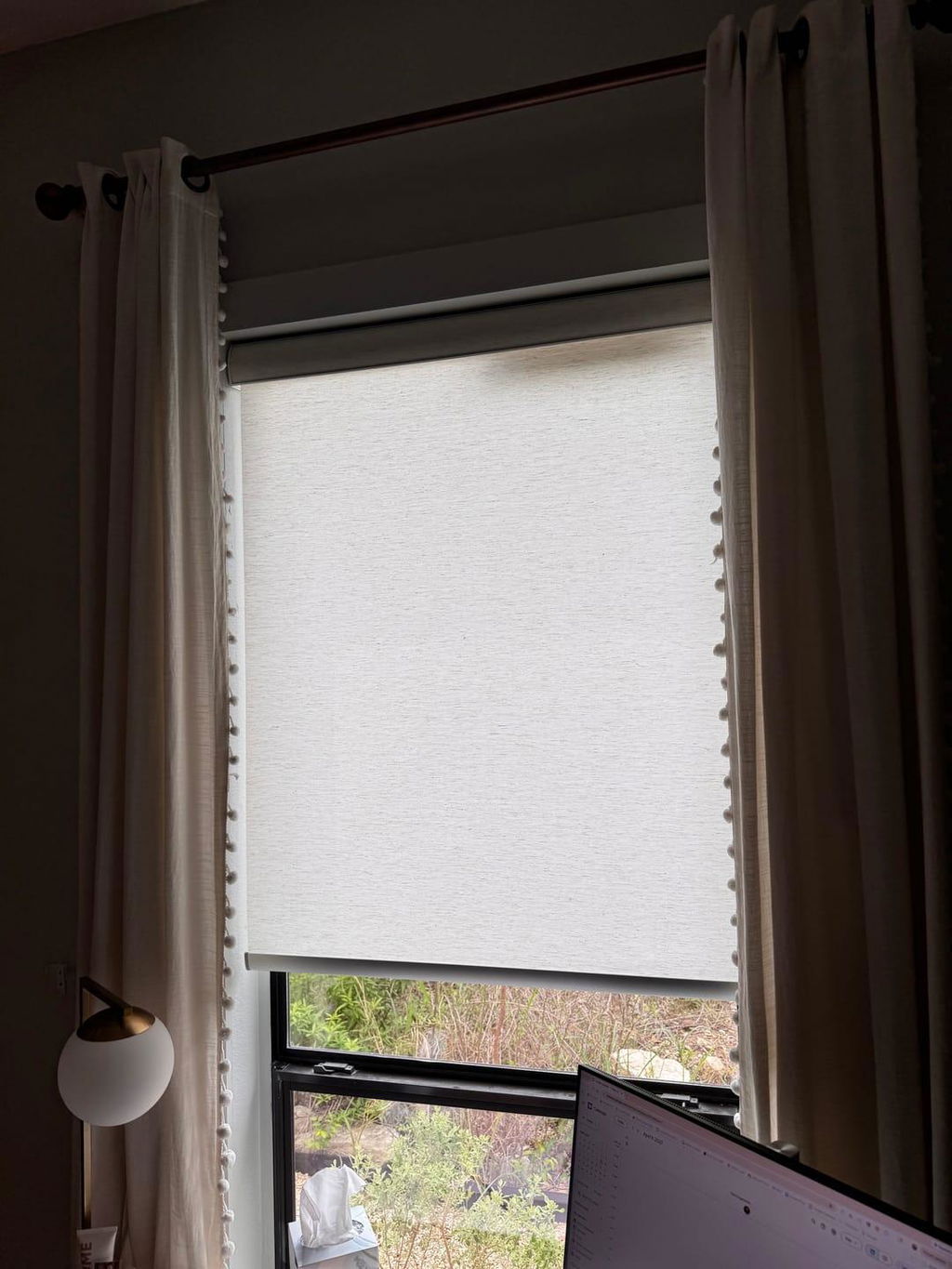
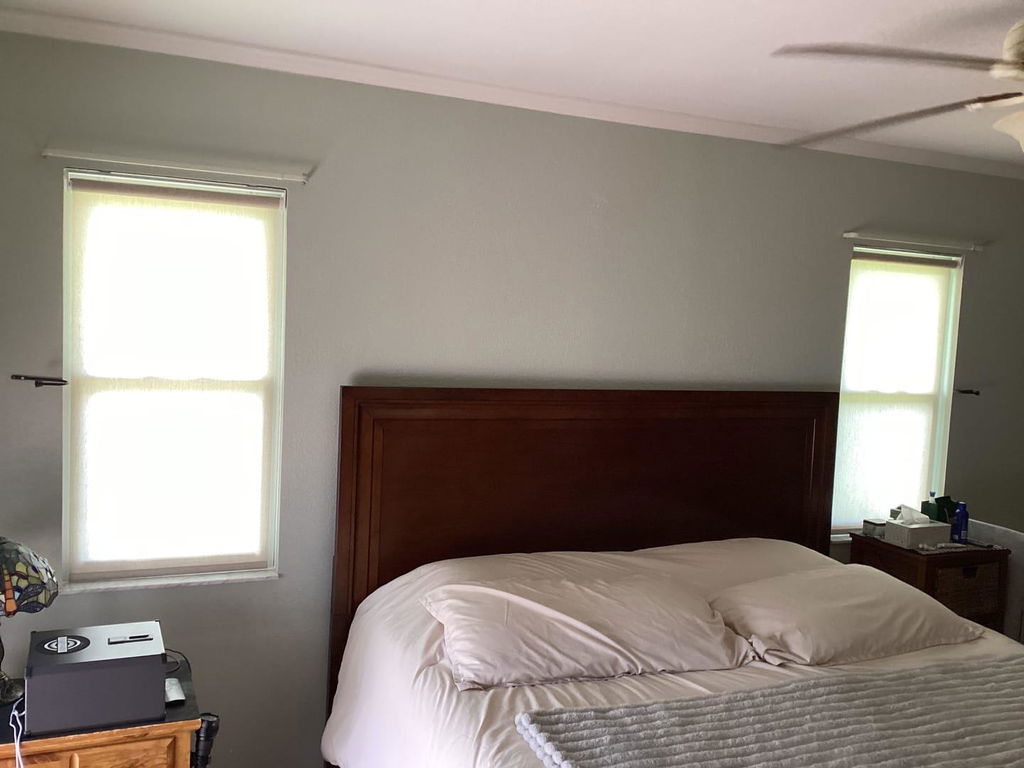
Here is the cold, hard truth: physics does not care about your aesthetic. To house two separate rollers—one for the sheer and one for the blackout—you need a headrail that is twice as deep as a standard shade. Most of the dual shade blinds home depot stocks feature a cassette that is roughly 4 to 5 inches deep. If you have a shallow window frame (common in many 1990s and 2000s builds), that cassette is going to stick out into the room like a sore thumb. It is heavy, it is metal, and it can look very 'commercial' if left exposed.
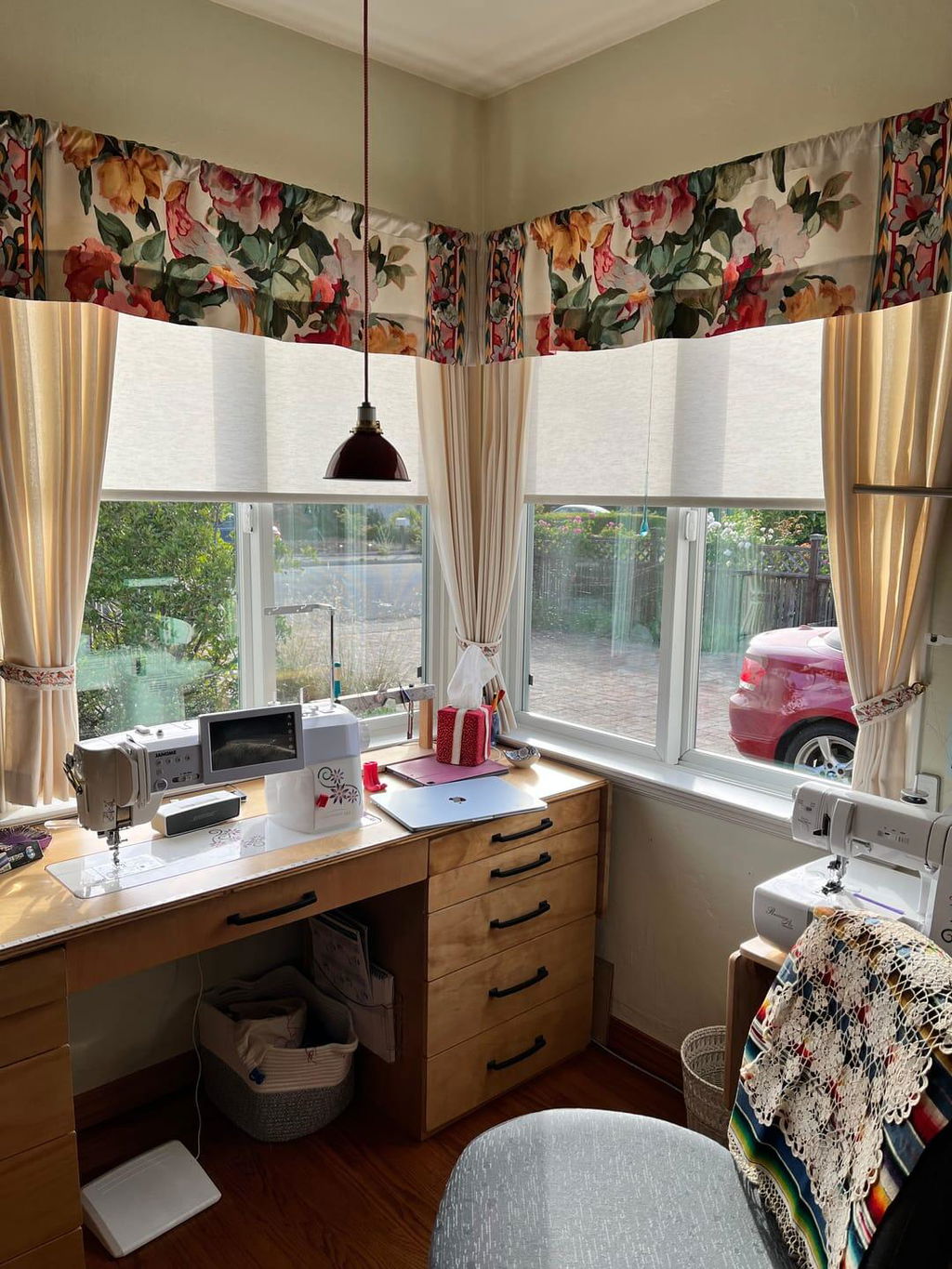
To hide this bulk, I always recommend a deep inside mount. If your window casing is at least 4.5 inches deep, you can tuck the whole mechanism inside the frame for a flush, clean look. If you do not have that depth, do not panic. You can 'cheat' the look by installing a custom fabric cornice. I once used a simple 1x6 pine board, wrapped it in the same fabric as the room's upholstery, and mounted it just above the shade. It hides the metal box and makes the window look taller. Alternatively, mount the shade 4 inches above the window trim and let it hang outside the frame. This covers the bulky hardware and gives you a much cleaner silhouette when the shades are pulled up.
Another trick is to use 'layering' to your advantage. Even though the dual shade is meant to be a standalone product, adding a pair of floor-to-ceiling drapes on the sides can mask the ends of the bulky cassette. I like to use a matte black rod mounted 2 inches below the ceiling. By keeping the drapes wide—about 10 inches past the window frame on each side—the eye is drawn to the fabric and the height of the room, rather than the mechanical box sitting at the top of the glass.
Navigating the Stiff Fabric Dilemma in the Aisle
When you are browsing the dual sheer shades home depot keeps in stock, you have to be picky about the textiles. Many budget-friendly dual shades use a sheer fabric that feels more like a screen door than a window treatment. It is a stiff, heat-pressed polyester that can look a bit shiny and cheap when the afternoon sun hits it. If you want a more elevated look, search for 'linen-weave' or 'textured' sheers. These have a bit of a slub in the thread that mimics natural fibers, giving the light a much softer, more residential quality.
I have found that the quality of the sheer shades often dictates the longevity of the whole unit. If the sheer is too thin, it can fray at the edges from the constant friction of the blackout layer moving behind it. I always look for a sheer with a weighted bottom bar. This keeps the fabric taut and prevents it from fluttering every time the HVAC kicks on. If the big-box options feel too rigid for your taste, remember that you can always soften the look with framing. A soft, 96-inch linen drape on either side can do wonders to 'de-plasticize' a budget roller.
In my own dining room, I once made the mistake of buying a sheer that was too 'cool' in tone. Against my warm white walls (BM Simply White), the shade looked almost blue. Always take a sample home or hold the fabric up to the light in the store. A 'natural' or 'off-white' sheer is usually much more forgiving than a 'stark white' or 'cool grey,' which can feel clinical once the sun passes through it.
What About Sliding Doors? A Quick Pivot
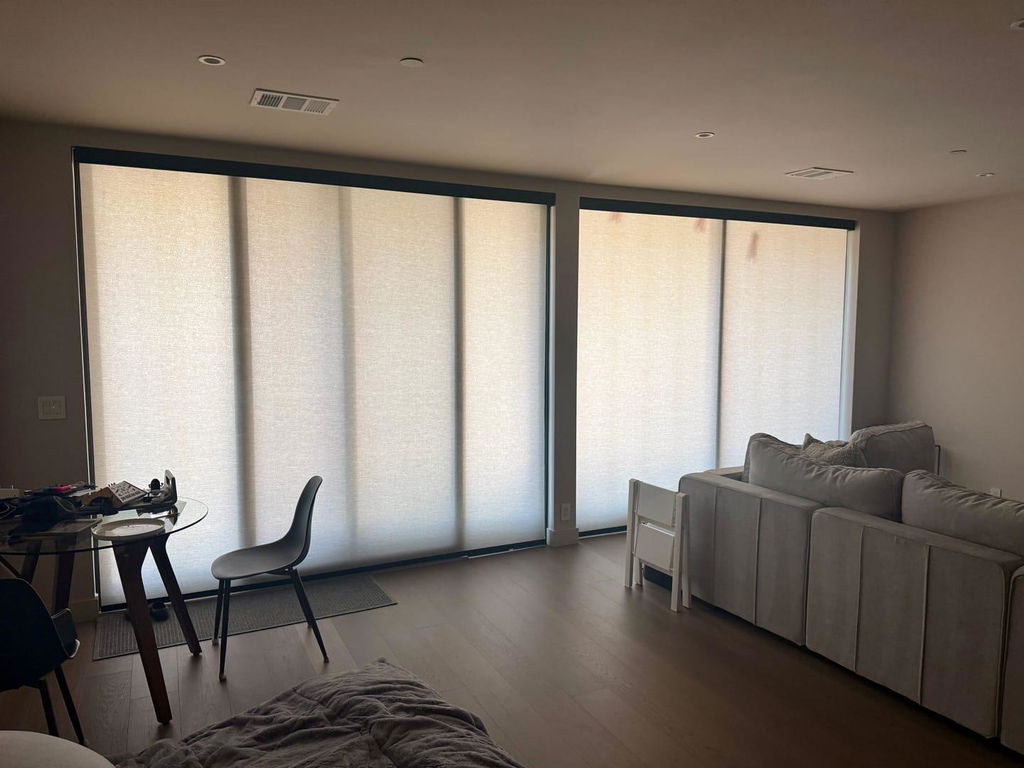
I see people try to install heavy dual rollers over 72-inch sliding patio doors all the time, and it almost always ends in a sagging headrail. A dual roller at that width is incredibly heavy. Every time you pull the chain, you are putting massive torque on those mounting brackets. If you are determined to have that sheer-and-darkness combo for a large glass door, home depot sheer vertical blinds might seem like the easy answer, but they can feel a bit dated and 'clunky' with their PVC vanes.
Instead of the old-school plastic slats, I highly recommend looking into a soft vertical sheer shade. It gives you that same dual-functionality—privacy and light control—but with a much more fluid, fabric-forward movement. It behaves like a drape but has the internal vanes of a blind. It is significantly lighter than a dual roller, meaning it won't pull your screws out of the drywall after six months of use. Plus, it is much easier to walk through; you can just part the fabric anywhere rather than having to roll up a massive, heavy shade every time you want to let the dog out.
If you do go the vertical route, make sure the track is high-quality. The 'one-flaw' of big-box vertical tracks is often the carrier clips. They tend to snap if you are too aggressive with them. A soft, unified vertical treatment looks far more expensive and 'designed' than two separate rollers hung side-by-side, which always creates a light gap right in the middle of your view.
When It Is Time to Upgrade to a Custom Mechanism
There comes a point where the off-the-shelf dual shade blinds home depot offers just won't cut it. If you have windows that are 90 inches tall, or if you have a row of four windows that you want to operate simultaneously, you are going to want a more sophisticated system. The biggest downside to big-box dual shades is the cord or chain. Having two separate chains hanging down can look messy, and if you have kids or pets, it is a constant safety headache.
This is where motorized dual roller shades become a necessity rather than a luxury. A custom motorized unit allows you to hide the battery packs inside a much slimmer headrail. You get that perfectly flush mount, even in shallower frames, and you can control both layers with a single remote or an app. No more wrestling with heavy manual chains at 6 AM. It is the best way to get that 'hotel' feel where the shades glide silently into place.
I finally upgraded my master bedroom to a custom motorized set after getting tired of the 'clank' of the metal bottom bars hitting the glass every time the wind blew. Custom units often have better dampening and tighter tolerances, meaning less light bleed at the edges. If you are staying in your home for the long haul, investing in a custom mechanism that fits your window's exact depth is the only way to truly eliminate the 'bulky cassette' look.
I learned this the hard way during a guest room refresh. I measured the window width perfectly but ignored the depth. When the dual roller shades home depot delivered arrived, they stuck out so far that I couldn't even hang my decorative curtains over them. I ended up having to build a custom valance at midnight on a Tuesday just so the room didn't look like a construction zone for my mother-in-law's visit. It was a lesson in physics and humility: always measure your depth twice, and never underestimate the size of a double roller.
FAQ
Can I cut dual roller shades to size at home?
I wouldn't recommend it. Unlike a simple single roller, the dual mechanism involves complex internal springs and two separate tubes. If you try to hack it with a hacksaw, you risk misaligning the rollers, which will cause the fabric to telescope and fray. If you need a custom width, it is better to order the 'cut-to-size' service in-store or go fully custom.
Do dual shades provide 100% blackout?
The fabric itself might be 100% blackout, but the unit as a whole usually isn't. Because the rollers need space to move, there will always be a 'light gap' on the sides—usually about 3/4 of an inch. To get true 100% darkness, you need to pair them with side channels or overlapping drapes.
Are they difficult to install alone?
They are significantly heavier than a standard blind. While one person can do it, having a second person to hold the cassette while you click it into the brackets will save your drywall (and your sanity). Make sure you are drilling into studs or using heavy-duty toggle bolts; the standard plastic anchors that come in the box are often too weak for the weight of a dual system.