The Lining Mistake Ruining Your White Cordless Roman Shades
I remember the first time I splurged on custom linen for my sunroom. It was a crisp, optic white that looked like a dream in the box—the kind of white that makes a room feel like a fresh start. Then I hung it. The second the high-noon sun hit those white cordless roman shades, my designer window looked like I had taped up a piece of greasy parchment paper. It was a heartbreak I do not want you to repeat.
Quick Takeaways
- Unlined white fabric glows yellow or grey when backlit by direct sun.
- Privacy lining is a non-negotiable for maintaining a true white color.
- Cordless mechanisms keep the look clean but require specific handling to avoid stains.
- Flat folds stay brighter; hobbled folds create greyish shadows in the fabric.
The 'Glowing Paper' Problem No One Warns You About
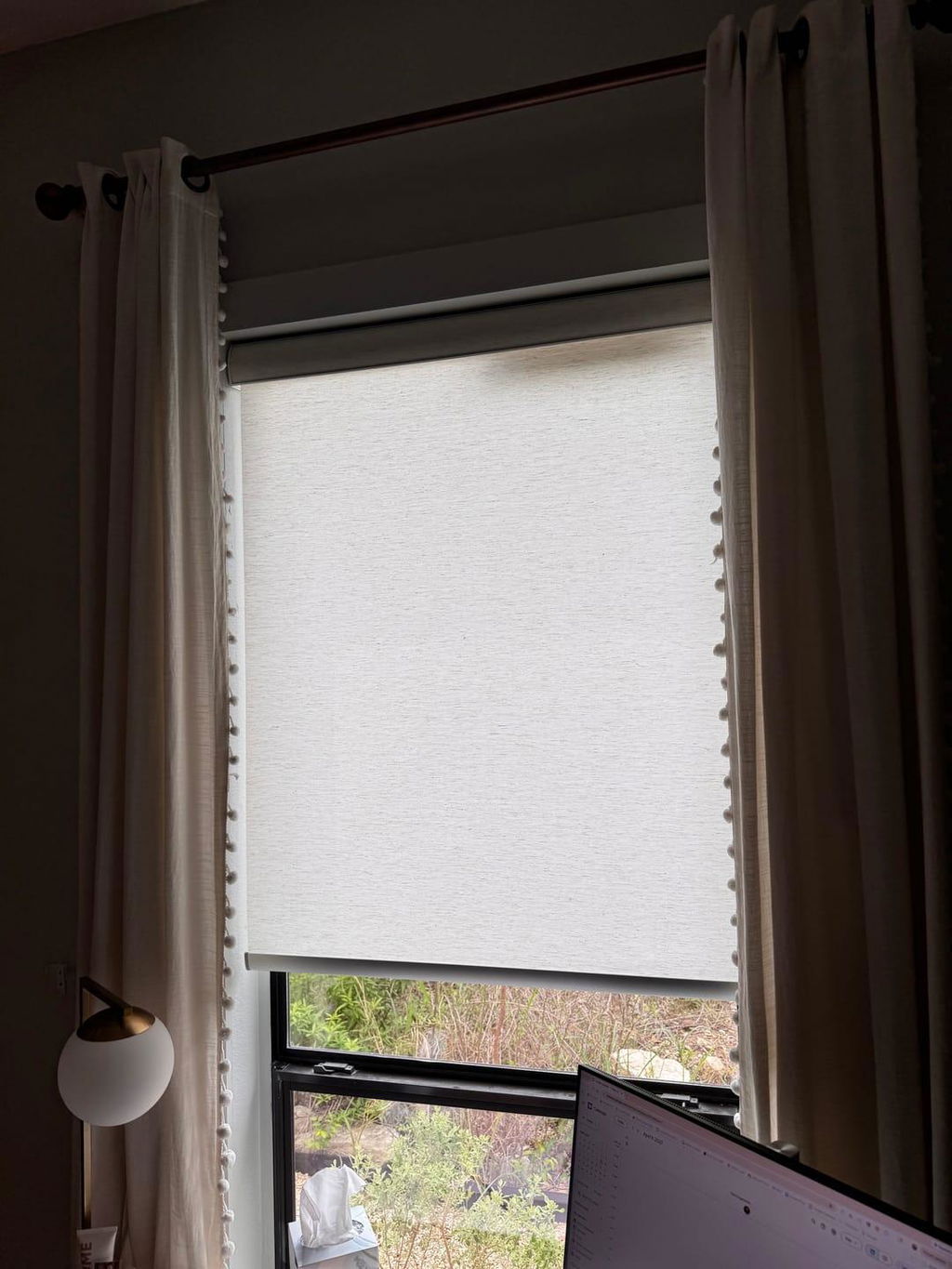
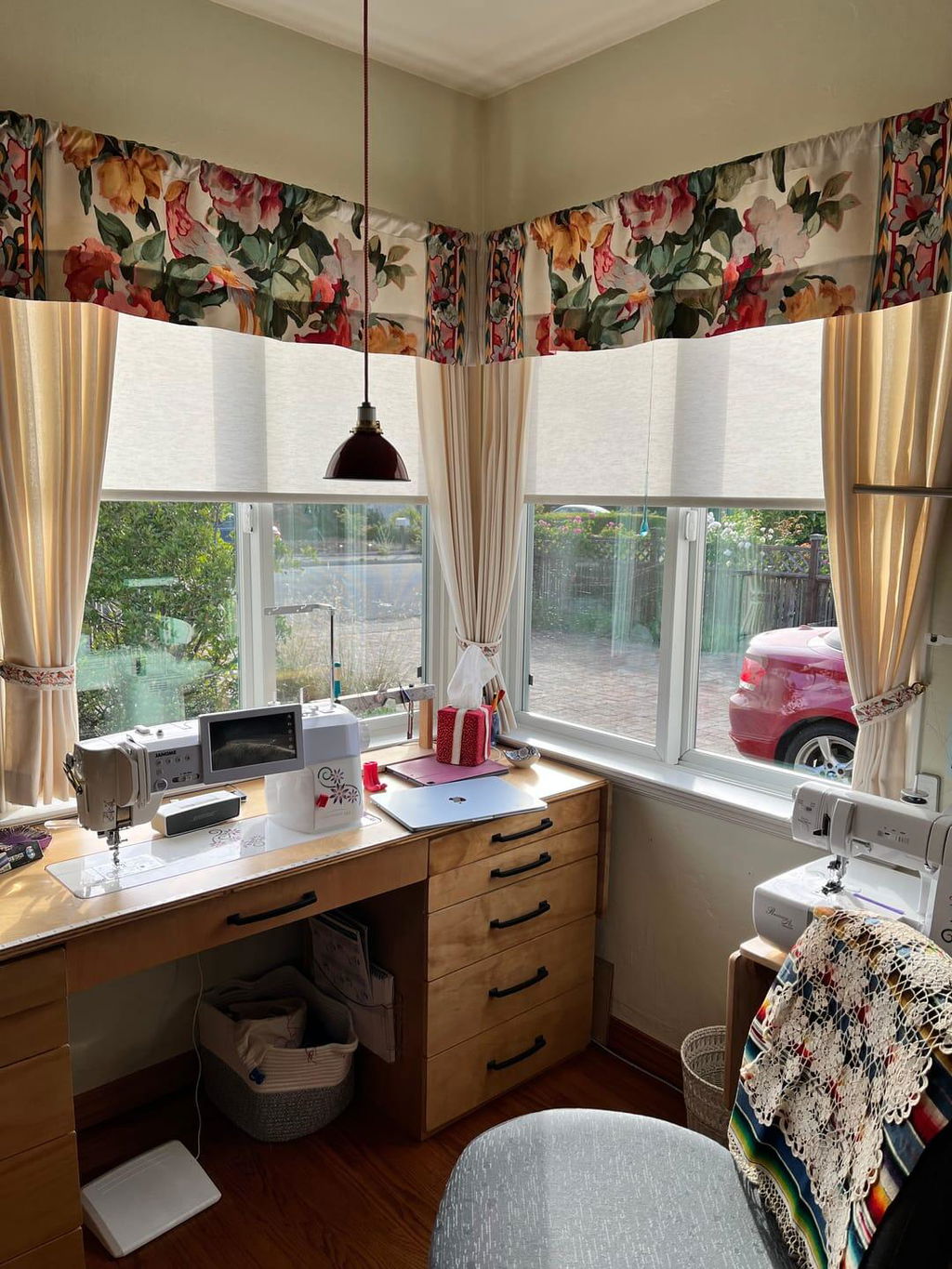
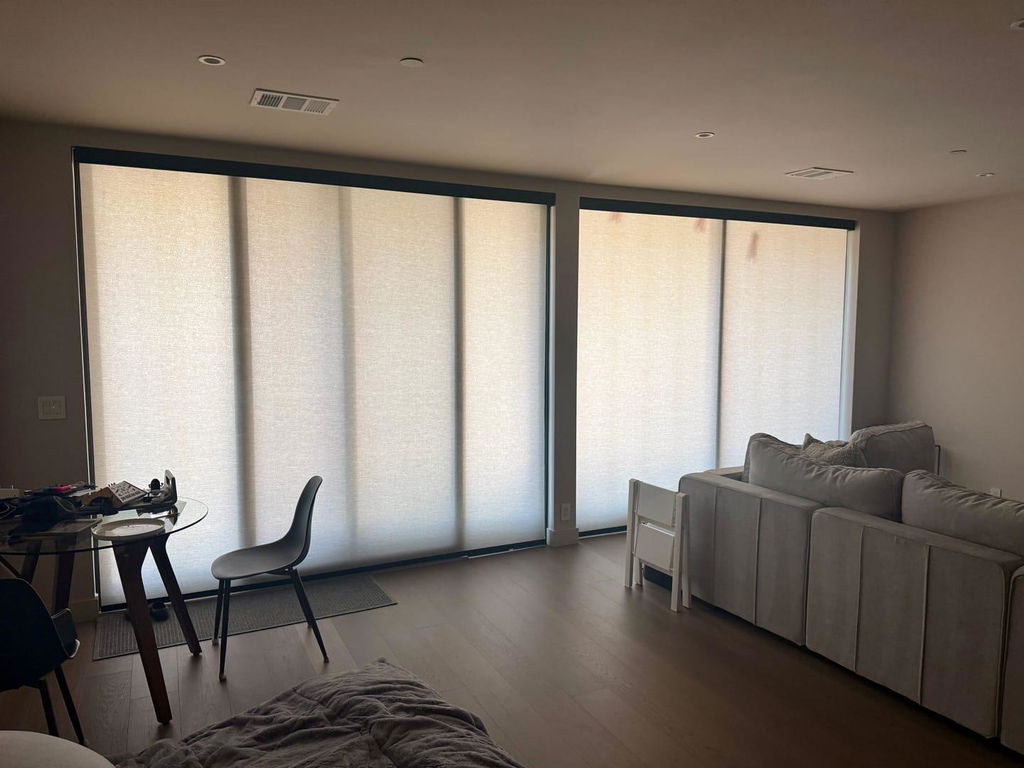
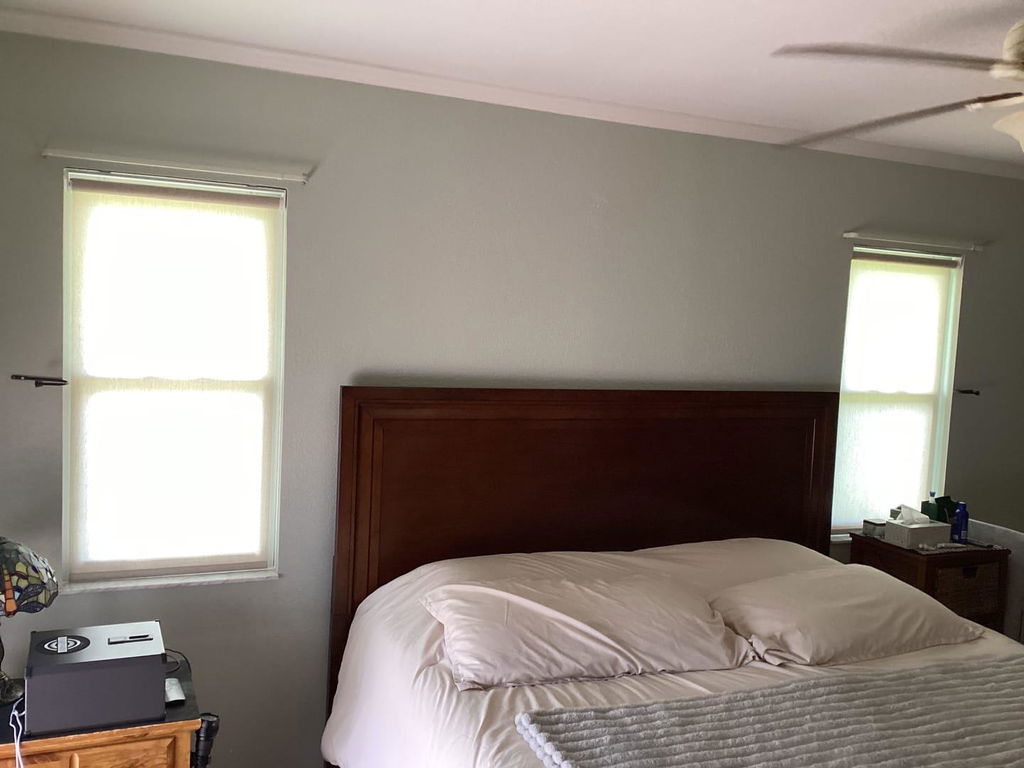
Here is the hard truth: white fabric is a filter, not a wall. When you hang a beautiful 300 gsm white linen shade without a proper lining, you are essentially creating a giant lampshade for your window. During the day, the light doesn't just bounce off the front; it bores through the fibers from the back.
This 'glow' is rarely the clean white you see on Pinterest. Depending on the time of day, your expensive shades will either look like a muddy yellowish-grey or show every single slub and imperfection in the weave in high-contrast silhouette. To keep that crisp, high-end look, you need a privacy lining. It acts as a light-blocker that preserves the integrity of the white fabric, ensuring it looks the same at 2 PM as it does at 10 PM.
Why the Right Undertone Matters More Without Cords
Because cordless shades lack the visual clutter of strings and pulleys, they act more like architectural panels than soft drapery. This means the color has to be dead-on. If your window trim is painted a creamy white and you choose a stark, blue-toned white shade, the shade will make your trim look dirty. Conversely, a warm white shade against cool grey walls can end up looking like a nicotine stain.
I always tell clients to hold their fabric swatches directly against the window casing. Choosing between Stark White vs. Off-White Roman Shades is the most stressful part of the process, but getting it right ensures the shade feels like a built-in part of the room rather than an afterthought. If you are in doubt, go one shade warmer than you think you need; the sun has a way of cooling down whites once they are vertical.
The Fingerprint Dilemma: Touching White Fabric Every Day
The biggest hesitation people have with white roman shades cordless systems is the 'touch' factor. You are physically grabbing the shade to move it, and skin oils are the natural enemy of white linen. Most modern Roman shades now come with a hidden clear handle or a reinforced pull tab on the back of the bottom rail. Use it.
If you have kids or pets, look for a polyester-linen blend. A 100% natural flax linen is gorgeous, but it holds onto oils like a sponge. A blend with a bit of 'bounce' will resist those inevitable smudges better. I also recommend a 'flat fold' style for high-traffic windows because there are fewer deep crevices to trap dust and pet hair than you find in more decorative styles.
Flat Fold vs. Hobbled: How Shadows Change the Color White
Construction matters just as much as color. A flat fold shade is exactly what it sounds like—a smooth, flat piece of fabric when lowered. It stays bright because the light hits a uniform surface. A hobbled or waterfall fold, however, has permanent soft pleats that cascade down the front.
While hobbled shades look romantic, those folds create horizontal shadows. On a white shade, those shadows read as grey stripes. If you want your windows to look light, airy, and 'disappearing,' stick with the flat fold. If you want the window to be a focal point with texture, go hobbled, but be prepared for the fabric to look a half-shade darker than the swatch once it is installed.
When a Single White Shade Is Not Enough
Sometimes we ask too much of one piece of fabric. You want it to be sheer enough to let light in during the day, but thick enough that the neighbors can't see your silhouette at night. A single white shade with a heavy blackout lining often looks stiff—almost like a sheet of cardboard hanging in your window.
For rooms where you need both, I often pivot to cordless custom double roller blinds or a layered approach. You get the soft, white aesthetic on the front, but a functional secondary layer handles the heavy lifting of light control. It prevents that 'stiff' look while giving you total control over your privacy.
Are Day/Night Hybrids the Ultimate Fix?
If you are still worried about the lining making the shade too heavy or the lack of lining making it too sheer, consider day night shades. These are the ultimate problem-solvers for the white-fabric-lover. They allow you to toggle between a sheer white that filters the sun and a solid privacy layer for the evening.
In my own guest room, I learned the hard way that a single unlined white shade was a mistake. I spent three nights being woken up by the 5 AM summer sun before I finally admitted defeat and added a secondary blackout layer. It wasn't the 'minimalist' look I planned, but it was the only way to keep the room white without living in a lightbox.
FAQ
Can I wash white cordless roman shades?
Usually no. Most are 'dry clean only' or spot clean. Because of the internal cordless mechanism and the pleat ribs, putting them in a washing machine will ruin the structure. Stick to a vacuum brush attachment for dust and a white cloth with mild soap for spots.
Do white shades turn yellow over time?
Cheap synthetic fabrics will yellow from UV exposure. High-quality polyester blends and treated linens are much more resistant. This is another reason why a lining is vital—it absorbs the brunt of the UV damage so your face fabric stays bright.
How do I measure for an inside mount?
Measure the width at the top, middle, and bottom of the window frame. Use the smallest measurement. Most manufacturers will take a small deduction (usually 1/8 to 1/4 inch) so the shade doesn't rub against the casing, but always check their specific guide before ordering.