The Hidden Hardware Problem With Double Layered Roller Blinds
I remember the first time I tried to solve the 'glare vs. darkness' dilemma in my own living room. It was a Tuesday afternoon, and the sun was bouncing off my monitor with such aggressive intensity that I couldn't see my own spreadsheets. I wanted a soft, diffused light to work by, but I also knew that come movie night, I’d want total blackout. I didn't want the visual clutter of bulky drapes, so I started looking into double layered roller blinds. It seemed like the holy grail of window treatments: two fabrics, one window, zero compromises.
Quick Takeaways
- Standard dual brackets require at least 4 inches of window depth for a flush inside mount.
- Shallow windows will suffer from an 'underbite' where the hardware protrudes into the room.
- Outside mounting above the trim is often the cleaner architectural choice for modern homes.
- Custom pelmets or cornices are the best way to hide the industrial look of twin brackets.
The Irresistible Promise of Two-in-One Shades
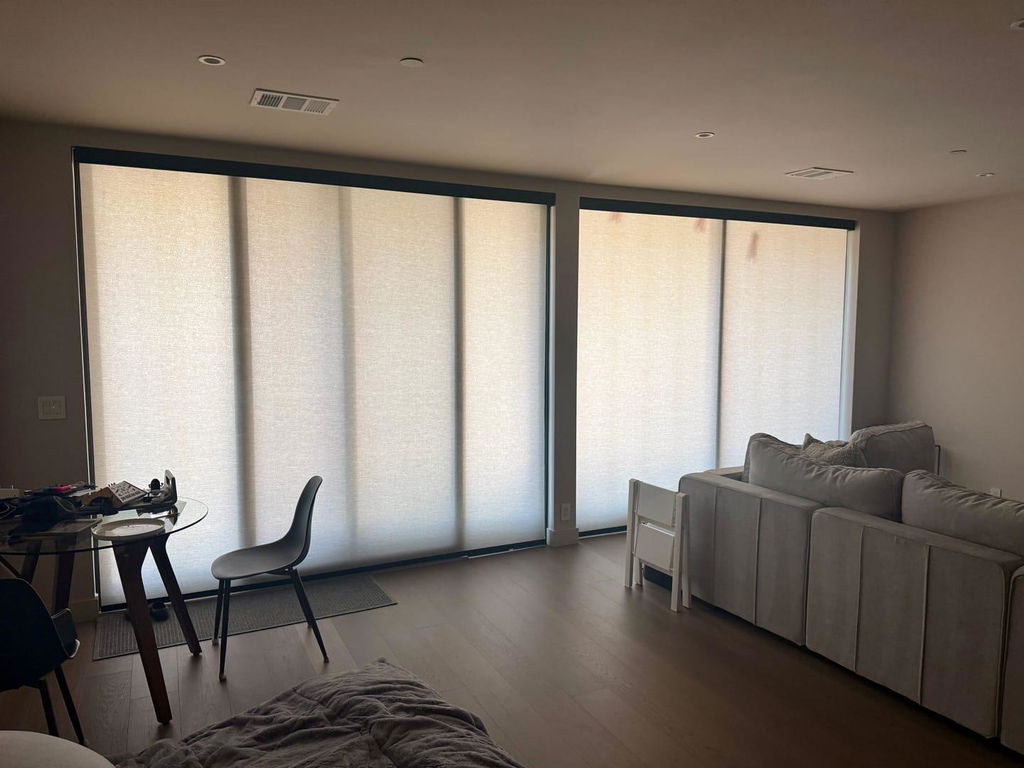
The appeal is obvious. You get a sheer layer—usually a 1% or 3% openness solar screen—that kills the glare and protects your furniture from UV damage during the day. Then, tucked right behind it, is a heavy-duty blackout fabric for when you want to disappear from the world. This concept of two way roller blinds has effectively killed the old-school tradition of layering heavy, dust-trapping velvet drapes over cheap plastic shades. It’s clean, it’s functional, and it looks incredibly high-end when done right.
When I’m working with a client who wants that minimalist, hotel-luxe vibe, I often point them toward something like the Canisteo motorized custom double roller blinds. Going motorized removes the messy tangle of four different chains hanging in your window frame, which is the quickest way to make an expensive treatment look cluttered. The functional magic here is that you aren't choosing between a view and privacy; you're choosing the level of both based on the hour of the day.
The 4-Inch Clearance Rule Nobody Warns You About
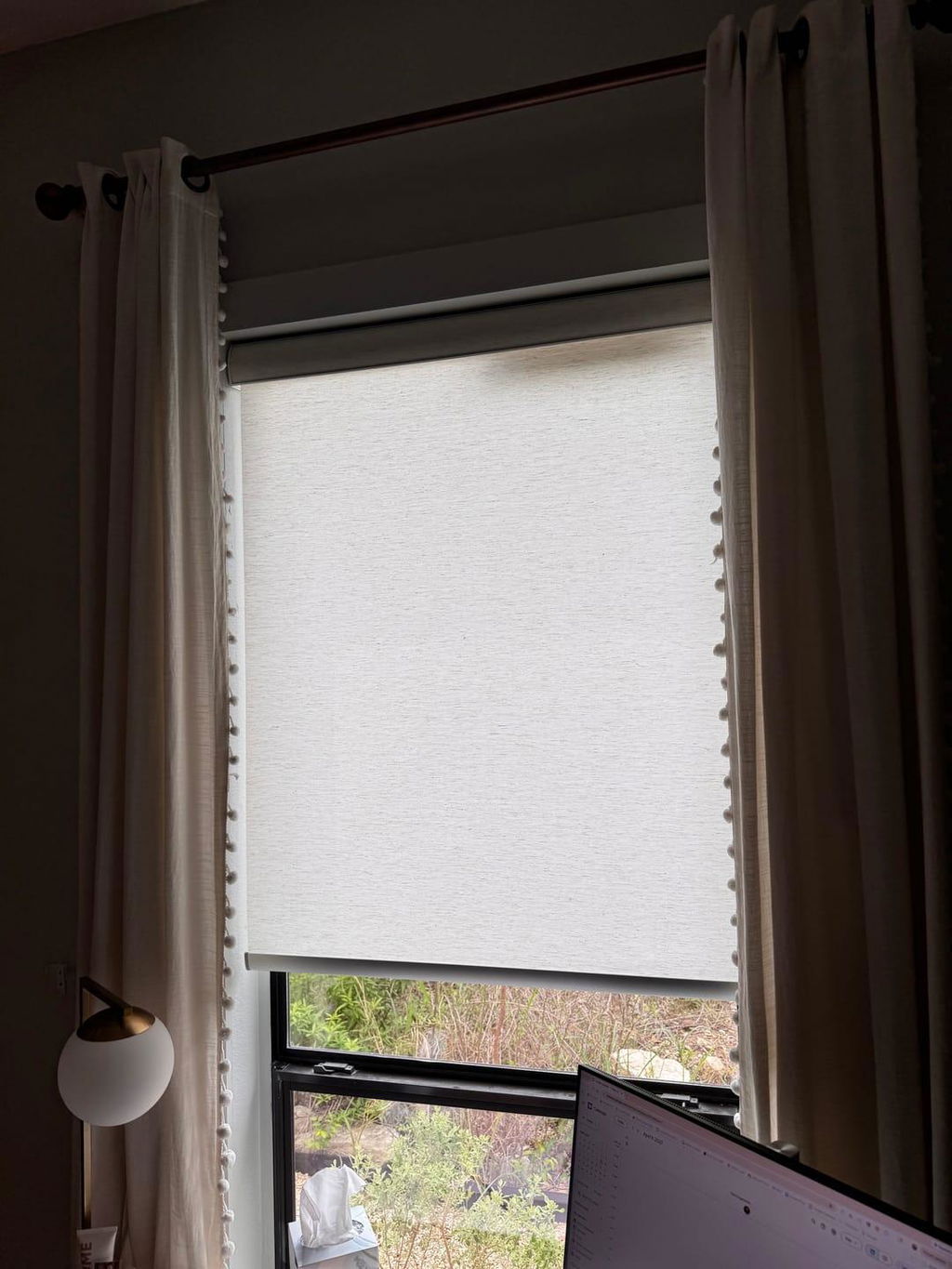
Here is where the dream usually hits a wall—literally. To house twin blinds, you aren't just installing one roller; you're installing two separate rolls of fabric, two sets of brackets, and two independent mechanisms. Physics doesn't care about your design aesthetic. These components need space. Most standard dual brackets require about 4 to 4.5 inches of depth to sit entirely inside the window frame.
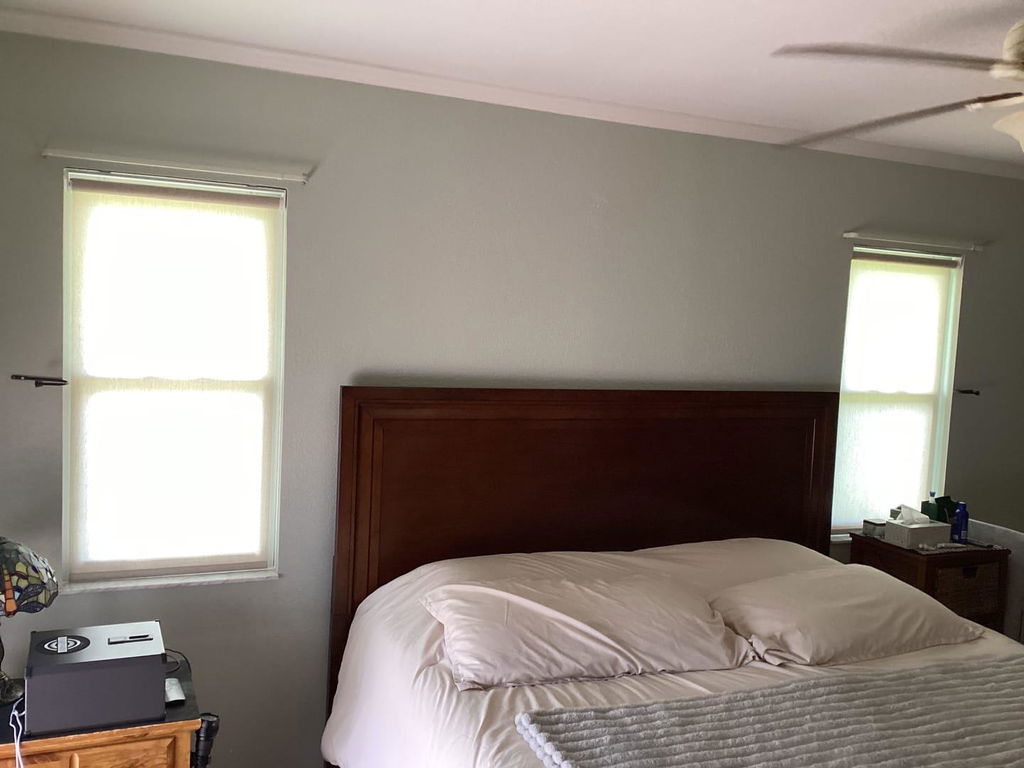
The problem? Most modern suburban windows only have about 2 to 2.5 inches of recessed depth. If you try to force an inside mount here, the hardware is going to stick out nearly two inches past your drywall. It creates this awkward, heavy overhang that catches dust and looks like an afterthought. Especially when we are talking about dual roller blinds for bedroom windows, where you want that seamless, cozy look, seeing the silver metal guts of a bracket protruding from the wall is a total mood-killer.
Inside Mount vs. Outside Mount: Choosing Your Battle
If your windows are shallow, you have to make a choice: the 'underbite' inside mount or the 'proud' outside mount. I’ve seen people try to hide a protruding inside mount with skinny trim, but it never quite works. The shade looks like it’s bursting out of the frame. Instead, I often recommend an outside mount. By installing the system 3 or 4 inches above the window casing and extending it 2 inches past the sides, you make the window look taller and more substantial.
You have to weigh if the double roller blinds sheer and blackout combo is worth the extra real estate they take up on your wall. In a tight hallway or a small bathroom, that 4-inch projection can feel like a lot. But in a master suite or a wide-open living area, the depth adds a nice architectural layer. The trick is to ensure the bracket is sturdy enough; two rolls of fabric, especially at a 96-inch drop, weigh significantly more than a single shade. You’re going to want to hit a stud, or you’ll be patching drywall by Christmas.
When You Should Actually Pivot to Dual Roman Blinds
I love a roller shade, but they aren't the answer for every house. If you live in a 1920s craftsman or a home with deep, beautiful crown molding, a massive aluminum double-roller cassette can look like a piece of industrial equipment that got lost. In these cases, I steer my clients toward dual roman blinds. You get the same two-layer functionality—a sheer linen layer and a blackout lining—but the aesthetic is much softer.
With custom Roman shades, the fabric stacks into elegant pleats rather than rolling into a rigid metal box. This softens the edges of the window and feels much more intentional in a traditional setting. You still get that day-to-night flexibility, but you’re trading the 'tech-forward' look of a roller for something that feels like actual tailoring. It’s the difference between a sleek tech vest and a bespoke wool coat.
The Custom Pelmet Hack That Saves Protruding Shades
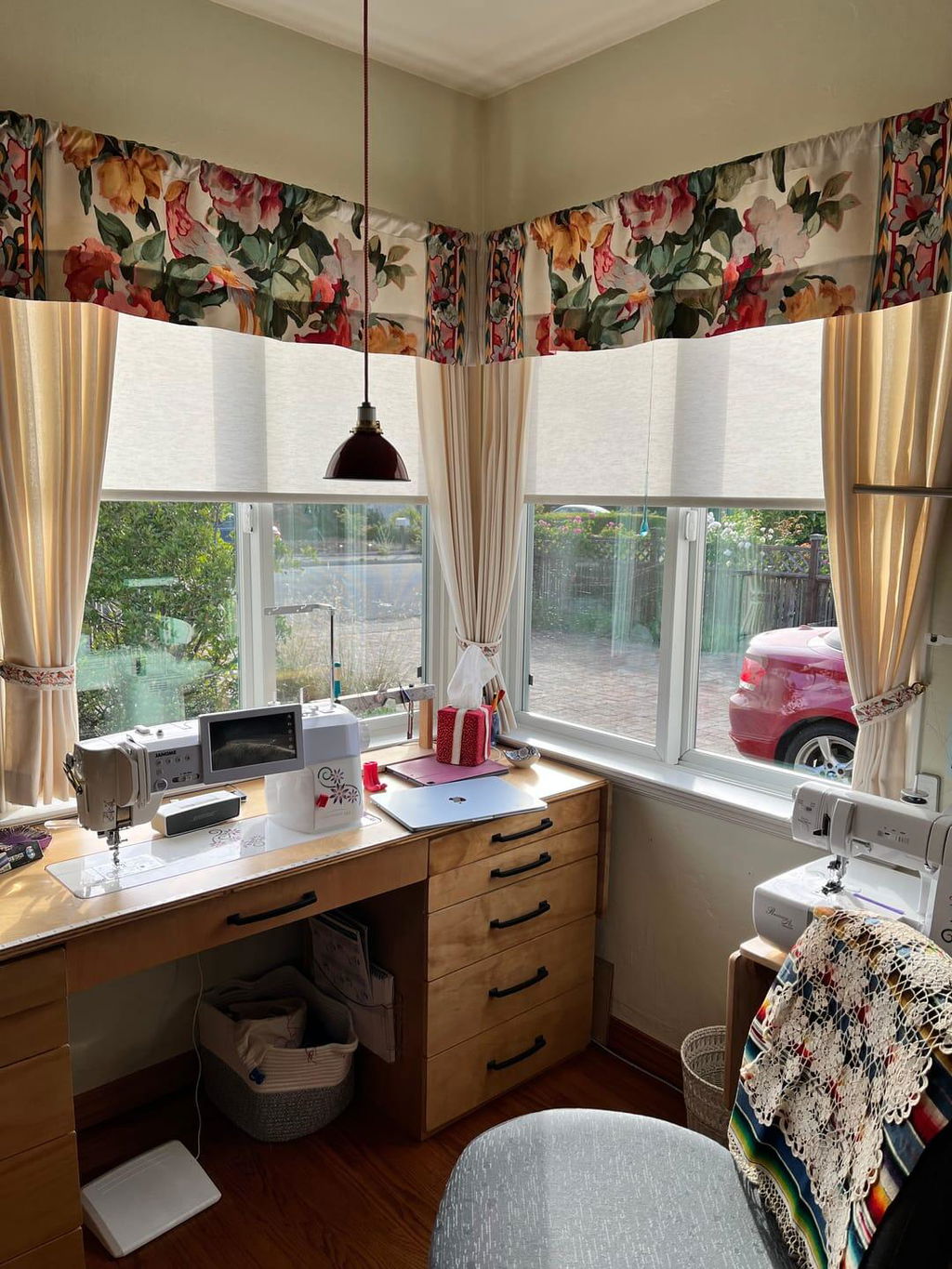
If you’ve fallen in love with the functionality of double layered roller blinds but hate the look of the hardware, don't panic. The pro move is the custom pelmet (or cornice). You can build a simple U-shaped box out of MDF, paint it the exact color of your walls, or wrap it in the same fabric as your shades. This box sits over the top of the brackets, hiding the rolls and the mounting hardware entirely.
This is how you get that 'built-in' look. When you hide the mechanics, modern roller shades look like they are simply descending from the ceiling. It turns a bulky hardware problem into a high-end design feature. I once did this in a rental using a lightweight foam board wrapped in a grey 200 gsm linen, and it completely changed the room. It looked like a five-star hotel suite rather than a DIY project gone wrong.
My Design Disaster Story
I once ordered a set of dual rollers for a client's sunroom without double-checking the depth of their specific window brand. I assumed they had the standard 3 inches. They had 1.5. When I held the bracket up, it looked like a shelf sticking out of the window. I had to pivot on the fly and build custom wooden valances to hide the mistake. It cost me an extra weekend of work and two coats of semi-gloss white paint, but it taught me one thing: always, always measure the depth before you fall in love with the fabric.
FAQ
Can I use two different colors for my double layered roller blinds?
Absolutely. In fact, I recommend it. I usually pair a crisp white or light grey sheer with a darker, more textured blackout shade. It adds depth to the window and makes the treatment look like a deliberate design choice rather than a utility item.
Are dual roller blinds hard to clean?
They take a bit more effort because you have two surfaces to dust. Use a vacuum with a brush attachment on a low setting once a month. Because the layers are close together, pet hair can sometimes get trapped between the two rolls, so keep an eye on that.
Do I need two separate remotes for motorized dual shades?
No, most high-end systems allow you to program a single multi-channel remote. You can control the sheer and the blackout independently or move them both at the same time with one button press.