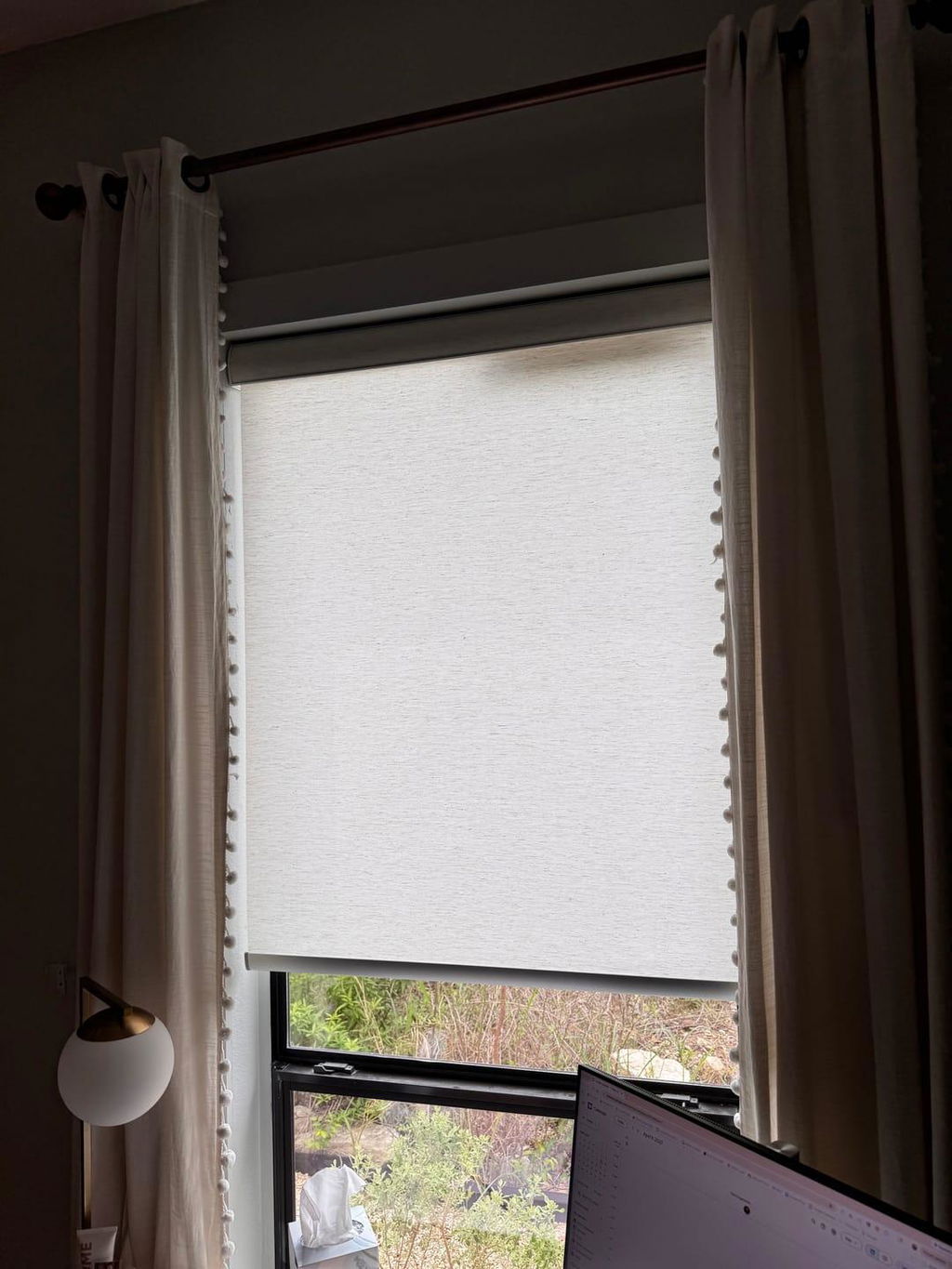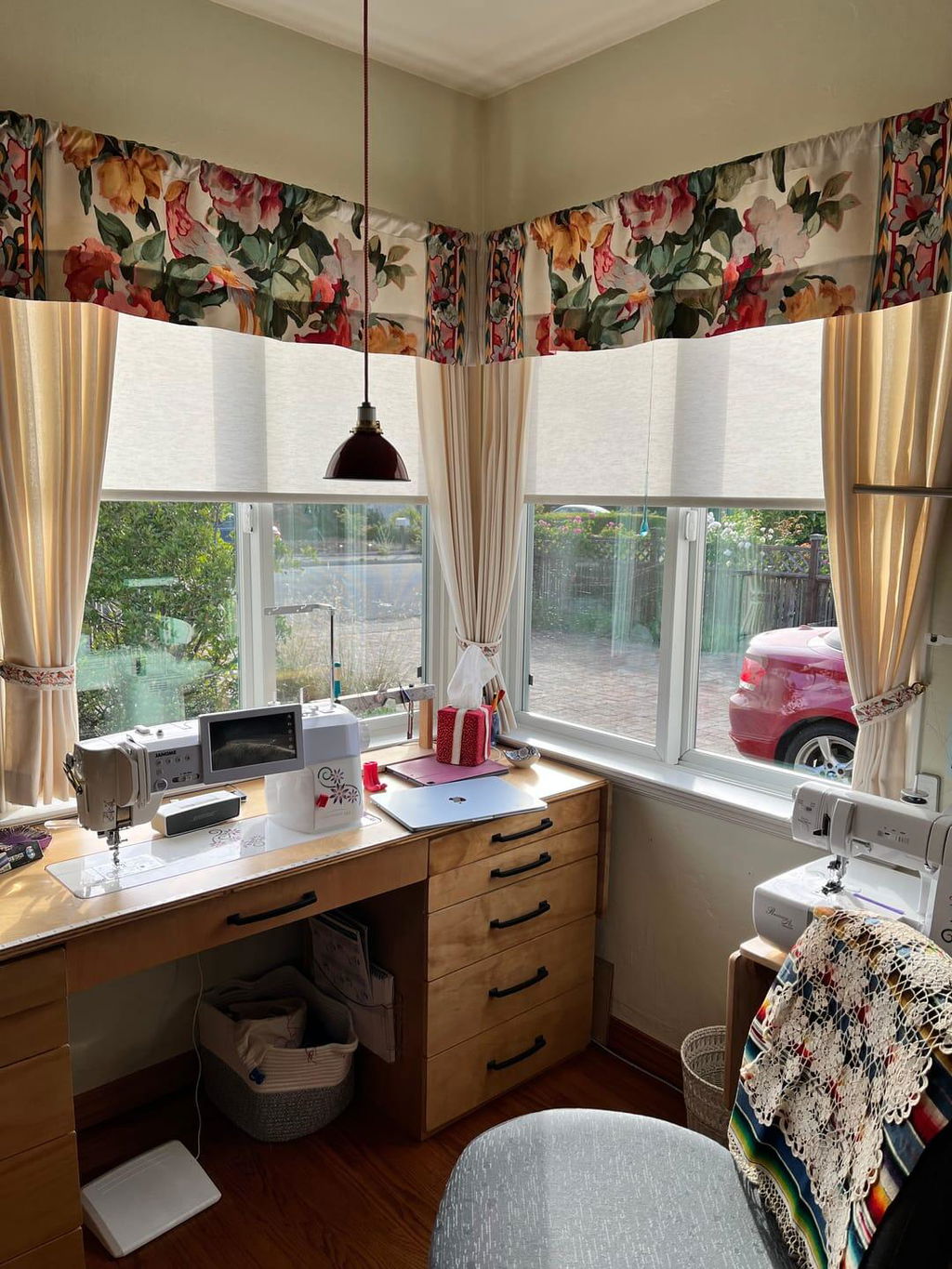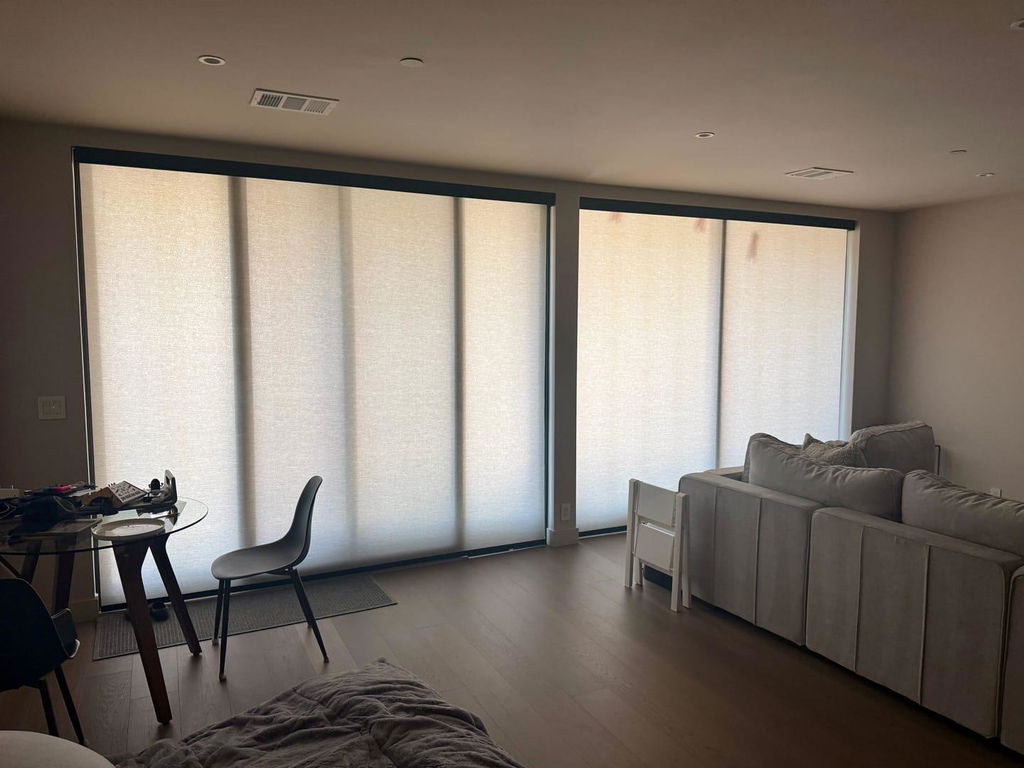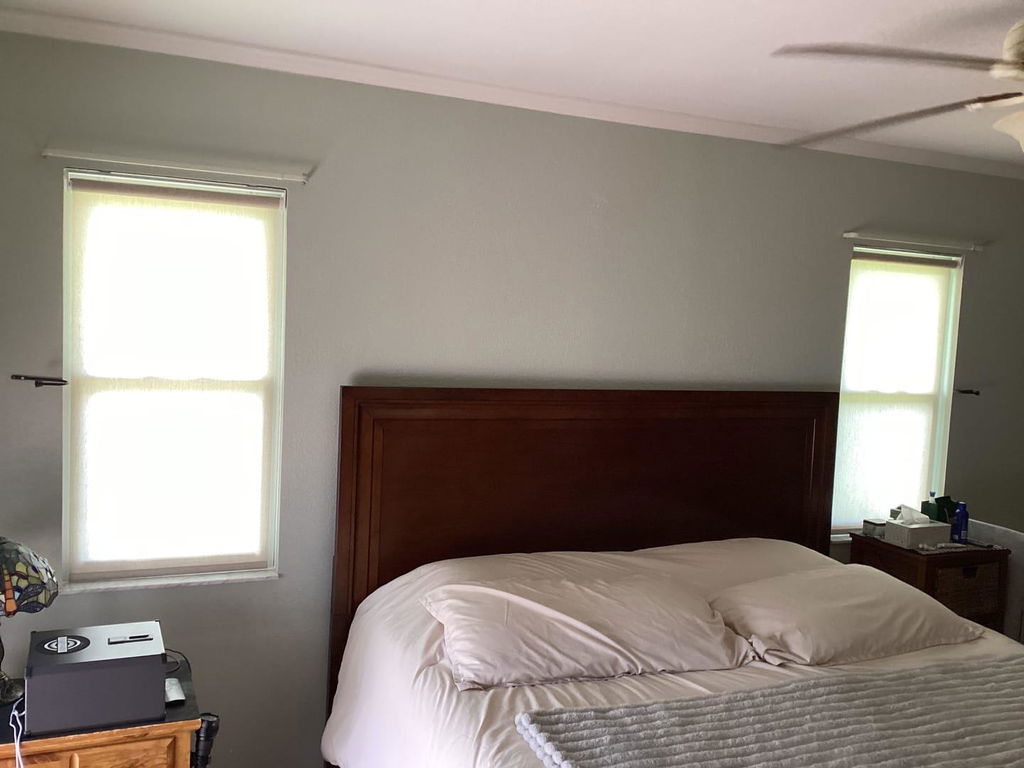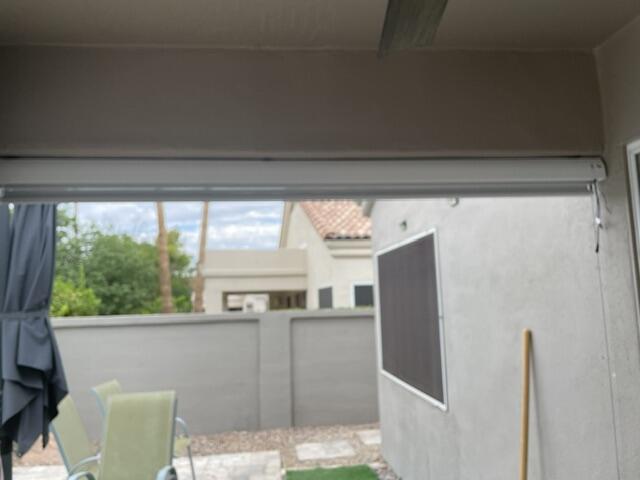
The First-Floor Privacy Fix: Automatic Top Down Bottom Up Shades
I remember moving into my first garden-level apartment in a busy neighborhood. For the first three days, I lived in a state of semi-permanent crouch because the sidewalk was exactly four feet from my window. I eventually bought heavy, 300 gsm velvet drapes to hide from the world, but by noon, I felt like I was living in a damp basement. I had successfully blocked the neighbors, but I had also blocked the sun, the sky, and my own sanity.
The struggle is real for anyone in a street-facing unit or a house where the neighbor's driveway is uncomfortably close to the dining room. You want the light that hits the top of the window, but you don't want to be a literal exhibit for passersby. This is where automatic top down bottom up shades become the most valuable tool in your design kit.
Quick Takeaways
- Maintains natural light while blocking sightlines from the street.
- Eliminates the 'fishbowl' feeling of first-floor living.
- Motorization solves the struggle of reaching over furniture or tubs.
- Programmable schedules automate your privacy based on the sun.
The Ground-Floor Dilemma (And Why Standard Drapes Fail Here)
Street-facing windows and first-floor bathrooms present a unique architectural challenge. Standard curtains are binary: they are either open or closed. If you open them halfway horizontally, you are still exposing the most vulnerable part of your living space to anyone walking their dog. If you keep them closed, you're lighting candles at 2 PM just to see your coffee table.
I recently worked with a client who had a gorgeous 1920s bungalow with massive front windows. She loved the architecture but hated that she couldn't sit on her sofa in leggings without feeling watched. We discussed How Motorized Top Down Bottom Up Shades Fixed My Fishbowl Home for a similar project, and it clicked. Standard window treatments force a compromise that usually ends in a dark, uninspiring room.
Enter the Magic of Dropping the Top
The beauty of this system is in the physics of light. Natural light is most effective when it bounces off the ceiling and reflects down into the center of a room. By leaving the bottom 36 to 48 inches of a window covered, you create a private cocoon. By dropping the top of the shade down, you allow that high-angle sunlight to stream in.
It creates a soft, diffused glow that makes a room feel airy without the exposure. When you transition to smart top down bottom up shades, you aren't just getting a window covering; you're getting a light-management system. It’s the modern evolution of the old-school cafe curtain, but without the fussy fabric ties and the dust-collecting rod in the middle of your glass.
The Awkward Truth About Manual Lift Systems
I have spent years reaching over deep kitchen sinks and leaning precariously over freestanding soaking tubs to adjust manual shades. It is a recipe for a pulled muscle or a wet sleeve. Manual top-down systems often involve a confusing web of cords that tangle if you look at them wrong. This is the primary reason I tell people to go digital.
Clients always ask: can top down bottom up shades be motorized? The answer is a resounding yes, and they absolutely should be. When you motorize the lift, you eliminate the cords entirely, which is safer for kids and pets and significantly cleaner for the eyes. No more fishing for a cord behind a heavy velvet sofa or trying to reach the top of a 96-inch window frame while standing on your tiptoes.
Cellular vs. Roller: Which Style Fits Your Room?
Most people associate this functionality with cellular (honeycomb) shades. The pleated structure is great for insulation—those 3/4-inch cells create a thermal barrier that is a lifesaver in drafty older homes. However, if you want a more streamlined, architectural profile, motorized bottom up roller shades are the way to go. They offer a flatter, crisper look that fits perfectly in minimalist or mid-century modern spaces.
If you have deep window casements, you can even layer these. I love putting a sleek shade inside the mount and framing it with a high-hung, 108-inch linen drapery panel for texture. While I often recommend a standard Roller Shades setup for upper-floor bedrooms, the top-down functionality is non-negotiable for ground-floor spaces where the 'fishbowl' effect is a daily reality.
Getting Real About Bedroom Blackout Needs
In a primary bedroom or a nursery, light control is about more than just aesthetics—it’s about sleep. Motorized top-down bottom up blackout shades offer a level of flexibility that standard rollers can't touch. You can keep the room in total darkness for a Saturday morning sleep-in, then use the remote to lower the top six inches. You get a glimpse of the morning sky while you're still tucked under the duvet, all while keeping the neighbors from seeing into your bed.
If you find the top-down look too 'techy' for a cozy bedroom, there are alternatives. The Canisteo Motorized Dual Roller Shades Cordless Custom Double Roller Blinds are a fantastic choice if you prefer a 'sheer during the day, blackout at night' vibe. But for pure privacy-plus-light-management, the top-down blackout system is the gold standard.
Setting the Scene: Living With Automated Scheduling
The real 'aha' moment comes when you sync your top down bottom up automated blinds to a hub. I have mine set to a 'Morning' scene. At 7:30 AM, the top 20% of the shades drop to let in the sun, but the bottom stays closed so I can walk to the kitchen for coffee in my robe. At sunset, the shades close completely, sealing the house for the evening.
This removes the daily chore of walking from room to room, tugging on cords and adjusting levels. It’s about creating a home that responds to your rhythm. I once installed a set of manual shades in a client's guest room, and they never moved them once because they were too annoying to reach. When we swapped them for a smart system, the room finally felt like part of the house again.
Frequently Asked Questions
Are motorized shades loud?
Not at all. Most high-quality motors produce a soft, low-frequency hum that is quieter than a conversation. In a quiet room, you'll hear it, but it's never jarring.
How do I charge them?
Most modern systems use a built-in lithium-ion battery. You simply plug a long USB-C cable into the headrail once every 6 to 12 months, depending on how often you move them. It's as easy as charging your phone.
Can I still move them by hand?
Generally, no. Motorized shades are designed to be moved by the motor to protect the internal components. Using your hands can actually damage the calibration, so stick to the remote or the app!