The Fabric Weight Rule for Rollup Window Shades That Don't Look Cheap
I remember the first time I tried to 'fix' a sun-drenched living room with a set of off-the-shelf vinyl shades. It was a Tuesday afternoon, the light was blinding, and by Tuesday evening, my windows looked like the back of a grocery store. The shades were stiff, they smelled faintly of a shower curtain, and they refused to hang straight. That was the day I realized that rollup window shades aren't just utility items—they are large-scale fabric installations that can either anchor a room or make it look like a temporary construction site.
- Choose fabrics between 300 and 450 gsm for a soft, stable drape.
- Avoid 100% PVC coatings to prevent edge-curling (the 'cupping' effect).
- Look for aluminum bottom bars to keep the fabric taut and straight.
- Opt for woven textures like linen-polyester blends to avoid the 'projector screen' look.
Why So Many Blinds That Roll Up Look Like a Dorm Room
We have all been there. You move into a place, the privacy is zero, and you run to the nearest big-box store for anything that covers the glass. Usually, that means basic white vinyl blinds that roll up. They are functional, sure, but they have the aesthetic soul of a filing cabinet. They feel sterile because they lack any light-filtering depth. When the sun hits them, they don't glow; they just block, creating a flat, dead surface in your room.
I realized the hard way that these 'temporary' fixes often stay up for years. I eventually reached a breaking point where I couldn't stand the coldness of my office. I Swapped Plain Blinds For Decorative Window Shades And The Room Woke Up, and the difference was staggering. Moving away from plastic toward a textile with actual weave transformed the light from harsh to atmospheric. If your window treatments feel like an afterthought, the whole room feels unfinished.
The Stiff Fabric Problem: Why Your Roll Up Blind Won't Hang Straight
The biggest enemy of a high-end roll up blind is 'cupping.' This is when the vertical edges of the shade start to curl inward toward the glass, making the whole thing look like a piece of old parchment. This almost always happens with cheap, heavily PVC-coated fabrics. These materials are essentially plastic sheets. They are sensitive to temperature changes, and once they develop a 'memory' of being rolled up, they refuse to lay flat when deployed.
When you choose a roll up window blind, you want a material that has a bit of 'give' but enough structural integrity to resist the heat of the sun. Pure vinyl is too rigid. I always look for a polyester-base fabric with a high-quality acrylic coating rather than a thick PVC layer. It allows the window shade to behave like fabric rather than a stiff board. If you can see a visible weave when you hold it up to the light, you are on the right track.
The Physics of Retracting Roller Blinds
There is a delicate balance between the weight of the fabric and the strength of the spring or motor in retracting roller blinds. If the fabric is too light, it flutters every time someone walks by. If it is too heavy, the internal tube will 'smile'—bowing in the center—which causes the fabric to telescope and fray at the edges. For larger windows, I always recommend moving toward motorized dual roller shades. These systems use heavy-duty aluminum tubes (usually 1.5 to 2 inches in diameter) that can handle the tension of high-quality, weighted fabrics without sagging over time.
The 'Drape' Rule for Indoor Roll-Up Window Shades
In the world of curtains, we talk about 'drape' constantly, but we forget it applies to indoor roll-up window shades too. A shade should fall flush against the window trim. To get this right, aim for a fabric weight of at least 320 gsm (grams per square meter). This weight provides enough gravity to pull the fabric down naturally, ensuring those rollable blinds look crisp and architectural.
If you go too thin, like a basic 150 gsm sheer, the shade will look flimsy and cheap. If you go too thick, like a heavy blackout canvas, it becomes bulky on the roll. I've found that a 350 gsm linen-blend is the 'Goldilocks' weight. It offers enough substance to feel premium but remains slim enough to disappear when fully retracted. When sourcing roller shades, always ask for the weight specs. If a manufacturer can't give you the gsm, they are likely selling you a low-grade material that won't last three seasons.
Texture is Everything: Avoiding the White Slab Look
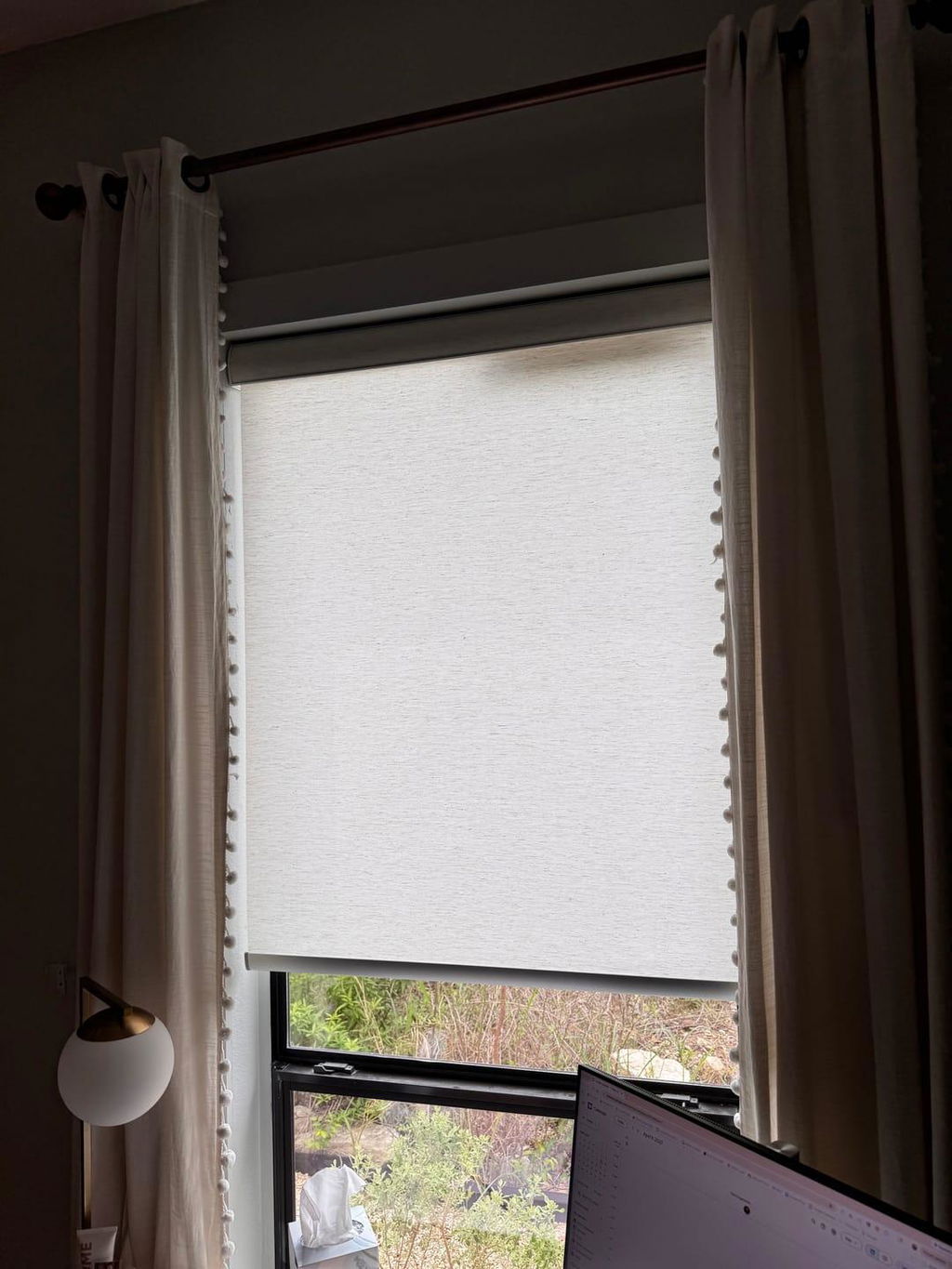
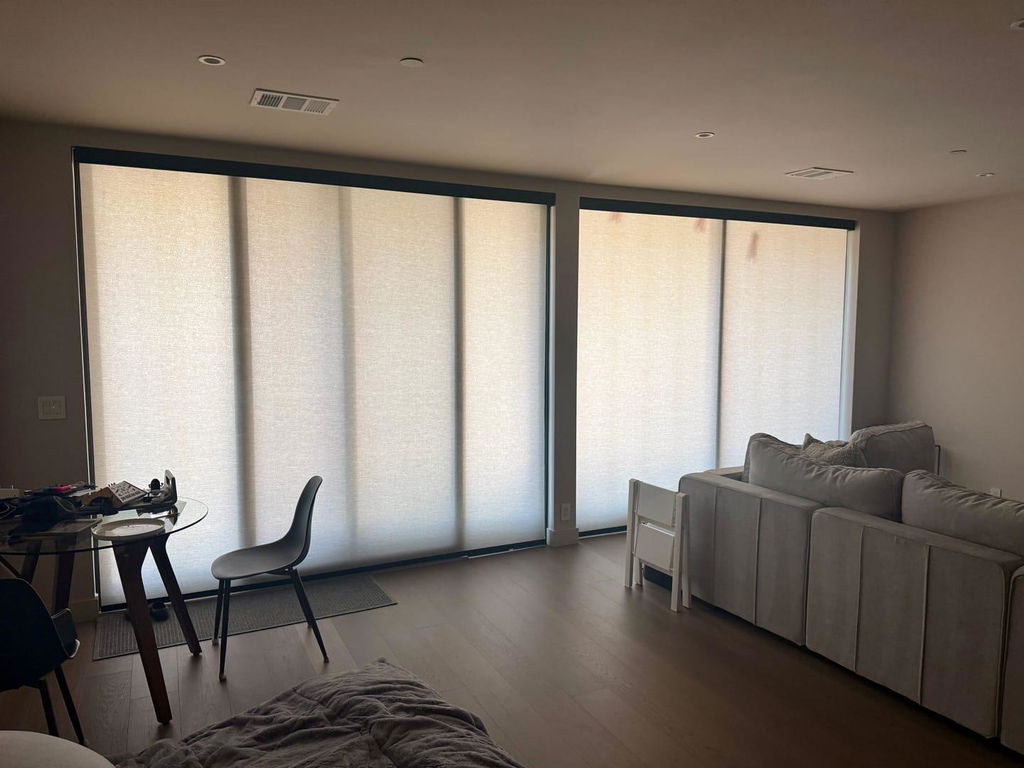
One of my biggest design pet peeves is the 'white slab' effect. This happens when someone installs window blinds that roll up in a flat, matte white plastic. From the street, it looks like you've boarded up your windows with drywall. Inside, it kills the texture of your walls. To avoid this, look for subtle slubs, cross-hatched weaves, or heathered tones. Even a 'white' shade should have a visible grain.
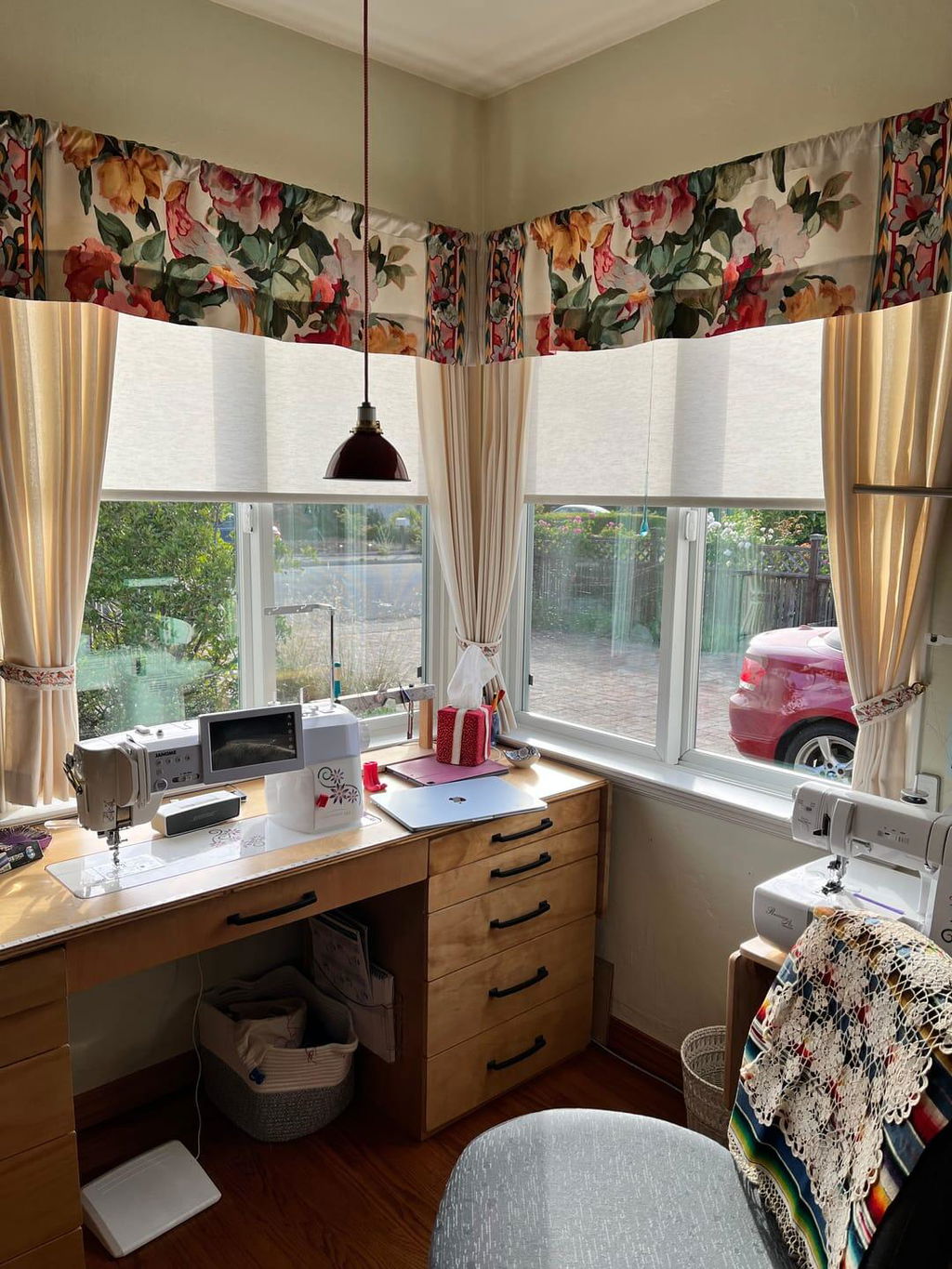
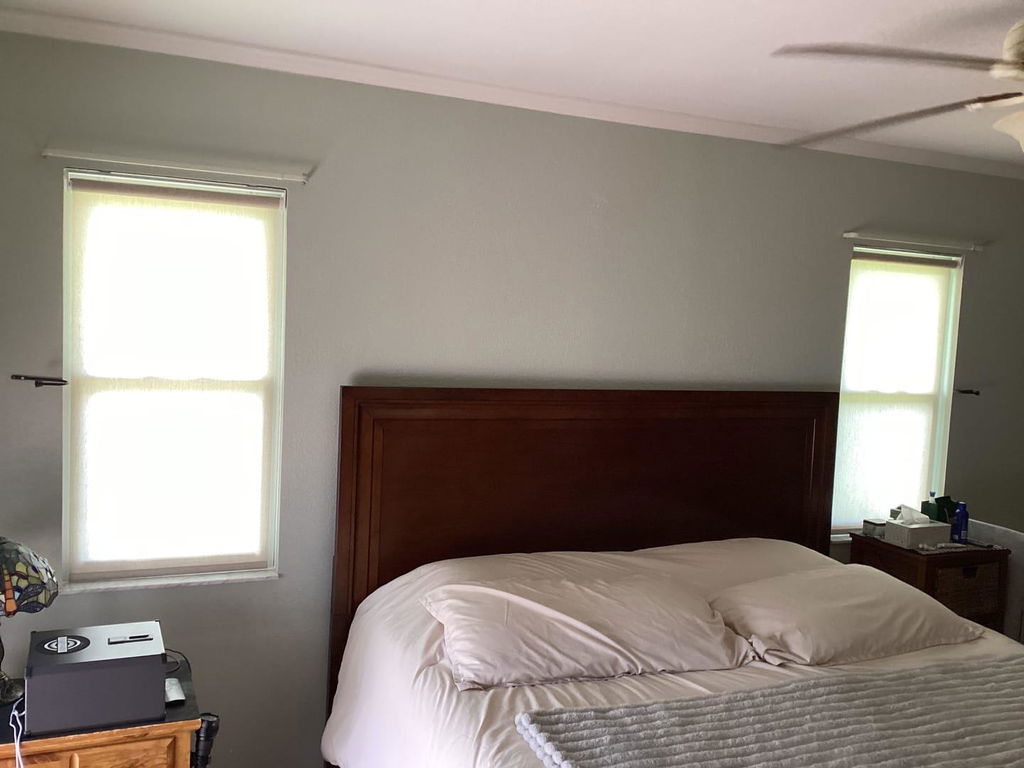
A window shade that rolls up should interact with the light. A soft grey-beige (greige) with a linen-like texture will catch the highlights and shadows of the room, providing a sense of depth. I once installed a set of 'oatmeal' textured shades in a minimalist bedroom, and suddenly the plain white walls felt intentional and warm rather than just empty. It’s about breaking up the flat surfaces of the home with something tactile.
Do You Really Need to Hide Foldable Blinds Behind Curtains?
There’s an old-school rule that says you must layer every hard window treatment with a soft curtain. I disagree. While Why I Always Layer Roll Up Window Shades Behind Linen Drapes is a classic look for a cozy bedroom, a high-quality fold up window blinds installation can stand alone in a modern space. If the fabric is right and the mounting is clean, the shade becomes part of the architecture.
In a kitchen or a home office, foldable blinds or sleek rollers often look better without the clutter of extra fabric. The key is the 'inside mount.' If you can tuck your shade inside the window casing, you show off the woodwork and keep the lines of the room sharp. Only add drapes if you need to hide a poorly positioned window or if the room feels echoey and needs more sound absorption.
The Bottom Bar Hack for Window Blinds Roll Up Perfection
Here is the secret that separates the $50 shades from the $500 ones: the bottom bar. Most cheap window blinds roll up with a thin plastic slat tucked into a sewn pocket. Over time, that plastic warps. To get that perfectly straight, professional look, you need a weighted aluminum bottom bar. Some are 'wrapped' in the same fabric as the shade, while others are exposed metal in finishes like matte black or brushed nickel.
The weight of a metal bar pulls the fabric taut, eliminating those tiny micro-wrinkles that make a shade look messy. I once had a client whose shades were constantly 'waving' at the bottom. We swapped the plastic inserts for custom-cut steel bars, and the transformation was instant. The shades finally looked like they belonged in a magazine rather than a clearance bin.
FAQ
Why are my roller shades curling at the edges?
This is usually due to 'fabric memory' or cheap PVC materials. High heat from the sun causes the plastic to contract, pulling the edges inward. Switching to a high-gsm polyester or linen-blend with an acrylic backing usually solves this.
What is the best fabric for a roll up window blind?
A polyester-linen blend around 350 gsm is the industry standard for high-end residential use. It provides the look of natural fiber with the durability and stability of synthetic thread, meaning it won't shrink or stretch over time.
Can I clean rollable blinds?
Yes, but be careful. Most textured shades should be lightly vacuumed with a brush attachment. For spots, use a damp cloth with mild soap, but never soak the fabric, as it can ruin the stiffening agents that help the shade roll straight.