The 3 Fabric Weights That Actually Work for Blinds and Sheer Curtains
I remember the first time I installed 'high-end' woven woods in my sunroom. I stood back, expecting a magazine-worthy reveal, and instead, the room looked like a high-end crate factory. The windows were too 'loud'—all horizontal lines and scratchy texture. It wasn't until I finally added blinds and sheer curtains that the room actually started to breathe.
- Go for 80-110 GSM for the sheers; anything heavier fights the texture of the blind.
- Mount the rod with at least 5 inches of projection to avoid hardware collisions.
- Linen blends offer the 'slub' texture that mirrors woven wood beautifully.
- A 1-inch 'break' at the floor hides uneven baseboards better than a strict 'kiss' length.
Why Your Woven Woods Look Unfinished (And How to Fix It)
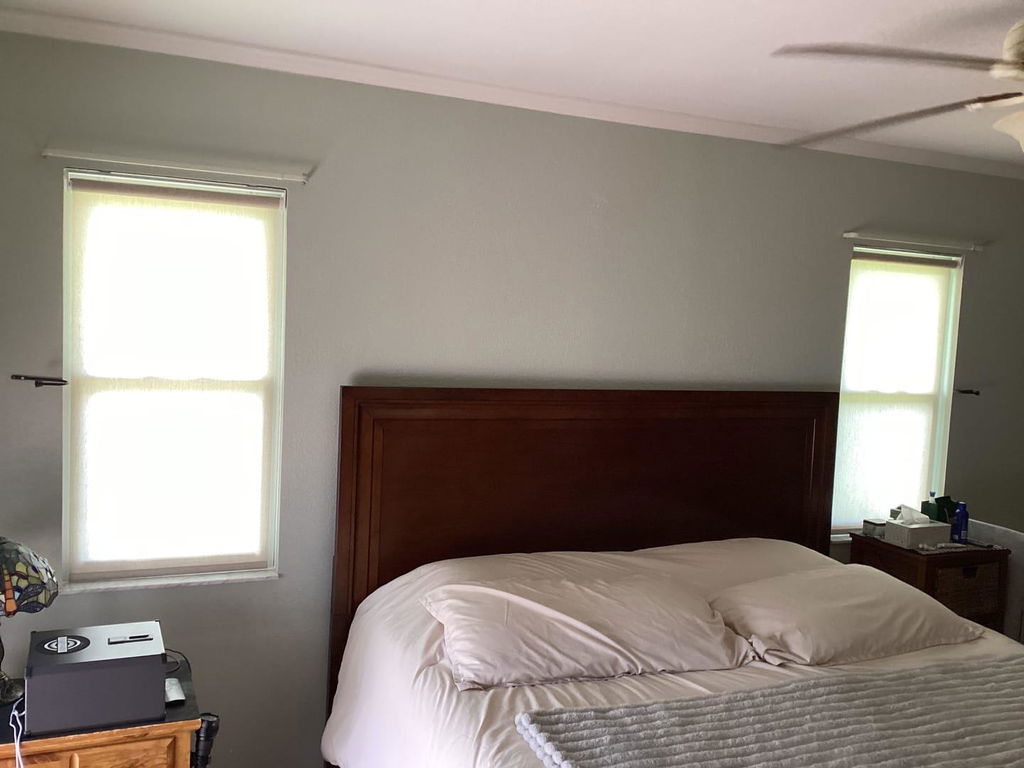
Woven shades are the workhorses of texture. They block glare and provide privacy, but they are visually 'heavy' at the top of the window. Without drapes, the eye stops abruptly at the frame, making the ceiling feel lower than it actually is.
You need verticality to draw the eye up. Softening those hard edges with a sheer panel acts like a frame for a painting; it tells the eye where to rest. When you leave a woven wood blind on its own, the room often feels top-heavy, as if the window is wearing a thick sweater with no pants. Adding that soft vertical layer balances the visual weight.
The Golden Rule of Blinds and Sheer Curtains
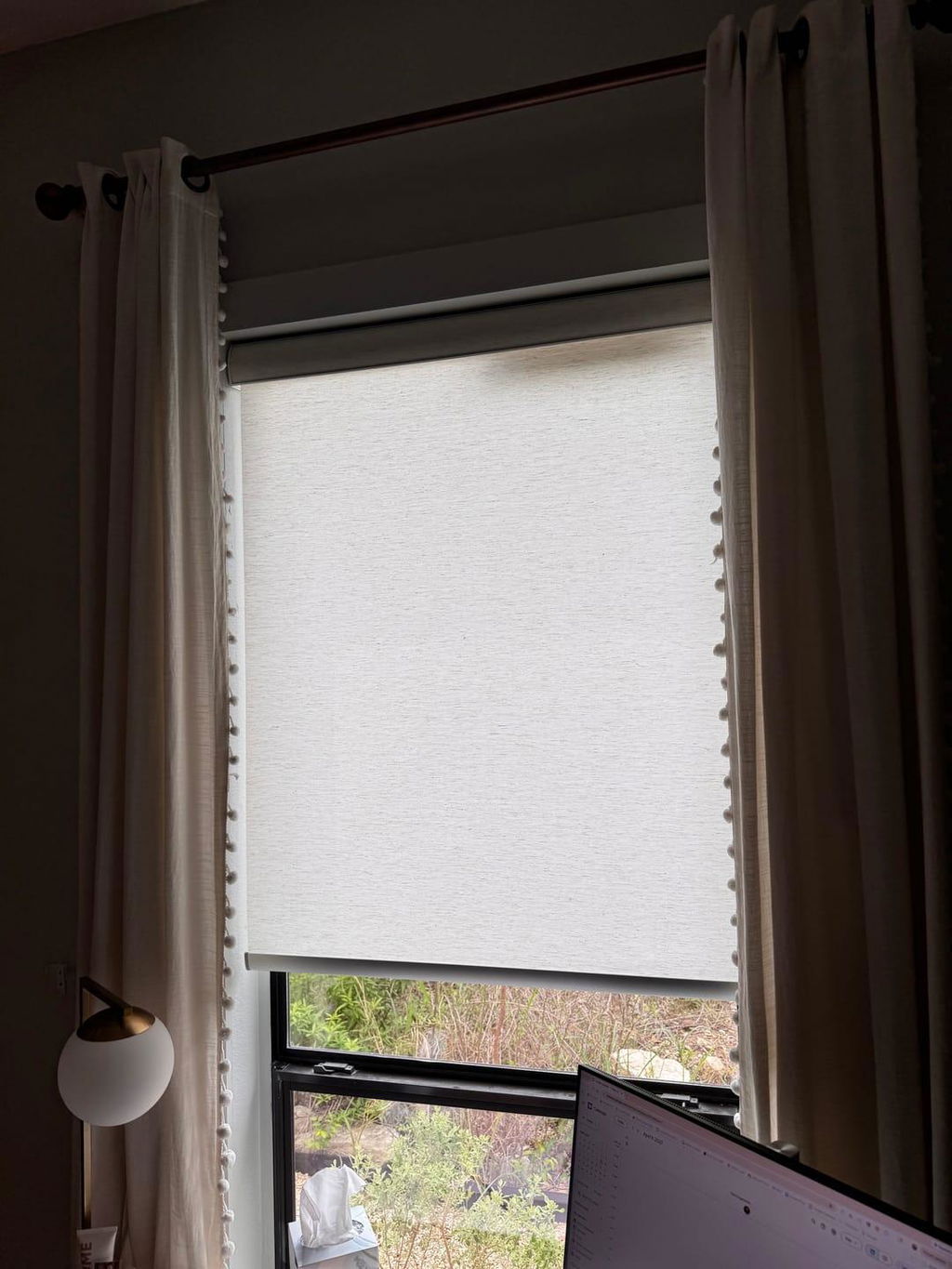
The secret is contrast. You're pairing a 'hard' treatment like bamboo or grasscloth with a 'soft' textile. This isn't just about looks; it's about light control. By layering blinds and sheer curtain panels, you gain the ability to filter harsh afternoon glare while keeping the room feeling airy.
The blinds with sheer curtain combo allows you to keep the blinds halfway down for privacy while the sheers diffuse the light hitting the edges of the casing. It’s about creating layers of depth. I always tell my clients to think of it as a suit: the blind is the structured shirt, and the sheer is the soft, unlined blazer that makes it look lived-in.
Linen, Cotton, or Poly? Decoding Sheer Weaves
I’ve made the mistake of buying cheap polyester panels that were so stiff they looked like wedding veils. They didn't drape; they just hovered awkwardly over my sheer curtain blinds setup. You want a fabric with 'hand'—something that feels like it has weight but remains translucent.
Look for a 90 GSM (grams per square meter) linen-cotton blend. This weight is heavy enough to hang straight but light enough to catch a breeze. Avoid 100% shiny polyester; it reflects light in a way that makes natural wood blinds look synthetic. A loose, open weave in a creamy off-white will always look more expensive than a bright, tight-weave white poly.
How to Mount Blinds With Sheer Curtain Rods
This is where most DIY projects go sideways. If you mount your curtain rod too close to the wall, your sheers will get hung up on the blind’s headrail every time you pull them. You need a bracket with at least 4.5 to 5 inches of projection. This creates a necessary 'bypass' zone.
I usually mark my rod 4 inches above the window trim and 8 to 10 inches past the frame on each side. This lets the sheers 'stack' completely off the glass when open, which makes the window look twice as wide. Use a 1-inch diameter rod; anything thinner will sag under the weight of even the lightest fabric over time.
Getting the Puddle Right: A Sheer Curtain and Blind Cheat Sheet
For a sheer curtain and blind pairing, precision matters. A 4-inch puddle is for a formal dining room with velvet drapes, not casual woven woods. In a living room or bedroom, a massive puddle just collects dog hair and looks like you didn't bother to hem them.
I prefer a 'kiss'—where the fabric just touches the floor—or a 1-inch 'break.' This slight pooling feels relaxed and intentional. If your floors are uneven—and let's be honest, most are—aim for that 1-inch break to hide the gaps. It gives the room a grounded, finished feeling without the maintenance of a full floor-pool.
When You Don't Have the Wall Space for Drapes
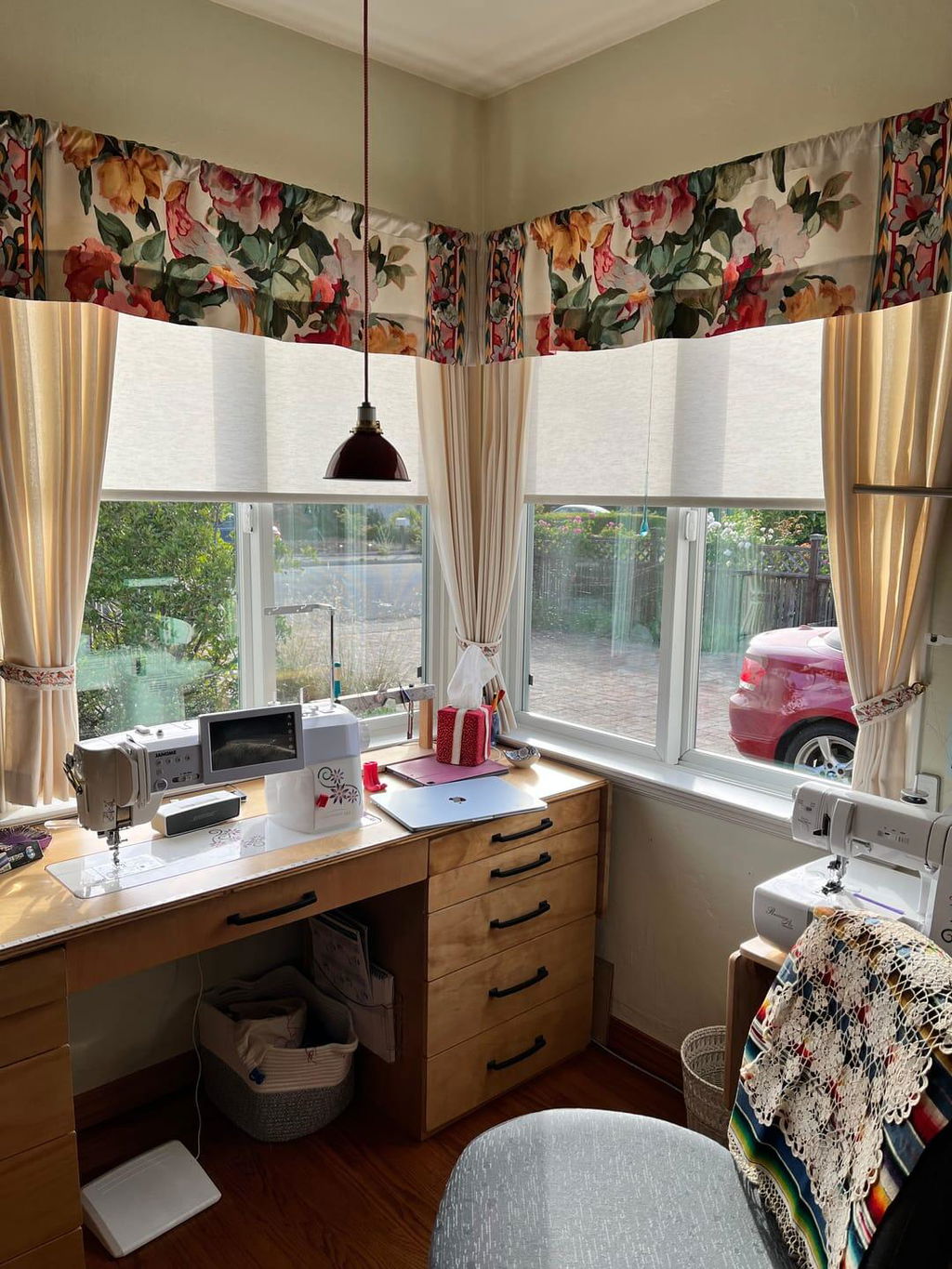
Sometimes the architecture wins. If you're dealing with a corner window or a tight alcove where a rod simply won't fit, don't force it. Overcrowding a small space with fabric makes it feel claustrophobic rather than cozy. In those cases, I often suggest you use double roller blinds sheer and blackout.
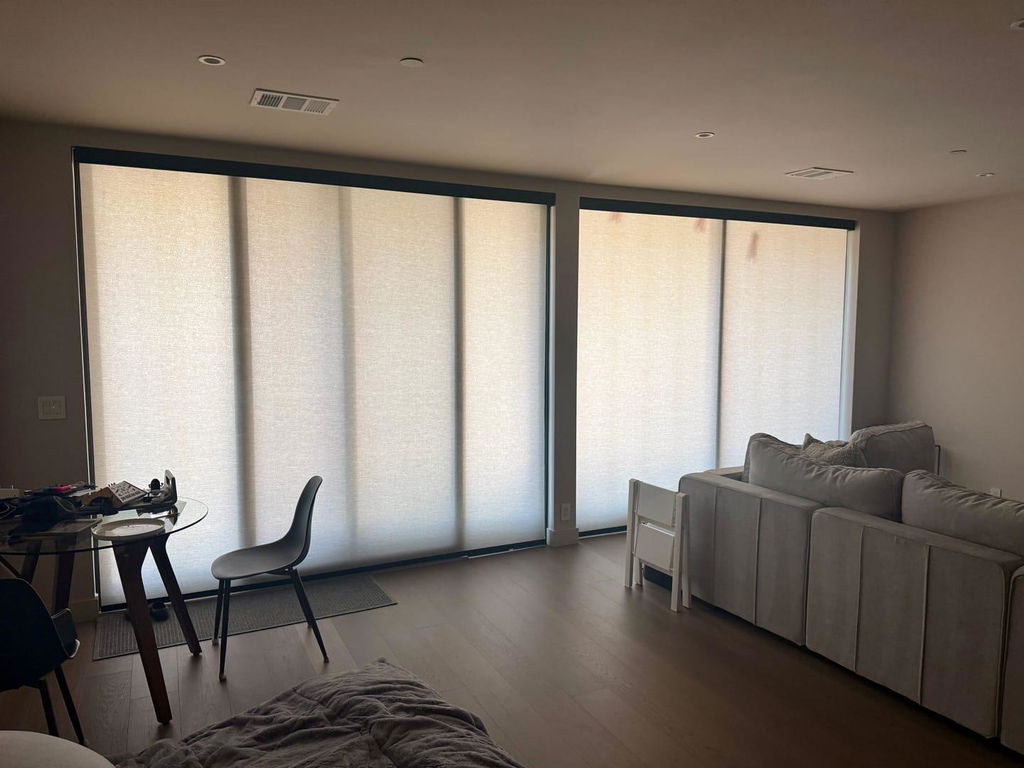
This gives you that two-layer functionality—one sheer layer for the day and a solid one for the night—without the bulk of a traditional rod and rings. It’s a cleaner, more architectural look for modern spaces. It still achieves that light-filtering softness but keeps the footprint strictly within the window casing.
My Midnight Hemming Disaster
I once spent $400 on custom linen sheers for my bedroom, only to realize I’d measured from the top of the rod instead of the ring eyelet. They hung two inches off the floor like high-water pants. I spent the next three nights hand-sewing a lace trim to the bottom just to save face before a housewarming party. It taught me two things: always measure from the bottom of the ring, and linen is the only fabric that can survive a frantic midnight hack and still look intentional.
Frequently Asked Questions
Can I use white sheers with tan blinds?
Absolutely. The white provides a crisp contrast that makes the natural wood tones pop. It keeps the room from feeling too 'beige' or washed out.
Do sheers provide privacy at night?
Not really. If the lights are on inside, people can see shapes. That’s why the blind layer is your security layer—drop the blinds at sunset and keep the sheers closed for softness.
Should the rod match the blind color?
Not necessarily. I usually match the rod to the door hardware or light fixtures, like a matte black or an unlacquered brass, rather than trying to match the wood of the blind.