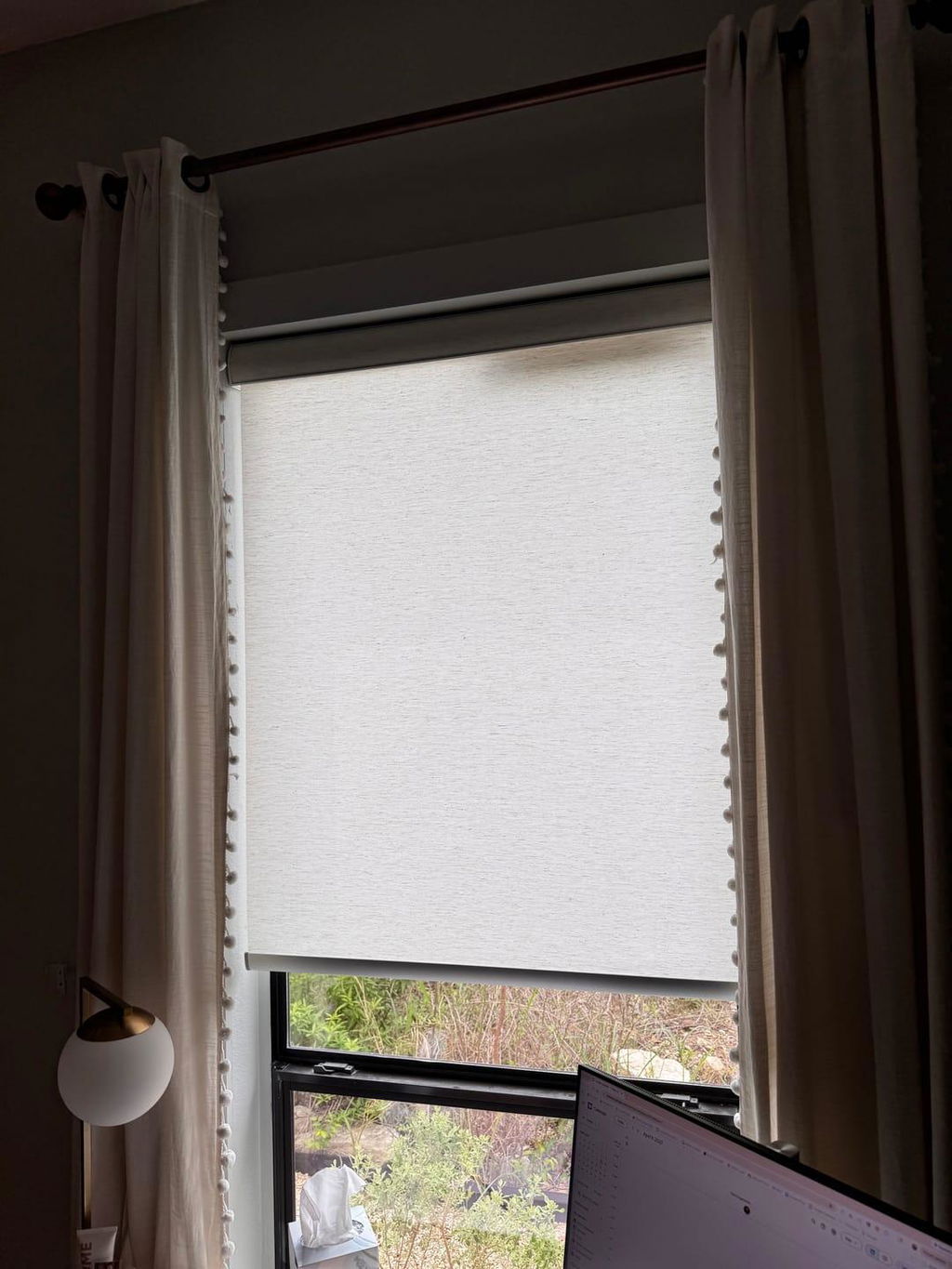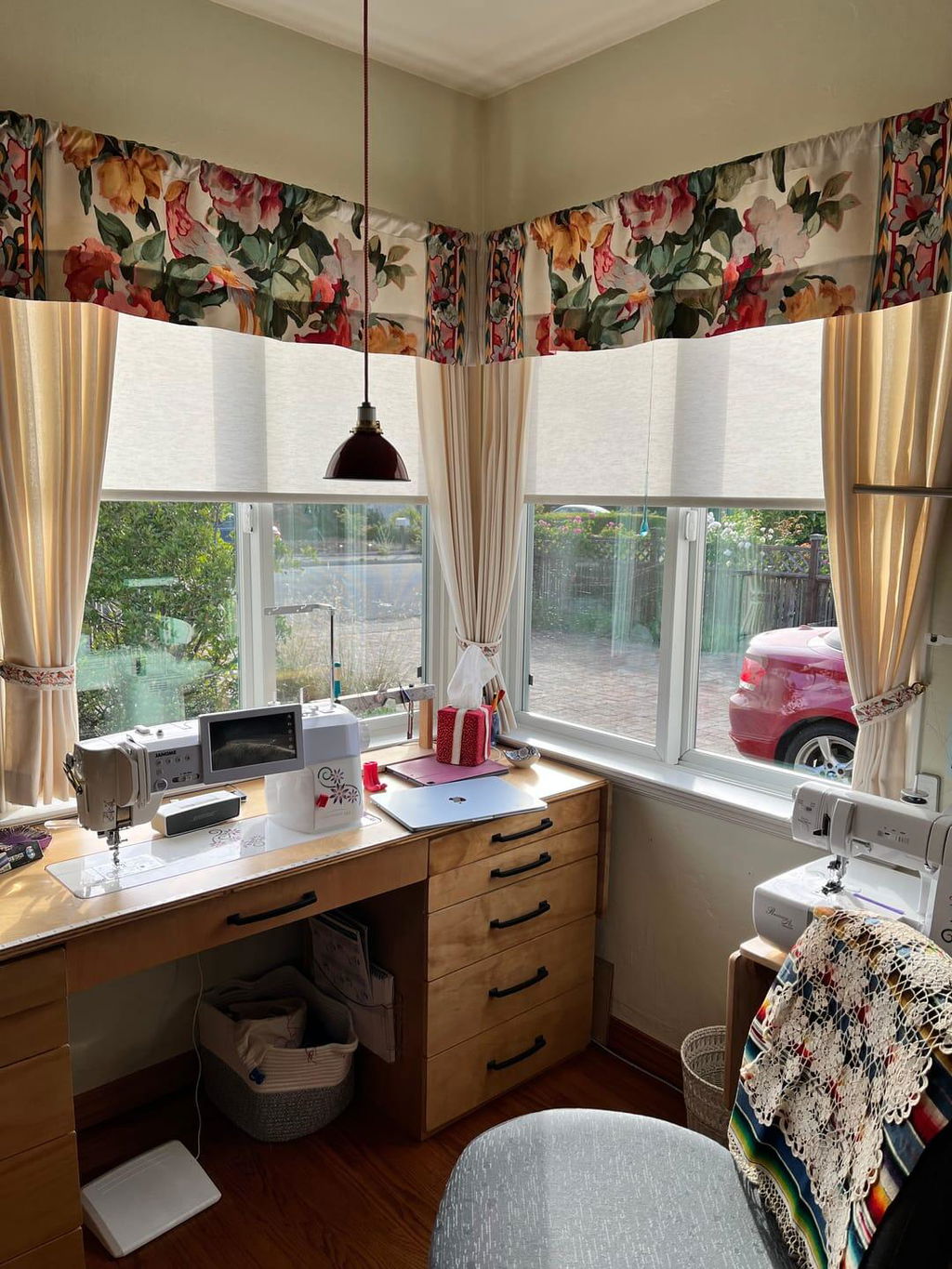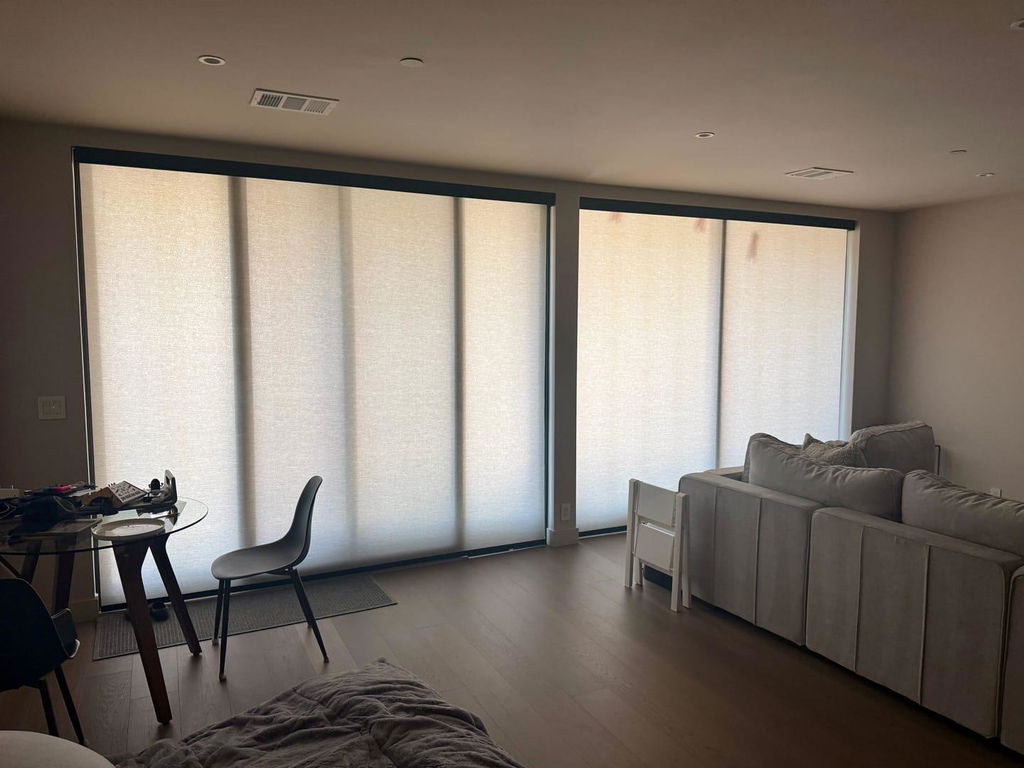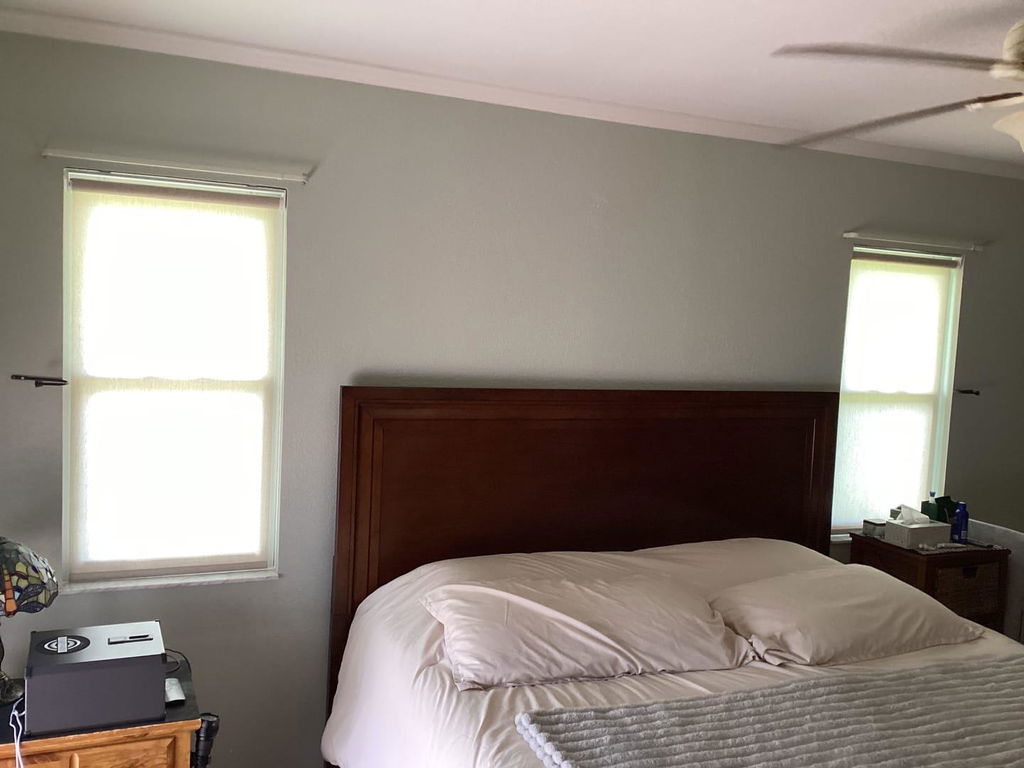
The 1/8-Inch Rule: How to Measure for Top Down Bottom Up Shades
I once spent three hours wrestling with a set of linen-look cellulars in a client’s sunroom because I thought 'close enough' worked for window measurements. It doesn't. When you’re learning how to measure for top down bottom up shades, you’re not just fitting a piece of fabric; you’re calibrating a machine. These shades are designed to float, which means they rely on precise tension to stay level.
- Use a steel measuring tape only—no fabric tapes allowed.
- Measure the width in three places: top, middle, and bottom.
- For inside mounts, always use the narrowest width measurement.
- Check your window depth to ensure the headrail doesn't protrude.
Why Floating Privacy is Unforgiving (And Beautiful)
Top down bottom up (TDBU) shades are a marvel of tension. Unlike a standard roller that just hangs from a single point, these rely on a dual-cord system to keep that middle rail level while it floats mid-window. It is the ultimate solution for street-level living where you want the morning sun but don't want the sidewalk traffic watching you brew your coffee.
If your headrail is too loose, the internal cords lose their grip and you get the dreaded 'sad smile' sag in the center rail. Getting the fit right is what makes the best top down bottom up shades look custom. Without that 1/8-inch precision, the floating rail will either scrape the sides or fail to hold its position, ruining the architectural lines of the window.
The Tools You Actually Need (Throw Away the Cloth Tape)
Put the cloth tape back in your sewing kit. Fabric tapes stretch over time, and a 1/4-inch stretch is the difference between a smooth glide and a shade that scrapes the paint off your window casing every time you move it. I still cringe thinking about the fractional mistake I made learning how to measure for a set of high-end blinds—I was off by an eighth, and the headrail literally would not fit into the brackets.
Grab a sturdy steel tape and a step stool. You need to be eye-level with the top of the frame to get a straight read. If you’re angling the tape because you’re reaching from the floor, you’re going to add a hidden fraction to your measurement that will come back to haunt you during installation.
Inside Mount: How to Measure for Top Down Bottom Up Blinds
For an inside mount, you are measuring the 'opening' of the window. Windows are rarely perfect rectangles; they are often trapezoids in disguise, especially in older homes where the house has settled. When learning how to measure for top down bottom up blinds, you must measure the width in three places: the very top, the center, and the very bottom.
Record all three, but only use the narrowest measurement when ordering. If you use the widest, the shade will jam halfway down the frame. For the height, do the opposite: measure left, center, and right, and use the longest measurement to ensure the shade reaches the sill. This prevents a 'light leak' at the bottom that can be incredibly distracting in a bedroom setting.
The Depth Check We All Forget
Depth is the silent killer of great design. TDBU shades have beefier headrails because they house two sets of mechanisms—one for the top and one for the bottom. If your window frame is only an inch deep, that headrail is going to stick out like a sore thumb from the wall.
Measure from the glass to the edge of the casing. You usually need at least 2 to 2.5 inches of flat space for a 'flush mount' where the shade sits tucked neatly inside the trim. If you have handles or cranks in the way, measure from the furthest protruding point of that hardware.
Outside Mount: When Your Window Frame Is Not Deep Enough
If your frames are shallow or made of fragile plastic, pivot to an outside mount. This is actually a great styling trick to make small windows look massive. I usually suggest adding at least 2 inches of overlap on each side of the trim. This prevents the 'halo effect' where light leaks around the edges.
For the height, measure from where you want the top of the headrail to sit (usually 2-3 inches above the trim) down to the sill. If you want a really clean look, measure all the way to the floor for a dramatic, vertical line, though this is rare for TDBU styles which usually stop at the window base.
The Dreaded Deduction: Do You Do It or Does the Factory?
This is where most people panic. Most custom factories take a 'deduction'—usually about 1/8 to 1/4 of an inch—so the shade doesn't rub the casing. Do not do this math yourself. If your window is 34 and 1/8 inches wide, tell them exactly that.
If you take the deduction and then the factory takes their deduction, you will end up with a massive light gap that looks like a mistake. Always check the exact how to measure guidelines on the product page to see if they want the 'opening size' or the 'finished shade size.' Provide the raw window opening numbers unless specifically told otherwise.
My Final Checklist Before Hitting 'Order'
Before you commit, do a final walk-through. Check that your narrowest width is what you've written down. Confirm that you haven't swapped the width and height numbers—a classic midnight ordering error. Once you have those locked in, you are ready to install your custom shades.
FAQ
What if my window is slightly crooked?
Always use the smallest width for inside mounts. A shade that is slightly too narrow is manageable; a shade that is too wide is a return. Use the longest height to ensure the fabric covers the entire vertical span.
Can I use a laser measurer?
They are great for big distances, but for the 1/8-inch precision needed for TDBU tension, a physical steel tape is more reliable. Lasers can sometimes bounce off glass and give a false reading.
Do I measure the trim or the glass?
For an inside mount, you are measuring the inner opening of the frame (the 'well'). Do not measure the glass alone, or you will have huge gaps where the frame shows.