Sunscreen vs. Sunblock Roller Blinds: Which Do You Actually Need?
I once spent three weeks agonizing over the 'perfect' white for a client's south-facing studio, only to have the whole project backfire because of a single word. When the sunblock roller blinds arrived and were installed, my client called me in a panic at 2 PM. She wasn't blinded by the sun anymore; she was sitting in a cold, dark tomb while the birds chirped outside.
It’s a classic mistake. You want to stop the glare on your laptop or prevent your expensive rug from bleaching into a ghost of its former self, so you search for the strongest thing available. But in the world of window treatments, 'strongest' usually means 'blackout,' and unless you’re a shift worker, that’s probably not the vibe you’re going for in your living room.
- Sunscreen blinds filter UV rays and glare while keeping your view.
- Sunblock roller blinds stop 100% of light and provide total privacy.
- Openness factors (1% to 10%) determine how much of the outside world you actually see.
- Dual shades are the only way to get the best of both worlds without swapping hardware.
The Day My Client Accidentally Built a Batcave
My client, Sarah, had a gorgeous mid-century modern home with floor-to-ceiling windows. She loved the light, but by 3 PM, her living room felt like a microwave. She told me she wanted something to 'completely block the sun' so she could finally see her TV. I pointed her toward some sleek roller shades, but she took the 'block' part too literally during the final checkout.
She ordered a heavy-duty, four-pass blackout fabric. When they were rolled down, the room went pitch black. No silhouette of the trees, no hint of the garden, just a wall of static grey fabric. It was a Batcave. We had solved the heat problem but killed the soul of the room. This is why understanding the distinction between a sunscreen roller blind and a sunblock shade is the difference between a curated home and a dark cellar.
The Core Difference: Opacity, Weave, and Light Control
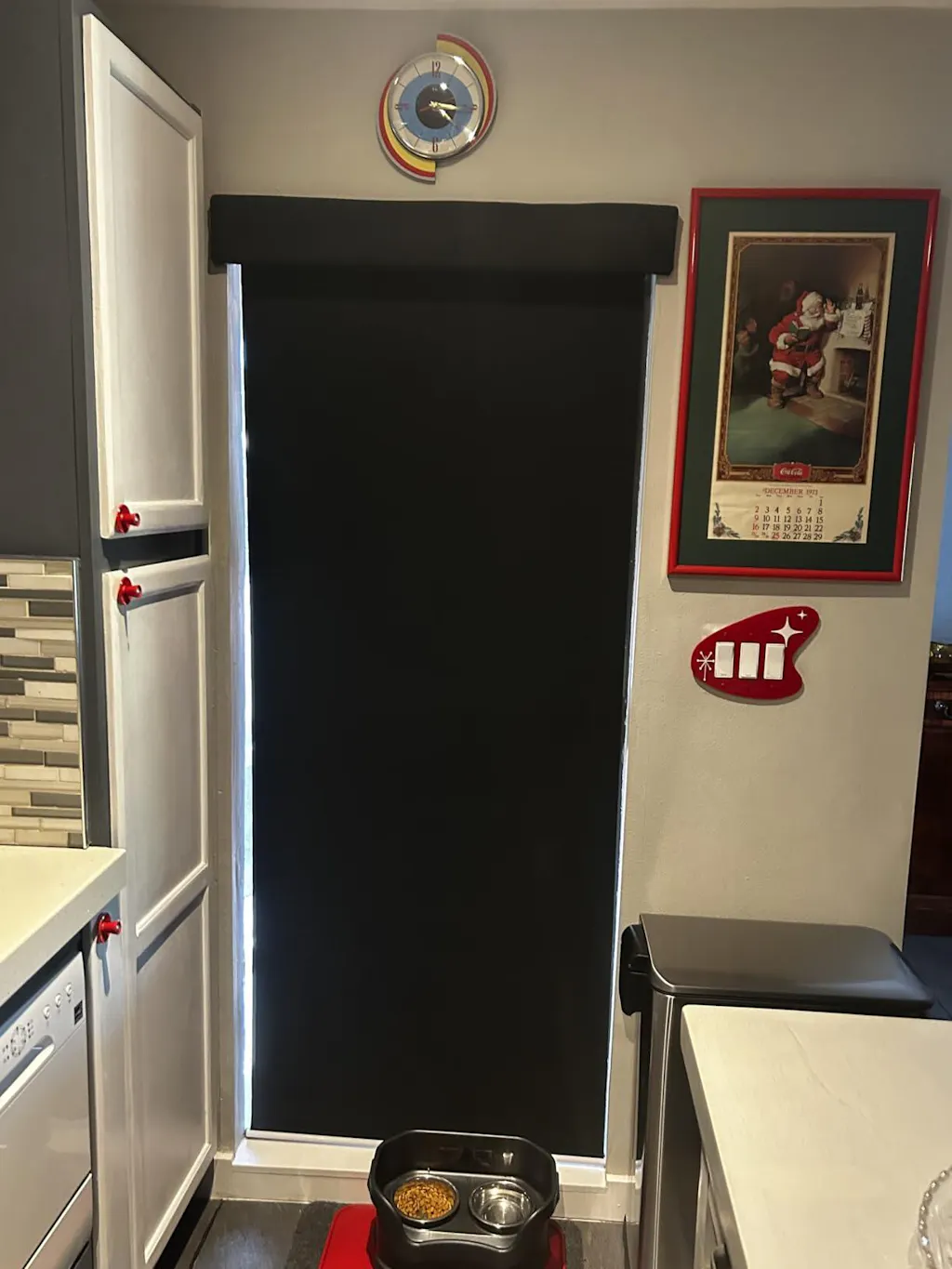
Let’s talk shop. Sunblock blinds are essentially a wall. They usually feature a high-density polyester base with a thick acrylic or Mylar backing that prevents even a single photon from passing through. If you hold a flashlight behind them, you see nothing. They are the heavy hitters of the industry, often weighing in at 400gsm or more.
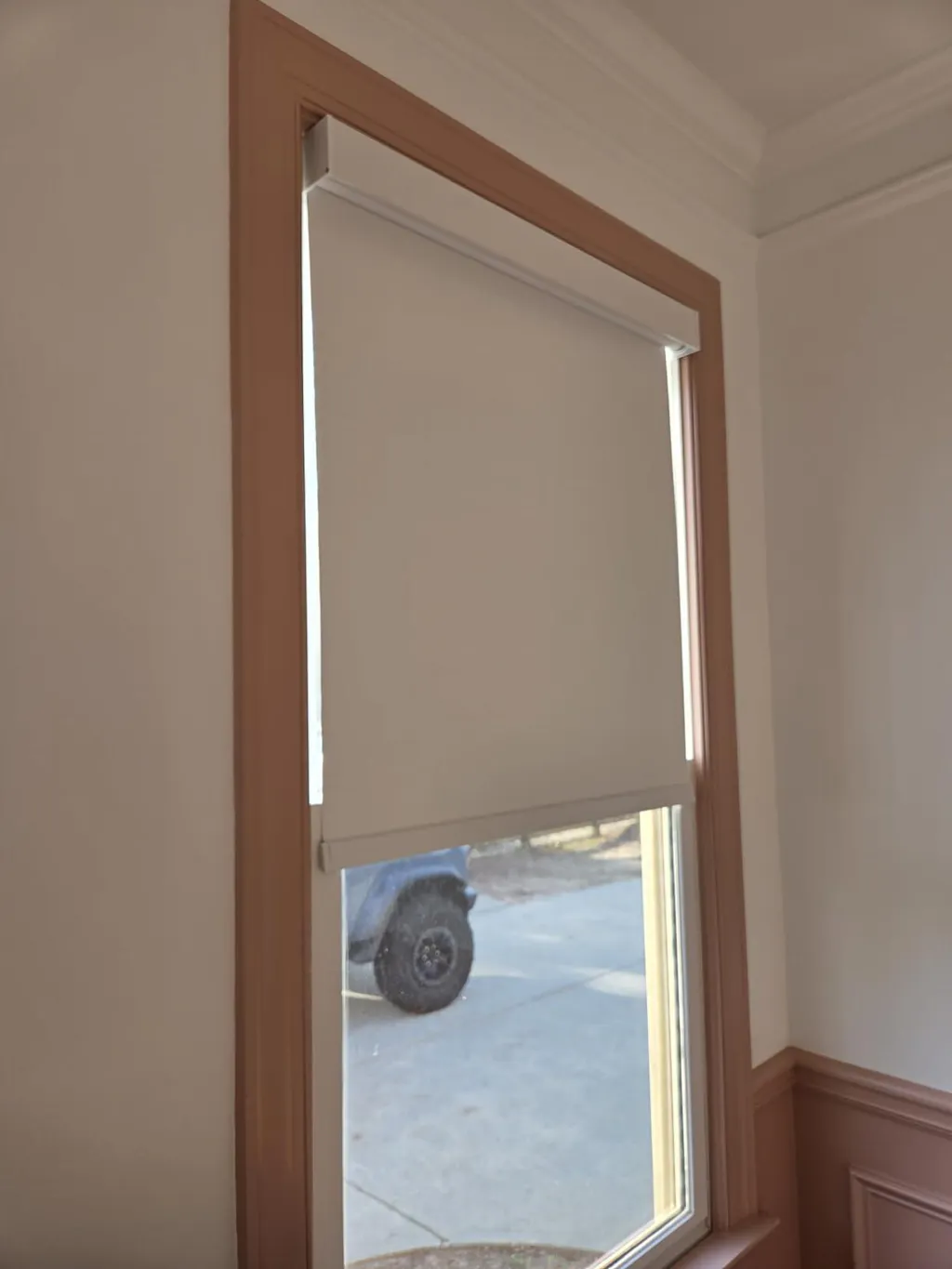
A sunscreen roller blind, on the other hand, is a technical mesh. It’s usually a weave of PVC-coated fiberglass or polyester. It’s designed to act like sunglasses for your windows. It breaks up the direct light—cutting that nasty UV damage by up to 99%—but the 'open' weave allows you to see the horizon. You get the protection without the claustrophobia.
Why a Sunscreen Roller Blind is Usually What You Meant to Order
Unless you are sleeping in the room, you probably want a sunscreen. These are categorized by 'openness factors.' A 1% weave is very tight; you’ll see shapes and light, but not much detail. A 10% weave is much looser—great for a view of the woods, but it won’t do much for a screen-heavy home office.
I usually steer people toward a 3% or 5% openness. At 5%, you can still see the kids playing in the yard, but the heat gain in the room drops significantly. It’s the sweet spot for protecting your white oak floors from turning yellow without having to turn the overhead lights on at noon. It maintains the architectural integrity of your windows rather than hiding them.
Where Heavy Sunblock Fabrics Actually Belong
Don't get me wrong, sunblock has its place. I have them in my own bedroom because I can’t sleep if there’s a stray streetlamp glowing in my peripheral vision. They are also non-negotiable for nurseries. If you want a toddler to nap when it’s 80 degrees and sunny in July, you need that light-tight seal.
Just keep in mind that these fabrics are heavy. If you’re covering a wide sliding door, that weight adds up. I’ve seen cheap plastic brackets snap under the tension of a 96-inch blackout shade. This is exactly what drives the cost of motorised roller blinds up—you need a motor with enough torque to lift that specialized backing without burning out after six months.
The Ultimate Compromise: Dual Shades for Day and Night
If you’re sitting there thinking, 'But I want the view during the day and privacy at night,' you’re looking for a dual system. I’ve installed dozens of Day Night Shades in master suites. It’s a double-bracket system where the sunscreen sits closest to the glass and the sunblock sits in front. It’s the ultimate design flex.
For high-end builds, I usually spec something like the Canisteo Motorized Dual Roller Shades Cordless Custom Double Roller Blinds. It’s clean, cordless, and lets you toggle between 'filtered glow' and 'total blackout' from your phone. I once used these in a penthouse where the owner wanted to watch movies during the day but drink coffee while looking at the skyline in the morning. No compromise required.
Can people see through sunscreen blinds at night?
Yes. This is the one 'gotcha.' If your lights are on inside and it’s dark outside, the transparency reverses. People on the street will have a clear view of your living room. If privacy is a concern at night, you need a secondary layer or a sunblock option.
Do sunscreen blinds actually stop heat?
They do. By reflecting the sun’s rays before they hit your interior surfaces, they can drop the temperature of a room by several degrees. However, for maximum thermal insulation, a solid sunblock fabric is technically superior because it’s a thicker barrier.
How do I clean these things?
Sunscreen mesh is incredibly durable—you can usually just wipe it with a damp microfiber cloth and some mild dish soap. Sunblock fabrics with acrylic backings are a bit more sensitive; avoid harsh chemicals or you might peel the blackout coating. Stick to light dusting or a very gentle spot clean.