Stop Stuffing Drapes Behind the Sofa: The Window Roll Up Shade Fix
I remember the exact moment I gave up on floor-length curtains in my living room. I had just spent a small fortune on 96-inch velvet panels, only to realize that my favorite mid-century sofa had to sit directly against that wall. The result was a tragic, lumpy mess of expensive fabric crushed between the upholstery and the baseboard. It didn't look luxurious; it looked like I was hiding laundry behind my furniture.
If you are currently fighting with a radiator that eats your hems or a bed frame that makes your window treatments look like an afterthought, it is time to embrace the window roll up shade. It is the only way to get a clean, intentional look when your floor plan refuses to cooperate with traditional rods. You stop fighting the room and start working with its actual dimensions.
Quick Takeaways
- Inside-mount shades reclaim up to 6 inches of floor space usually lost to drapery depth.
- Woven wood and high-GSM linen textures prevent the 'office' look.
- Cordless mechanisms offer the cleanest profile for furniture-heavy walls.
- Layering is still possible, but only if you have at least 4 inches of clearance on either side of the frame.
The Furniture Trap: Why Your Windows Look Crowded
We have all been there: you buy a house with beautiful windows, but the only logical place for the sofa is right in front of them. When you hang traditional drapery panels in these tight spots, you create a visual and physical bottleneck. The fabric bunches, the rod looks cramped, and you lose that crisp line where the wall meets the floor.
Radiators are the other silent killer of good design. Hanging long curtains over a heater is a recipe for weird heat-warped hems and blocked airflow. I once tried to 'cheat' the look by pinning my drapes up with safety pins, but the bulge was undeniable. When your furniture is competing for the same three inches of air as your curtains, the furniture always wins, and your windows just look messy.
Enter the Window Roll Up Shade (Your Layout's Best Friend)
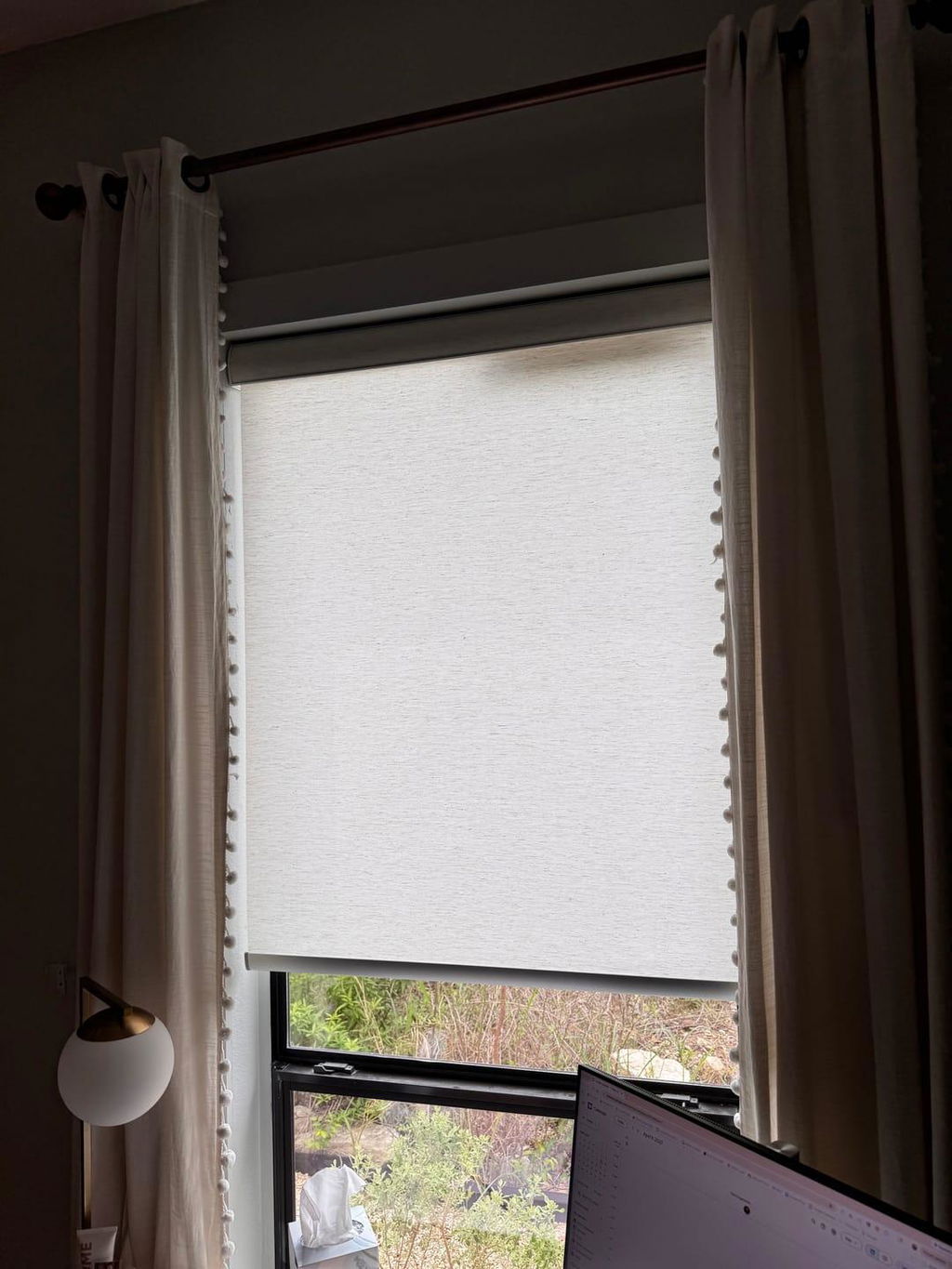
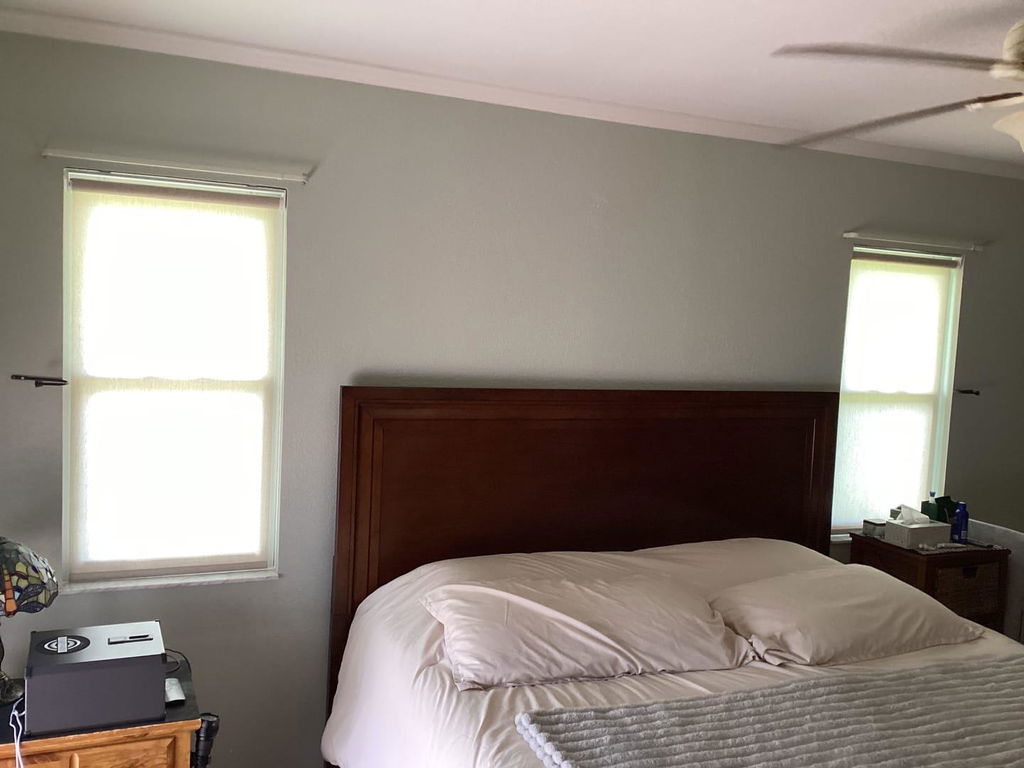
The beauty of a shade is its architectural discipline. By choosing an inside-mount window roll up shade, you keep the entire treatment contained within the window casing. This instantly opens up the room. Suddenly, your sofa can sit flush against the wall, and your baseboards are visible again, which makes the ceiling feel higher than it actually is.
I have found that using roll up curtains for living room setups works best when you want to highlight the window trim rather than hide it. If you have those deep, 1920s wooden sills or even modern, clean-lined drywall returns, let them show. You aren't losing style; you are gaining a sense of order. It turns a cluttered wall into a focal point that feels curated rather than crowded.
Fabric Matters: Avoiding the Cheap Plastic Look
The biggest fear people have with a roll up window cover is that it will look like a sterile doctor's office. The fix is all in the textile. Stay far away from thin, shiny vinyl. It reflects light in a way that looks cheap and highlights every speck of dust. Instead, look for a roll up window cover made from a heavy-weight linen or a woven grasscloth.
I personally lean toward a 300 GSM linen blend or a natural jute weave. These materials have a physical weight that mimics the luxury of a textured drapery fabric but in a much more compact form. When the sun hits a woven wood shade at 4 PM, it creates this incredible dappled light that a flat plastic shade could never replicate. It feels organic and grounded.
Cordless vs. Motorized: Keeping the Profile Clean
If you are installing a retractable window cover behind a piece of furniture you use daily, go cordless. There is nothing more annoying than fishing for a plastic cord behind a heavy headboard every morning. A cordless spring-loaded mechanism allows you to just tap the bottom rail and watch it glide up. If you have the budget, motorization is the ultimate move for those hard-to-reach windows behind a deep sectional.
To Layer or Not to Layer?
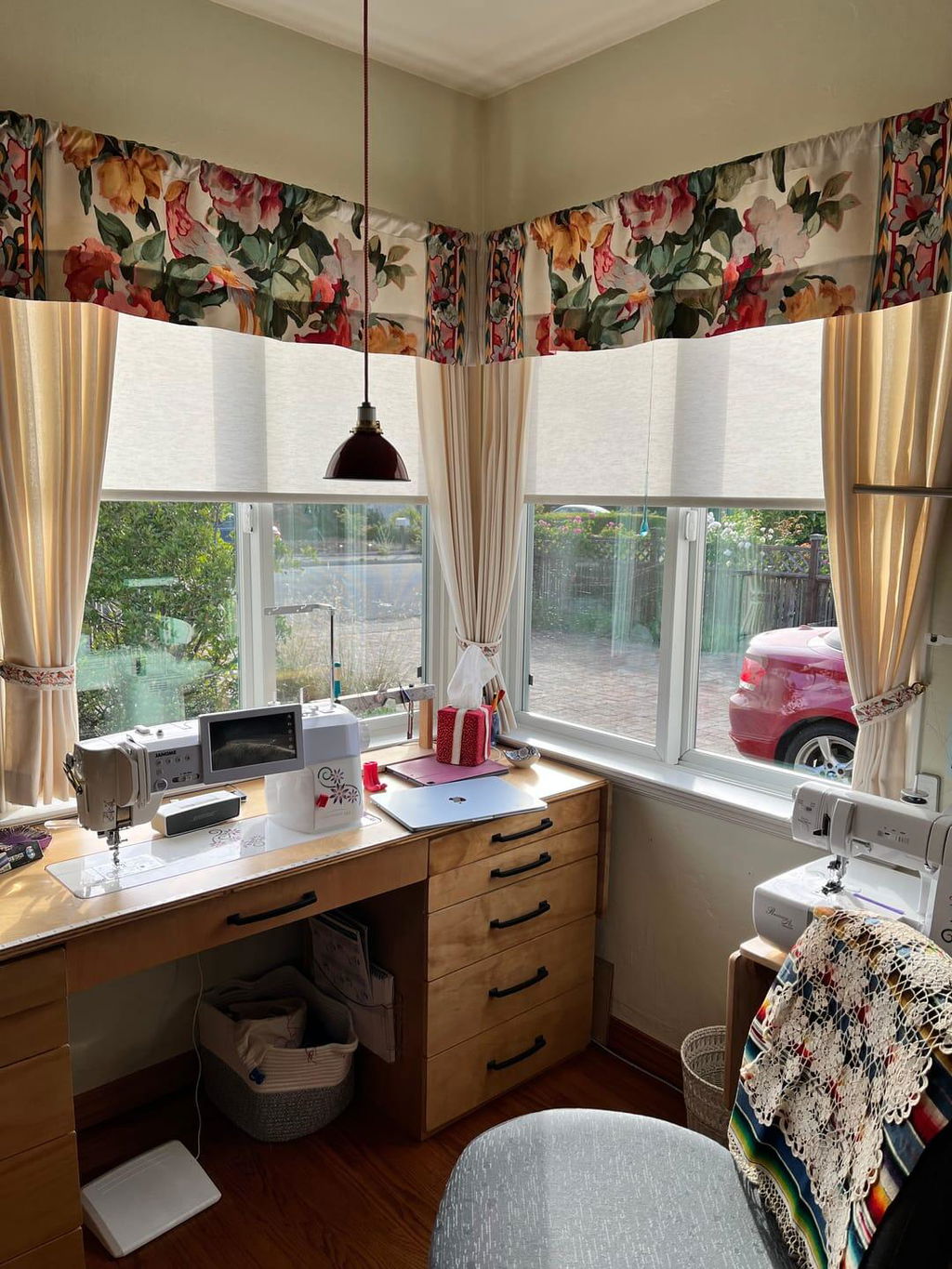
Sometimes, a single roll up window curtain can feel a bit lonely, especially in a large room with high ceilings. If you have at least six inches of wall space on either side of the window, you can try layering them behind linen drapes. This gives you the best of both worlds: the functionality of the shade and the softness of the panels.
However, in a truly tight layout, I prefer the 'naked' look of old-fashioned roll up shades. There is a certain vintage charm to a simple, high-quality shade that sits perfectly inside a frame. It feels honest. I once spent an entire weekend trying to add 'faker' side panels to a small bedroom window, only to realize it made the room feel like a theater stage. I stripped them off, left the bamboo shade alone, and the room finally felt 'right.'
The Verdict on Reclaiming Your Floor Space
Giving up floor-length curtains doesn't mean you are giving up on style. It means you are prioritizing the flow of your home. When you stop trying to jam fabric into places it doesn't fit, the whole room relaxes. Measure your window depth—you usually need at least 2 inches for a clean inside mount—and make the swap. Your sofa, your radiator, and your sanity will thank you.
FAQ
Will a roll-up shade provide enough privacy?
Absolutely. If you choose a 'blackout' or 'privacy' liner, no one will see anything but a soft glow from the outside. Avoid 'sheer' or '15% openness' if the window faces a busy street.
How do I clean them?
A vacuum with a brush attachment is your best friend. For woven woods, a quick dust once a month keeps them from looking dull. Linen shades can usually be spot-cleaned with a damp cloth.
Do they work on oversized windows?
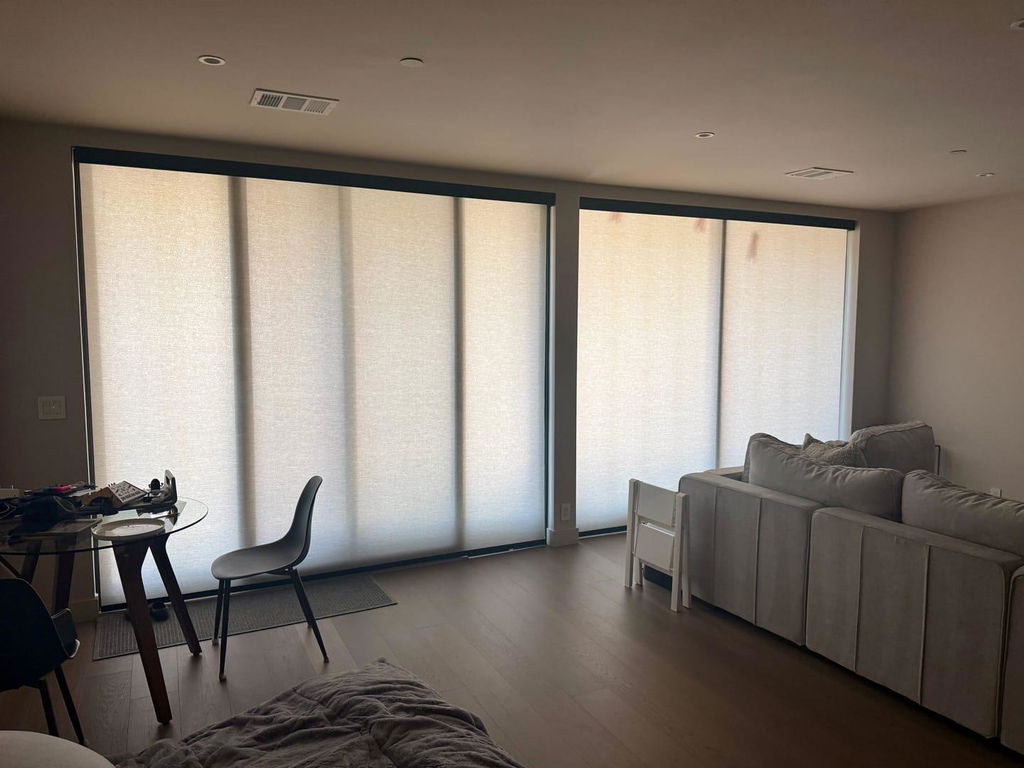
Yes, but be careful with the weight. For windows wider than 60 inches, I recommend splitting the treatment into two or three individual shades on a single headrail to prevent the mechanism from failing over time.