Stop Shrinking Rooms: Best Window Coverings for Short Wide Windows
I remember moving into a 1960s ranch with those squat, 'piano' windows set high on the living room wall. They were barely two feet tall but stretched nearly six feet wide. For months, I treated them like a feature, buying tiny, custom-sized blinds that fit perfectly inside the frame. The result? The room felt like a concrete bunker. The ceiling seemed five inches lower than it actually was, and the wall looked chopped in half. I finally realized that finding the best window coverings for short wide windows isn't about highlighting the glass—it's about rewriting the architecture of the wall.
- Mount your hardware as high as possible to fake vertical height.
- Extend the rod horizontally past the frame to avoid blocking light.
- Always choose floor-length drapes over sill-length options.
- Use outside-mount shades to hide the 'letterbox' shape.
Why Your Letterbox Windows Make the Ceiling Look Low
Those horizontal slits, often called letterbox or piano windows, are a proportion nightmare. If you choose an inside-mount treatment, you are essentially drawing a thick, dark line right across the middle of your vertical space. It creates a visual 'stop' that forces the eye to stay low. When people ask me what to do with small windows, they usually want to keep things 'tidy,' but tidy is exactly what makes the room feel cramped. General ideas for dressing a small window often fail because they don't account for the 'squat' factor.
Instead of trying to fit the treatment to the glass, you need to think about the wall as a whole. A short, wide window is an opportunity to create the illusion of a massive, expensive architectural feature. If you stop your curtains at the windowsill, you are basically putting your room in high-water pants. It’s never a good look.
The Floor-to-Ceiling Drapery Illusion (My Favorite Fix)
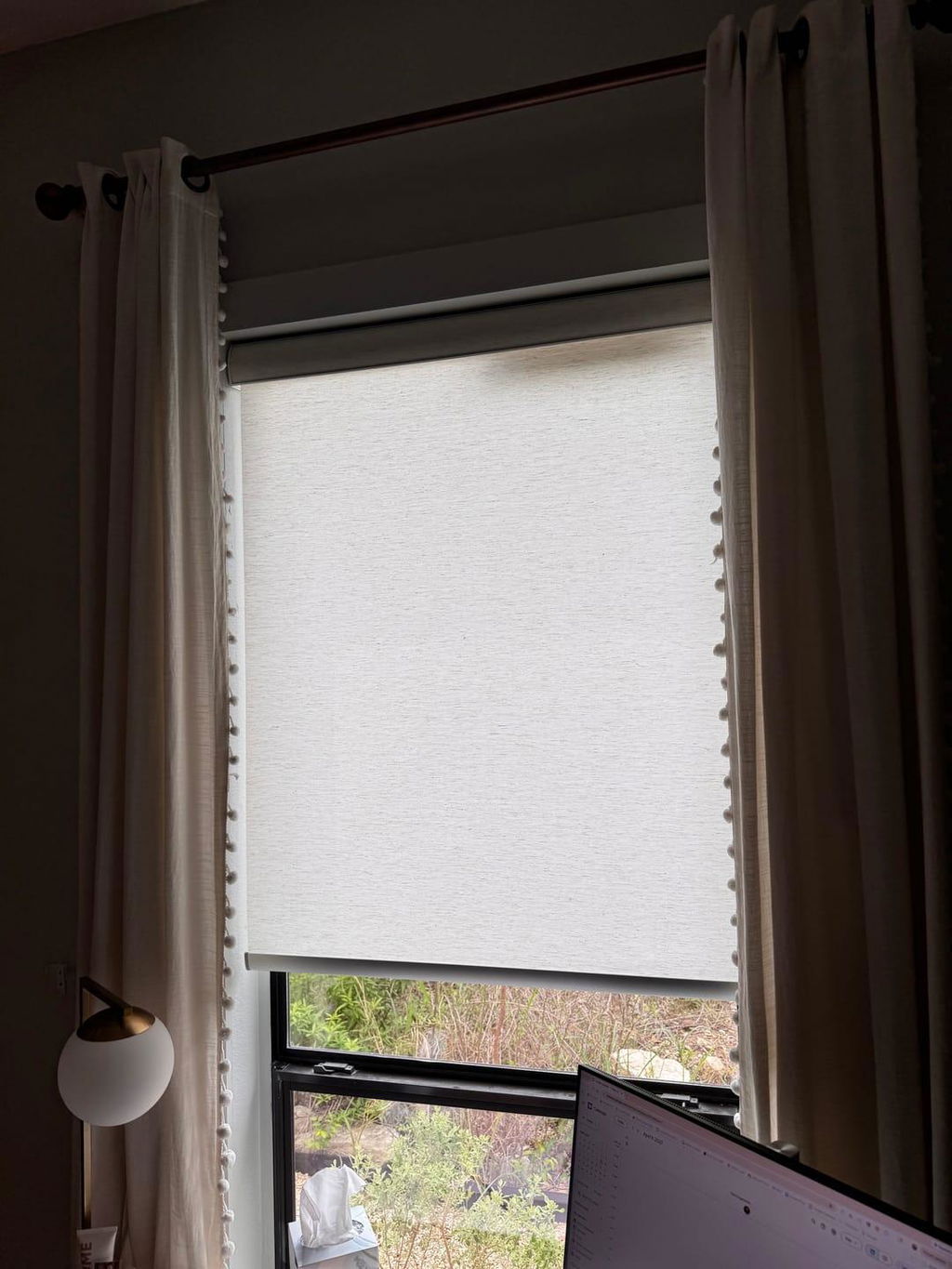
This is my non-negotiable rule for anyone looking for window treatment ideas for short windows: ignore where the window actually ends. I always mount my curtain rods about 2-4 inches below the crown molding (or the ceiling) and extend the rod at least 8-10 inches past the window frame on each side. This allows the fabric to sit on the wall, not the glass, when the curtains are open. I’m partial to a 200 gsm linen-cotton blend with a 2.5x fullness. A 96-inch or 108-inch drop that just kisses the floor creates a vertical column that tricks the brain into seeing a floor-to-ceiling window.
When you're figuring out how to decorate short windows, remember that the fabric choice matters. Avoid heavy, light-sucking velvets in dark colors if the room is already small. A crisp white or oat-colored linen allows the light to filter through, making the entire wall feel like a source of illumination rather than a barrier. It’s the easiest way to stop a room from feeling like a basement.
How to Decorate Small High Windows in Dining Rooms and Bedrooms
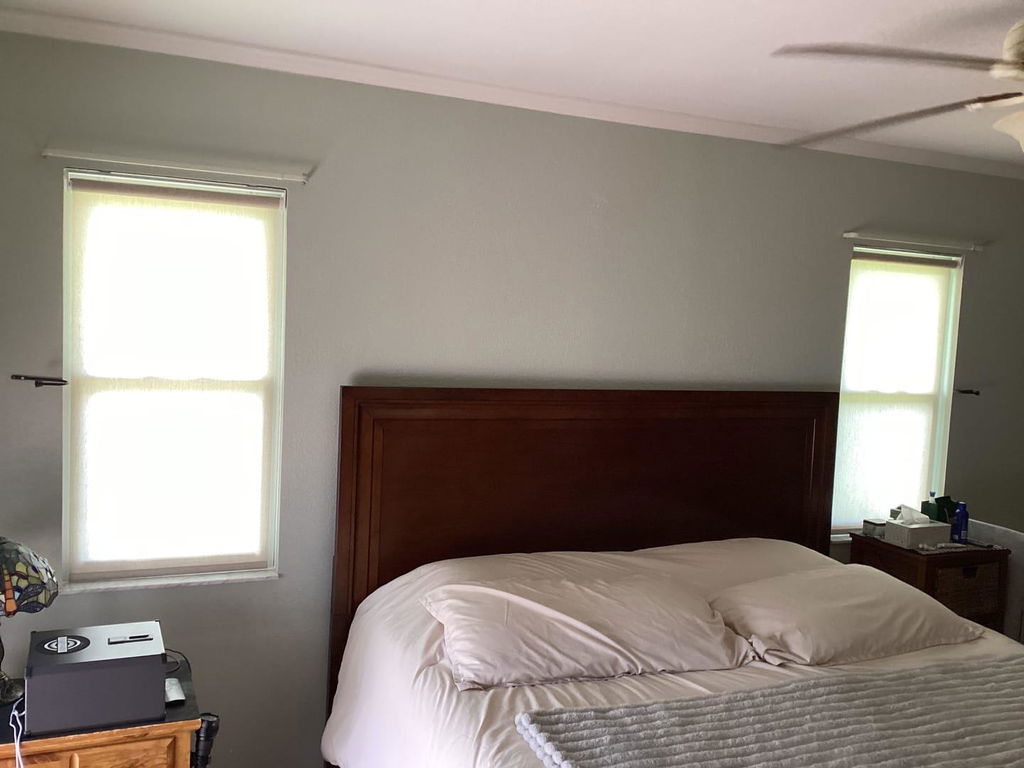
In the dining room or bedroom, you often find small upper windows placed high for privacy. These are notoriously difficult because they often sit right above a headboard or a buffet. For window treatments for short bedroom windows, I avoid anything fussy. If you can't do floor-length drapes because of furniture, opt for a Roman shade in a fabric that matches your wall color almost exactly. This 'disguise' technique prevents the small high windows in dining room spaces from looking like random holes in the wall.
When Drapes Won't Work: The Best Blinds for Short Proportions
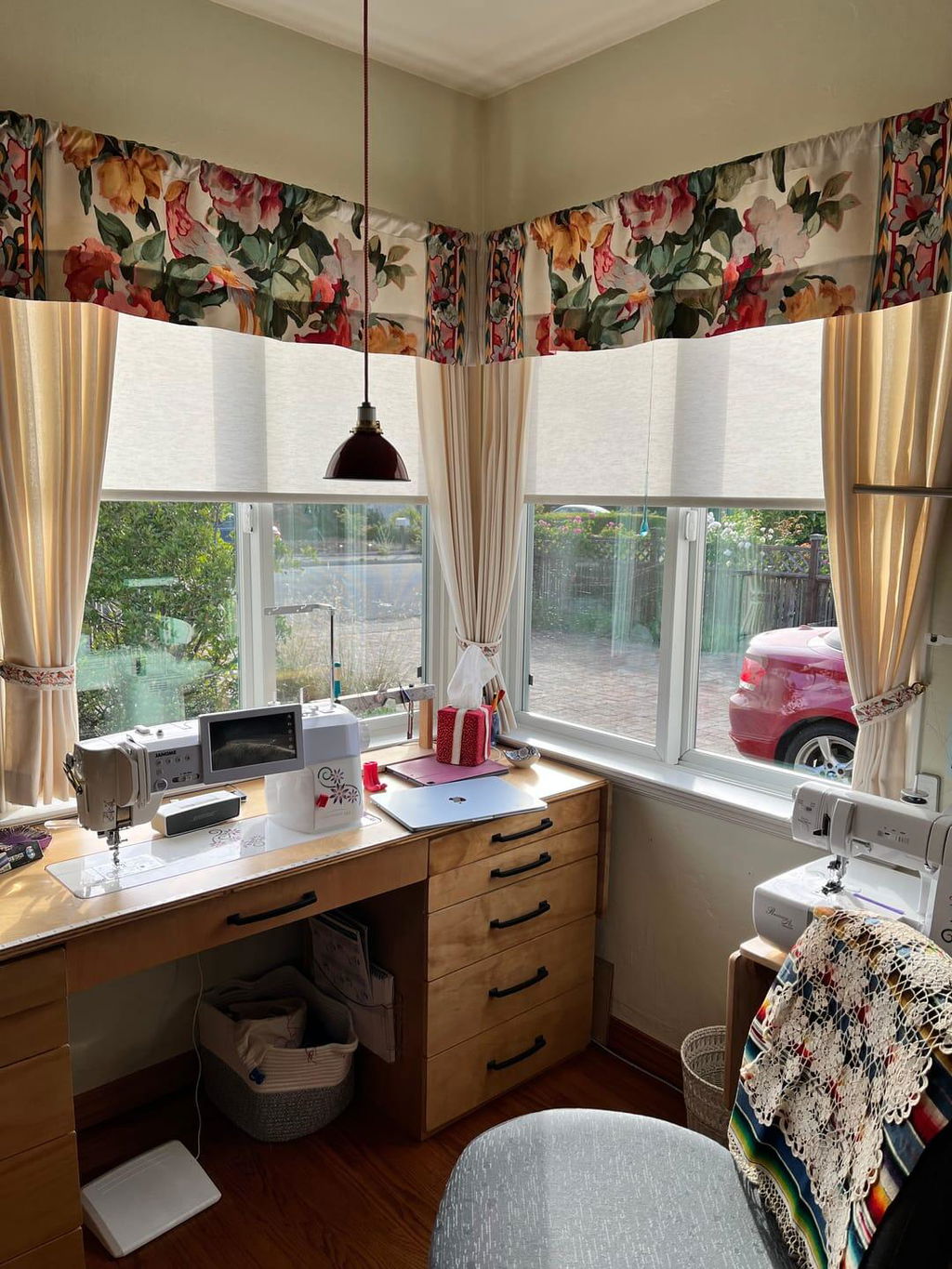
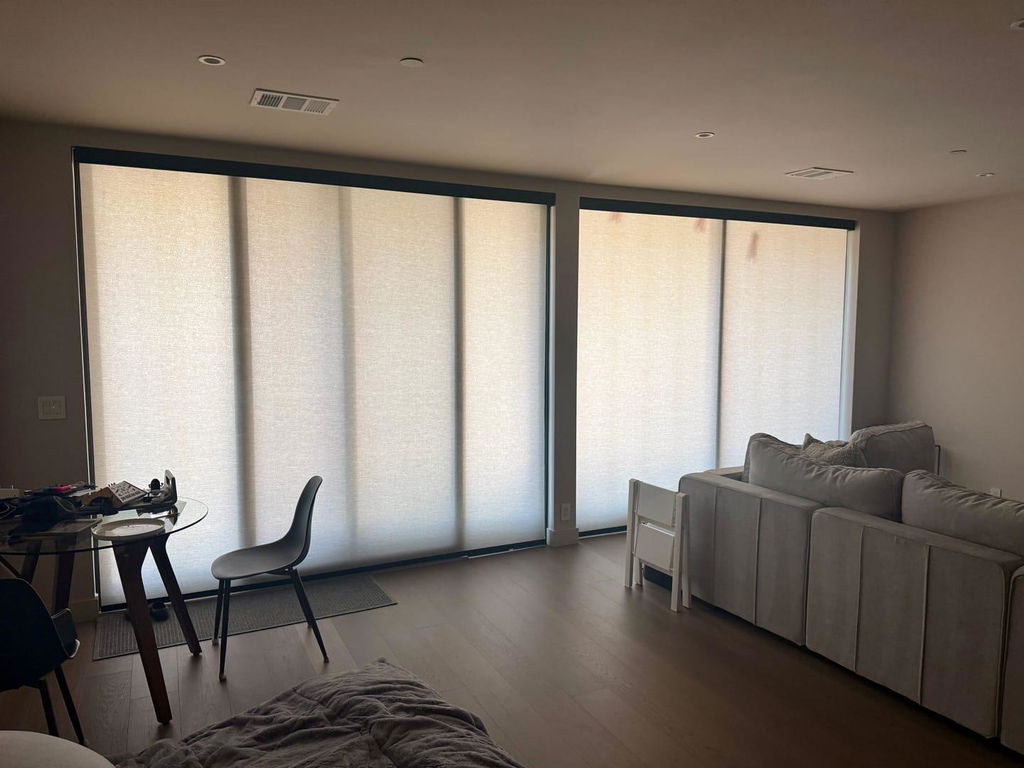
Sometimes, floor-length curtains aren't an option. Maybe there’s a radiator in the way, or you have a built-in desk sitting directly under the frame. In these cases, you have to get clever with outside-mounted shades. By mounting the shade a few inches above the top of the casing and letting it hang slightly below the bottom, you 'stretch' the window's height. I often recommend custom double roller blinds because they offer a clean, architectural look. You can keep the sheer layer down for privacy while letting the light in, which prevents the 'black hole' effect of a solid dark shade on a wide, short frame.
I once made the mistake of using a heavy wood blind on a short wide window in a home office. It was a disaster. Every time I tilted the slats, the horizontal lines of the blind fought with the horizontal lines of the window, making the whole wall look like a giant radiator. A sleek, flat-front shade is always the better move for these proportions.
Wait, What About the Opposite? (Dressing a Long Narrow Window)
Then there is the 'mail slot' window—the tall, skinny vertical opening. Finding window coverings for long narrow windows requires the opposite logic. Instead of trying to add height, you’re trying to add enough 'heft' so the window doesn't look lonely on a big wall. Curtains for tall narrow windows should be hung on a rod that is significantly wider than the frame. This allows the panels to frame the window without covering the glass, which is essential because these windows usually don't let in much light to begin with.
The best blinds for tall narrow windows are often simple cellular shades or Romans. Avoid vertical blinds at all costs; they just emphasize the 'skinny' nature of the opening in a way that feels very 1990s dental office. You want to soften the edges, not sharpen them.
One Panel Window Treatment Ideas for Skinny Frames
If you are dealing with a truly narrow window, don't try to squeeze two curtain panels onto a tiny rod. It will look crowded and messy. My favorite narrow window covering ideas involve using a single, high-quality panel. Hang it on a slightly wider rod and use a heavy brass tie-back to sweep the fabric to one side. This asymmetrical look is intentional and sophisticated, and it allows you to maximize every square inch of sunlight.
The Golden Rule of Measuring Awkward Windows
Before you commit to a style, you must know how to measure for your specific depth. If your window casing is shallow (less than 2 inches), an inside mount will stick out past the trim, which looks cheap and unfinished. For short wide windows, I almost always advocate for an outside mount to help with that height-faking illusion we discussed. It gives you more control over the final silhouette.
Remember, short and wide windows aren't the only architectural quirks out there. Whether you're dealing with little square windows or searching for window shades for half round windows, the goal is always the same: balance. I once measured a window three times and still managed to order a shade that was an inch too narrow. I tried to live with it, but the light leak at the edges drove me crazy for a year. Take your time, use a metal tape measure, and never 'guestimate' the drop.
FAQ
Can I use a valance on a short wide window?
Honestly? I wouldn't. Valances tend to cover the top third of the glass, making an already short window look even smaller. If you want to hide the hardware, use a simple cornice box or a high-mounted curtain rod instead.
Should I choose patterns or solids?
For short wide windows, I stick to solids or very subtle textures. Large, busy patterns can overwhelm the small amount of glass and make the proportions feel even more 'off.' A nice slubby linen or a light pinstripe works wonders.
What if my window is right against the ceiling?
If there's no wall space above the window, mount your hardware directly to the ceiling. Ceiling-mount tracks are incredibly sleek and create a seamless look that makes the room feel much taller than it actually is.