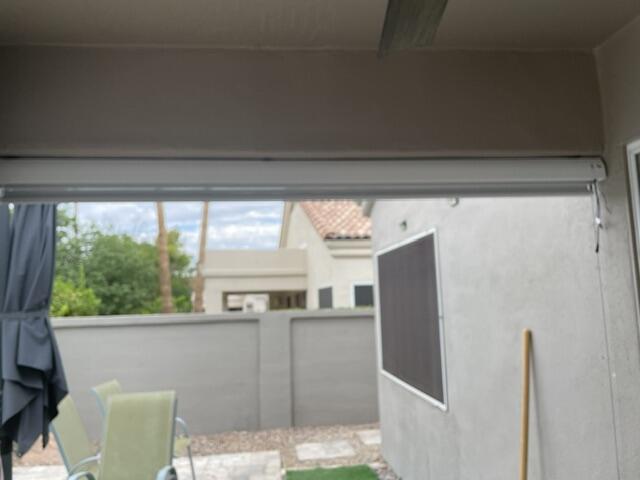
Stop Inside-Mounting: Why I Put a Shade Above the Window
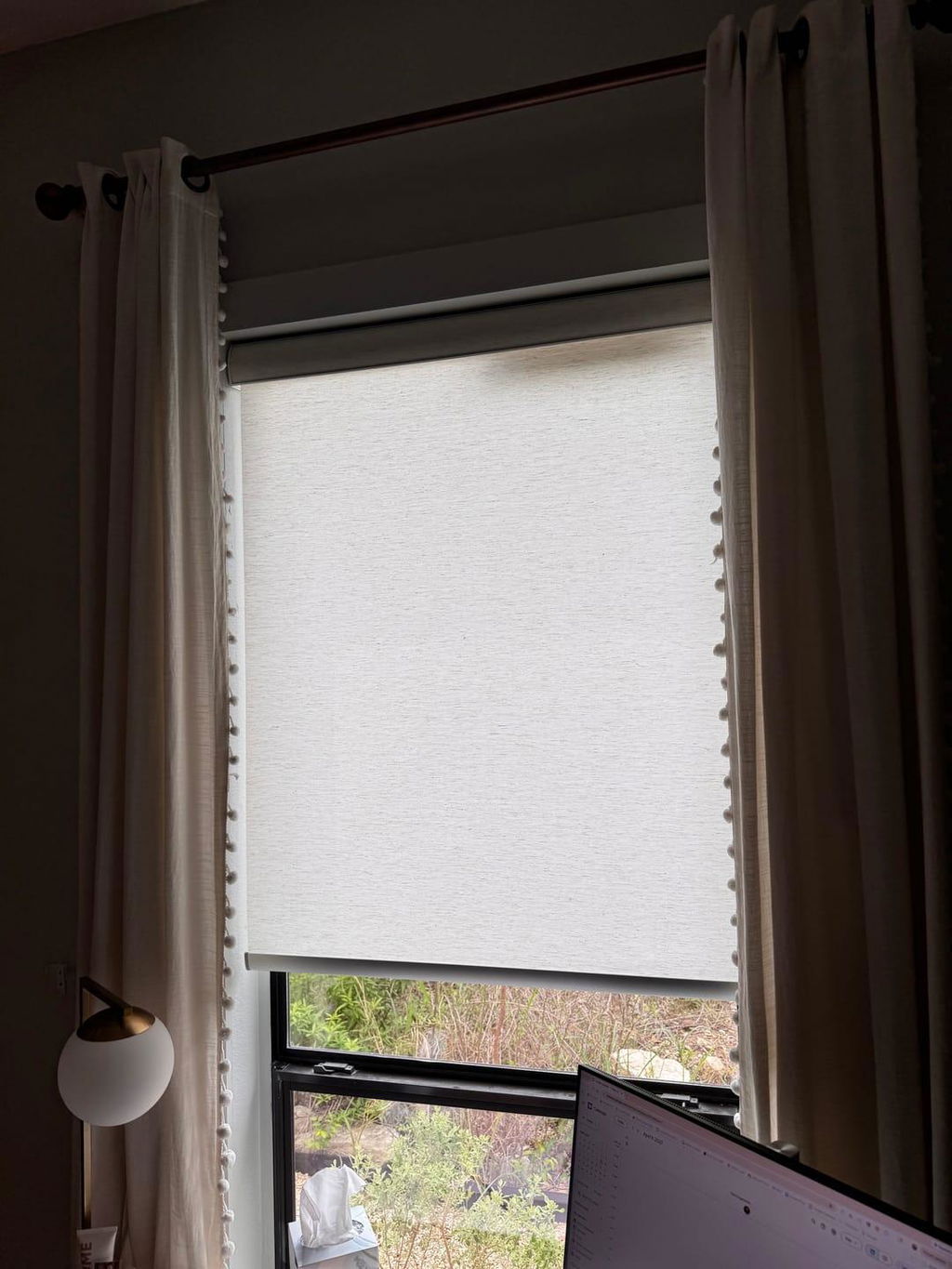
I remember standing in my first 'grown-up' apartment, clutching a pair of off-the-shelf linen panels and feeling a wave of defeat. The windows were those classic builder-grade rectangles—squat, uninspired, and sitting a good two feet below the ceiling. If I had mounted my blinds inside that frame, I would have essentially been telling everyone, 'Look at how small and cramped this room is.' Instead, I grabbed a drill and decided to mount a shade above the actual window frame. It was a total revelation.
Quick Takeaways
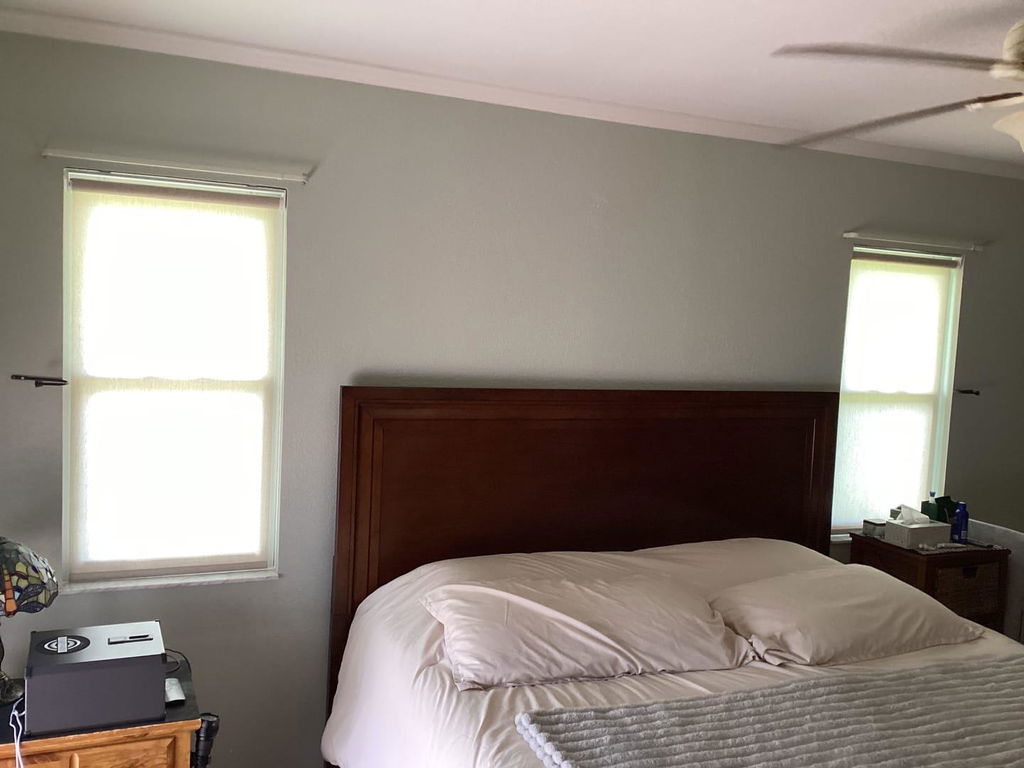
- Mounting hardware 4-6 inches above the trim creates the illusion of higher ceilings.
- Extending the width 3 inches past the casing makes narrow windows feel grand.
- Always use heavy-duty drywall anchors for outside mounts to prevent sagging.
- Outside mounting preserves your full view and maximizes natural light.
The 'Squatty Window' Problem Most Homes Have
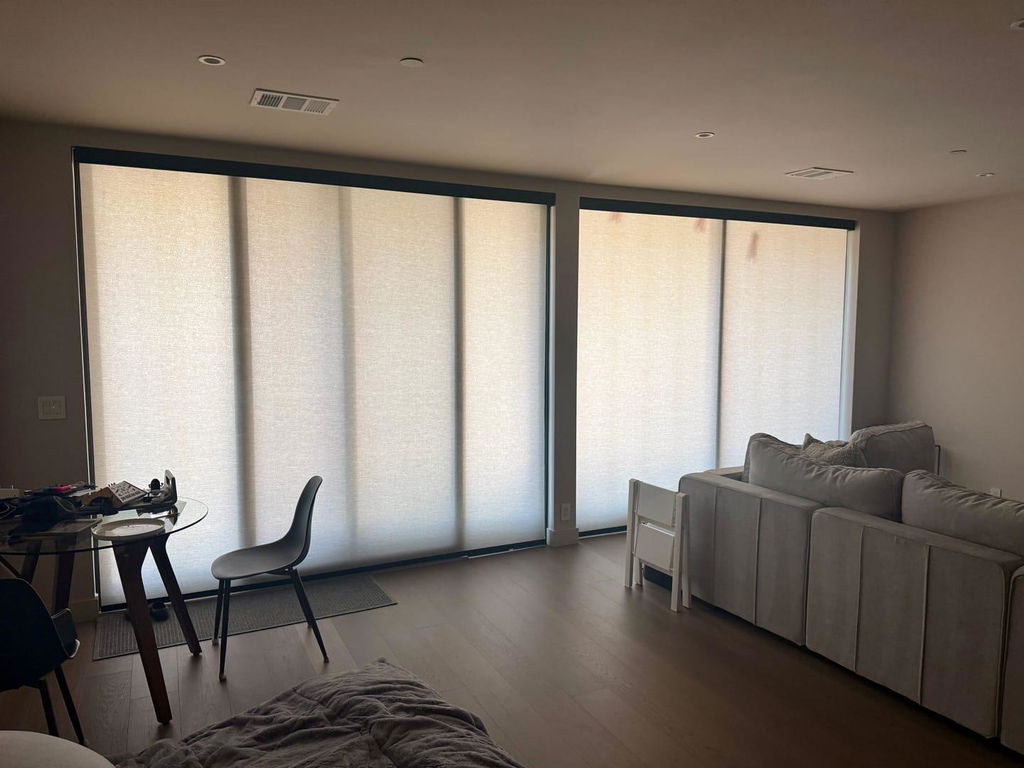
Most modern homes suffer from what I call 'squatty window syndrome.' The windows are functional, sure, but they leave this awkward, empty expanse of drywall between the top of the casing and the ceiling. When you inside-mount a blind, you are restricted by the dimensions of the glass. You’re literally boxing yourself in. The eye stops at the top of the window, making the ceiling feel lower than it actually is.
By choosing to mount a shade above the window, you trick the brain into thinking the window starts higher up. Professional design teams, like those at a shade above window fashions or a shade above charlotte nc, rarely look at just the glass. They look at the entire vertical plane of the wall. They know that by drawing the eye toward the ceiling, the whole room feels more architectural and intentional. It’s the difference between a room that feels 'decorated' and a room that feels 'designed.'
The Math: Exactly How High Should You Mount?
You can't just slap a bracket anywhere and hope for the best. There is a specific math to this madness. I generally follow the 'rule of thirds' for that dead space above the window. If you have 12 inches between your trim and your crown molding, you want to mount your hardware about 8 inches up. This leaves a small gap of wall visible at the top, which prevents the shade from looking like it’s choking the ceiling.
When I’m helping friends in different regions, like those working with a shade above cornelius or a shade above davie, I always emphasize checking for a header. Sometimes you’ll hit solid wood, but often you’re dealing with hollow drywall. Use a toggle bolt; don't trust those flimsy plastic anchors that come in the box. If you’re dealing with complex shapes, check out this guide on How To Match A Half Round Arch Window Shade To The Blinds Beneath It to ensure your 'above' mount doesn't clash with the existing architecture.
Faking the Width: Extending Past the Trim
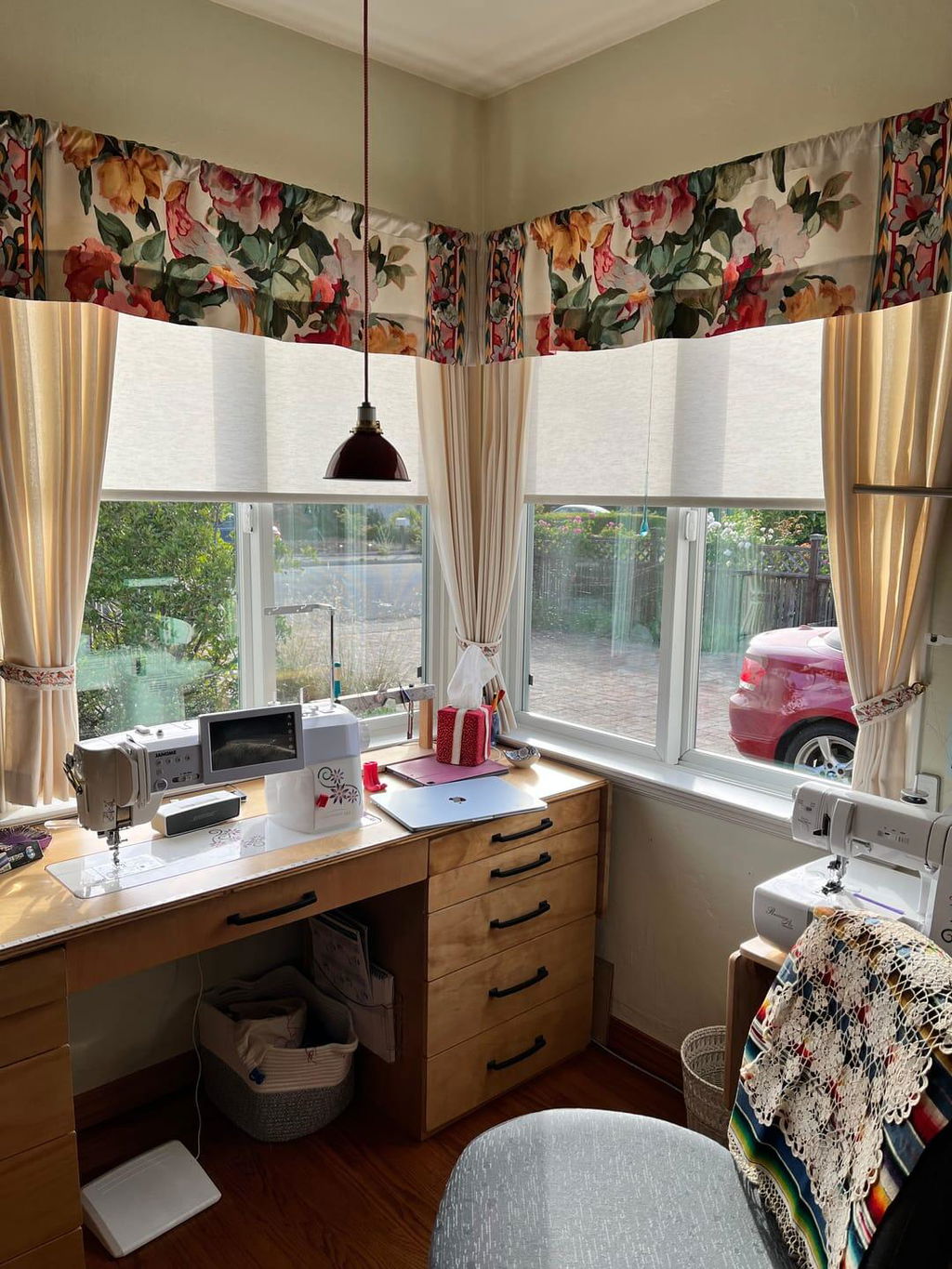
Height is only half the battle. If you want that high-end look, you need to go wide. I typically extend my shade or rod at least 2 to 3 inches past the side casing. This serves two purposes. First, it makes the window look wider. Second, when the shade is open, the stack of fabric sits mostly on the wall rather than covering the glass. This lets in every possible drop of sunlight.
DIY attempts often fail here because people buy shades that are exactly the width of the trim. It looks skimpy. For a professional finish that mirrors a shade above llc or a shade above inc custom work, you want your treatment to feel substantial. I’m a huge fan of using something like the Canisteo Motorized Dual Roller Shades Cordless Custom Double Roller Blinds because they have the structural integrity to hang perfectly straight even when they’re wider than the window itself. No 'V' shape sagging in the middle.
Balancing the Room's Lighting Design
When you raise your window treatments, you change how light enters the room. You’re essentially moving the light source higher up the wall. This is great for daytime, but it can make the bottom half of your room feel a bit shadowy once the sun goes down. To counter this, you need to layer your lighting. I’m a firm believer in the 'no overhead lights after 6 PM' rule.
I’ve spent many Saturdays hunting for vintage brass floor lamps to ground the space. If you find a great piece that’s seen better days, look into 2 In 1 Shade options to refresh the look, or find a local specialist for lamp repair little rock ar. Getting the right lamp shades little rock is the secret to making your elevated window treatments feel like part of a cohesive plan rather than a lone design choice. It’s all about the glow at eye level.
When You Actually Shouldn't Do an Outside Mount
I’m opinionated, but I’m not a zealot. There are times when an outside mount is a mistake. If you live in a historic home with hand-carved mahogany trim, for the love of design, do not cover it up. In those cases, an inside mount is a sign of respect for the craftsmanship. Similarly, a shade above coastal designs often requires inside mounts to keep the fabric away from damp, salty air blowing through open windows.
If your ceiling is exceptionally low—we’re talking basement level—mounting a shade above charlotte style might actually highlight the lack of space. In those scenarios, you have to be more strategic. If you’re feeling stuck between these two worlds, take a look at All Your Shade Solutions to see which mounting style fits your specific architectural constraints.
Upgrading What You Already Have
You don't need to clear out your bank account to get this look. If you already have decent shades, try simply unmounting them and moving the brackets up. You’ll be shocked at how much bigger the room feels just by exposing those extra four inches of glass that were previously hidden by the shade's 'stack.' It’s the easiest renovation you’ll ever do.
If you want to make the setup feel even more custom, you can add a motorization kit to your existing shades. It removes the messy cords that usually clutter up an outside mount. Before you buy anything new, read up on why you should Stop Replacing Good Blinds Try A Window Shade Motor Kit Instead. A little bit of hardware repositioning and a tech upgrade can make a standard blind look like a bespoke installation from a shade above inc.
My Personal Lesson in Gravity
I once tried to mount a heavy, 96-inch velvet Roman shade using only the included screws and no anchors. I wanted it done before a dinner party. At roughly 9 PM, just as I was serving the main course, the entire unit ripped out of the drywall with a sound like a gunshot. It took a chunk of the wall with it and landed squarely in a guest's lap. Now, I never mount anything—especially a shade above a window—without heavy-duty toggle bolts. Learn from my shame: over-engineer your hardware.
Frequently Asked Questions
Does mounting a shade higher make the room darker?
Actually, it’s the opposite. Because the 'stack' of the shade sits on the wall above the window instead of blocking the top of the glass, you actually get more usable light during the day.
What if I have a gap between the shade and the wall?
This is common with outside mounts. To fix it, you can add 'light blocks' to the sides or choose a shade with a return—a piece of fabric that wraps around the side of the bracket to the wall.
Can I do this in a rental?
Absolutely. You’ll have to patch and paint two to four small holes when you move out, but the visual impact on your living space is worth the ten minutes of spackling later on.