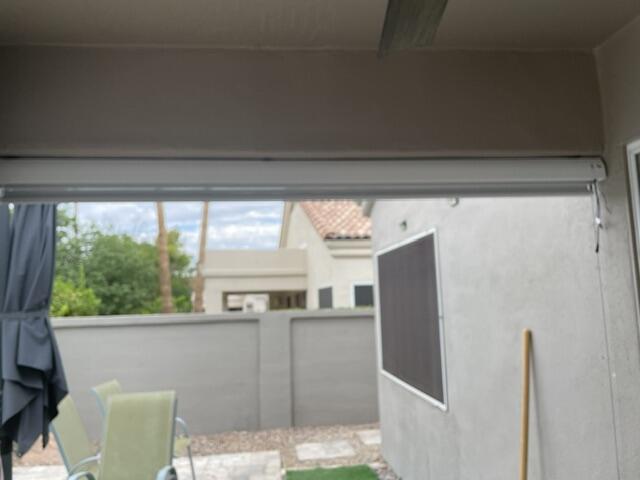
Stop Cooking: Why You Need a Sun Shade Outside Window
I remember sitting in my West-facing living room last July, watching my high-end linen drapes literally radiate heat like a radiator. I had spent a fortune on the 2.5x fullness and the heavy interlining, but by 4 PM, the room was a stifling 82 degrees despite the AC humming. That was the day I stopped obsessing over the interior and looked at the sun shade outside window as the real solution.
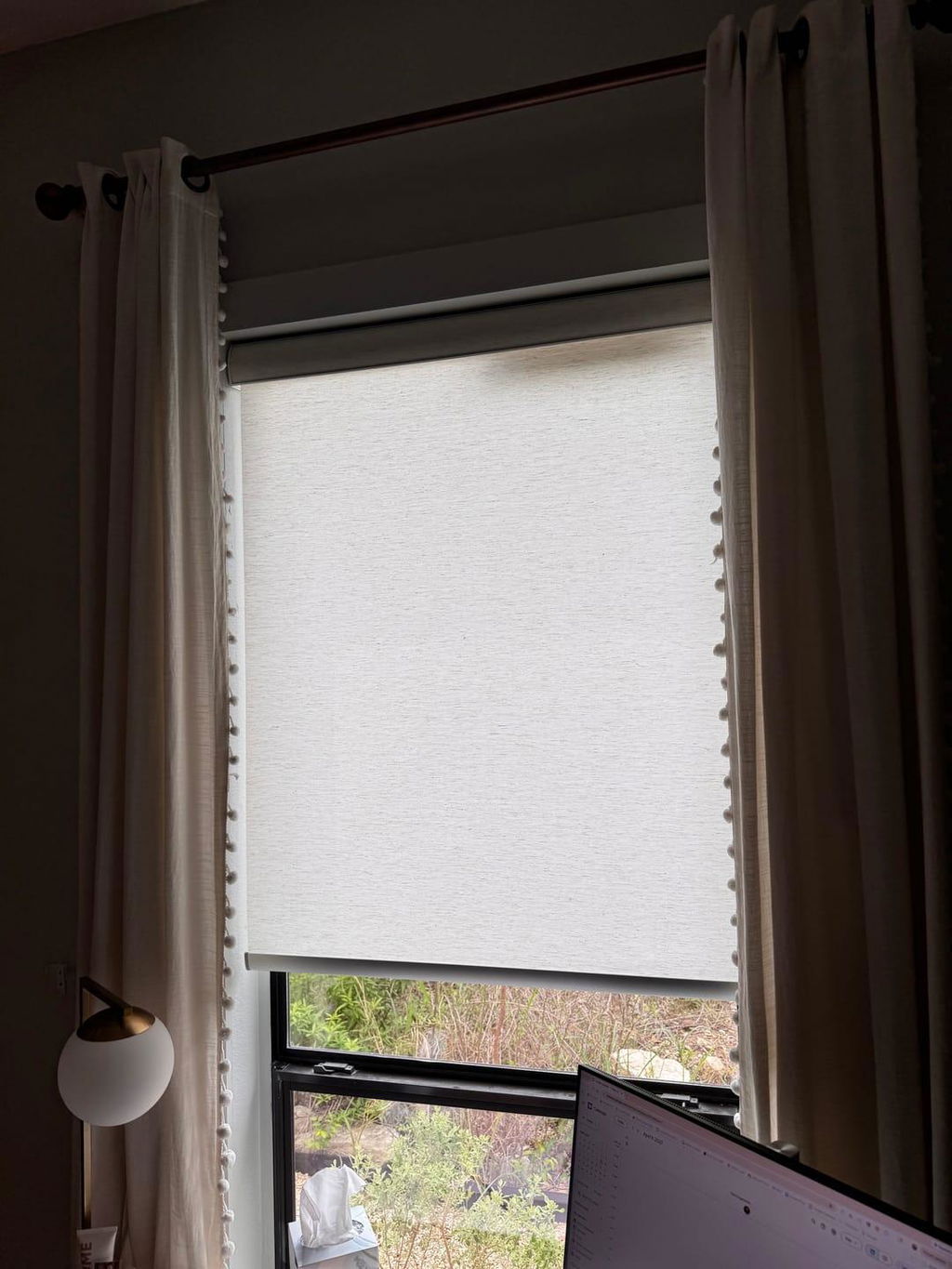
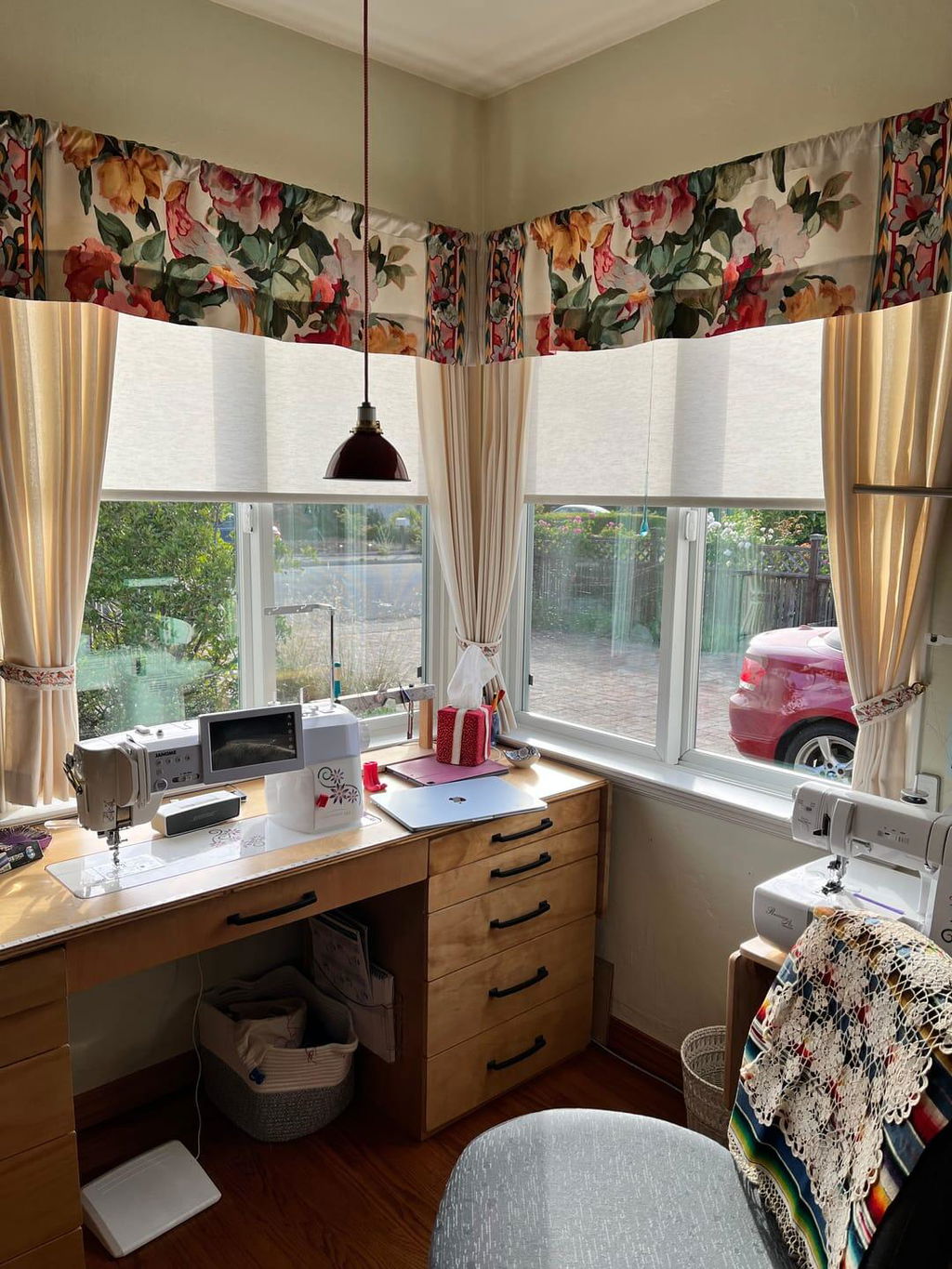
We spend so much time picking the perfect weave for our Roman shades, but we forget that once the sun hits the glass, the battle is already half-lost. A window sunshade for house exterior isn't just a patio accessory; it is the architectural equivalent of wearing a hat in the desert. It stops the heat before it ever enters your home.
- Exterior shades can block up to 90% of solar heat gain.
- 5% openness is the sweet spot for maintaining your view while killing glare.
- Motorized options allow you to react to the sun without stepping outside.
- Quality materials like PVC-coated polyester won't rot or fade like cheap canvas.
Why Your Indoor Blinds Are Already Losing the Heat Battle
It is basic physics, though I wish it were more glamorous. Once those UV rays pass through your double-pane glass, the heat is trapped inside your home’s envelope. Your interior curtains are just playing defense, absorbing that energy and slowly releasing it back into the room. I have touched blackout liners that felt like they were fresh out of a clothes dryer.
Using outside window shade screens changes the math entirely. By intercepting the light on the exterior, the glass stays cool to the touch. This is the only way to truly stop a room from turning into a sauna during those brutal August afternoons when the sun hangs low and hits your windows directly.
The European Secret: Intercepting the Sun Before the Glass
Walk through any street in Provence or Seville and you will see it: external window sun shades, shutters, and awnings. European architecture has understood for centuries that the best way to keep a house cool is to never let the sun touch the glass. In the States, we tend to rely on massive AC units, but adding a cover for windows outside is a far more elegant—and quiet—solution.
If you are worried about your curb appeal, modern designs have come a long way from the clunky metal awnings of the 70s. This collection of outdoor shades features sleek, minimalist profiles that disappear into your window frame. It is about adding a layer of architectural depth that makes the house look finished and intentional.
How to Actually Mount a Cover for Windows Outside (Without Ruining Your Siding)
I have seen too many gorgeous cedar sidings ruined by bulky, industrial-looking brackets. If you are figuring out how to shade a window on the outside, the mounting style is everything. For a clean look, I always advocate for a recessed mount inside the window casing, provided you have the depth. It keeps the hardware hidden and the fabric flush.
If you have to do a surface mount on brick or siding, look for a slim cassette valance that matches your trim color. I once helped a friend install exterior heat blocking window shades on her 1920s bungalow; we painted the hardware to match her 'Tricorn Black' trim, and you couldn't even see the mechanism from the sidewalk. Planning this during a repaint or renovation is the pro move.
Choosing Outdoor Shade Screens for Windows That Look Like Luxury Decor
The biggest mistake people make is buying shades that look like plastic tarps. You want textured outdoor shades that have a bit of visual weight. Look for fabrics with a high-denier polyester core; they have a matte finish that mimics the look of high-end interior fabrics but can withstand a rainstorm without molding.
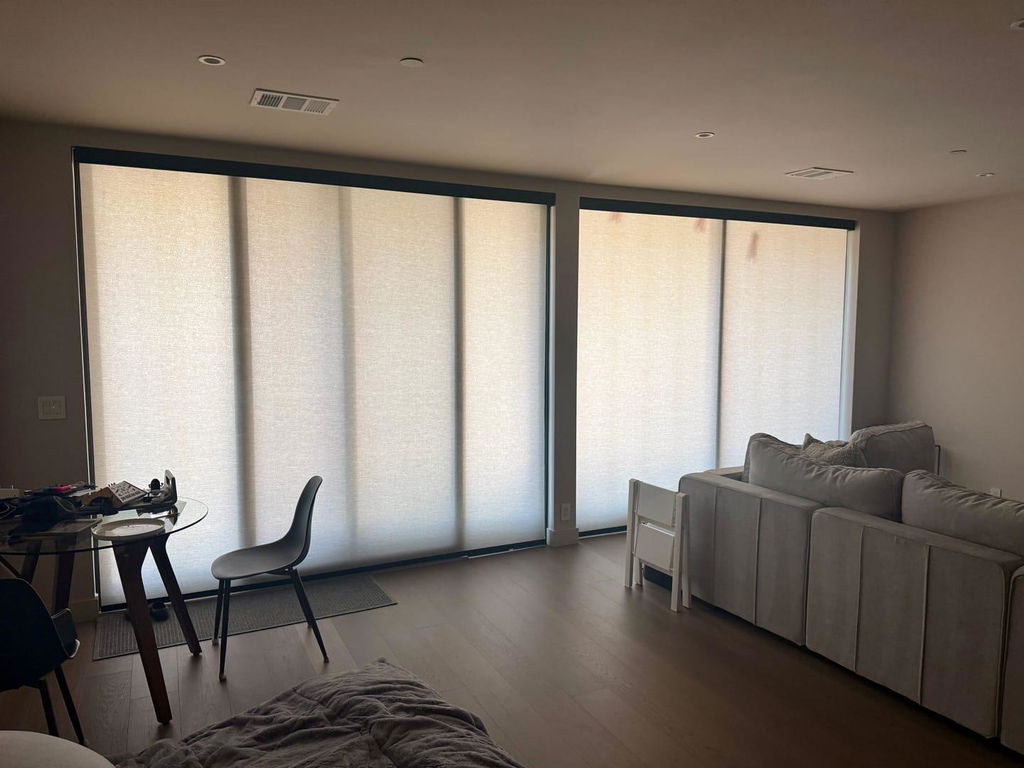
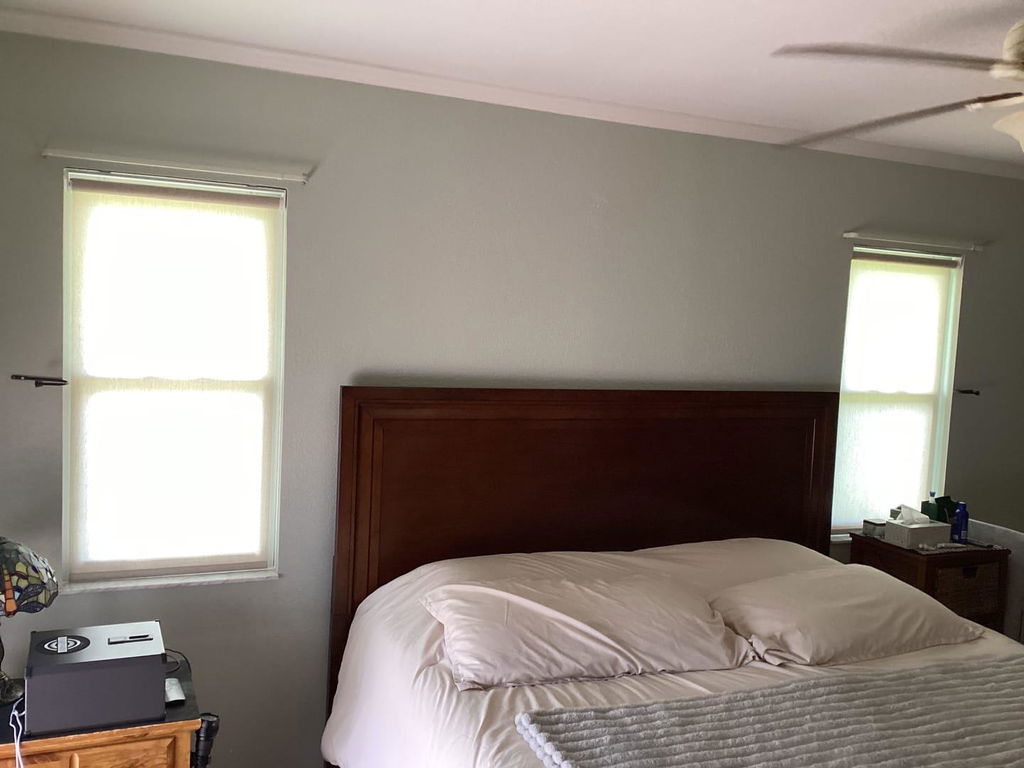
Then there is the openness factor. I almost always recommend 5% openness outdoor shades. At this level, the weave is tight enough to block the majority of the heat and provide daytime privacy, but it is loose enough that you don't lose your connection to the outdoors. You can still see the trees moving in the wind, but the blinding glare is gone.
Slats vs. Woven Screens: Which External Treatment Looks Best?
This comes down to your home's soul. If you are living in a modern farmhouse or a traditional build, structural slats or louvered shutters can add a lot of character. However, for most contemporary or mid-century homes, a roll-down outdoor shade screen for windows provides a much cleaner line. When you are weighing slats vs fabric, remember that fabric screens are far more versatile for odd-sized windows.
Fabric screens also offer a softness that metal or wood slats lack. They diffuse the light, creating a glow inside the room rather than the harsh 'jail cell' shadows that slats can sometimes produce. If your goal is a serene, airy interior, the woven screen wins every time.
Can these shades stay up in the wind?
Most high-quality external window treatments come with a cable guide system or side tracks. These keep the fabric from flapping around like a sail. However, I always tell my clients to retract them if a major storm is rolling in—better safe than sorry.
Will a sun shade outside window block my view?
Not if you choose the right openness. A 5% or 10% weave acts like a pair of high-end sunglasses for your house. You can see out perfectly, but people passing by can't see in during the day.
How do I clean them?
Honestly, just a garden hose and a soft brush. Unlike interior drapes that trap dust in their fibers, outdoor shades are designed to be hosed off. I do mine once every spring to get the pollen off, and they look brand new.