Roman, Roller, or Cellular: Which Type of Window Shades Looks Best?
I remember standing in the middle of my first 'grown-up' apartment, staring at the white plastic slats hanging in the window. They clacked aggressively every time the AC kicked on, casting these harsh, prison-bar shadows across a vintage rug I’d spent three months saving for. It was a design tragedy. It wasn't until I finally ripped them down and swapped them for a soft, 100% linen type of window shades that the room finally felt like a home instead of a waiting room.
Quick Takeaways
- Roman shades are the gold standard for adding texture and a 'custom' feel without the bulk of floor-length drapes.
- Modern roller shades have moved past vinyl; look for woven fabrics and dual-system motorization for a high-end, minimalist look.
- If you love the light control of slats but hate the look of blinds, 'Zebra' or transitional shades are your best bet.
- Cellular shades offer the best insulation but usually need to be layered with curtains to hide their utilitarian hardware.
Stop Letting Builder-Grade Blinds Ruin Your Architecture
Most people default to whatever was hanging when they moved in. Usually, that means cheap, 1-inch aluminum or faux-wood blinds. These aren't just boring; they actively fight your room's architecture. When you start looking at different window treatments in house, you realize that the goal isn't just to block light—it's to frame the view and soften the hard lines of the window casing.
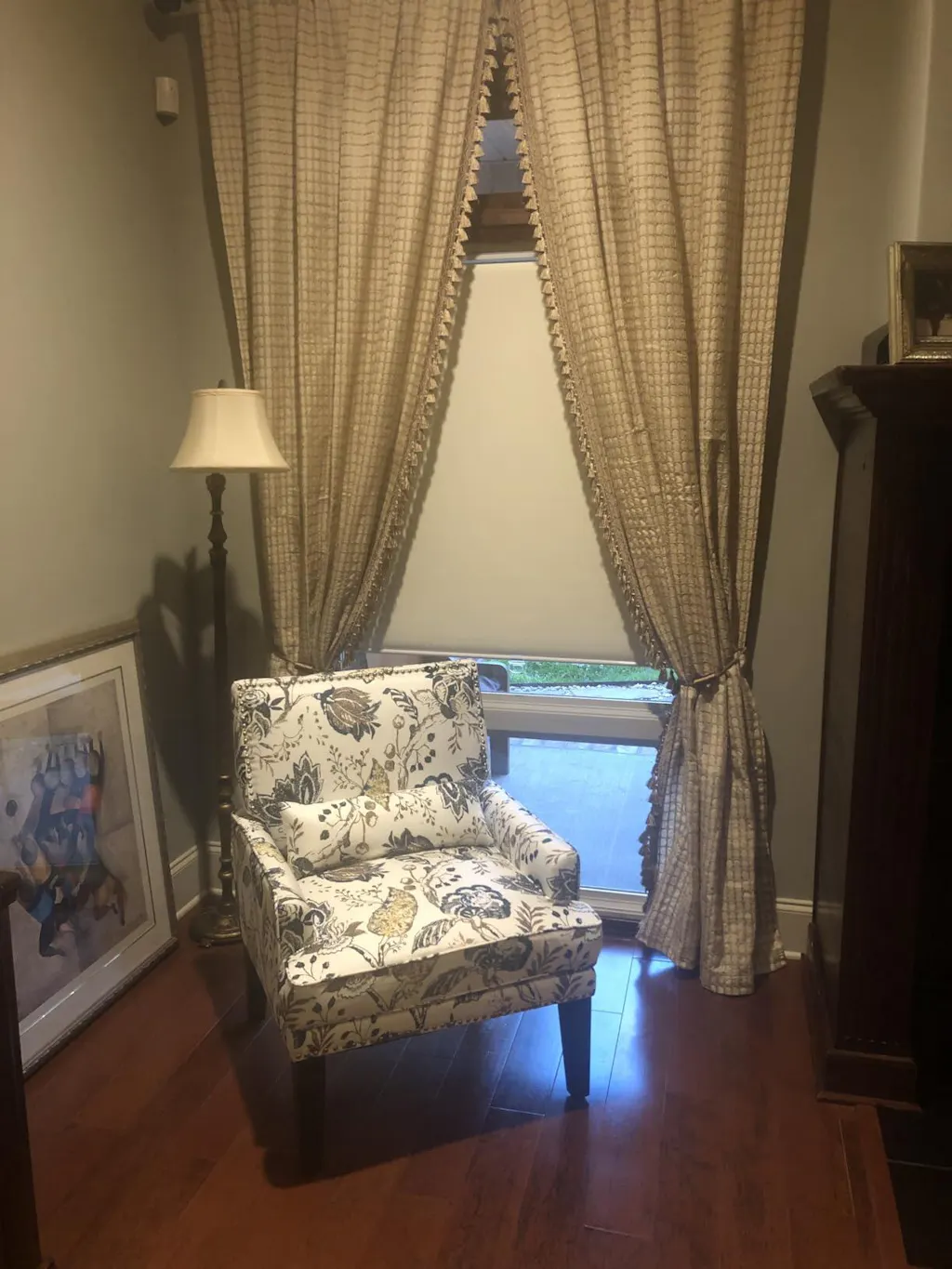
Mixing your window cover types is the fastest way to make a house feel curated. You don't need the same treatment in every room. I usually suggest a heavy, structured shade in the living room and something softer or more functional in the bedrooms. The key is choosing window coverings types that respect the 'bones' of your windows rather than hiding them under layers of plastic.
Roman Shades: The Secret to Faking Custom Drapery
If you want the softness of fabric but don't have the floor space for 96-inch drapes, Roman shades are the answer. I’ve spent years obsessive over 250gsm linen blends because they hold a crisp fold. A flat Roman shade is my go-to for a modern look—it’s a single smooth panel of fabric that stacks neatly at the top. If you want something a bit more traditional, a 'waterfall' or hobbled style has permanent folds that add depth even when the shade is fully lowered.
In my experience, I've Styled 100 Rooms: Here Are the Only Types of Window Shades I Use for a reason: they are incredibly versatile. You can mount them inside the window frame to show off beautiful wood trim, or mount them outside and a few inches higher to make a small window feel massive. It’s a classic move that works in everything from a coastal kitchen to a moody, dark-walled study.
Roller Shades: Sleek, Modern, and Easy to Mess Up
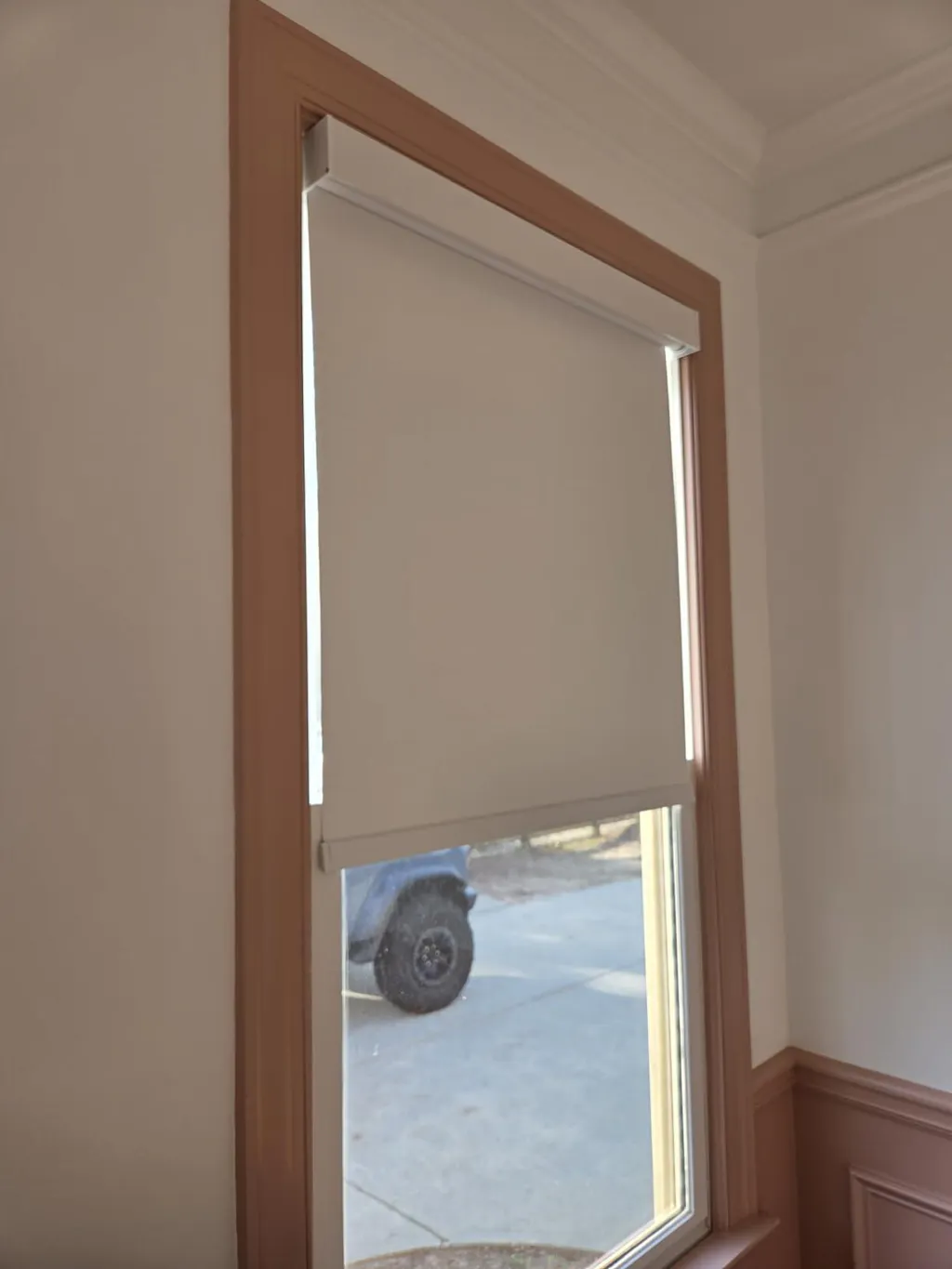
Roller shades used to be the 'budget' option, but they’ve had a massive glow-up. We’re no longer talking about the spring-loaded vinyl that snaps out of your hand. Modern styles of window treatments now include high-end woven fabrics that look like grasscloth or fine silk. The mistake people make is choosing a fabric that’s too thin—it ends up looking like a sheet of paper.
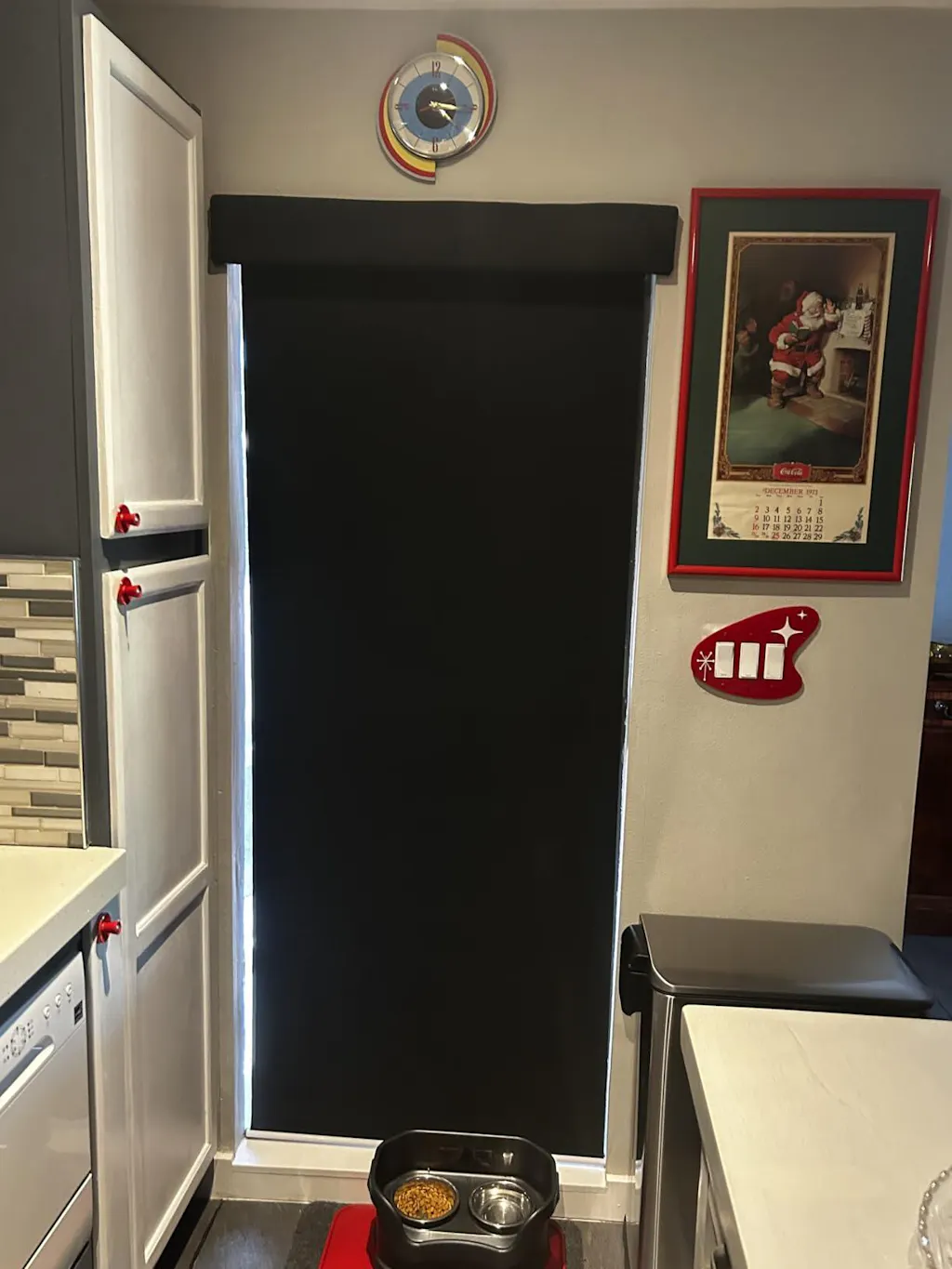
For a bedroom or a media room, I always point people toward motorized dual roller shades. This system is the ultimate luxury upgrade. You get one layer of sheer solar fabric to cut the glare during the day and a second blackout layer for sleeping. It’s a clean, cordless look that fits perfectly inside a deep window casing, keeping the focus on your furniture rather than the window hardware.
What Type of Window Design is Similar to Window Blinds?
A lot of clients ask me, 'what type of window design is similar to window blinds?' because they like being able to tilt the slats for privacy without losing all their light. If that's you, you should be looking at transitional or 'Zebra' shades. These use two layers of fabric with alternating sheer and solid bands. You can align the solid bands for total privacy or offset them to let light filter through the sheer sections.
Another option that mimics that slatted look but feels much more bespoke is the plantation shutter. While technically a 'hard' treatment, they offer that same directional light control. However, if you want something softer, look for sheer vanes. These are essentially fabric slats suspended between two layers of sheer mesh. They give you the function of a blind with the ethereal, soft-focus glow of a high-end sheer curtain.
Cellular and Transitional Shades: Pure Function (With a Catch)
Cellular or honeycomb shades are the workhorses of the window treatment types world. They have a unique 'cell' structure that traps air, making them incredible for insulation. If you have drafty windows in a cold climate, these will actually save you money on your heating bill. But let’s be honest: they look a bit utilitarian. The headrails are often chunky and plastic-heavy.
To make these work, I always recommend a strict inside-mount and then layering a decorative curtain rod over the top. This hides the hardware while keeping the function. For bedrooms, day night shades are a brilliant solution. They combine a sheer cellular section and a blackout section in one unit, so you can choose exactly how much of the world you want to let in at 7 AM. Just don't leave them bare; they need a little fabric framing to look their best.
The Final Verdict: What is the Best Window Treatment?
So, what is the best window treatment? Honestly, it depends on your window's depth and your room's 'vibe.' If you have deep windows and love a clean line, go with a high-end roller. If you want warmth and texture, a Roman shade is unbeatable. The biggest mistake you can make isn't picking the 'wrong' style, but executing the install poorly. Even the most expensive custom shade looks terrible if it's not level or if the brackets are visible.
Before you commit, check out How To Install Your Shades. Measuring twice is a cliché for a reason. I once ordered a set of five custom Romans for a sunroom and realized I’d measured the width of the glass, not the inside of the frame. I spent the next three hours with a dremel tool trying to shave down the headrails at midnight. Learn from my panic: measure the top, middle, and bottom of every single window, because no window frame is actually square.
Personal Experience: The Linen Lesson
I once styled a kitchen with beautiful, 100% heavy cotton Roman shades right over the sink. They looked incredible for exactly two weeks. Then, the steam from the boiling pasta pots and the occasional splash from the faucet started to take their toll. The bottom hem began to sag, and the fabric held onto every kitchen odor. I had to replace them with a moisture-resistant polyester blend that mimicked the look of linen. The moral? Always consider the 'humidity' of the room before you fall in love with a natural fiber.
FAQ
Can I mix different types of window treatment in the same room?
Yes! It actually looks more designer-led. Try a Roman shade on a small window and matching floor-length drapes on a larger sliding door. Just keep the fabric or the color story consistent so the room feels cohesive.
Which window coverings options are best for privacy?
Top-down/bottom-up shades are the winners here. You can lower the top half of the shade to let in light and see the trees, while the bottom half stays closed to block the view from the street.
What is the most durable window cover types for homes with kids?
Go cordless. Not only is it a safety requirement now, but motorized roller shades or cordless Romans are much harder for sticky hands to tangle or break than traditional slatted blinds.