Pleated vs Soft Fold Roman Shades: Which One Ruins a Modern Room
I once spent three hours steam-ironing a set of custom shades in a client’s breakfast nook, only to realize the heavy 300 gsm velvet I had picked was completely wrong for the style. It looked like a lumpy sleeping bag shoved into a window frame rather than a graceful window treatment. That was the afternoon I learned that the debate between pleated vs soft fold roman shades isn't just a design preference—it is a lesson in architectural physics.
- Pleated folds (plain folds) are architectural, laying flat when closed and stacking neatly when raised.
- Soft folds (hobbled folds) maintain cascading loops of fabric even when the shade is fully lowered.
- Flat folds are the gold standard for modern, minimalist, or transitional aesthetics.
- Soft folds require significantly more fabric yardage and create a much bulkier 'stack' at the top of the window.
Why the Fold Style Completely Changes Your Room's Vibe
Most homeowners spend weeks agonizing over 'Oatmeal' versus 'Parchment' linen swatches, but they completely ignore the skeleton of the shade. The fold style is what determines the 'heaviness' of your window. If you choose the wrong one, you can accidentally turn a crisp, mid-century living room into something that looks like a dusty Victorian parlor. It is the difference between a tailored suit and a ruffled prom dress.
The choice between pleated fold vs soft fold roman shades dictates how light interacts with the fabric and how much of your window is actually visible. A soft fold adds visual volume and shadows, while a pleated fold stays out of the way. If your room is already full of texture—think chunky rugs and velvet sofas—adding a soft fold shade might push the space into 'too much' territory.
The Crisp Appeal of a Pleated Fold Roman Shade
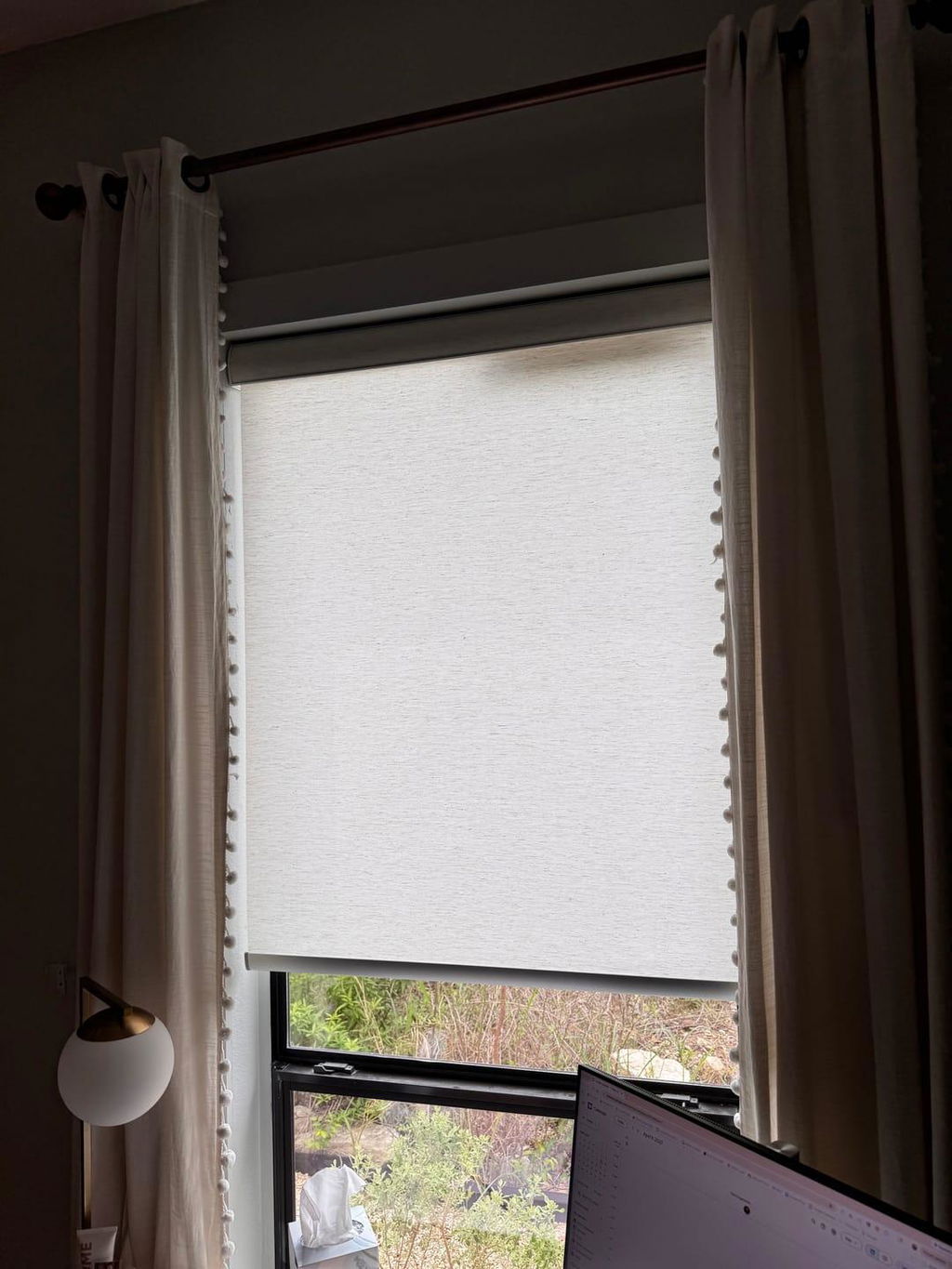
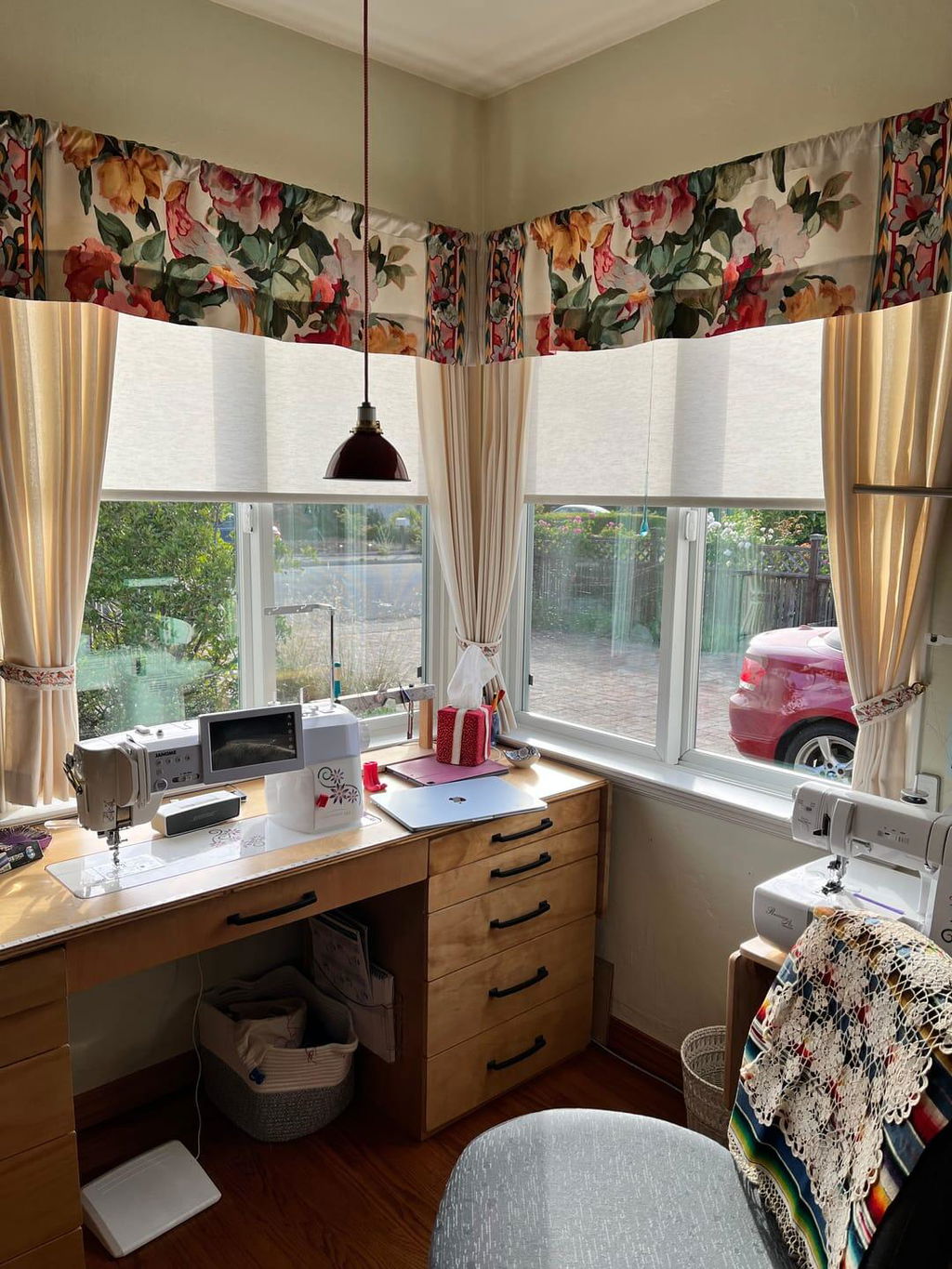
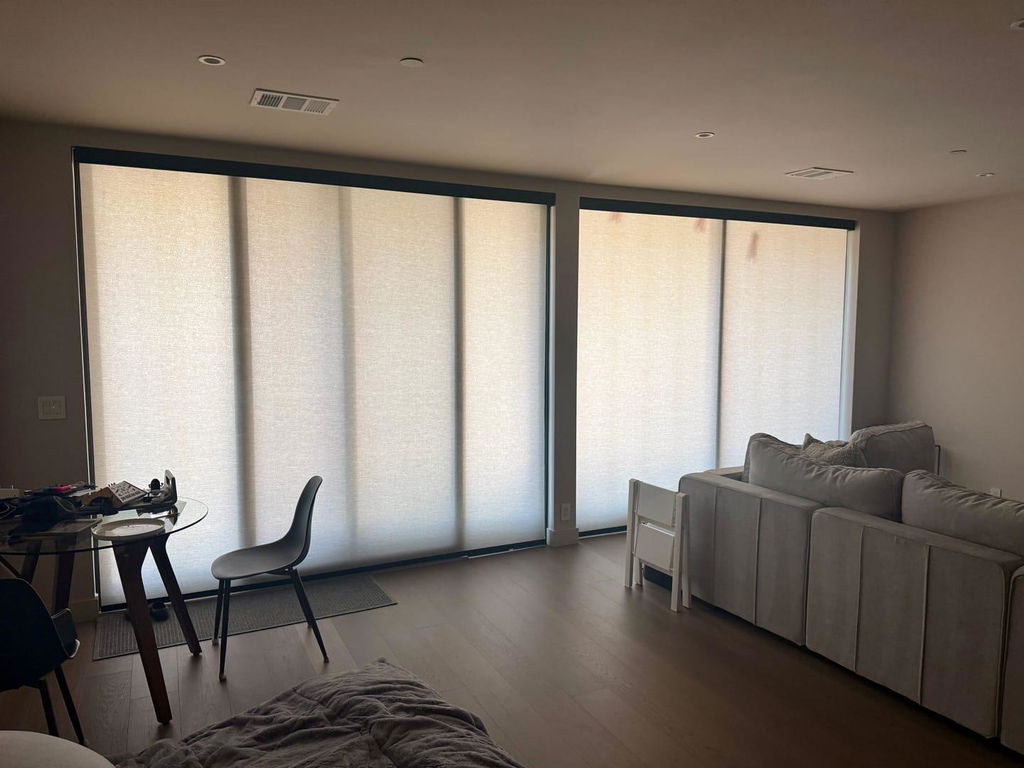
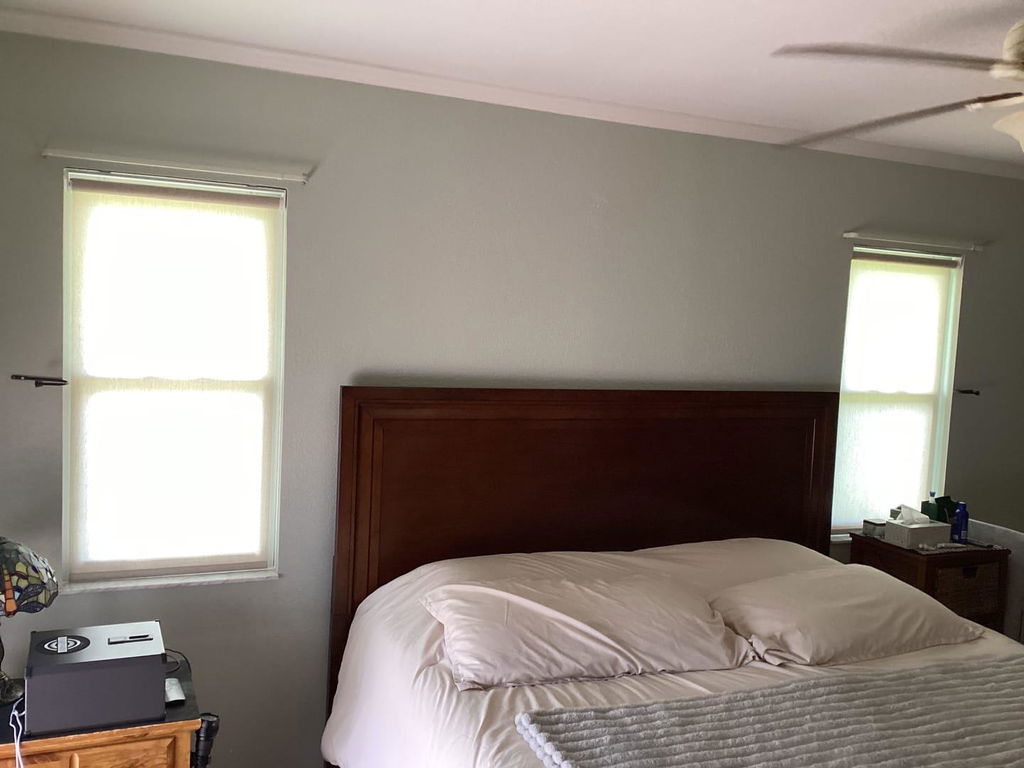
The pleated fold, often called a plain fold roman shade, is my personal go-to for 90% of my projects. When lowered, the shade is a single, flat panel of fabric. It looks clean, intentional, and doesn't compete with your wall art or furniture. It is the ultimate choice for anyone aiming for a transitional or minimalist look because it mimics the clean lines of the window frame itself.
When you order custom roman shades in a pleated style, they are usually constructed with horizontal stays or 'ribs' sewn into the back. These ribs ensure that as you pull the cord, the fabric is forced into perfect, uniform 6-inch or 8-inch folds. There is no 'dressing' the shade or fussing with the fabric to make it look right. It just works.
What Makes a Soft Fold So Tricky to Style?
Soft fold roman shades, also known as hobbled folds, are a different beast entirely. Unlike the flat fold vs soft fold roman shades comparison where one is flat, the soft fold has permanent loops of fabric that cascade down the window even when the shade is fully closed. This creates a soft, romantic, and very traditional feel.
The danger here is the 'frump factor.' In a modern room with clean lines, the constant ripples of a soft fold can look dated or cluttered. However, in a grandmillennial space or a traditional bedroom with high ceilings, that extra fabric adds a sense of luxury and warmth. Just be prepared: because the fabric is doubled over to create those loops, you are looking at a much heavier window treatment.
Pleated vs Soft Fold: How They Stack When Raised
The 'stack' is the pile of fabric that sits at the top of your window when the shade is open. This is where the flat fold vs classic fold roman shades debate gets real. A pleated fold stacks incredibly tight—usually between 6 to 10 inches depending on the length of the window. This is vital if you have a beautiful view you don't want to block or if you have limited 'dead space' above the window trim.
Soft folds, however, are bulky. Because the fabric is already looped, the stack is much deeper and thicker. I’ve seen soft fold stacks take up 12 to 15 inches of vertical space. If you are dealing with low ceilings, this can make your windows look squat and stubby. I previously wrote about how drapes vs shades roman blinds fixed my awkward radiator problem, but even then, you have to account for that top-heavy bulk. A pleated fold keeps the window feeling tall; a soft fold makes it feel dressed, but smaller.
The Fabric Weight Rule You Need to Know
You cannot separate the fold style from the fabric weight. When comparing soft fold vs pleated fold, the 'hand' of the fabric—how it feels and moves—will make or break the finished look. If the fabric is too stiff, it won't loop; if it's too thin, it won't hold a crisp pleat.
Best Fabrics for Flat Folds
For pleated and folding fabric blinds, you want structure. A 250-300 gsm linen-cotton blend is the sweet spot. It has enough body to hold those sharp, horizontal lines without sagging in the middle. Avoid 100% silk or very lightweight sheers unless they are heavily lined, as they tend to look flimsy when stretched flat.
Best Fabrics for Cascading Loops
Soft folds need 'drapery' weight fabrics. Think of a supple linen or a soft polyester blend that has 'memory.' You want the fabric to drape gracefully into those loops rather than sticking out like a shelf. Avoid stiff, outdoor-grade canvases or heavily starched cottons, which will make the hobbled folds look awkward and forced.
Which One Should You Actually Order?
If you want a room that feels breezy, modern, and easy to maintain, stick with the pleated fold. It’s the workhorse of the design world for a reason. It handles daily use better and stays looking 'new' longer because the fabric isn't constantly folded over itself.
Choose the soft fold only if you are intentionally leaning into a romantic, traditional, or maximalist aesthetic. It’s a statement piece, not a background player. Just remember to mount it high—at least 4 to 6 inches above the trim—to compensate for that massive fabric stack. Your natural light will thank you.
FAQ
Is a pleated fold cheaper than a soft fold?
Generally, yes. A soft fold requires almost double the fabric yardage because of the overlapping loops, which increases both the material cost and the labor to sew it.
Which fold is better for blackout?
The pleated fold is superior for blackout. Because it lays flat against the window, there are fewer gaps for light to leak through the sides compared to the undulating edges of a soft fold.
Do soft fold shades get dustier?
Yes. The 'loops' in a soft fold act as little horizontal shelves that catch dust and pet hair. If you have allergies, the flat surface of a pleated fold is much easier to keep clean with a quick vacuum attachment.