My Trick for Making Solar Film Blinds Look Cozy, Not Corporate
I remember sitting in my first 'grown-up' apartment, squinting at my laptop while the 4 PM sun turned my walnut coffee table into a literal heat lamp. I tried hanging those cheap, gauzy sheers, thinking they would solve the problem, but they just turned the window into a giant, glowing white rectangle that made my eyes ache even more. That was the day I realized I needed solar film blinds to survive a west-facing living room without feeling like I was living in a dark cave.
Quick Takeaways
- Choose a 1% or 3% openness factor to actually kill glare while keeping your view.
- Inside-mount your shades to keep the window frame visible and architectural.
- Always hide the roll with a matching metal fascia or a fabric-wrapped valance.
- Layer with heavy, 280 gsm linen drapes to soften the technical edges.
The 3 PM Glare Dilemma (And Why Sheers Fail You)
If you have a south-facing or west-facing living room, you know the exact moment the sun stops being a 'natural light feature' and starts being an intruder. It bakes the velvet on your sofa and makes the TV screen a mirror of pure white light. Most people reach for sheer curtains, but sheers are just diffusers. They take harsh light and spread it into a hazy, blinding fog.
The real danger isn't just the brightness; it is the silent destruction of your interior. I have seen beautiful, hand-knotted wool rugs lose their vibrant indigo and madder root dyes in a single summer because of constant UV exposure. You need something that acts as a barrier to save your fading rugs without sacrificing the very view you paid for.
What Exactly Are Solar Film Blinds?
Unlike a standard woven roller shade, solar film roller shades are engineered from a high-tech laminate or vinyl-coated polyester. Think of them as high-end sunglasses for your windows. They are designed with a specific 'openness factor'—usually 1%, 3%, or 5%—which determines how much light and heat actually pass through the material.
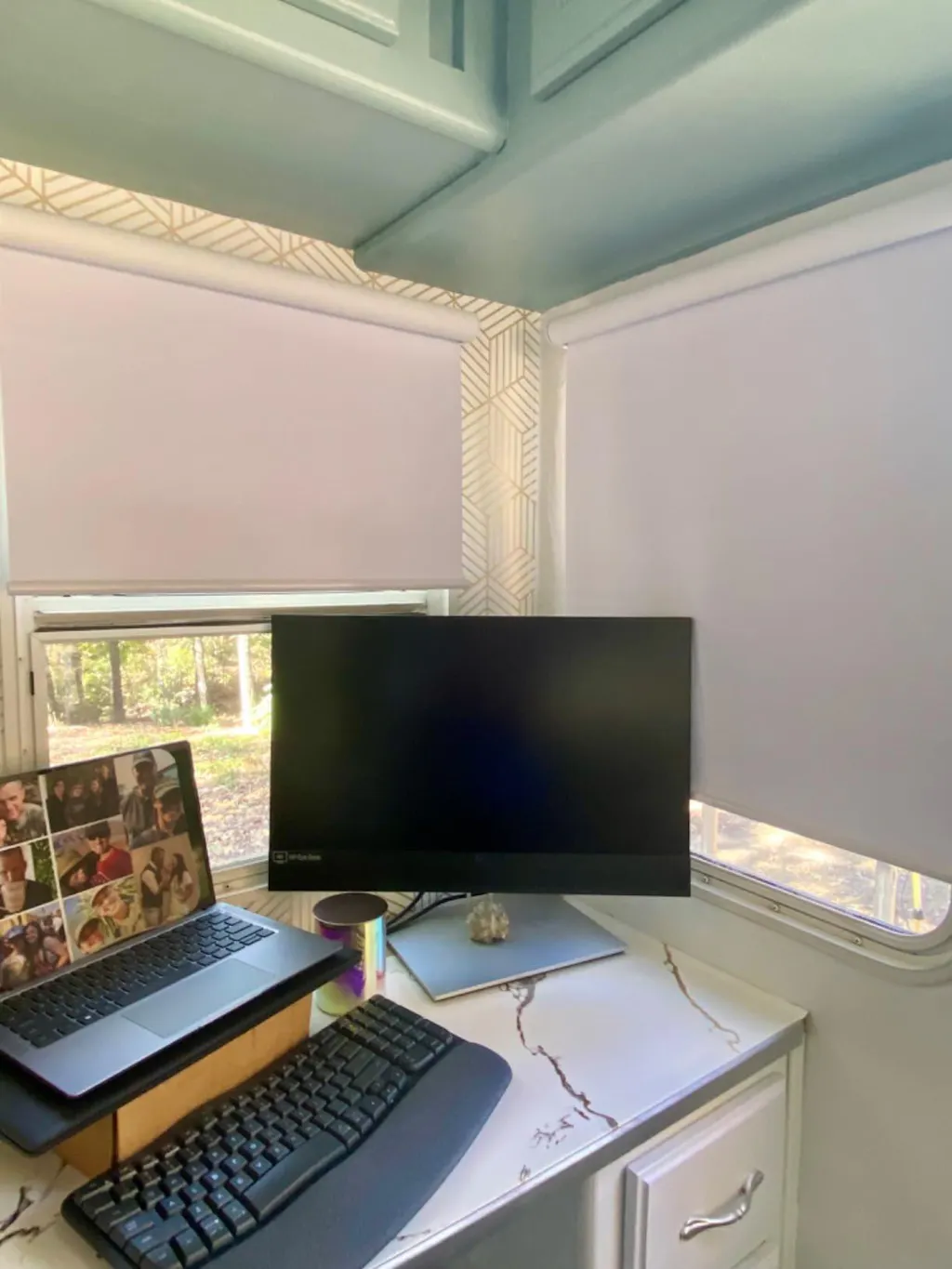
These films work by reflecting a massive percentage of solar energy back outside before it ever hits your air. While modern roller shades come in a million textures, the film variety is specifically prized for its ability to stay crisp and thin, allowing for a much smaller roll diameter than bulky fabrics. This makes them perfect for tight window casings where you don't want a massive header taking up three inches of glass.
Avoiding the Sterile 'Dental Office' Aesthetic
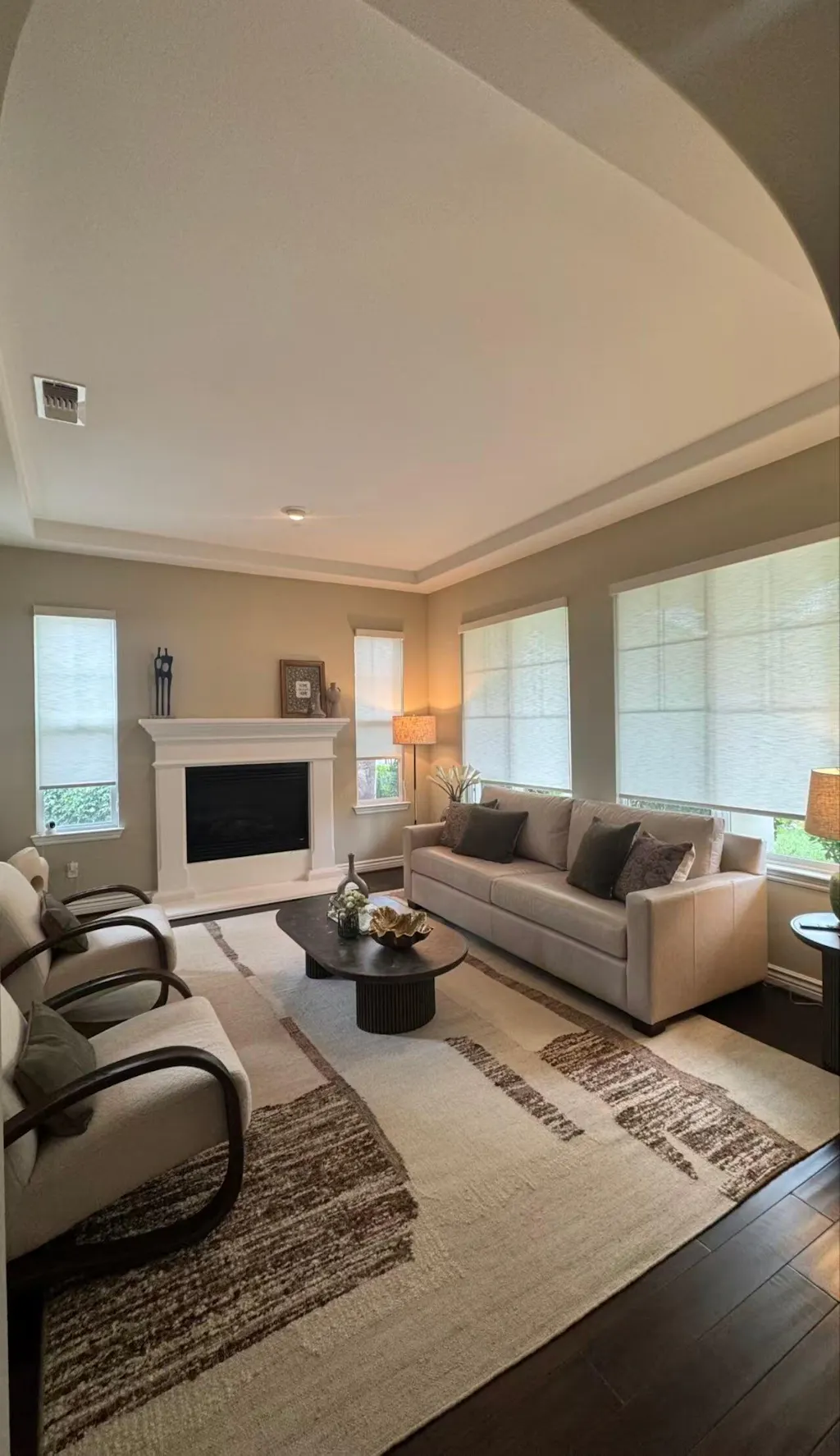
The biggest fear my clients have is that their home will suddenly look like a corporate office once the film goes up. To avoid that sterile, commercial vibe, it is all about the hardware. Never leave the 'naked' roll exposed at the top. It looks unfinished and cheap.
I always specify a matching aluminum fascia or, better yet, a fabric-wrapped cassette. If you are mounting them inside the frame, ensure you have at least 2.5 inches of depth so the shade sits flush. If the shade sticks out past the trim, it loses that 'integrated' look and starts to look like an afterthought. I prefer a dark bronze or charcoal film over the standard silver; the darker tints actually provide a clearer view of the outdoors because they reduce the surface reflection on the inside of the film.
Why I Always Layer Over the Film
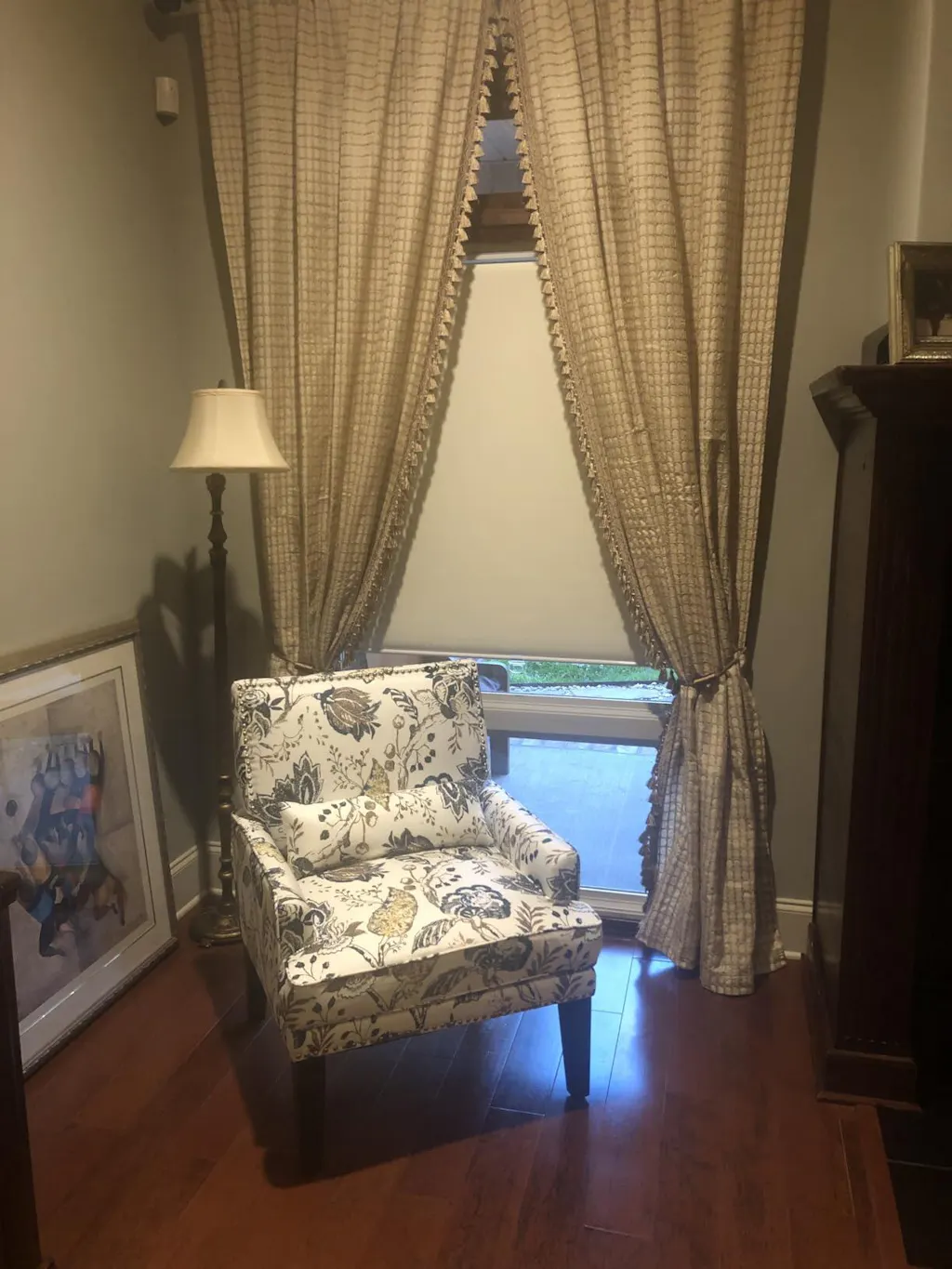
Here is the stylist's secret: solar film roller blinds are a functional layer, not a decorative one. Think of them like the primer on a wall—essential, but not the final look. To make a room feel like a home, you must add softness. I always install a high-quality curtain rod about 4 to 6 inches above the window frame and 8 to 10 inches wider than the window on each side.
I then hang heavy, floor-to-ceiling linen panels with a 2.5x fullness. This creates a beautiful contrast between the sleek, technical film and the organic, rumpled texture of the fabric. For those who hate the look of traditional drapery, motorized dual roller shades are a fantastic alternative. You can have the solar film as your daytime layer and a textured, opaque fabric as your secondary layer, all tucked into a single, slim headrail.
The Nighttime Fishbowl Effect (And the Fix)
There is one huge 'gotcha' with solar film: the privacy flip. During the day, you can see out but they can't see in. But at night, when your interior lights are on and it is dark outside, the film becomes transparent. You are essentially putting on a stage play for the neighborhood without realizing it. I once walked past a house with film blinds at 8 PM and could see exactly what the family was eating for dinner from 50 feet away.
This is why that second layer is non-negotiable. Whether it's a blackout drape you pull shut at sunset or using day night shades that incorporate a privacy layer, you need a backup. Never rely on film alone if you have neighbors within sightline. It is the ultimate daytime solution, but it requires a partner for the night shift.
Personal Experience: The 'Space Blanket' Incident
I once ordered a high-reflectivity silver film for a client's sunroom without checking the sample in the actual space. When it arrived, it looked like we had lined the windows with emergency space blankets. It was so shiny that it actually bounced light onto the ceiling in a weird, flickering pattern. I had to eat the cost and re-order a charcoal-tinted film with a 3% openness. The lesson? Always hold the sample up to the glass at high noon. The color of the film changes the color of the light in your room, and you want something that feels like a cool shadow, not a metallic mirror.
Frequently Asked Questions
Will solar film blinds make my room too dark?
Not if you choose the right openness. A 5% openness factor still lets in plenty of ambient light while cutting the 'bite' of the sun. It feels like a slightly cloudy day even when it is clear out.
Can I install these myself?
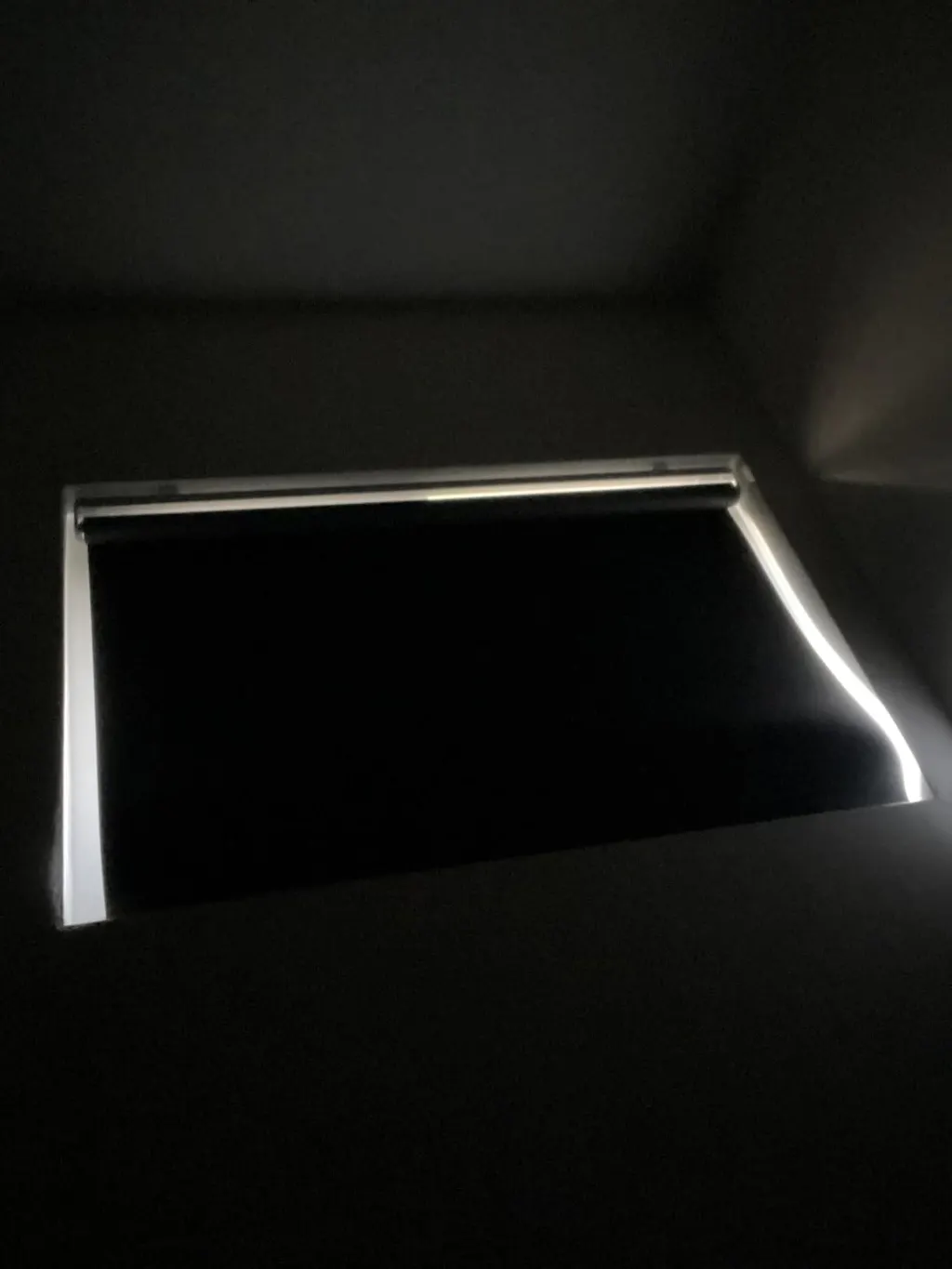
Yes, but precision is everything. If your measurement is off by even an eighth of an inch, you will have a 'light gap' on the sides that will drive you crazy. Use a metal tape measure, not a cloth one, and measure the top, middle, and bottom of the frame.
Do they actually help with the electric bill?
Absolutely. In my last place, the AC stopped cycling every ten minutes once I installed film shades on the west windows. You can feel the temperature drop near the glass the second you roll them down.