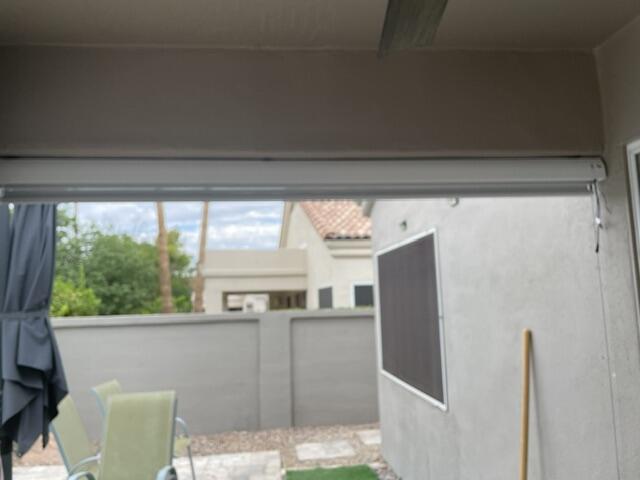
Mesh vs. Vinyl: Finding Blinds for Outdoors That Actually Last
I remember the first summer I tried to 'fix' my west-facing deck with a pair of cheap reed screens I found at a big-box store. By July, the wind had shredded the twine, and the sun had bleached them into a brittle, gray mess that looked more like a shipwreck than a sanctuary. Finding the right blinds for outdoors isn't just about matching your patio furniture; it's about understanding which materials can actually stand up to a literal hurricane and which ones will disintegrate before Labor Day.
- Mesh Solar Fabrics: The gold standard for heat reduction and wind resistance.
- Clear Vinyl: Great for rain protection, but creates a stifling greenhouse effect in summer.
- Bamboo/Natural Woven: Beautiful for covered porches, but prone to mildew if they get soaked.
- Cable Guides: Essential hardware to prevent your shades from becoming dangerous sails.
The Reality of Styling an Exposed Patio
Designing an outdoor room is a completely different beast than styling a bedroom. Inside, we worry about drape and light-filtering; outside, we worry about physics. When you install a blind for outside, you are essentially mounting a sail to your house. If the fabric is too heavy, the hardware pulls out of the header; if it's too light, it flaps against the siding with a rhythmic thud that will drive you and your neighbors insane.
I’ve learned the hard way that UV rays are the ultimate decorator—they will change the color of your exterior patio blinds faster than you can say 'taupe.' You need fabrics with high-denier polyester cores and UV-stable coatings. Don't even look at interior-grade fabrics for a blind for outdoor patio setup; they lack the antimicrobial treatments needed to prevent the black-spot mildew that thrives in humid evening air.
The Clear Vinyl Trap: Why Your Deck Feels Like a Greenhouse
You’ve seen them at outdoor cafes: the heavy, clear PVC blinds outdoor patio owners use to keep the rain out. While they are fantastic for blocking a cold October drizzle, using them as blinds for outdoor deck spaces in the height of summer is a mistake. Vinyl traps air. It turns your beautiful mahogany deck into a literal plastic bag, jacking up the temperature by 10 or 15 degrees within minutes.
Beyond the heat, clear vinyl has a short 'beauty window.' Within two seasons of direct sun, the plasticizers often leach out, leaving the material yellowed and brittle. If you really want that 'window' look for exterior shade blinds, reserve them for north-facing areas or seasonal enclosures that you take down when the temperature climbs above 75 degrees.
The Bamboo Illusion: Pretty but Fragile
I love the look of roller blinds for porch setups that use natural bamboo or matchstick wood. It’s that effortless, bohemian vibe that looks incredible in a Pinterest photo. However, in the real world, natural fibers are a buffet for mold. Unless your porch is deep and fully covered, these 'affordable outdoor blinds' tend to snap at the cord points after a few heavy storms.
If you’re dead-set on the texture of wood for your blinds for the garden, look for synthetic 'all-weather' weaves. They mimic the variegated tones of real bamboo but are extruded from high-density polyethylene (HDPE) that won't rot when the humidity hits 90%.
Mesh Solar Fabrics: The Sweet Spot for Sun and Wind
After years of testing, I’ve found that PVC-coated polyester mesh is the only way to go for outdoor patio shade blinds. Because these fabrics are micro-perforated, they allow air to circulate. They act as effective outdoor wind blinds because they break the force of the breeze without catching it like a solid sheet of fabric. You get the shade you need without the 'parachute effect.'
When you invest in durable outdoor shades, you’re looking for a material that cuts the glare on your laptop or TV screen but still lets you see the trees. It’s the difference between feeling enclosed and feeling protected. I prefer a dark charcoal or bronze mesh; surprisingly, dark colors are easier to see through than light ones because they absorb more light rather than reflecting it back into your eyes.
Demystifying Openness Percentages
When shopping for outdoor sun blinds, you’ll see 'openness factors' like 1%, 5%, or 10%. This refers to how tight the weave is. A 1% weave is almost solid—great for outdoor blinds balcony privacy if you have nosy neighbors, but it blocks most of your view. I usually recommend outdoor shades with 5% openness for most lanai blinds outdoor projects. It’s the 'Goldilocks' zone: it blocks 95% of UV rays but still lets you keep an eye on the kids in the pool.
Cable Guides vs. Zip Tracks: Keeping Things Secure
The best fabric in the world won't save a blind for outside if the hardware is flimsy. For a basic exterior blind, you need at least a stainless steel cable guide system. These are tensioned wires that run through the bottom bar, keeping the shade from swinging wildly. For high-wind areas, I always suggest a zip-track system where the fabric is literally locked into the side channels.
If you have a transitional space—like a sunroom that opens to a patio—you might consider motorized dual roller shades. This allows you to layer a blackout fabric for movie nights with a solar mesh for daytime heat control. Just make sure the hardware is rated for moisture; ordinary indoor motors will seize up the moment they taste salt air or heavy humidity.
The Final Verdict on Exterior Materials
If you want outdoor window shade blinds that you don't have to replace every eighteen months, skip the vinyl and the cheap reeds. Go for a high-quality solar mesh with a 5% openness factor and 316 marine-grade stainless steel hardware. It costs more upfront, but when the first big summer storm rolls through and your shades don't end up in the neighbor's yard, you'll be glad you spent the extra money.
There is a strong case for exterior patio roller blinds as a permanent architectural feature rather than a temporary fix. When you coordinate the hardware color—like a matte black or oil-rubbed bronze—with your home's trim, the blinds look intentional and high-end, rather than like an afterthought tacked onto the siding.
Frequently Asked Questions
Can outdoor blinds stay up in winter?
If they are made of high-quality mesh or synthetic fabric, yes. However, you should always roll them up during heavy snow or ice storms to prevent the weight from warping the roller tube. Clear vinyl should usually be taken down and stored flat to prevent cracking in freezing temps.
How do I clean my exterior shades?
Forget the dry cleaner. A garden hose and a soft-bristle brush with mild dish soap (like Dawn) will do the trick. Avoid power washers, as the high pressure can strip the UV coating or fray the edges of the mesh weave.
Do outdoor blinds provide privacy at night?
It depends on the lighting. During the day, solar mesh provides great privacy. At night, if you have the lights on inside your patio and it's dark outside, people will be able to see silhouettes through a 5% or 10% mesh. If total night privacy is the goal, look for a 1% openness factor.