Is It Actually Worth It to Motorize Existing Roller Shades?
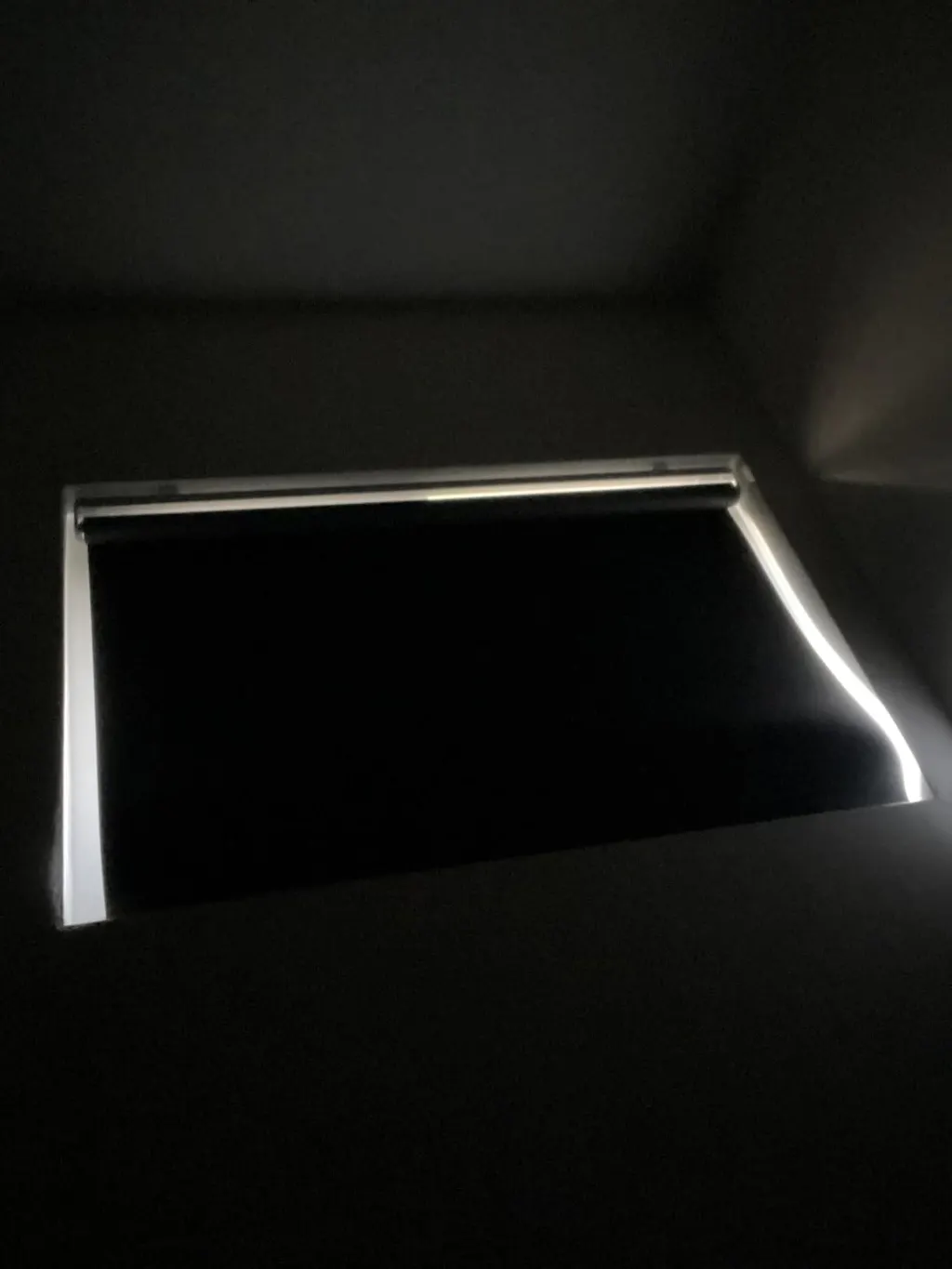
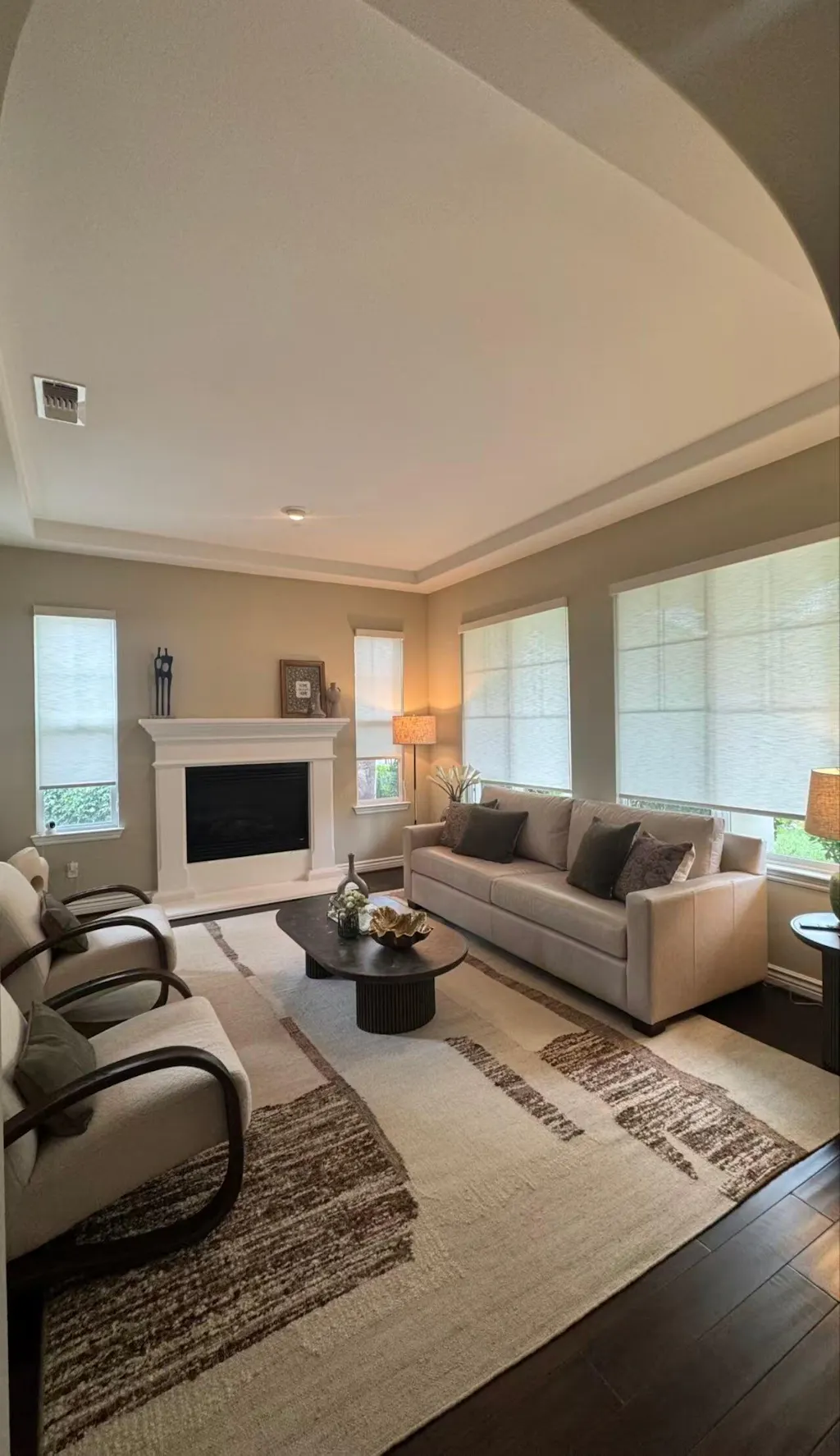
I remember the first time I spent $800 on custom linen-blend shades for my living room windows. They were a gorgeous 15% opacity sand color that filtered the 4 PM light just right, turning the whole room into a warm, amber sanctuary. But six months in, reaching over the sofa to yank that beaded chain every single afternoon felt like a chore I hadn't signed up for. If you are staring at your windows wondering if you can motorize existing roller shades without starting over, I have been in your shoes.
- Measure the internal diameter of your aluminum tube before buying a kit; 1.5 inches is standard, but check anyway.
- Battery-powered motors are the gold standard for DIY retrofits—no electrician required.
- Heavy-duty fabrics (like 100% blackout vinyl) require motors with higher torque ratings.
- Retrofitting saves the fabric you love while removing the safety hazard of dangling cords.
The Dilemma: Throw Away Good Fabric or Hack the Tube?
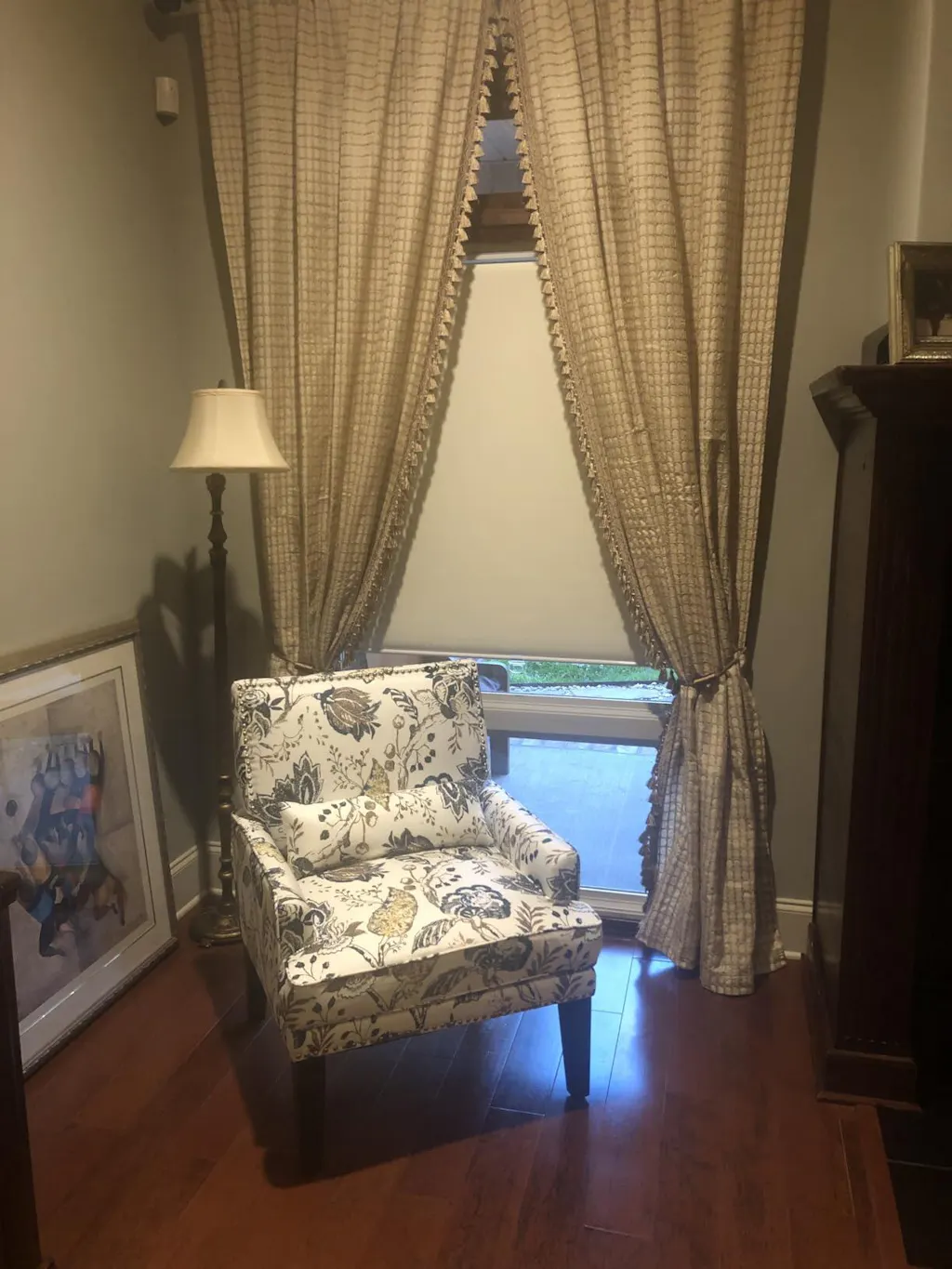
You have the fabric. Maybe it is a high-end grasscloth or a custom-printed solar shade that fits your window frame to the exact millimeter. Tossing that because you want 'smart' features feels wasteful and, frankly, expensive. The urge to motorize existing shades usually hits when you realize you never actually close the one behind the fiddle-leaf fig because it is a total pain to reach.
Manual shades are reliable, sure, but they lack the magic of a scheduled morning routine. There is a specific heartbreak in realizing that your perfectly good, expensive window treatments are the only thing standing between you and a fully automated home. The question is whether the effort of hacking the internal hardware is worth the $150 per window you might save by not buying a brand-new unit.
In my experience, the aesthetic of the room often dictates the choice. If you have a 200 gsm linen blend that drapes perfectly, you aren't going to find an off-the-shelf motorized replacement that looks half as good. Retrofitting allows you to keep the soul of the room while upgrading the brains.
What It Actually Takes to Motorize Existing Window Shades
This is not a five-minute project. You have to take the whole thing down, which is often the part people dread most. I learned the hard way that rushing this part leads to crumbling plaster and a lot of swearing. If you are worried about the mounting, check my notes on how to install window roller shades before you start drilling new holes or prying at brackets.
Once the shade is on your dining room table, you have to perform a bit of 'shade surgery.' You will need to pop out the old clutch—that is the plastic bit the chain wraps around—and see what is inside the metal tube. Most people expect to find a simple hollow pipe, but many modern tubes have internal ribs or grooves that can make sliding a motor in a bit like a game of Tetris. You are essentially replacing the manual pull mechanism with a tubular motor that sits hidden inside that aluminum roll.
The physical reality is that you will be handling the fabric a lot. I suggest wearing clean cotton gloves. One stray thumbprint of grease from the old bracket can ruin a light-colored shade faster than you can say 'remote control.'
Measuring the Inner Tube (The Make-or-Break Step)
The tube is the heart of the operation. Most standard shades use a 1.25-inch or 1.5-inch aluminum tube. If your motor is 1.1 inches and your tube is 1.5, it will spin freely inside like a loose tooth. You need a 'crown and drive' adapter that fits your specific tube profile perfectly. If it is not snug, the fabric will 'telescope,' meaning it drifts to one side as it rolls up and eventually jams against the bracket. This is the single most common reason DIY retrofits fail.
Sliding in the Retrofit Motor
Once you have the right size, the motor just slides into the tube. I have done this a dozen times, and I tried to motorize existing roller shades using various kits before finding one that did not sound like a blender. Setting the 'limits' is the tricky part. You have to tell the motor exactly where to stop so it does not try to rip the fabric off the roll or dump it all on the floor in a heap. Most modern kits use a remote-based programming sequence that involves a lot of rhythmic clicking.
Can You Motorize Existing Shades Without Ruining the Look?
We all worry about the 'science experiment' look—wires hanging out, bulky battery packs, and blinking LEDs. Fortunately, most retrofit motors hide entirely inside the tube. The only giveaway is a small antenna wire (which you can tuck behind the bracket) and a tiny charging port. Since you likely have high-quality roller shades already, you do not want a chunky battery pack hanging off the side.
Look for motors with integrated lithium-ion batteries. They charge via a long micro-USB or USB-C cable once every six months. If you are clever with your styling, you can hide the charging port behind the valance or the top of the fabric roll. The goal is for the guest to think the shades move by magic, not by a messy DIY kit you bought on a whim.
The Final Verdict: Retrofit Kit vs. Buying New
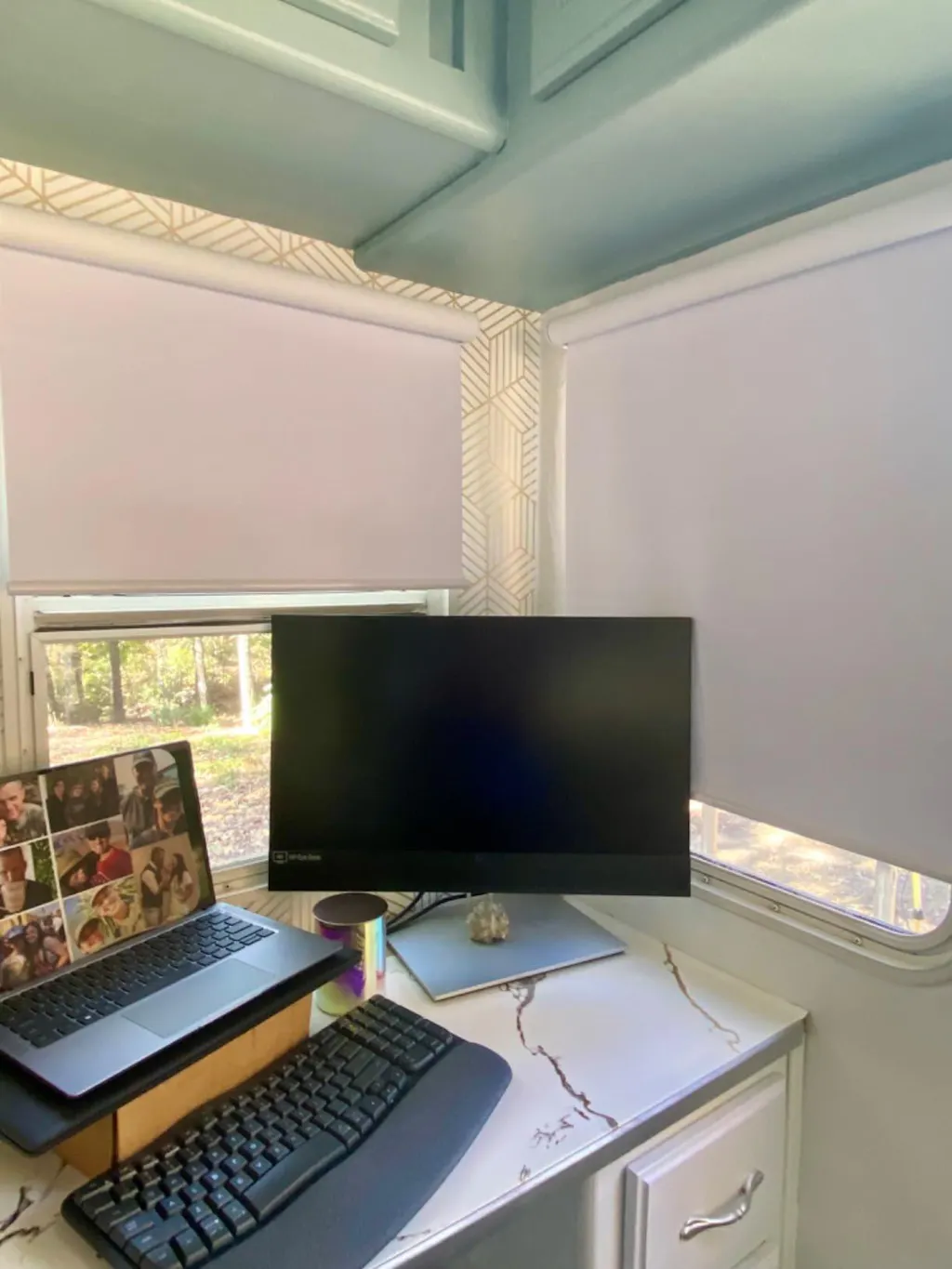
If you have ten windows to do, buying ten individual retrofit kits might actually cost as much as a new, professionally integrated system. However, for those three 'statement' windows with pricey fabric, retrofitting is the clear winner. If you are looking at a complex setup, like motorized dual roller shades, trying to hack a manual double-bracket is a nightmare. In those cases, buy the integrated system and save your sanity.
My rule of thumb? If the manual shade cost more than $200, retrofit it. If it is a basic, off-the-shelf shade from a big-box store, just buy a new motorized version. The labor you put into the project should be protected by the quality of the fabric you are saving.
FAQ
Do I need an electrician to motorize my shades?
Not if you use battery-powered tubular motors. They are completely wireless and only need to be plugged into a wall outlet once or twice a year to recharge.
Will my shades work with Alexa or Google Home?
Most retrofit kits use RF (radio frequency) remotes. To use voice commands, you will usually need a small 'bridge' or 'hub' that translates your Wi-Fi signal into a command the motor understands.
What if my shades are too heavy?
Every motor has a torque rating (measured in Nm). For large windows or heavy blackout fabrics, you will need a motor with at least 1.1Nm to 2.0Nm of torque to ensure it does not burn out after a week of use.