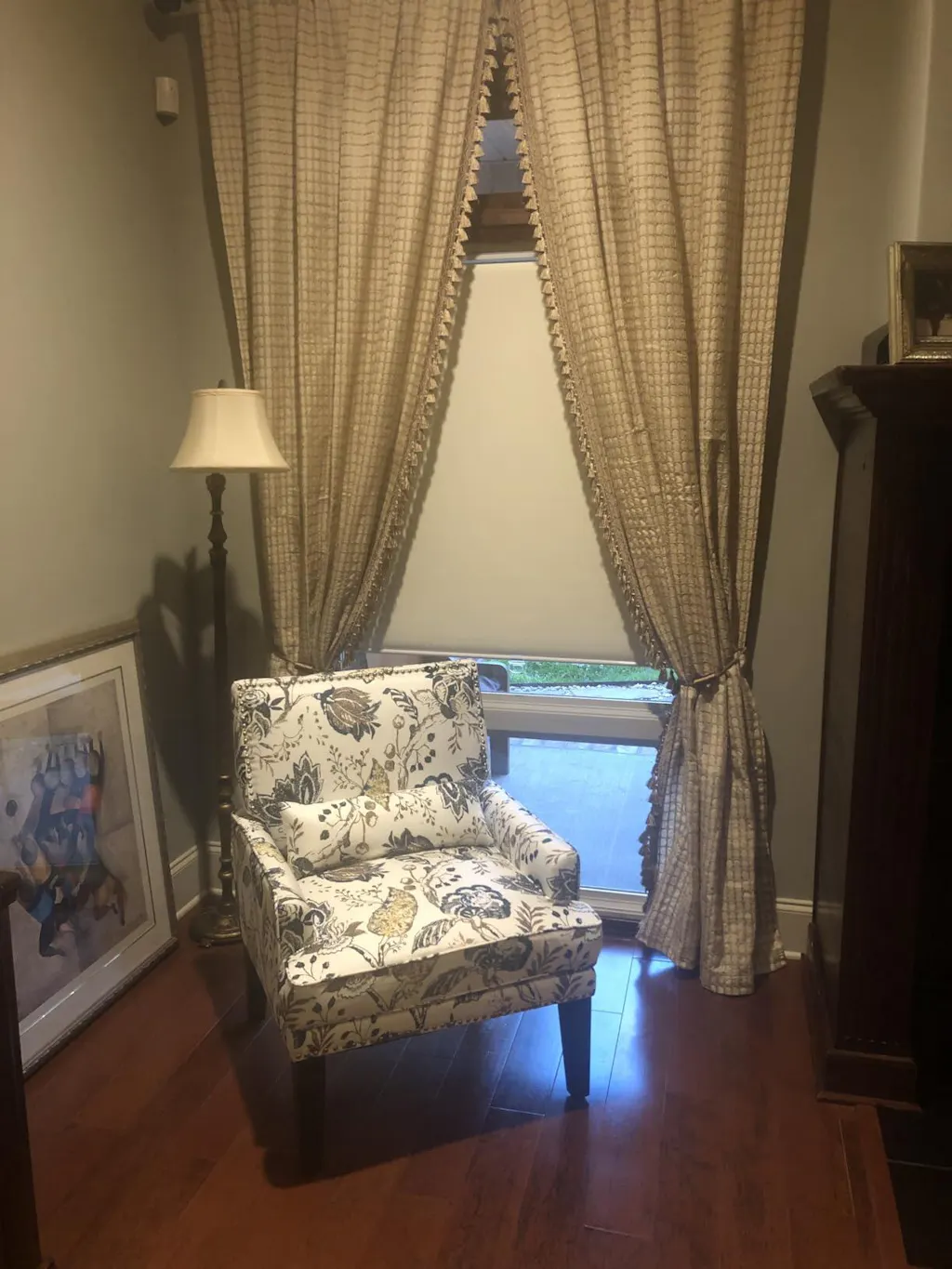
I Tracked Battery Life for a Year: A Motorized Blinds Review
I spent three years performing a daily gymnastic routine just to see the sun. My bedroom has these gorgeous, deep-set windows, but they are positioned directly behind a heavy, 90-inch velvet-upholstered headboard that makes reaching a manual cord feel like a CrossFit workout. I finally hit my breaking point last spring when I realized I hadn't actually opened the shades in four days because I just didn't have the energy to climb over my duvet before coffee.
After months of research and a fair bit of skepticism about 'smart' tech invading my sanctuary, I finally committed to a full-house swap. This motorized blinds review is the result of 365 days of living with the automated life—the good, the slightly glitchy, and the honest truth about whether you'll be charging batteries every other week.
- Battery life typically lasts 6-10 months depending on window size and daily usage.
- Motor noise is more of a low-frequency hum than a mechanical grind.
- App integration is essential for scheduling, but a physical remote is a necessary backup.
- Light bleed is the biggest hurdle for bedroom installations.
Why I Finally Bit the Bullet on Smart Window Treatments
The catalyst wasn't just my bedroom; it was the hallway. We have these stunning high-reach windows that flooded the space with heat every afternoon, turning the upstairs into a sauna. I used to keep a step stool tucked in the linen closet just to reach the manual tabs, which is exactly as annoying as it sounds. Installing the Canisteo Motorized Skylight Cellular Shades Flex solved that daily hassle instantly.
Beyond the convenience, I was tired of the 'cord clutter.' Even the most expensive custom drapes look a bit messy when there's a plastic wand or a looped cord dangling against the casing. I wanted the clean lines of a high-end hotel suite where everything disappears into the architecture. I needed a solution that felt like a design choice, not just a tech gadget.
The Installation Reality Check (And Why I Didn't Hardwire)
When you start looking at Motorized options, the first fork in the road is power: hardwired or battery? Hardwiring requires an electrician and cutting into your drywall—a nightmare if you've just finished a fresh coat of 'Swiss Coffee' white paint. I opted for rechargeable battery motors. The anxiety of drilling into my vintage window frames was real, but the bracket systems are surprisingly forgiving.
I chose a 1.5-inch tube diameter for most windows, which tucked neatly inside the frame. The setup took about 20 minutes per window. You snap the shade into the brackets, 'wake up' the motor with a button press, and pair it to your hub. No wires, no mess, and no calls to an expensive contractor. If you can level a picture frame, you can install these.
My 365-Day Motorized Shades Review: The Daily User Experience
Let’s talk about the 'hum.' In my motorized shades review, I measured the sound. It’s not silent, but it’s far from disruptive. It sounds like a high-end electric toothbrush in the next room. In the living room, I installed the Canisteo Motorized Dual Roller Shades Cordless Custom Double Roller Blinds, and the sound of both motors running simultaneously is still quiet enough that it doesn't interrupt a conversation.
Regarding battery life: I didn't have to charge my primary bedroom shades (opened once, closed once daily) for exactly nine months. The large living room shades, which are heavier and move more frequently, needed a boost at the six-month mark. The app gives you a 'low battery' notification, so you aren't caught off guard. You simply plug a micro-USB cable into the motor head for a few hours, and you're set for another half-year.
But Are They Actually Dark Enough for a Bedroom?
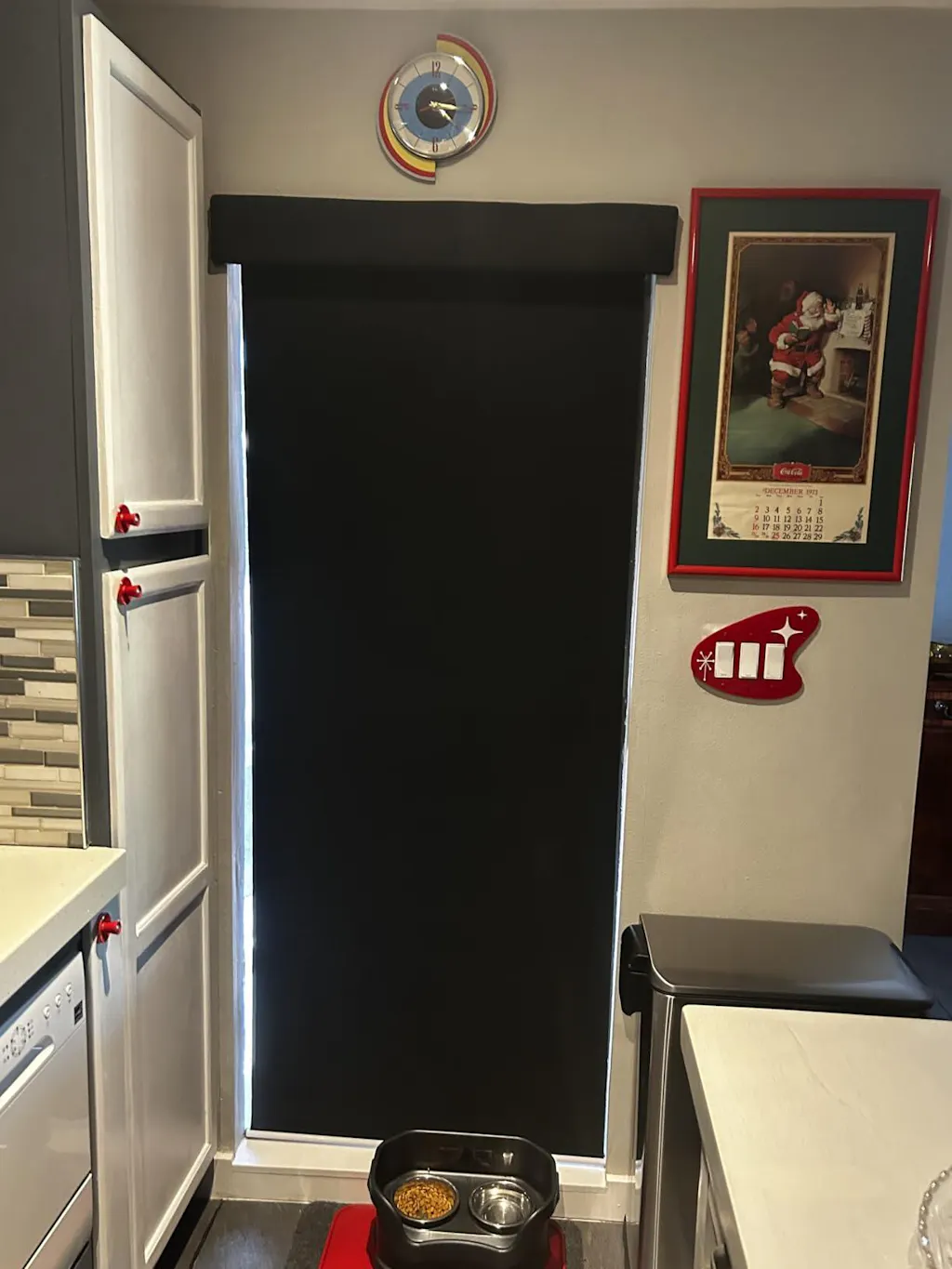
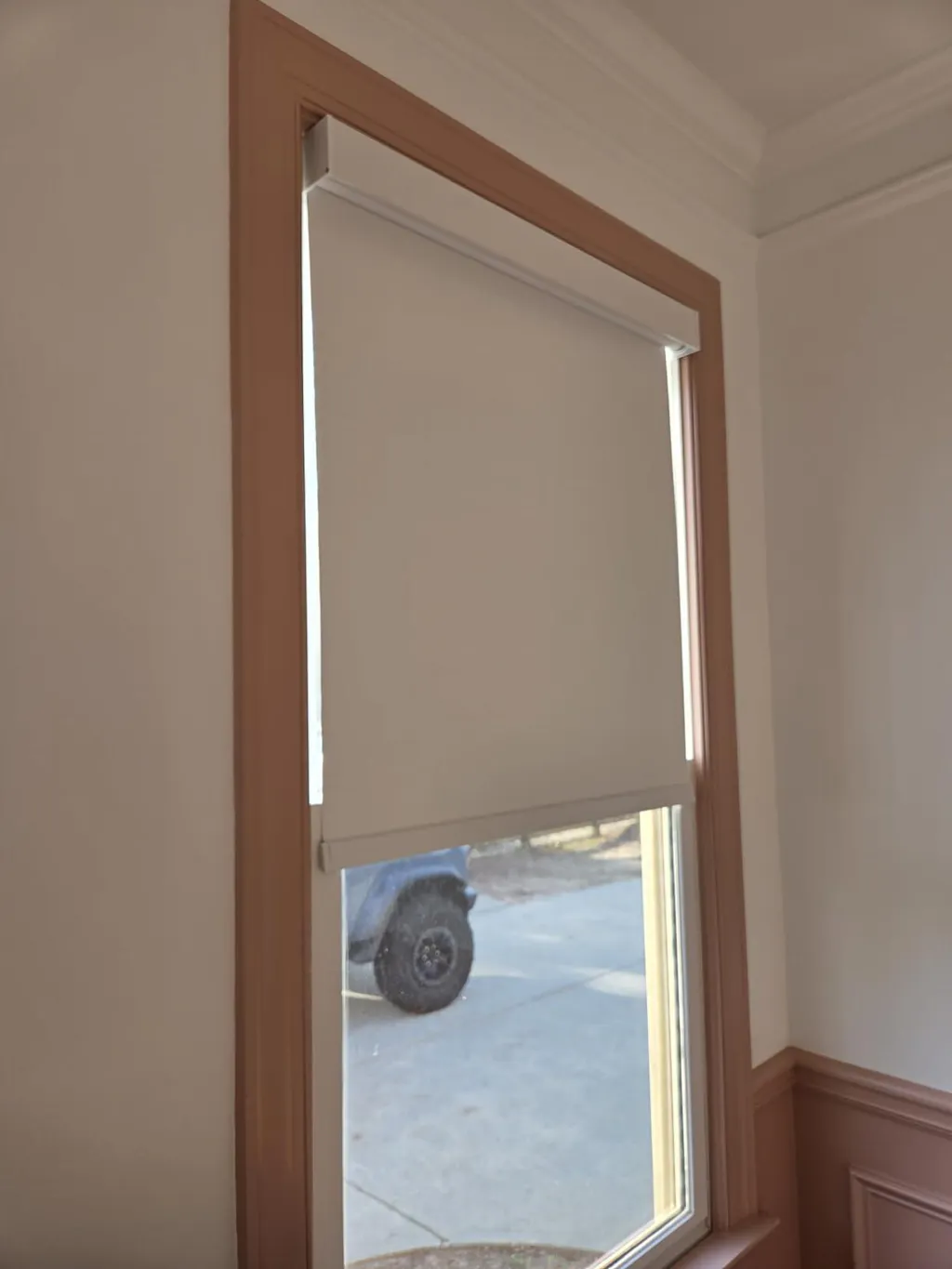
This is where most people get nervous. A motorized roller shade sits on a bracket that naturally creates a small gap—about 3/4 of an inch—on the sides to allow the fabric to clear the motor. If you do an inside mount, you will get a 'halo effect' of light around the edges. For a guest room, it's fine. For a primary bedroom where you want total darkness, it can be a dealbreaker.
To fix this, I recommend an outside mount that overlaps the trim by at least two inches on each side. If you're dead-set on an inside mount, you'll need side channels or to pair the shades with stationary drapery panels to block the light gap. I actually wrote a deeper dive on whether Are Motorized Shades Blackout Enough For A Truly Dark Bedroom for those who are sensitive to that 6 AM sun streak.
The Final Verdict: Would I Do It Again?
The upfront cost is higher than manual shades, usually adding $150 to $300 per window for the motorization hardware. But the 'lifestyle ROI' is massive. There is something genuinely luxurious about waking up and pressing a single button on my nightstand to let the light in without leaving the covers. It’s the kind of upgrade that feels like a splurge until you’ve used it for a week, and then you can’t imagine going back.
My advice? Start with the rooms where you actually struggle with the windows—the ones behind furniture or the high-reach skylights. Once you experience the reliability of the battery life and the sheer ease of the scheduling, you'll likely find yourself eyeing the rest of the house. Just keep a physical remote in a drawer somewhere; apps are great, but sometimes you just want to press a button and walk away.
How often do I really need to charge them?
For most standard windows, expect to charge them twice a year. If you have massive, floor-to-ceiling shades or you're constantly adjusting them throughout the day, you might be looking at every 4 months. It’s a simple USB-C or micro-USB connection.
Are they loud enough to wake me up?
Unless you are the world's lightest sleeper, no. It’s a gentle mechanical whir. I actually find the sound helpful—it’s my 'audio cue' that it’s time to start the day when my morning schedule kicks in at 7:30 AM.
What happens if the power or Wi-Fi goes out?
If you have a physical remote paired to the blinds, they will still work via radio frequency even if the Wi-Fi is down. If the motor battery itself dies, you’ll have to charge it before the shade will move again, as most don't have a manual override pull.