I Swapped Warped Blinds for Levolor Custom Roller Shades (Here's Why)
I spent three years staring at a half-inch gap on the left side of my bedroom window. It was the result of a 'close enough' measurement on a pair of off-the-shelf plastic blinds that I bought in a panic the day I moved in. Every morning at 6:15 AM, a laser beam of sunlight would hit me square in the eye, mocking my laziness. I finally hit my limit when the slats started to yellow and sag in the middle like a tired hammock.
Deciding to invest in levolor custom roller shades wasn't just about blocking that morning light; it was about reclaiming the architecture of the window. There is something deeply satisfying about a shade that fits with sub-millimeter precision, disappearing into the frame when you want the view and providing a crisp, clean block of texture when you don't. After years of fumbling with tangled cords and dusty slats, the switch to tailored levolor roll up shades felt like finally getting a suit tailored after wearing 'size large' my whole life.
Quick Takeaways
- Custom sizing eliminates the 'light leakage' common with big-box store blinds.
- Woven textures provide a high-end look that flat vinyl simply cannot replicate.
- A cassette or valance is a non-negotiable for a finished, architectural appearance.
- Inside mounting requires exact measurements—don't round up or down.
The Breaking Point: Why Off-the-Shelf Blinds Weren't Cutting It
Standard blinds are designed for the average window, but in the world of home renovation, 'average' is a myth. My 1940s window frames have settled over the decades, meaning the top is slightly narrower than the bottom. When I tried to force a standard blind in there, it rubbed against the casing, leaving unsightly black scuff marks every time I pulled it down.
Beyond the fit, the aesthetic was draining the life out of the room. Cheap blinds have a way of making a space feel temporary, like a dorm room you're waiting to move out of. I started exploring different roller shades because I wanted a singular, flat plane of fabric that would act as a backdrop for my velvet armchair rather than a distracting mess of plastic lines. If your blinds 'clack' every time a breeze hits them, it's time to move on.
Ordering Levolor Custom Roller Shades: Navigating the Fabric Swatches
Do not skip the swatch phase. I don't care how good the digital render looks on your MacBook screen. I ordered five different greys and was shocked to see that 'Cool Ash' turned almost lilac under my 3000K LED bulbs. You need to see how the light filters through the material at noon and how it looks when the sun goes down.
I spent two days taping swatches to the glass. I realized that a 5% openness factor was great for the living room, but for the bedroom, I needed a total blackout liner. Levolor offers a range of opacities, and seeing the physical fabric helped me understand the 'hand' of the material—how it feels to the touch and how it might resist fraying over time.
Why I Chose a Woven Texture Over Flat Vinyl
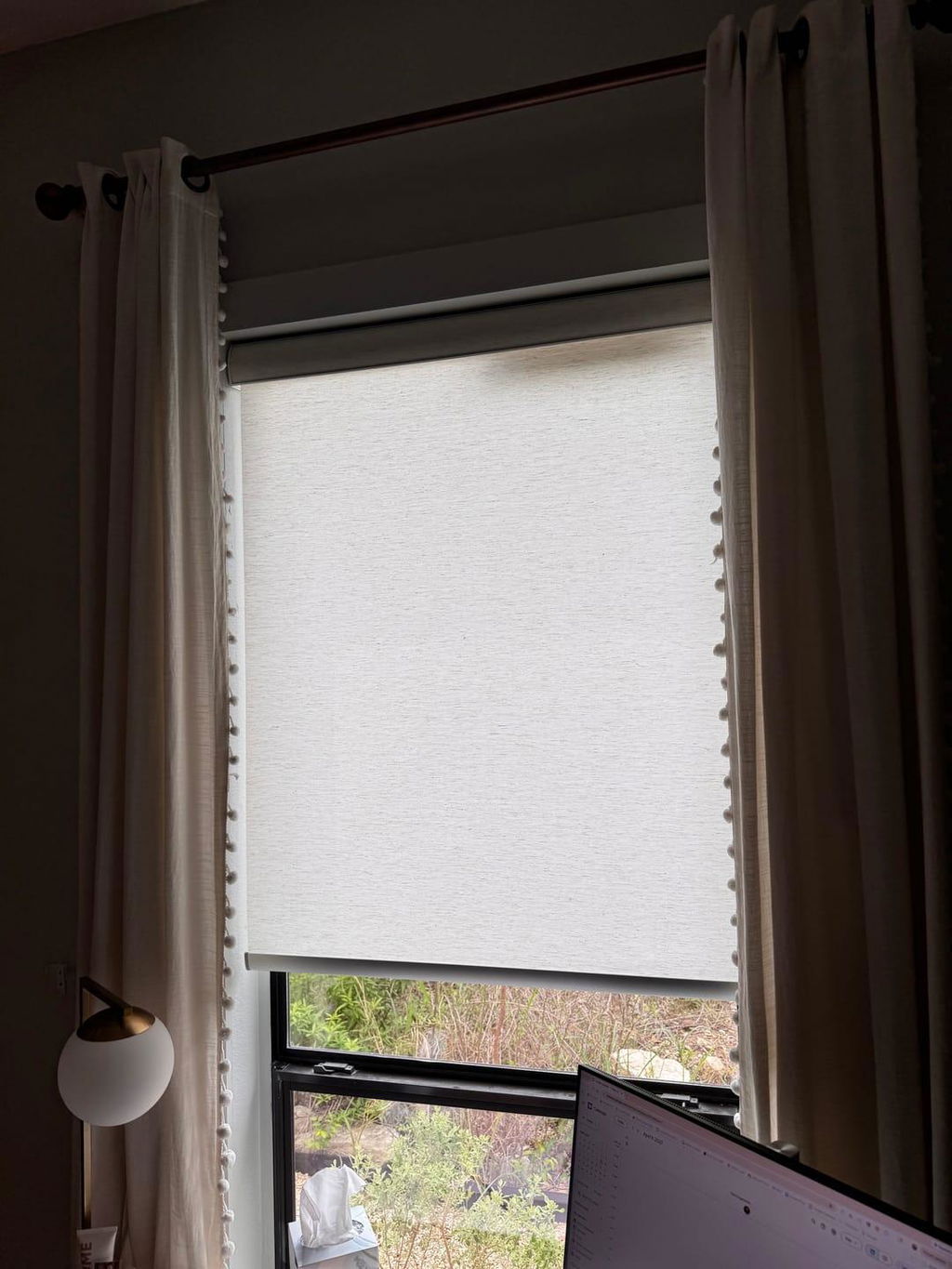
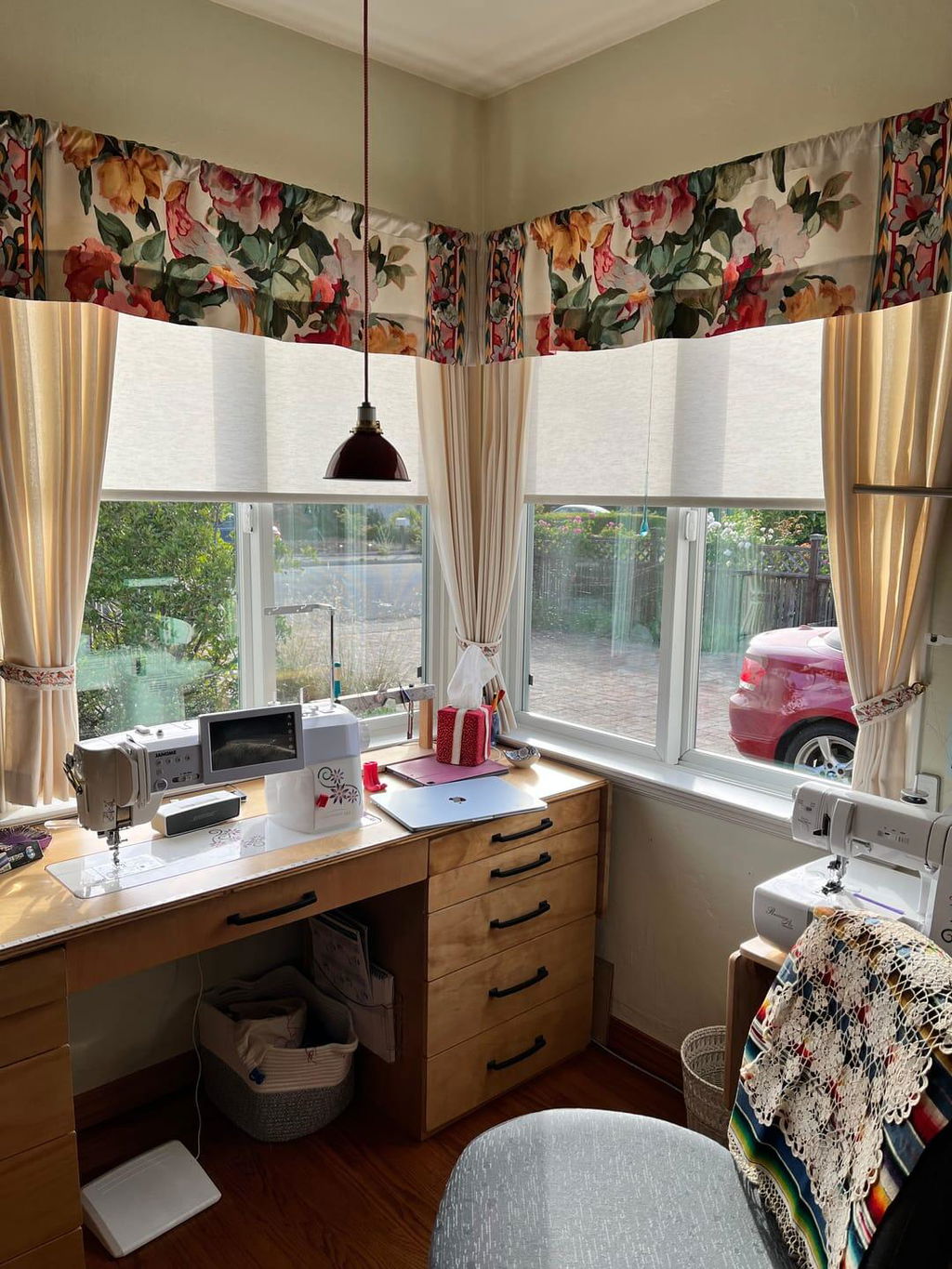
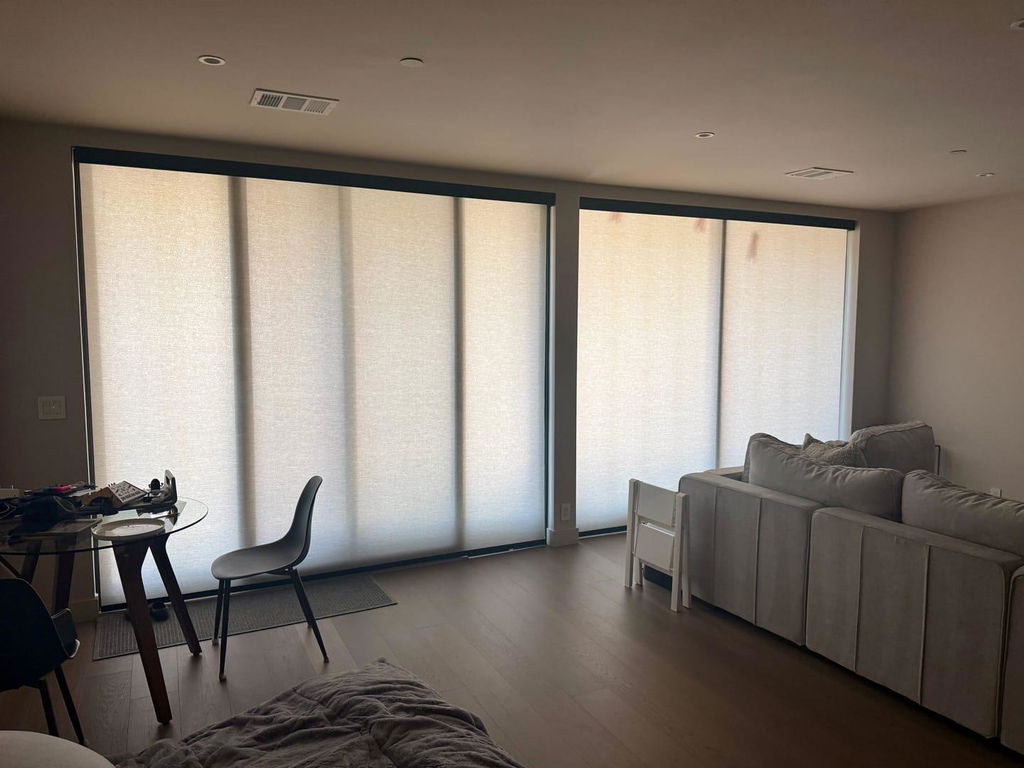
Flat vinyl shades remind me of a dentist’s office. They are functional, sure, but they lack soul. I opted for a soft, woven linen-look fabric in a warm oatmeal tone. The subtle grid of the weave adds a layer of sophistication that catches the light beautifully.
When the shades are down, the room feels cozy and wrapped in fabric, rather than sealed off by a plastic sheet. It’s a small detail, but in a minimalist room, the texture of your window treatments does the heavy lifting for your decor. It provides that tactile warmth that makes a space feel lived-in.
The Hardware Upgrade: Why You Should Never Leave the Tube Exposed
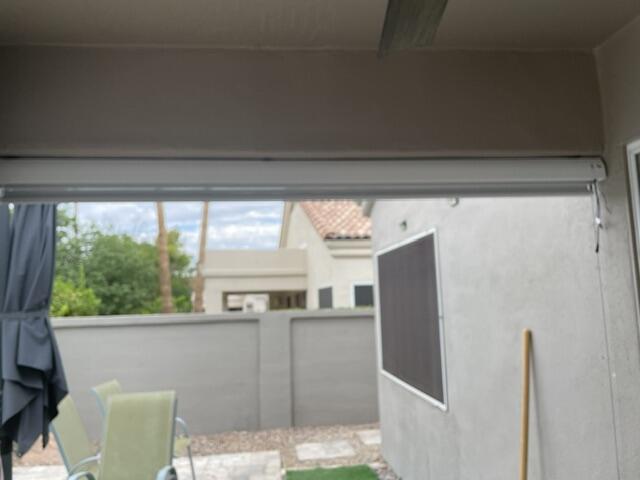
One of the biggest mistakes people make with roller shades is leaving the metal roller tube visible at the top. It looks unfinished, like wearing a tuxedo with sneakers. Unless you are going for a very specific industrial loft vibe, you want a top treatment.
Choosing roller shades with a cassette was the smartest move I made. The cassette is a sleek, fabric-wrapped housing that hides the roll and the brackets. It creates a seamless transition from the window frame to the shade. It makes the entire unit look like a built-in feature of the house rather than something I screwed into the wall on a Saturday afternoon.
The Installation Reality: Hanging Levolor Roll Up Shades
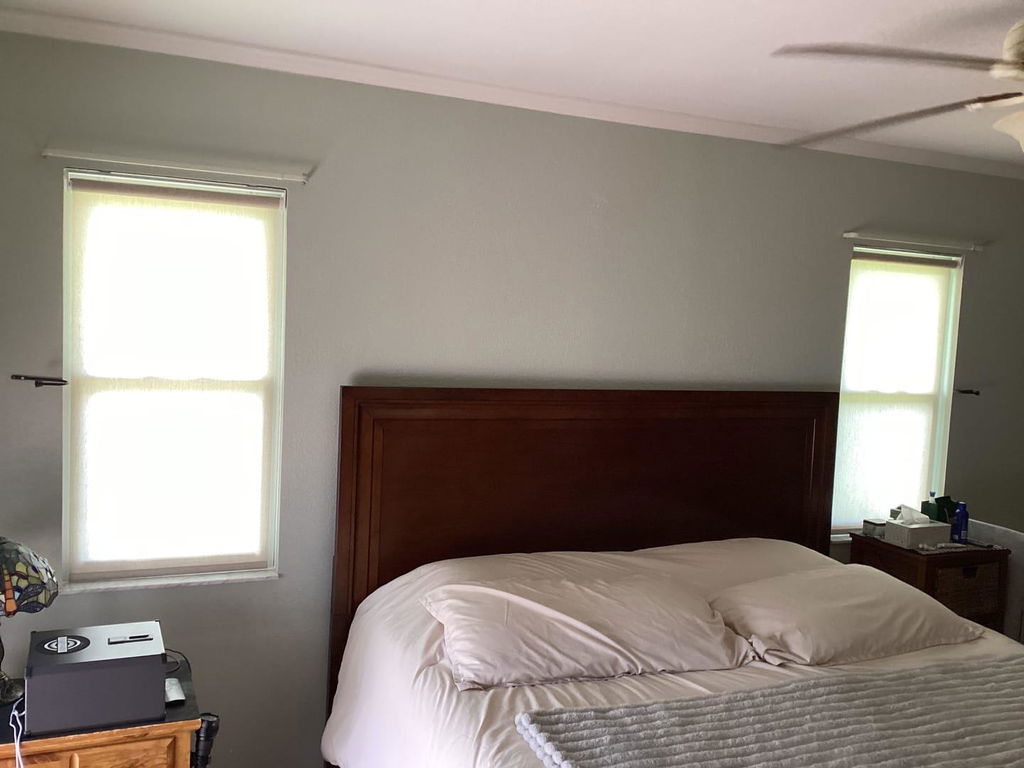
Installation took me about 20 minutes per window. The key with an inside mount is ensuring your brackets are perfectly level, even if your window frame isn't. I had to use a small shim on the right side of my bedroom window to keep the shade from telescoping (that annoying thing where the fabric rolls up unevenly and starts to fray at the edges).
I went with a cordless lift system. If you have kids or pets, it's a safety must, but from a design perspective, it's just cleaner. No dangling strings to tangle. If you’re looking for the ultimate luxury, you might even consider cordless custom double roller blinds which allow you to layer a sheer and a blackout shade in one bracket system. For my space, the single cordless roller was the perfect balance of function and minimalism.
The Final Verdict: Are They Worth the Custom Price Tag?
Yes, without hesitation. The difference is in the silence and the seal. There’s no clinking, no uneven gaps, and no struggle with the lift mechanism. The room looks taller because the eye isn't stopped by messy hardware or sagging slats. It’s a tailored look that feels intentional.
My one regret? Not doing this sooner. I spent years frustrated by a $30 fix that never actually worked, when I could have had a permanent, beautiful solution. If you're on the fence, start with one room—the room where you spend the most time—and I promise you'll be back to measure the rest of the house within a week.
Frequently Asked Questions
How do I measure for an inside mount?
Measure the width at the top, middle, and bottom of the frame. Use the narrowest width. For height, measure left, middle, and right, and use the longest measurement. Never round up; the factory needs the exact numbers to ensure the shade doesn't rub.
Can you clean roller shades?
Most Levolor fabrics can be lightly vacuumed with a brush attachment. For spots, a damp cloth with very mild soap works, but avoid soaking the fabric, as it can ruin the stiffening agents that help the shade roll straight.
What is the difference between light filtering and blackout?
Light filtering allows a soft glow into the room while maintaining privacy. Blackout has a specialized backing that stops all light from passing through the fabric. Blackout is essential for bedrooms or media rooms, while light filtering is better for kitchens and dens.