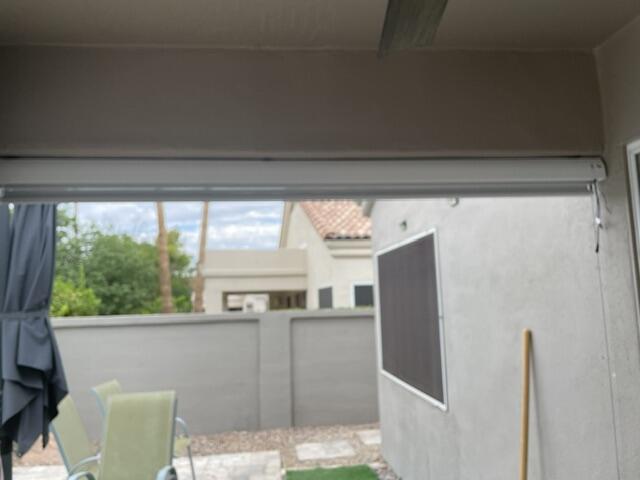
I Swapped My Curtains for Cordless Roller Blinds Blackout
I spent years defending the 'more is more' approach to window treatments. My own bedroom was a fortress of 200 gsm velvet panels, sheer linen under-layers, and hefty brass rods that I spent three hours leveling. But when a client asked me to design a nursery that wouldn't look like a padded cell but would actually stay dark at noon, my philosophy shifted. We started with cordless roller blinds blackout, and I haven't looked back.
The problem with traditional drapery in a kid’s room—or even a minimalist master—is the sheer amount of visual noise. Between the rings, the pleats, and the inevitable dust that clings to heavy fabric, it’s a lot of maintenance. Plus, let’s be honest: cords are a nightmare. I’ve seen enough tangled plastic chains and beaded loops to last a lifetime. Switching to light blocking cordless blinds wasn't just a safety move; it was a design breakthrough.
Quick Takeaways
- Cordless designs eliminate the 'visual clutter' of hanging strings and chains.
- Precision fit is the only way to stop the 6 AM sun-glare.
- A 100% polyester blackout cordless roller shades option offers the cleanest profile.
- Layering with sheers is still possible (and encouraged) for a softer look.
The Chaotic Reality of Layered Bedroom Windows
Last year, I walked into a client's home where the nursery was 'finished.' It had beautiful, floor-to-ceiling navy drapes. On paper, it was stunning. In reality? The toddler had already pulled the rod loose from the drywall, and the light bleed around the edges meant the baby was waking up at 5:15 AM every single day. The room was a mess of heavy fabric and dangerous, dangling cords.
We stripped it all back. We realized that the 'high-end' look we were chasing didn't require ten yards of velvet. It required a crisp, architectural finish. We swapped the fussy layers for blackout roller blinds cordless, and the room instantly felt five feet wider. There’s something about seeing the window frame instead of hiding it that makes a space feel intentional rather than just 'covered.'
Why I Finally Ditched the Cords (And the Bulk)
Cords are the 'beige walls' of the window world—we accept them because they’ve always been there, but they rarely look good. When you use cordless curtain blinds, you’re removing a vertical line that breaks the flow of your wall. It allows the window to be a window. For this project, I leaned into our minimalist roller shades collection to find a texture that felt like fabric but behaved like a structural element.
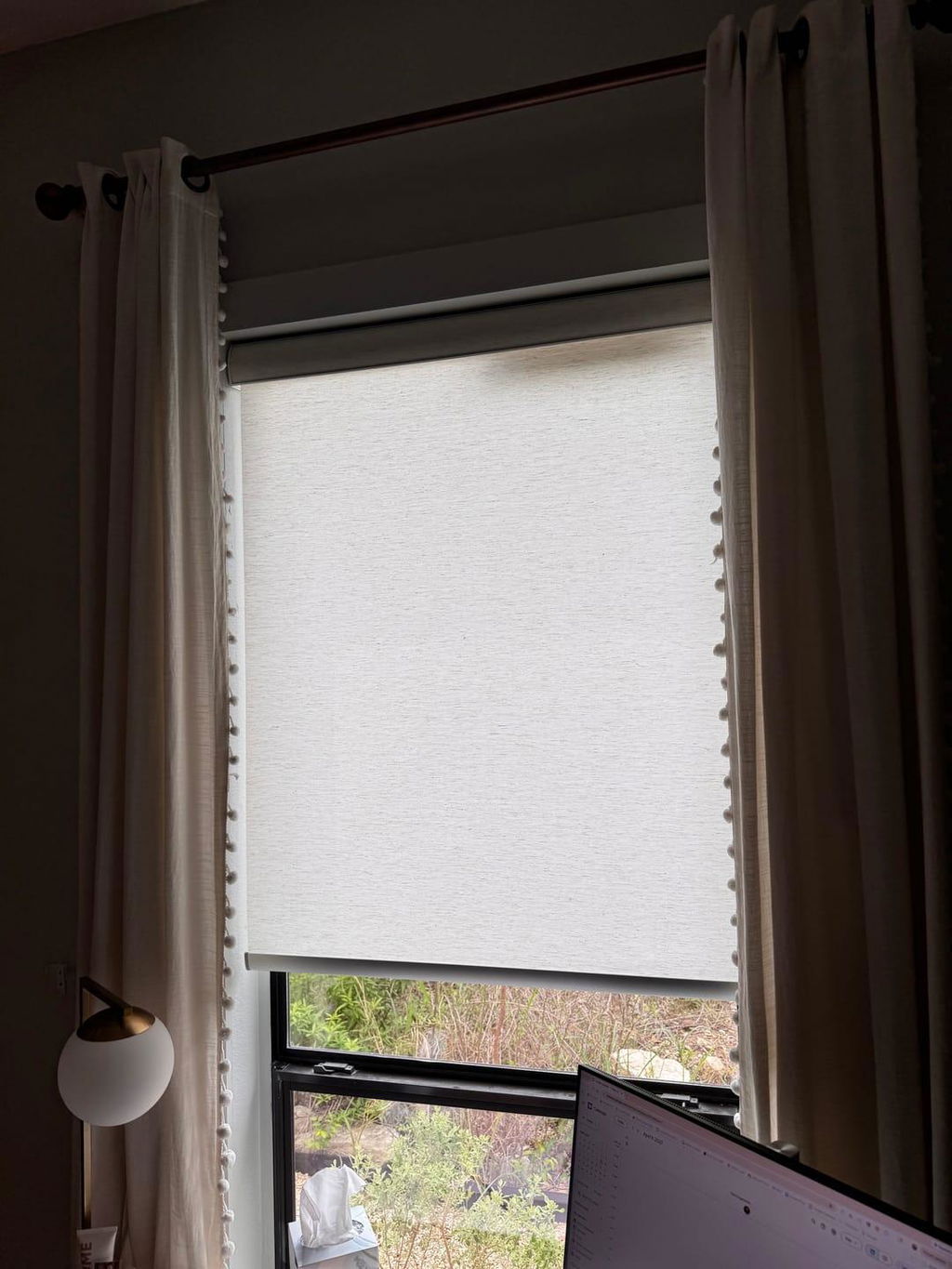
The aesthetic benefit of blackout window shades cordless is that they disappear when raised. If you have beautiful millwork or a view you actually like, why hide it behind two feet of bunched-up fabric? I’ve found that the absence of cords makes the entire window area look more expensive. It’s the difference between a custom suit and one off the rack; it just fits better. We chose a soft charcoal grey with a matte finish—no plastic shine here.
The Real Reason Your Current Setup Fails at 6 AM
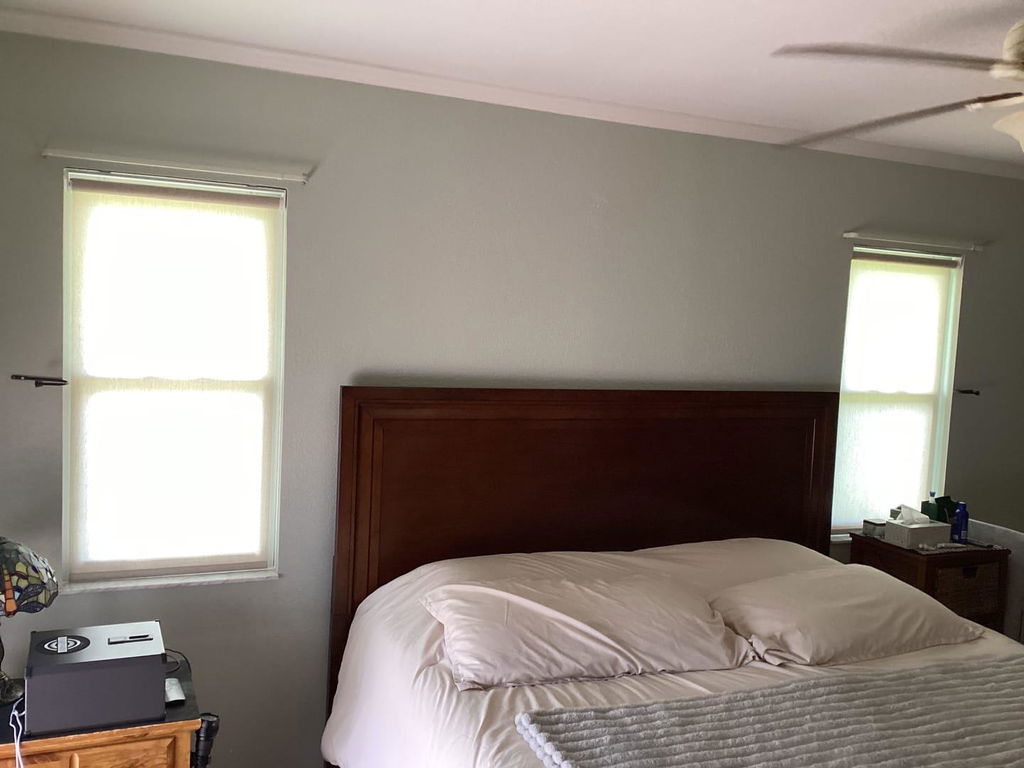
Most people buy blackout shades and are then shocked when the room isn't a tomb. The culprit is almost always 'light gap.' When you mount blackout cordless roller shades inside the frame, there’s usually a tiny sliver of light on the sides where the fabric doesn't quite touch the wood. This is exactly why blackout shades still let light in, and it’s usually because of a measurement error or a lack of side channels.
To fix this, I always suggest an outside mount if you’re a light-sensitive sleeper, or adding 'light blockers'—simple adhesive strips that sit inside the frame. For my client, we went with a snug inside mount with only a 1/8-inch deduction. The result was a total blackout experience. No more sun bouncing off the white windowsill and hitting the crib at dawn. If you’re tired of the 6 AM slap in the face from the sun, the fit matters more than the fabric.
Finding the Sweet Spot Between Darkness and Design
Not all blackout materials are created equal. I’ve seen some classic cordless blackout shades that feel like a shower curtain—stiff, shiny, and cheap. You want a fabric that has a 'hand' to it. Look for thermally bonded backings that provide the blackout effect without making the front of the shade look like vinyl. A subtle linen weave or a soft heathered texture goes a long way in making the room feel warm.
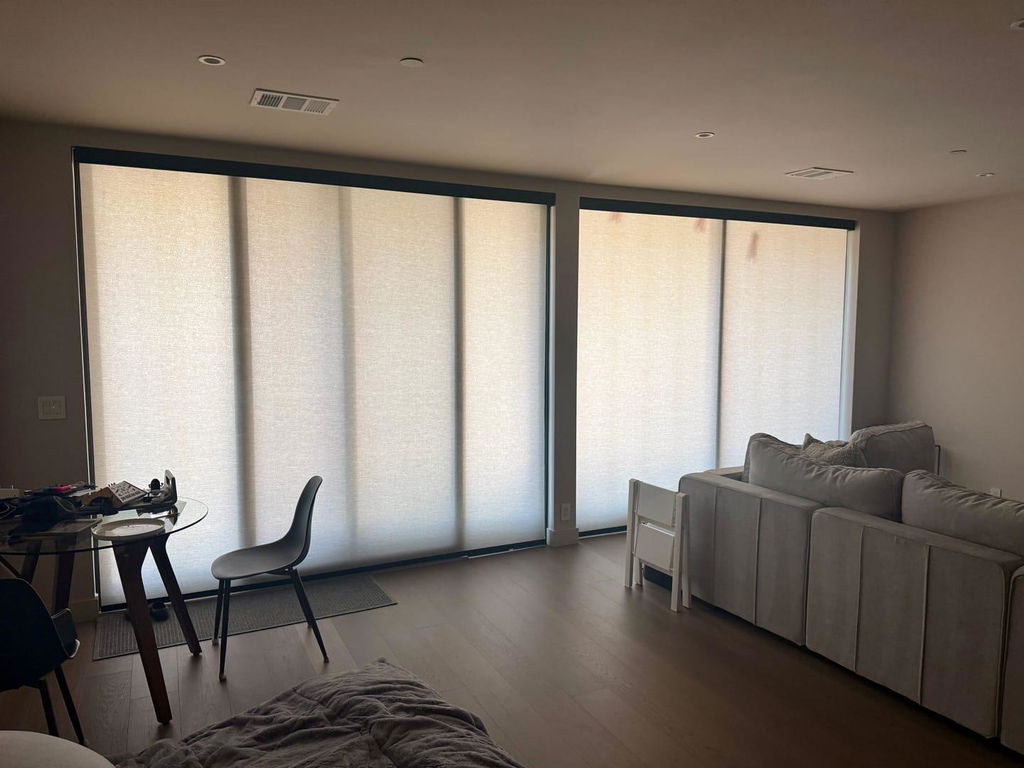
I often get asked about cordless pleated blackout shades versus rollers. Pleated shades have a lovely texture, but they can sometimes have small pinholes where the cords run through the fabric (unless they are cell-in-cell). For a truly modern, high-tech vibe, I’ve been steering clients toward the motorized luxe blackout zebra shades. They offer that incredible balance of light filtering during the day and total privacy at night with just a tap on your phone.
How to Layer Without Losing the Minimalist Look
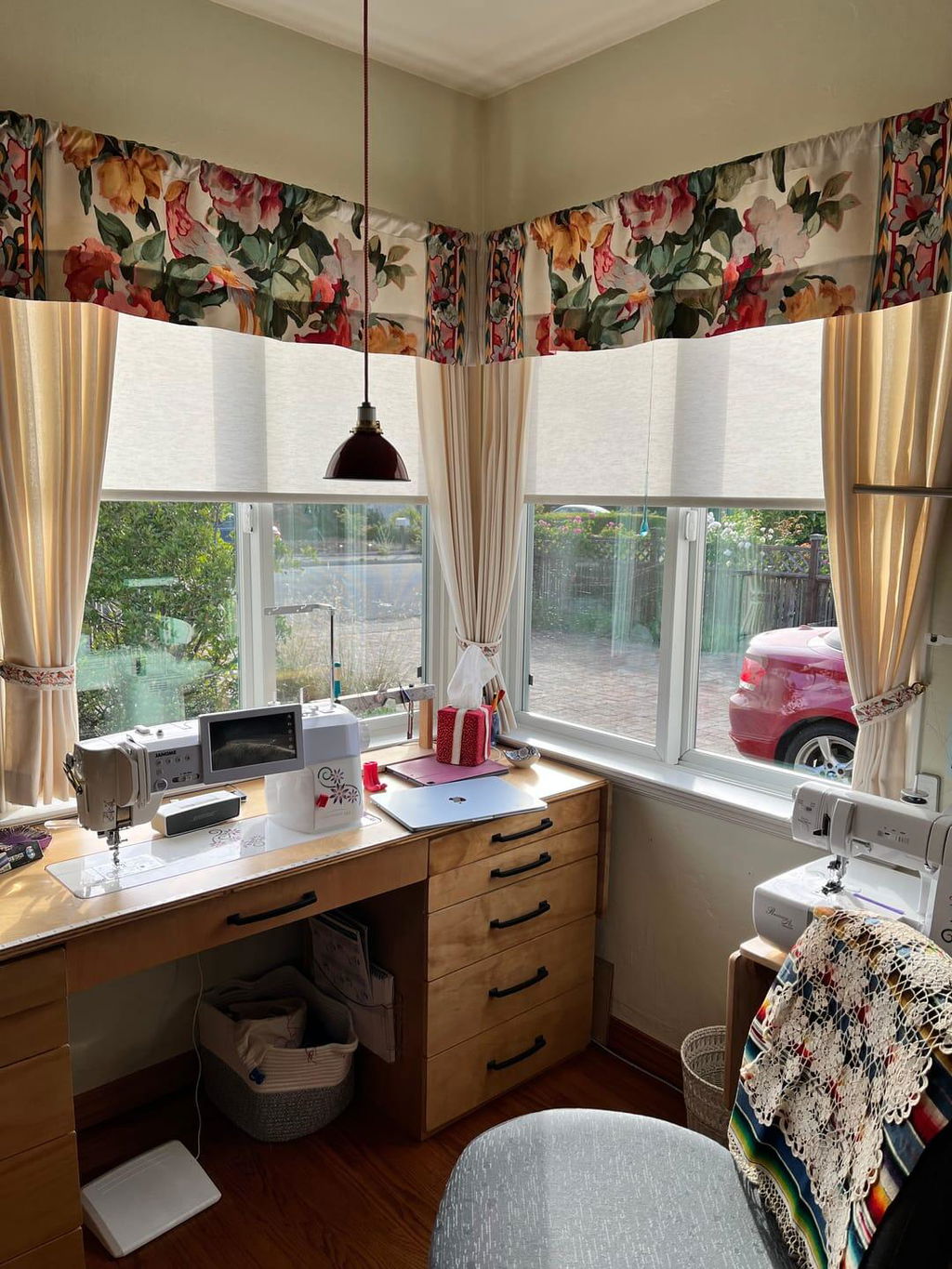
Just because you’ve gone with window shades blackout cordless doesn't mean you have to give up on softness. The trick is the 'hidden layer.' I like to mount the blackout roller deep inside the window casing. Then, I hang a single, high-quality linen sheer on a thin black rod about 6 inches above the frame. During the day, the roller is up and invisible, and the sheers give you that dreamy, diffused light.
At night, the roller comes down behind the sheers. You get the function of a hotel-grade blackout with the look of a boutique guest room. I recently did this in a guest suite using a 100 gsm sheer over a white blackout roller. It felt airy and light, but the guests actually slept past 7 AM. It’s the best of both worlds.
The Mounting Trick That Saves Your Walls
Installation is where most people lose their nerve. If you’re installing blackout roller blinds cordless, you need a solid anchor. Don’t just screw into the drywall and hope for the best. Find the wood of the window header. I always use a 1/16-inch drill bit to pre-drill my holes; it prevents the wood from splitting and ensures the bracket sits perfectly flush.
If your windows are slightly out of square (and let’s face it, most are), use small plastic shims behind the brackets. A roller shade that isn't perfectly level won't roll up straight—it will 'telescope' to one side and eventually fray the edges of the fabric. Spend the extra ten minutes with a level now so you don't have to replace the shade in six months.
Final Verdict: Are They Worth the Investment?
The short answer? Yes. The long answer? Only if you care about the quality of your sleep and the 'cleanliness' of your room's lines. Switching to blackout roller shades cordless was the single most effective change I made for my client's nursery. It turned a high-maintenance, slightly dangerous space into a serene, functional room. It’s proof that child-proofing can actually be an aesthetic upgrade if you choose the right hardware.
FAQ
Do cordless shades eventually lose their 'spring'?
High-quality cordless mechanisms are tested for thousands of cycles. If you find yours is getting sluggish, it usually just needs a tension adjustment, which takes about thirty seconds at the end of the roller.
How do I clean a blackout roller shade?
Skip the washing machine. A vacuum with a brush attachment once a month is usually enough. For spots, a damp microfiber cloth with a tiny bit of mild soap does the trick without damaging the blackout coating.
Can I install these if my window frame is shallow?
You need about 2 inches of depth for a fully recessed inside mount. If you have less than that, the shade will 'proud mount' (stick out slightly), which is why I often recommend an outside mount for shallow windows to ensure total light blockage.