I Stopped Overpaying: The Best Place to Buy Solar Shades
I remember sitting in my first 'grown-up' apartment—a south-facing loft with floor-to-ceiling windows and exactly zero privacy. By 2 PM, the sun didn't just light up the room; it attacked it. My vintage Persian rug started fading into a sad, dusty peach, and I was wearing sunglasses at my dining table just to see my laptop. I needed a solution that didn't involve heavy velvet curtains that would swallow the architectural lines of the windows. I needed best place to buy solar shades advice, and I needed it before my furniture turned to dust.
Quick Takeaways
- Aim for a 3% to 5% openness factor for the perfect balance of view and UV protection.
- Matte finishes are non-negotiable; if it shines like a trash bag in the sun, it’s a no-go.
- Fabric-wrapped hem bars are the secret to making a budget shade look like a custom commission.
- Always order a physical swatch to see how the color shifts against your specific wall paint at sunset.
Why Shopping for These Specific Shades Is a Nightmare
Let's be real: solar shades have a reputation problem. For decades, they were the exclusive domain of corporate conference rooms and sterile dentist offices. When you start hunting for them, you’re often met with industrial catalogs that talk more about 'fire retardant ratings' than aesthetic drape. Most of what you find in big-box aisles feels like thin, vinyl-coated mesh that has all the charm of a screen door.
The struggle is finding a texture that feels like a textile rather than a plastic film. You want something that filters the harsh glare but keeps your view of the oak tree outside. Too often, you end up with shades that either make the room feel like a dark cave or provide so little protection that you might as well have nothing at all. It’s a delicate dance between 'functional utility' and 'I actually want to live here.'
The 3 Details That Separate High-End Rollers from Cheap Plastic
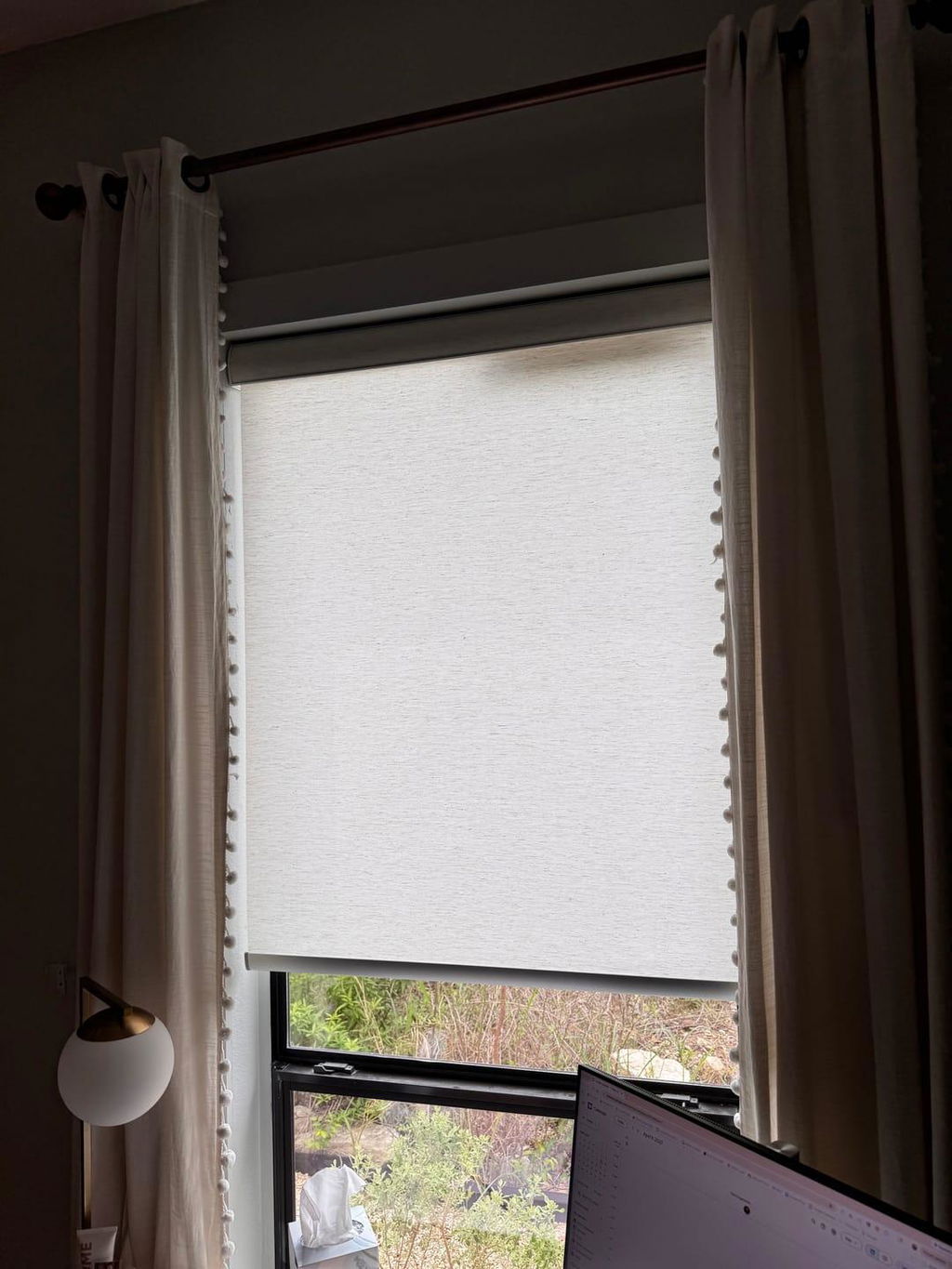
If you want your roll down solar screens to look like they were curated by a designer, you have to look past the price tag and scrutinize the specs. First, check the finish. High-end solar fabrics have a matte, woven appearance. Cheap ones have a 'sheen' that reflects light in a way that looks incredibly synthetic. I always look for a charcoal or bronze weave—they actually provide better visibility to the outdoors than white or cream, which can create a 'fog' effect when the sun hits them.
Second, pay attention to the openness factor. A 1% openness is great for a media room, but it feels like a wall. A 10% openness is barely there. The sweet spot is 3% or 5%. Third, and most importantly, look at the bottom rail. A 'high-end' shade has a fabric-wrapped hem bar. This means the metal weight at the bottom is tucked inside the fabric, creating a seamless, clean line. If there’s a clunky white plastic bar swinging at the bottom, it’s a dead giveaway of a budget buy.
For those who need total versatility, some premium suppliers offer sleek dual-brackets that allow you to build a solar shades blackout setup. This lets you have the solar screen for the day and a blackout roller for the night, without the bulk of a giant headbox.
So, Where Is the Best Place to Buy Solar Shades?
You essentially have three paths when sourcing these. You can go full custom with a local pro, hit the mid-tier online retailers, or gamble on the discount bins. Each has a time and a place, but for most of my projects, I land squarely in the middle. The 'best' place isn't always the most expensive; it’s the one that gives you the right hardware options for your specific window depth.
The Full Custom Workroom (When to Splurge)
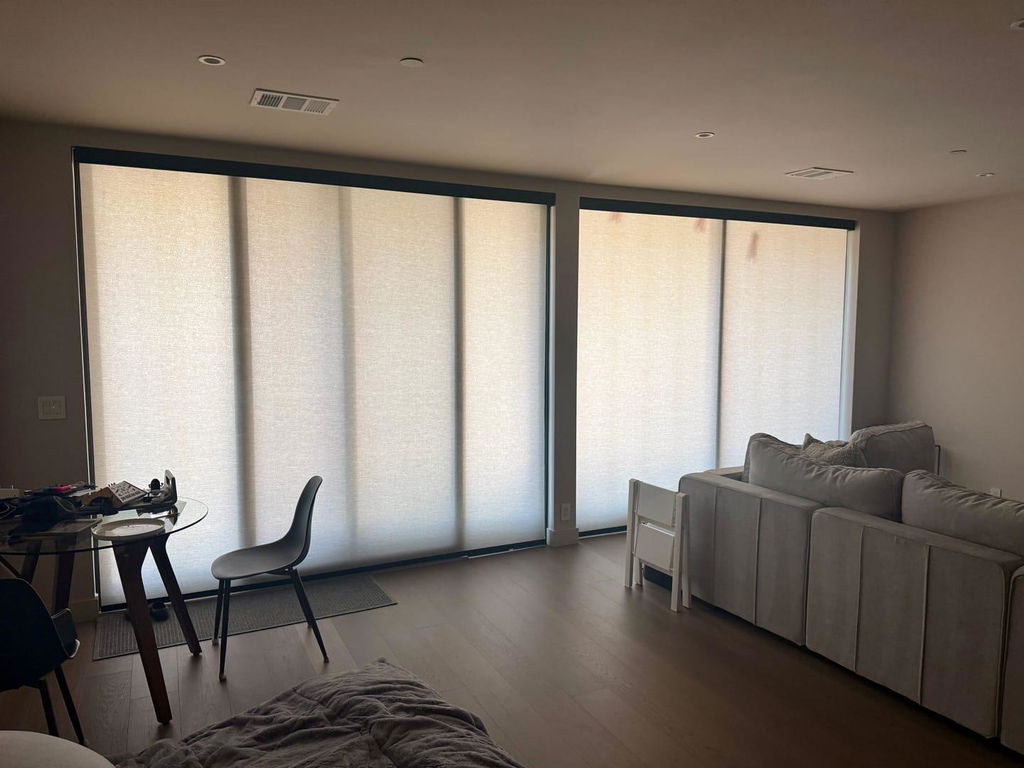
I only call in the local custom workroom when I’m dealing with 'problem child' windows. If you have a 20-foot-wide span of glass in a double-height great room, or arched windows that require a specialized template, you need a pro. They’ll handle the laser measurements and the heavy-duty installation. You’re paying a 300% markup for the peace of mind that a 50-pound roller isn't going to fall on your head, and sometimes, that’s worth every penny.
The Online Direct-to-Consumer Sweet Spot (My Go-To)
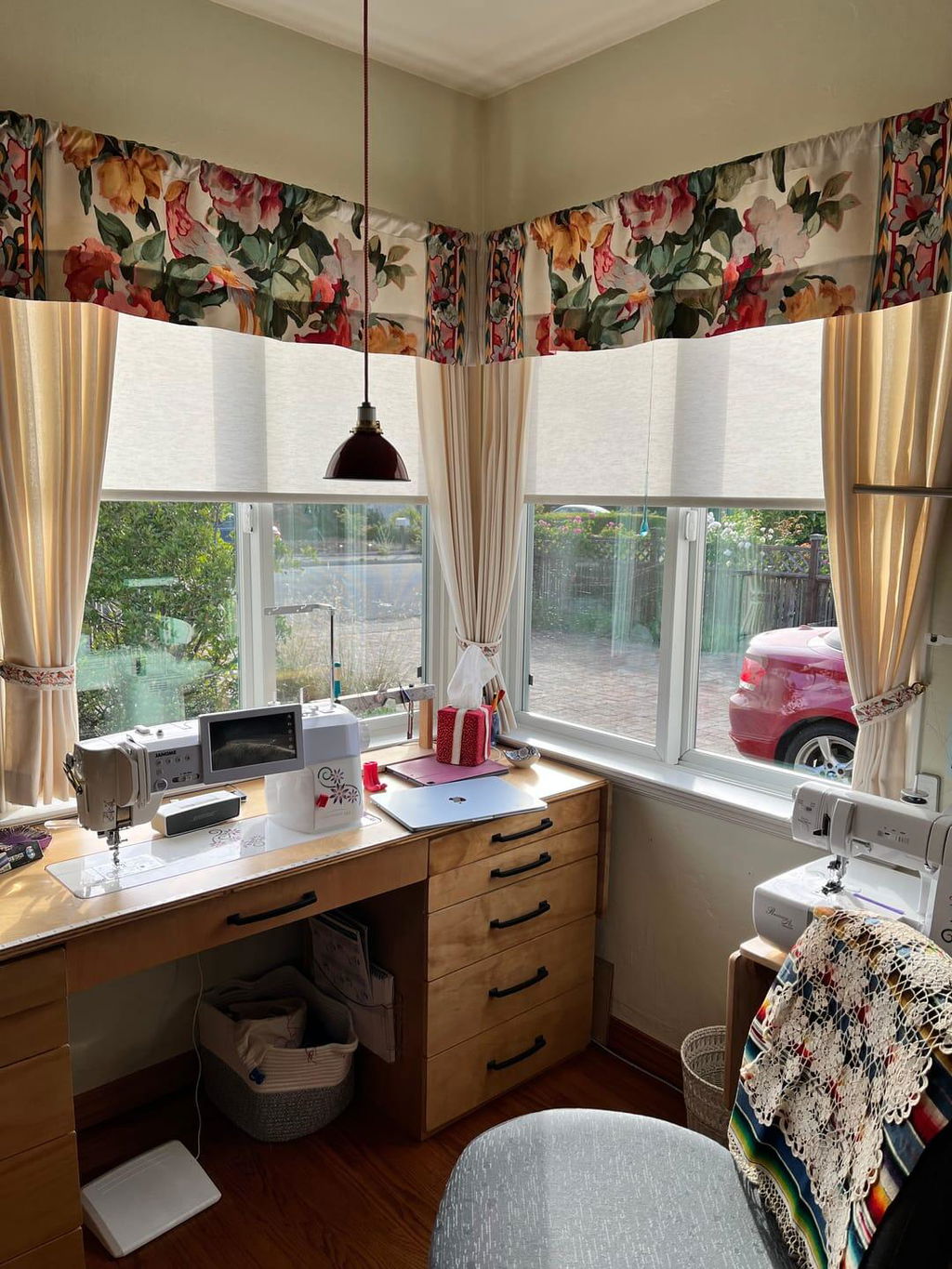
This is where I spend 90% of my budget. Modern DTC retailers have narrowed the gap between 'cheap' and 'custom.' You get the benefit of high-quality European fabrics and sturdy metal rollers without the designer commission. This is the best place to buy solar shades because you can customize the small details—like the chain color or the cassette finish—to match your window trim exactly. It’s the sweet spot of value and high-end aesthetics.
Can You Actually Get Away With Discount Solar Shades?
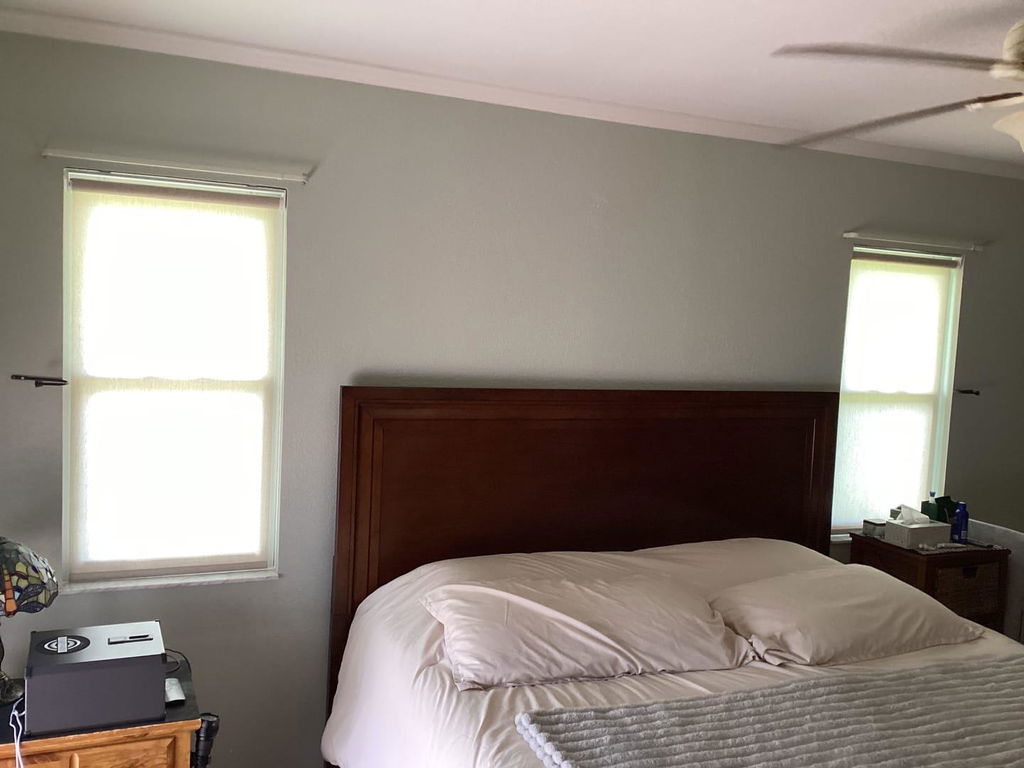
I’m not a snob; discount solar shades have a home. If you’re doing a laundry room, a garage workshop, or a screened-in seasonal porch, don't overspend. The trick to making budget shades look better is the 'outside mount.' If you mount them a few inches above the window frame and slightly wider, you hide the cheaper hardware and make the window look more substantial. Just be prepared for the 'telescoping' effect—cheaper rollers often start to fray at the edges if they aren't perfectly leveled.
The One Hardware Add-On I Never Skip
If you have more than three windows in a row, do yourself a favor and get the motorization. Tugging on five different metal chains every morning and evening is a chore that eventually leads to you just leaving the shades down 24/7. Motorized shades move in perfect synchronization, which looks incredibly sleek. There are even ways to hide motorized exterior solar shades within your home’s architecture if you’re planning a renovation, keeping the hardware completely out of sight until you need it.
My 'Before You Add to Cart' Checklist
Before you hit buy, order the physical swatches. I once ordered 'Charcoal' shades for a client based on a screen image, and when they arrived, they had a weird, sparkly navy undertone that clashed horribly with the green walls. It was a $1,200 mistake I never made again. Also, measure your window depth. If your windows are shallow, an 'inside mount' will stick out past the casing, which looks unfinished. In that case, you’ll need a slim-profile roller.
Finally, check the technical guides. Even the most expensive custom shade will look like a DIY disaster if it’s crooked, so read up on how to install your shades before you start drilling into your drywall. A level is your best friend here.
FAQ
Do solar shades provide privacy at night?
No, and this is the biggest misconception. If your lights are on inside at night, people can see in. They are designed for daytime sun management. If you need night privacy, you’ll need to layer them with drapes or use a dual-shade system.
What is the 'openness factor' exactly?
It’s the percentage of the weave that is open. A 1% openness is a very tight weave (more UV protection, less view), while 10% is a very loose weave (more view, less UV protection). For most homes, 3% or 5% is the perfect middle ground.
Can I cut solar shades to size myself?
I wouldn't recommend it. Most solar fabrics are a polyester or fiberglass blend that requires a heat-cut or a very sharp industrial blade to prevent fraying. If you DIY the cut, the edges will likely look ragged within a month.