I Stopped Hating Slats When I Found Blackout Fabric Vertical Blinds
I remember moving into my first 'grown-up' apartment. It had these yellowed, brittle PVC slats that clacked every time the AC kicked on, sounding like a skeleton dancing in the corner. It felt like living in a mid-level accounting firm. I spent three years trying to hide them behind cheap tension rods and heavy velvet that never quite fit. That was before I realized that blackout fabric vertical blinds had undergone a massive glow-up, trading the corporate plastic for textures that actually belong in a home.
Quick Takeaways
- Fabric slats absorb sound; PVC amplifies it, making your room feel quieter and warmer.
- Look for weighted hems to ensure the fabric hangs with a fluid, curtain-like drape.
- Vertical treatments are the only real solution for wide sliding doors that need frequent access.
- Layering with sheers can hide the hardware for a high-end, custom look.
The Clacking PVC Nightmare (And Why I Swore Off Verticals)
We all have the collective trauma of those thin, white plastic strips that snapped if you breathed on them too hard. They were the 'landlord special'—cheap, ugly, and functionally frustrating. They let in slivers of light that sliced through your sleep like a laser at 6 AM, and they did absolutely nothing for the acoustics of a room.
For a long time, designers treated vertical blinds as a 'delete on sight' item. We would rip them out and replace them with floor-to-ceiling drapes that inevitably got caught in the sliding door tracks. We were so blinded by our hatred for the 90s office aesthetic that we ignored the practical benefits of a vertical orientation for wide spans of glass.
Wait, Are Fabric Slats Actually Chic Now?
The pivot happened when manufacturers stopped trying to make plastic look like wood and started using actual textiles. When you swap brittle PVC for a heavy, woven blackout vertical blind, the entire energy of the room changes. The fabric absorbs echoes, softens the light, and provides true blackout room darkening that plastic simply can't match.
A matte, charcoal, or black blackout vertical blinds setup creates a rhythmic, architectural look. It doesn't scream 'cubicle' anymore; it feels like a structured wall of texture. I’ve found that a 300 gsm polyester blend with a subtle linen weave provides the perfect balance of light blocking and tactile beauty.
How Fabric Weight Completely Changes the Drape
The biggest mistake people make with blackout vertical window blinds is choosing a fabric that is too light or stiff. If the material is heat-pressed too thin, the slats flare out at the bottom like a bad A-line skirt. It looks messy and cheap.
I always look for slats with sewn-in bottom weights rather than those flimsy plastic clips. A weighted vertical blind blackout panel hangs straight and true, moving with a heavy, fluid motion. When you tilt them open, they stack neatly without the 'accordion' bulk of traditional curtains, which is a lifesaver in tight corners.
Taming the Light Gap on Awkward Sliding Doors
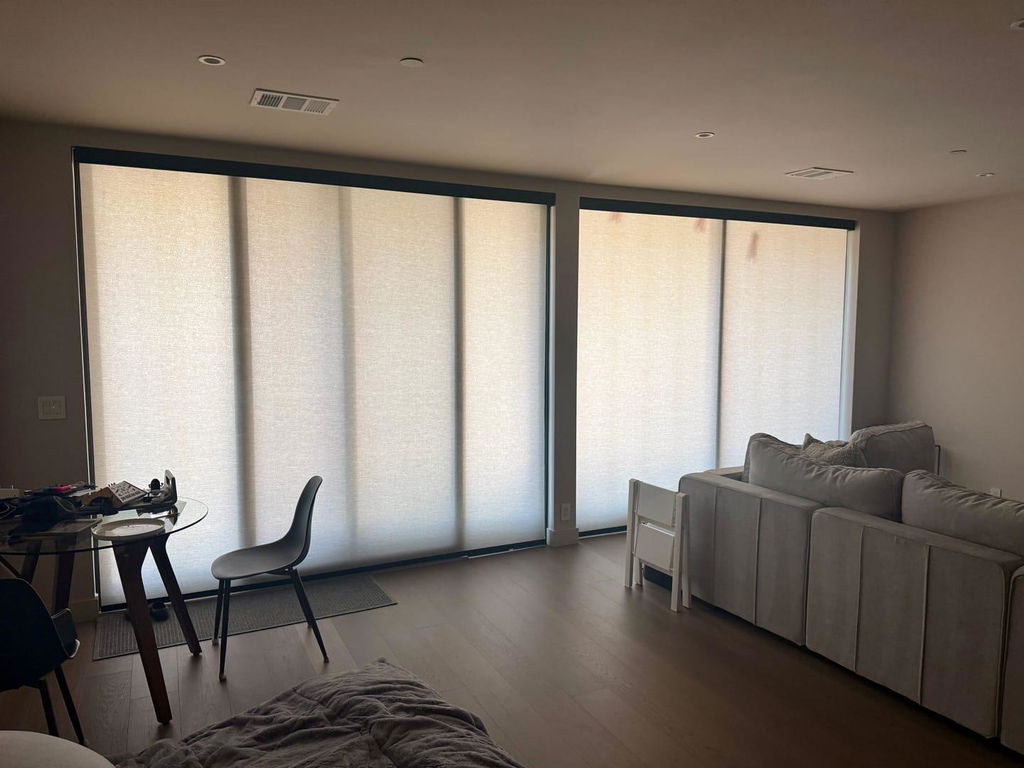
Sliding doors are the bane of my existence as a stylist. Roller shades leave massive light gaps at the edges, and horizontal blinds are a nightmare to lift every time you want to let the dog out. Vertical sliding blackout blinds are the only treatment that moves with the door, not against it.
By using a vertical blackout blinds system on a heavy-duty aluminum track, you can traverse the entire unit to one side, leaving the doorway completely clear. If you measure for a 10-inch stack back—meaning the track extends 10 inches past the glass—the blinds won't even block your view when they're open. It’s the most functional way to handle an 8-foot wide patio door without sacrificing your sleep quality.
Making Verticals Work in a Cozy Sleep Space
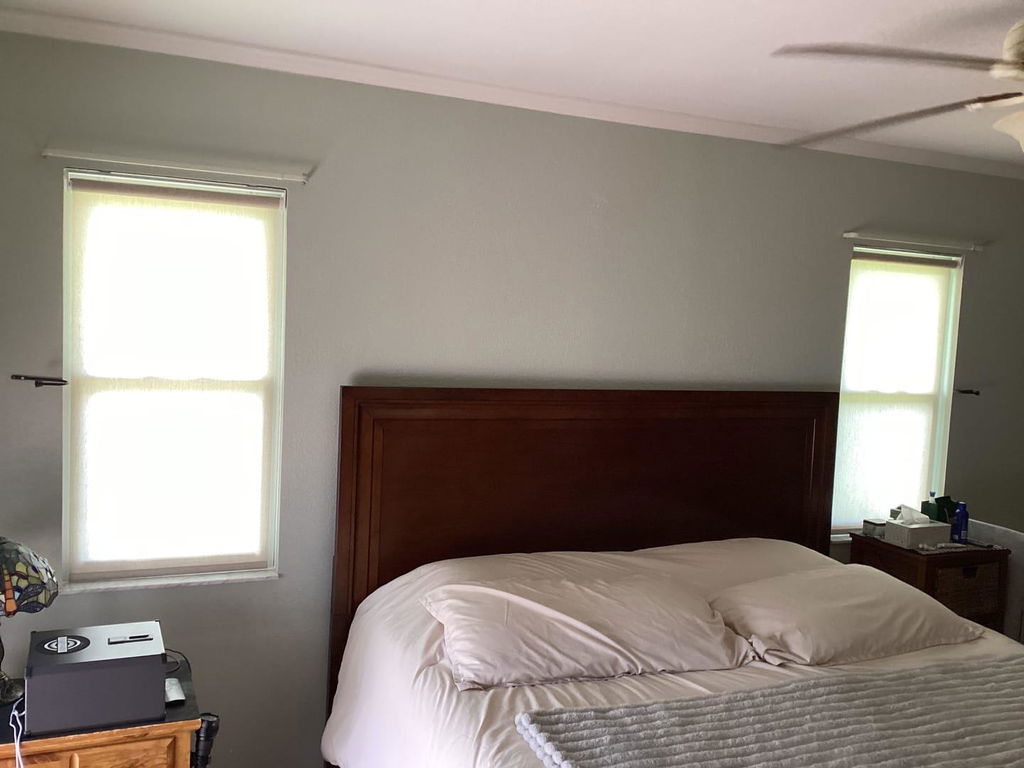
In a bedroom, 'hard' treatments can feel a bit sterile. To fix this, I often recommend using blackout vertical blinds for bedroom windows as the functional layer, mounted inside the window frame. Then, I’ll hang a pair of airy, sheer linen panels on a brass rod outside the frame.
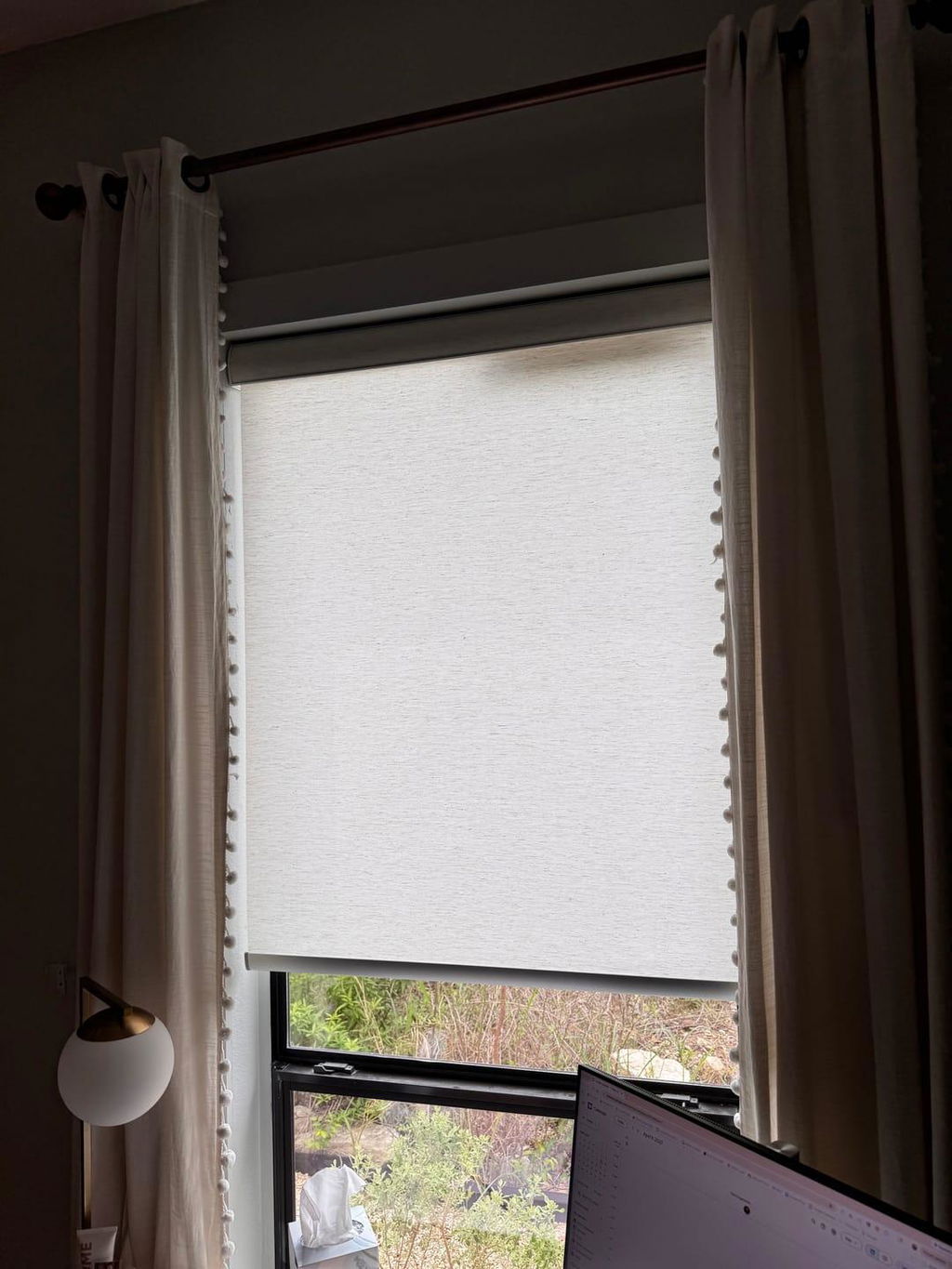
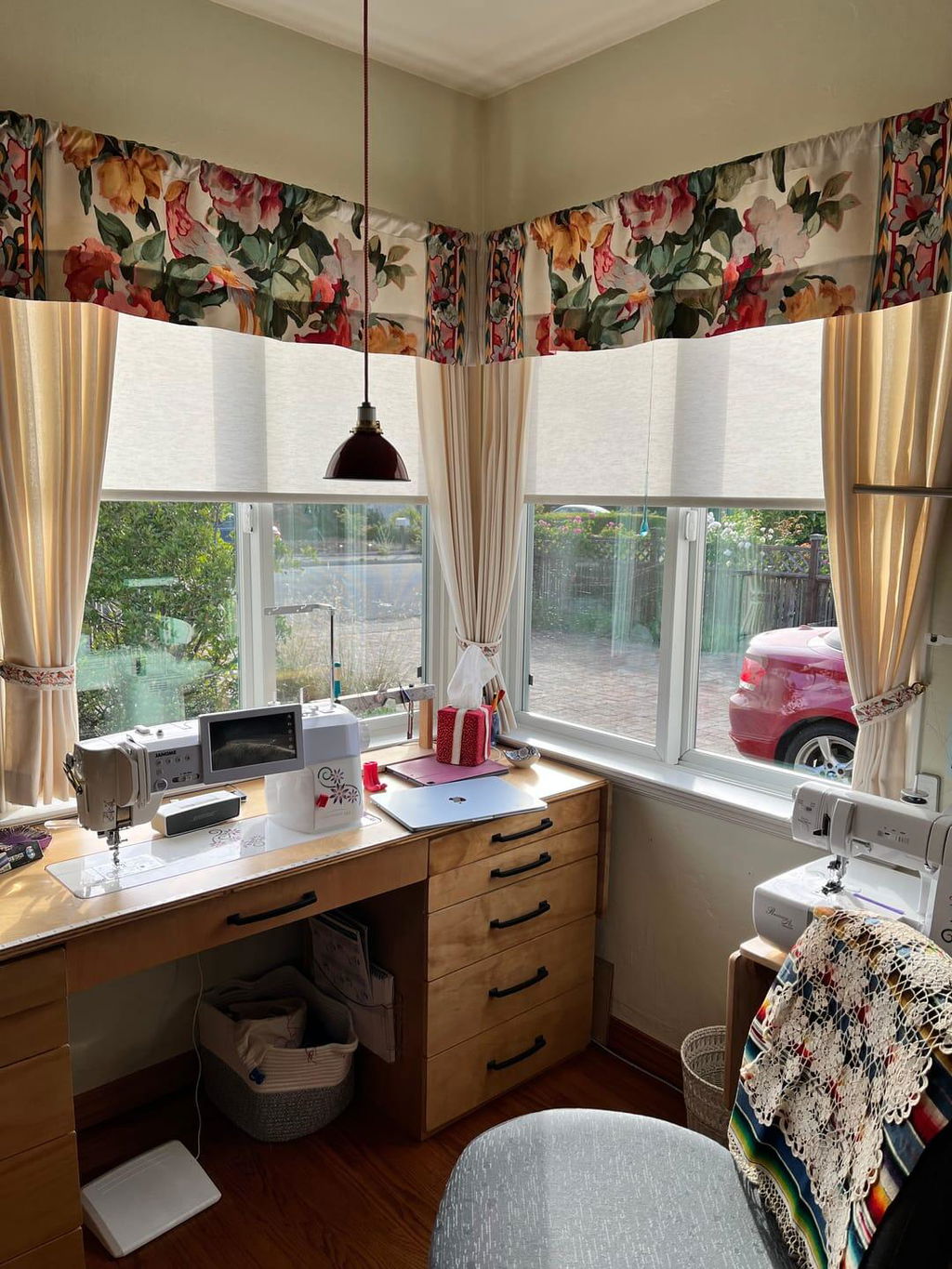
This layering hides the headrail and softens the vertical lines. If you skip the layering, you might find why your blackout roller blinds for bedroom windows look unfinished—they need that extra touch of softness to feel intentional. Learning how to soften blackout roller blinds for bedroom windows usually comes down to mixing your textures; the structured slats provide the 'dark,' while the sheers provide the 'dreamy.'
What to Do If You Just Can't Commit to Slats
I get it—some design scars run deep. If you still can't look at a vertical track without thinking of your first studio apartment, there are horizontal alternatives that offer a similar sleekness. For smaller windows that don't need to be walked through, the Canisteo Motorized Zebra Shades 60 Blackout Luxe provide a modern, banded look that controls light beautifully.
If you want something even lighter, the Canisteo Motorized Zebra Shades 85 Blackout Breeze offers a softer transition. These give you the ability to toggle between light-filtering and privacy without the vertical orientation. However, for those massive floor-to-ceiling sliders, the vertical blackout blinds for windows remain the champion of utility and style.
Personal Experience: The 'DIY' Disaster
Years ago, I tried to save money by spray-gluing blackout lining to a set of old PVC slats in a rental. It was a disaster. The glue off-gassed for weeks, and the extra weight caused the plastic carriers to snap within a month, leaving me with a pile of sticky fabric on the floor at 2 AM. I learned the hard way: buy the right blackout vertical blinds from the start. A reinforced track and factory-bonded blackout fabric are worth every penny for the peace of mind (and the actual darkness) they provide.
FAQ
Do fabric vertical blinds actually block all the light?
Yes, if you choose a high-quality blackout vertical blind with an integrated lining. The only light leakage usually happens at the very top of the track or between the slats if they aren't overlapped correctly. Choosing a 3.5-inch slat ensures a generous overlap that keeps the room dark.
Are they hard to clean compared to PVC?
Not really. While you can't just hose them down, most modern blackout fabrics are dust-resistant. A quick vacuum with a brush attachment once a month keeps them fresh. For spots, a damp microfiber cloth usually does the trick without damaging the blackout coating.
Can I install these on a curved window?
Standard tracks are straight, but you can find specialized curved tracks for bay windows. However, for a true vertical blackout blinds effect, straight tracks are more reliable for ensuring the slats overlap perfectly to block out the sun.