I Stopped Canceling Dinners Once I Hung a Gazebo Side Shade
I remember the first night we hosted in our new gazebo. I had spent weeks obsessing over the cedar stain and the Edison bulbs, only to realize by 6:30 PM that my guests were clutching their wine glasses like life rafts to keep them from tipping in the breeze. A beautiful open-air structure is a dream on paper, but in reality, it is often just a glorified wind tunnel until you install a gazebo side shade.
- Choose a 5% openness factor to balance wind protection with a view of the garden.
- Avoid lightweight curtains; they act like sails and can damage your gazebo frame.
- Mount roller cassettes on the inside of the header beam to keep the hardware hidden.
- Use dark mesh colors (charcoal or bronze) for better visibility through the screen.
The Romantic Open Gazebo Fantasy vs. The Chilly Reality
We have all seen the photos: a pristine wooden structure standing alone in a field, draped in nothing but sunshine. It looks like the peak of luxury until you actually try to eat a salad in it. Without a proper side shade for gazebo framing, you are essentially sitting in a vacuum. The moment the sun dips below the roofline, that horizontal glare makes eye contact impossible, and the 'refreshing' evening breeze turns your steak cold in three minutes.
I spent my first summer constantly checking the weather app and ultimately moving three out of four dinner parties back into the kitchen. It felt like a failure of design. You build these outdoor rooms to escape the four walls of your house, but without one or two strategic 'soft walls,' the space is too volatile to be comfortable. You need a way to break the wind without feeling like you are sitting in a tent.
Why Fabric Curtains Flap Wildly (And My Structured Fix)
Pinterest is a liar when it comes to outdoor curtains. I started with 110-inch white polyester panels, weighted the hems with fishing sinkers, and felt very Mediterranean for exactly twelve minutes. Then the wind picked up. Those romantic drapes turned into frantic white sails that knocked over a vase of hydrangeas and whipped my husband in the face while he was grilling.
Fabric panels without a tracking system are just kites waiting to happen. I Swapped Flapping Gazebo Curtains for a 9 Foot Outdoor Roller Shade because physics does not care about your 'coastal grandmother' aesthetic. A structured side shade stays under tension, usually via a weighted base bar and a stainless steel cable guide system. It provides a clean, architectural line that does not fight the wind—it tames it.
How to Choose a Side Shade for Gazebo Framing Without Ruining the View
The biggest mistake people make is choosing a fabric that is too dense. If you go with a total blackout material, you might as well have stayed inside. When browsing all your shade solutions, look for the 'openness factor.' This is the percentage of the weave that is open to let light and air through. A 1% weave is great for a theater room, but for a gazebo, you want a 5% or even 10% mesh.
This allows you to see the silhouette of your trees and the glow of the sunset while blocking the heat and the majority of the wind. Also, a pro tip: dark mesh is easier to see through than light mesh. White mesh catches the sun and creates a glare that obscures the yard, whereas charcoal mesh disappears into the landscape. It sounds counterintuitive, but the darker the screen, the better the view.
The 'Invisible' Mounting Trick for Exposed Wood Beams
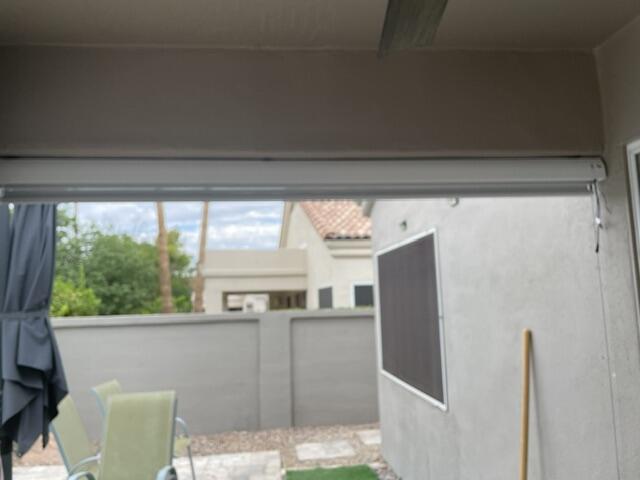
Nothing ruins a $10,000 timber frame like a chunky plastic box slapped onto the header beam as an afterthought. To get that built-in look, I always recommend mounting the roller cassette on the interior face of the beam rather than the underside. If your header is at least six inches deep, the cassette will be almost entirely hidden from the outside, maintaining that clean roofline.
If you are handy, you can even build a small matching wood fascia to cover the hardware. I did this with some leftover cedar scraps and a few trim nails. It took forty minutes and made the shade look like it was part of the original blueprint. Just make sure you leave enough clearance for the fabric to roll up without rubbing against the wood, which can cause fraying over time.
Solving the Day-to-Night Privacy Problem on the Patio
There is a phenomenon I call the 'glowing fishbowl.' During the day, your mesh shade provides perfect privacy. You can see out, but neighbors can't see in. However, the second you turn on your string lights at night, the effect reverses. You become a brightly lit stage for the whole neighborhood. If you are close to your neighbors, this can be a dealbreaker for late-night cocktails.
To fix this, you have to layer your light. Avoid high-intensity overhead lights and stick to low-level lanterns or dimmable LEDs. If you need total evening seclusion, you might look into Day Night Shades or dual-layered systems that offer both a mesh and an opaque option. I personally keep a few potted arborvitae near the open corners to soften the view when the shades are up.
Finally Eating Dinner Outside Without Chasing Napkins
Last Friday, a summer storm rolled through right as we were finishing dessert. In years past, we would have grabbed the plates and sprinted for the sliding glass door. Instead, I pulled down the side shades, secured the bottom bungees, and we sat there listening to the rain hit the mesh. We stayed dry, the candles stayed lit, and nobody had to chase a cloth napkin across the lawn.
Installing these shades changed the gazebo from a 'nice idea' into the most used room in the house. It is no longer a seasonal luxury; it is a functional dining room that just happens to have the best ventilation in the world. If you are tired of your outdoor furniture being a decorative prop rather than a place to sit, stop overthinking the curtains and get a structured shade.
How do I clean an outdoor side shade?
Do not take them down. Just roll the shade all the way down and use a garden hose on a gentle setting. For bird droppings or pollen, a soft-bristle brush and a drop of mild dish soap will do the trick. Let it air dry completely before rolling it back up to prevent mildew.
Can these shades stay up during the winter?
If you live in a climate with heavy snow and ice, I recommend retracting them into their cassettes for the season. Ice can weigh down the mesh and stretch it out, or worse, freeze the roller mechanism. If your shade has a protective cassette, it will be fine staying out all winter as long as it is rolled up.
What is the best way to secure the bottom of the shade?
Most high-quality shades come with a bungee or a 'hold-down' kit. Do not skip this step. If the bottom bar is free to swing, it will clatter against your gazebo posts all night and eventually tear the fabric. Secure the anchors into the base of your posts or your decking for a tight, professional fit.