I Softened My Stiff Windows By Layering Blinds and Sheer Curtain Panels
I remember moving into my first 'grown-up' apartment. It had these high-quality, perfectly functional white faux-wood blinds. They worked, they were clean, and I absolutely hated them. Every time I walked into the living room, I felt like I was checking in for a dental cleaning at 4 PM on a Tuesday. The light was harsh, the edges were sharp, and the room felt half-finished. Finding the right balance between blinds and sheer curtain panels was the only thing that saved my sanity and my style.
Quick Takeaways
- Inside-mount your blinds to keep the window casing visible and clean.
- Mount your curtain rod 'high and wide'—at least 4-6 inches above the frame.
- Aim for 2.5x fullness in your sheers so they don't look like sad, flat sheets.
- Choose a 1-inch floor break for a bespoke, tailored look that doesn't trap dust.
The Corporate Office Dilemma (Why Bare Blinds Aren't Enough)
Hard window treatments like slatted wood or aluminum blinds are masters of utility. They give you privacy in a second and block out the neighbors' floodlights at night. But visually? They are cold. They offer zero movement and create a series of aggressive horizontal lines that can make a cozy bedroom feel like a cubicle.
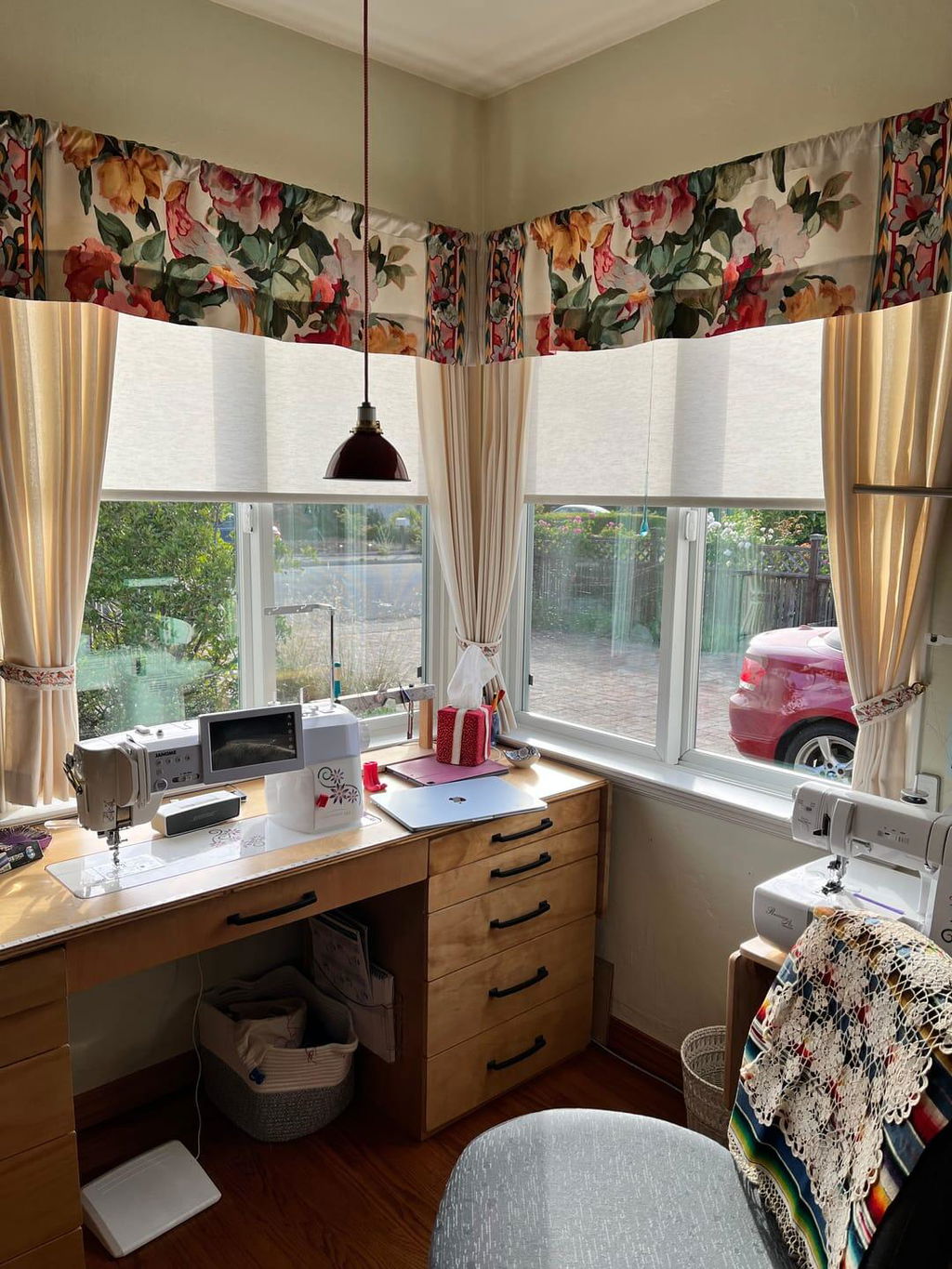
When you have nothing but a hard blind, the window becomes a void. By layering sheer curtains with blinds, you introduce a vertical element that draws the eye up. You get the structural benefits of the blind with the organic, soft movement of fabric. It’s about breaking up those rigid angles with something that actually catches a breeze.
My Go-To Combo: Roller Blinds With Sheer Curtains
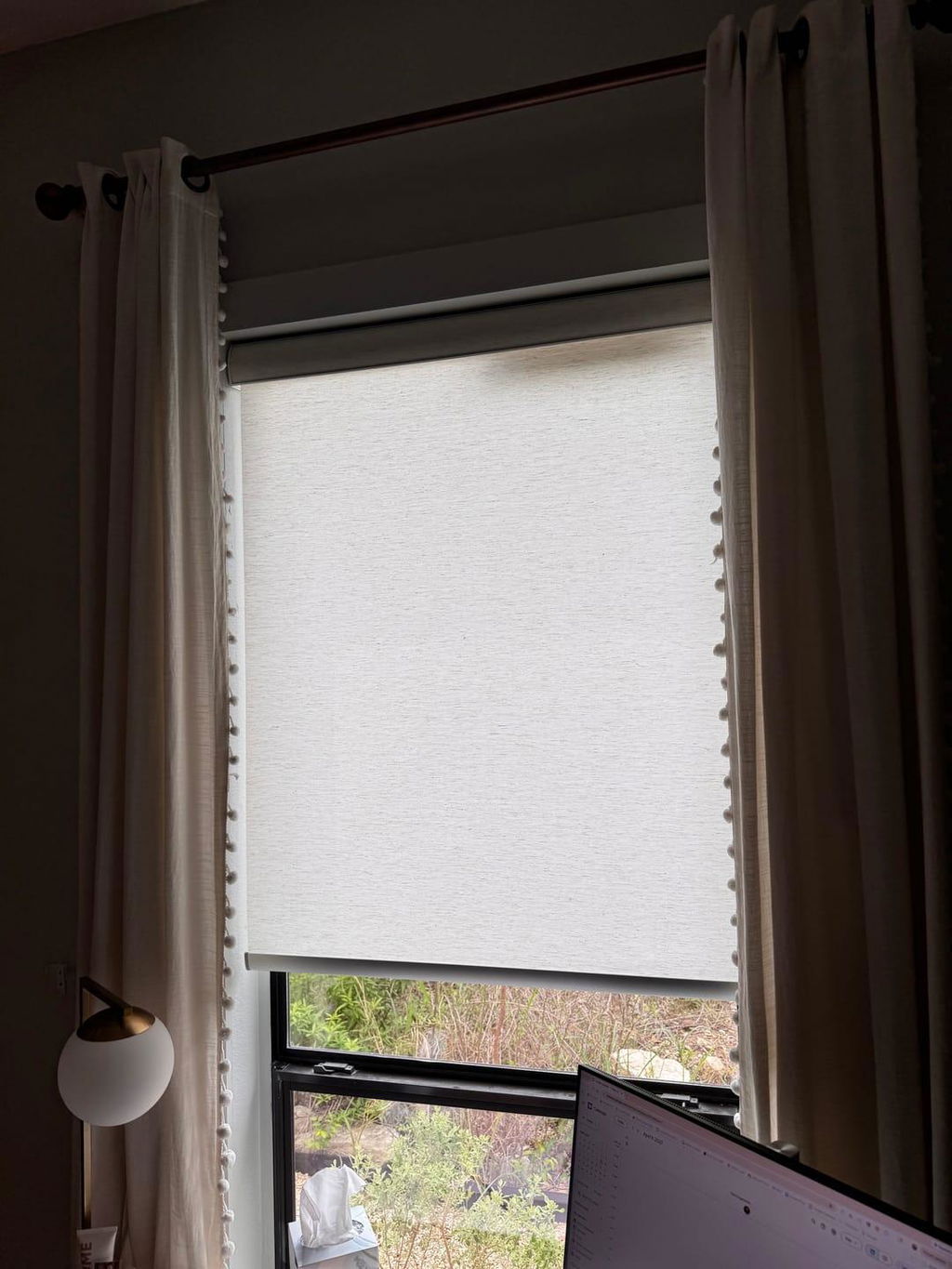
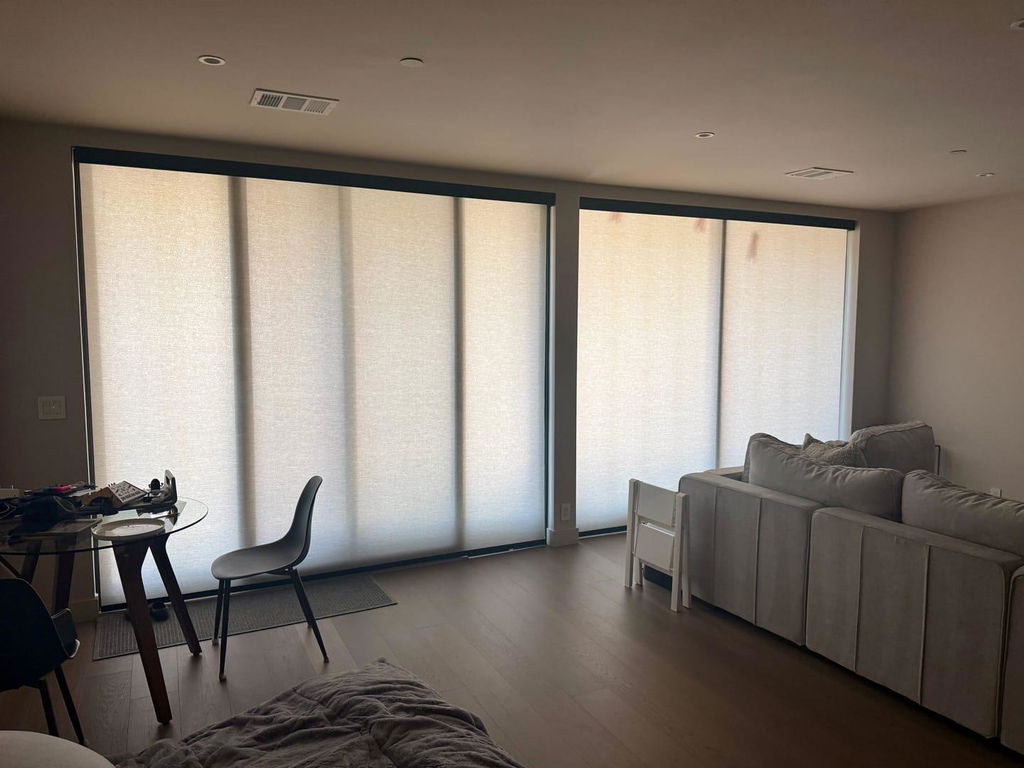
If you want a look that feels modern rather than 'grandma's parlor,' the roller blind is your best friend. A simple, low-profile roller blind disappears into the top of the window frame when open. This allows the sheer to take center stage without competing with bulky slats or cords. I personally love a 5% openness solar shade paired with a lightweight 100 gsm polyester-linen blend sheer.
This pairing is especially effective in the transition months. I often swap my heavy velvet drapes for roller blinds sheer when linen curtains feel too heavy. It keeps the room feeling airy during those long, humid July afternoons while still giving me the light filtering I need to see my laptop screen without a glare.
The Hardware Rules for Sheer Curtains With Blinds
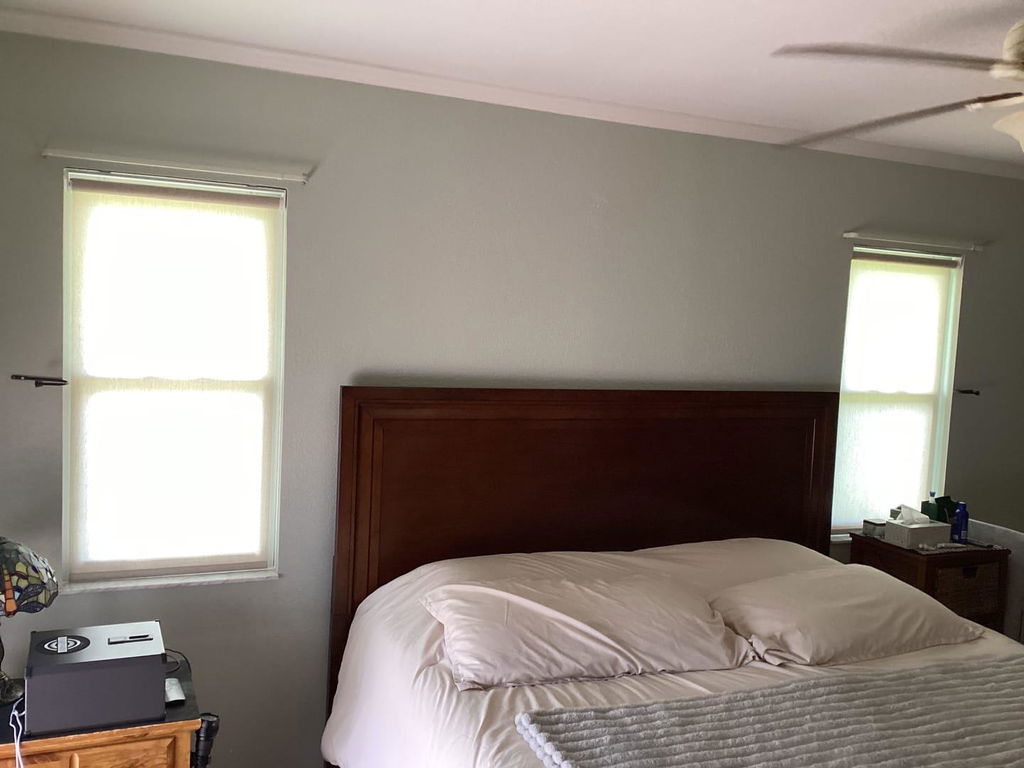
If you mess up the mounting, the whole look falls apart. The golden rule: the blinds must be inside-mounted. This means the blind sits inside the window casing, flush against the glass. If the blind is outside-mounted, it will stick out too far, and your sheer curtains will awkwardly bump against the headrail every time you try to close them.
For the curtain rod, go big. Mount it roughly 6 inches above the window trim and extend it 8 to 10 inches past the sides of the frame. This 'high and wide' trick makes your windows look massive and ensures that when the sheers are open, they aren't blocking any of your precious glass. Use a 1-inch diameter rod for stability; anything thinner looks flimsy and cheap.
Getting the Floor Puddle Just Right
Hemming is where most people give up, but it's the difference between 'I live here' and 'I'm just visiting.' A 4-inch puddle belongs in a French chateau or a photoshoot, not a real house where you have to vacuum. It just gathers cat hair and looks messy.
I always aim for the 'kiss' or a 1-inch break. This is where the fabric just barely touches the floor or folds over by a single inch. It looks intentional and expensive. If you bought 96-inch panels and they're too long, don't just let them bunch up. Take the time to use iron-on hem tape or a quick straight stitch to get that length perfect.
Texture Play: Roller Blinds and Matching Curtains
Don't try to perfectly match the color of your blinds to your sheers. If you have a 'stark white' blind and a 'stark white' sheer, the slight difference in dye lots will make one of them look yellowed or dirty. Instead, lean into contrast. I love a textured, oatmeal-colored woven roller blind paired with a crisp, cool white voile sheer.
The goal is to layer different weights. You want the structured, architectural feel of the blind to sit behind the fluid, translucent sheer. For bedrooms where you need total darkness but want the sheer look during the day, you might consider double roller blinds sheer and blackout options. This gives you a sleek, modern alternative to traditional bulky drapery while maintaining that soft, layered aesthetic.
When You Should Never Layer (And What to Do Instead)
As much as I love this look, it doesn't belong everywhere. Avoid layering sheer curtains in high-moisture zones like bathrooms—steam and fabric are a recipe for mildew. Similarly, never hang long sheers over a kitchen sink. Between the splashback from the faucet and the proximity to the stove, it's a hygiene and fire hazard. In those spots, stick to a clean, moisture-resistant Roman shade or a simple faux-wood blind and let the architecture do the talking.
FAQ
Do sheer curtains provide enough privacy with blinds?
During the day, sheers are great for privacy. At night, when your lights are on, people can see right through them. That is why the blind layer is essential—you drop the blinds at night for total privacy and keep the sheers for the aesthetic.
Can I use vertical blinds with sheers?
You can, but it's tricky. The 'S-curve' of vertical blinds often catches on sheer fabric. If you have verticals, I recommend using a specialized sheer 'wrap' designed for those vanes rather than a standard curtain rod and panel setup.
What is the best fabric for sheers?
I swear by linen-look polyester. Pure linen is beautiful but it shrinks and wrinkles if you even look at it wrong. A high-quality polyester blend gives you that organic texture with much better durability and 'drape-ability.'