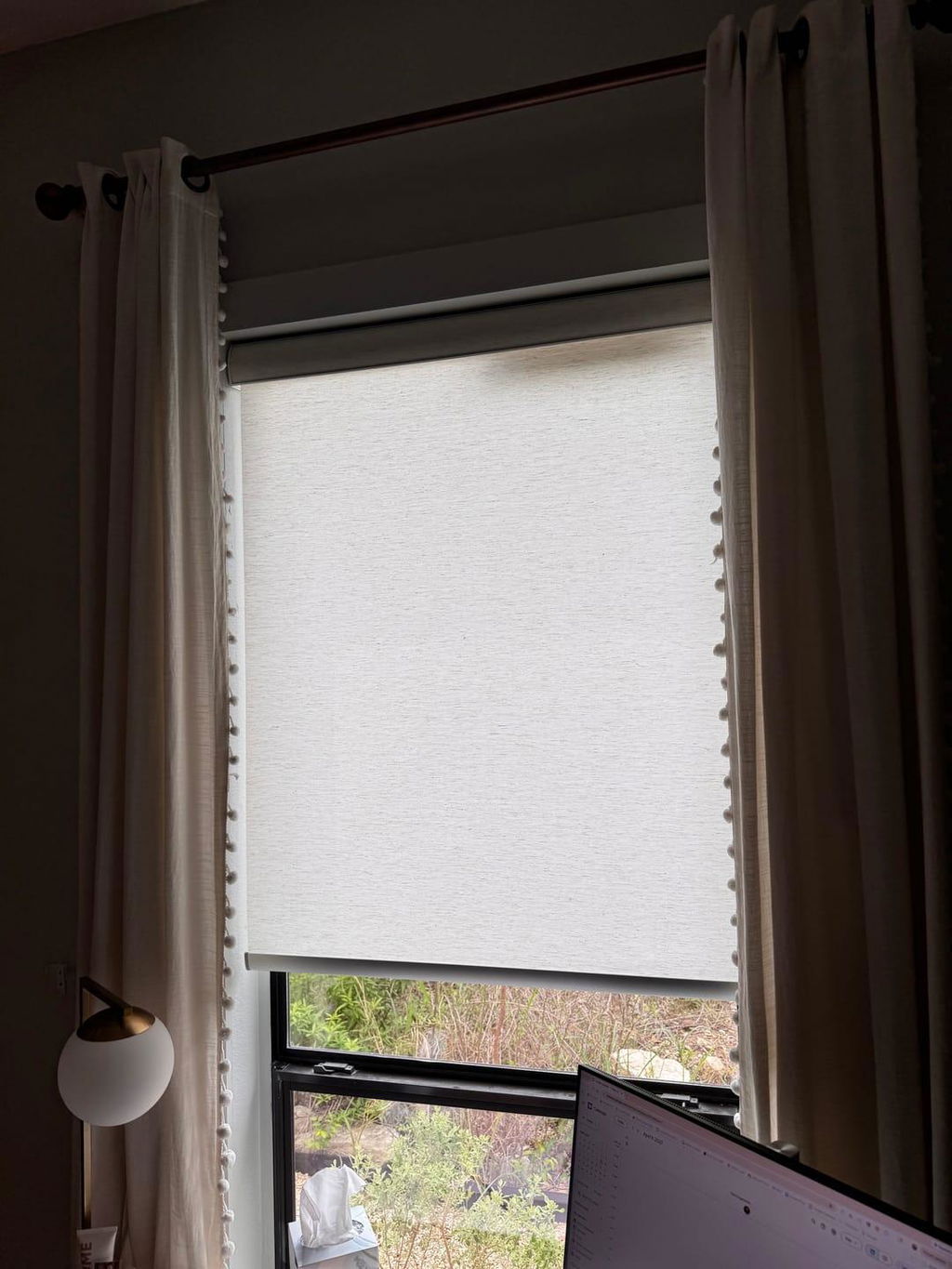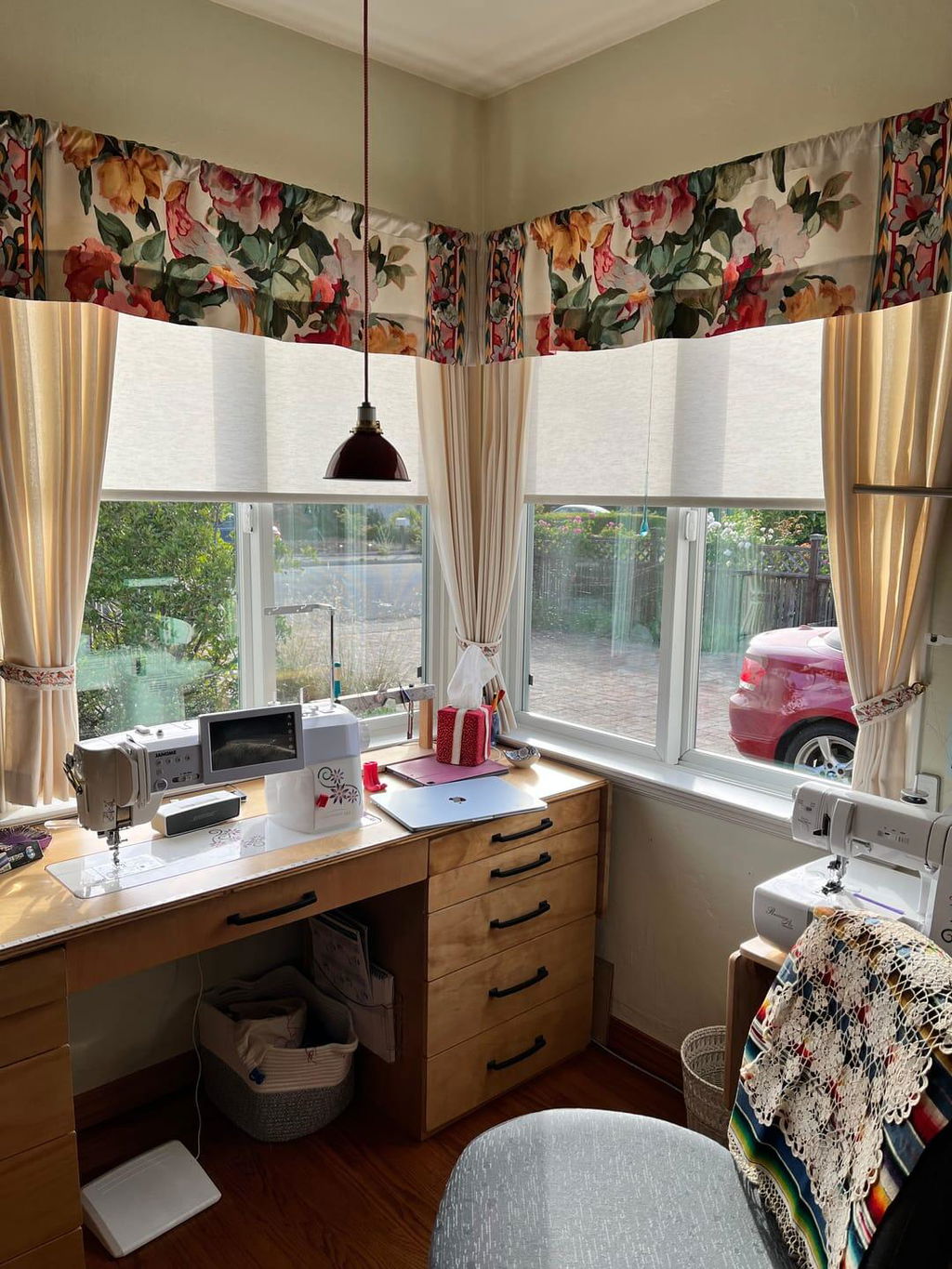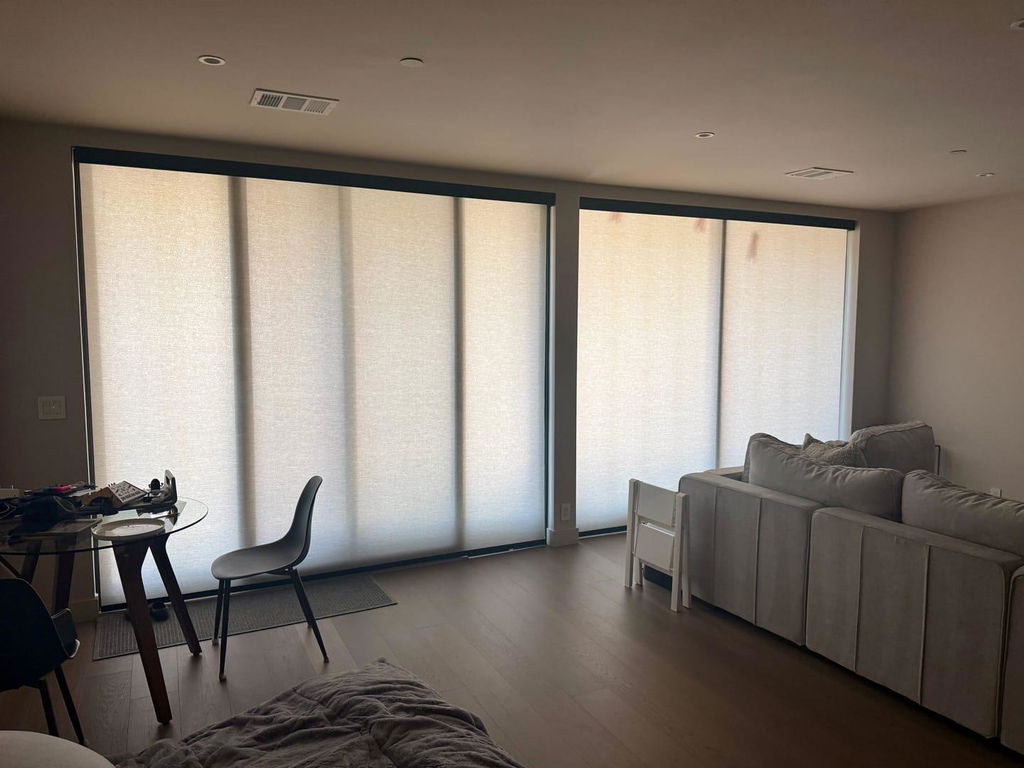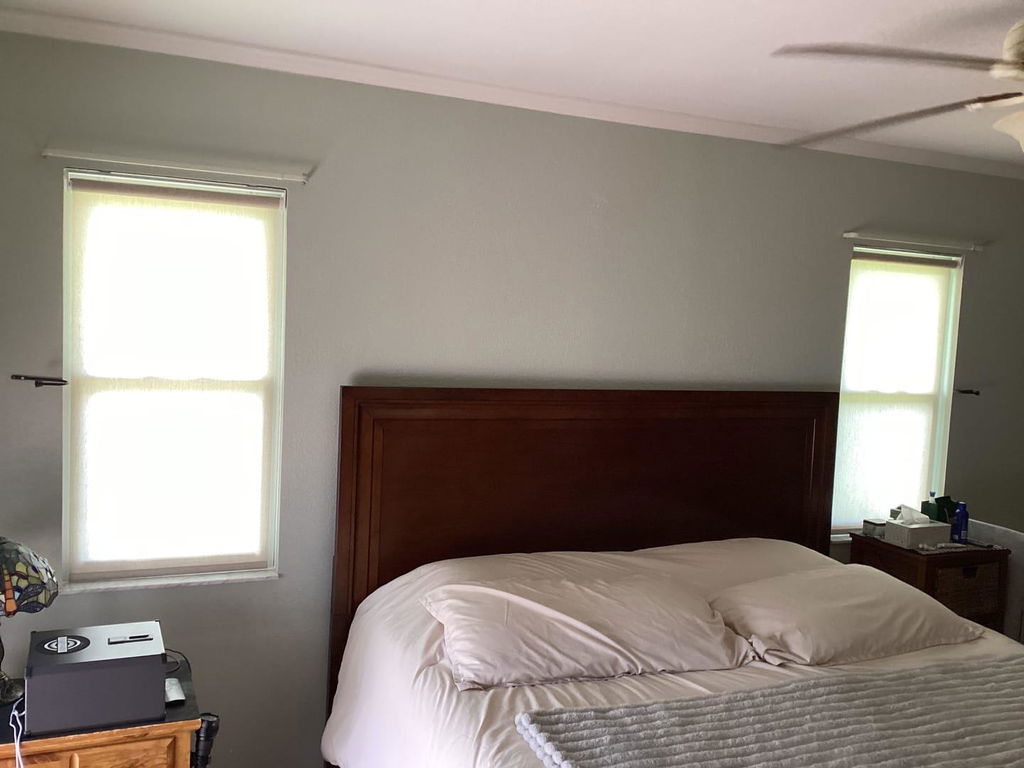
I Snapped 3 Brackets Before Learning How to Remove Levolor Blinds
The sun was setting on a Tuesday evening, casting long, unforgiving shadows across my living room. I had my new 100% Belgian linen drapes ready to go—2.5x fullness, 96-inch drop, the works—but there was one massive, plastic-coated obstacle in my way: the old window treatments. I thought I could just yank them down. I was wrong.
I spent forty-five minutes sweating on a step stool, wrestling with a headrail that refused to budge. By the time I finally figured out how to remove levolor blinds, I’d managed to snap three plastic brackets and gouge a hole in my freshly painted trim. It turns out, Levolor designs their hardware to be invisible, which is great for aesthetics but a nightmare for the uninitiated.
Quick Takeaways
- Identify your bracket: Hidden spring-loaded clips are standard, while older models use box brackets.
- The 'Push and Twist' is the secret move for modern Levolor headrails.
- Always use a flathead screwdriver for leverage—don't rely on finger strength alone.
- Work from the ends toward the middle to prevent the rail from bending.
The Panic of the Invisible Bracket
Levolor is the master of the 'hidden' look. Their design philosophy relies on spring-loaded brackets that sit tucked behind the headrail, giving you that seamless, high-end finish that doesn't distract from a crisp window frame. But when you decide to remove levolor blinds for a room makeover, that seamlessness becomes your biggest enemy. You can’t see the release mechanism, and if you don't know where to press, you’ll likely end up pulling the entire mounting screw out of the drywall.
I remember staring at my windows in a rental in Brooklyn, convinced the previous tenant had glued the shades to the header. I was ready to call the super, but the reality is much simpler: you just need to know where the tension is held. Whether you want to uninstall levolor blinds to wash the windows or you're replacing them with something softer, understanding that spring mechanism is the difference between a five-minute job and a weekend spent patching plaster.
The Only Tool You Actually Need
Brute force is the fastest way to ruin your day. If you find yourself tugging at the headrail until your knuckles turn white, stop. You only need three things: a sturdy step stool (please don't use a rolling office chair), a high-lumen flashlight, and a medium-sized flathead screwdriver. The flashlight is non-negotiable because those bracket tabs are usually color-matched to the rail and hide in the shadows of the window casing.
The screwdriver isn't for prying the rail off the wall; it’s for gently depressing the release tab. I’ve seen people try to release levolor blinds using butter knives or car keys, which usually results in a trip to the urgent care or a scratched headrail. A proper flathead gives you the narrow profile needed to slip between the rail and the bracket without causing cosmetic damage to your trim.
How to Remove Levolor Blinds (Without Ripping Your Drywall)
To take levolor blinds off, start by fully retracting the blinds. If you leave them down, the weight of the slats or fabric creates downward tension that makes the brackets nearly impossible to release. Once they’re tucked up tight, locate the first bracket about two inches from the end of the rail. You'll see a small metal or plastic tab protruding slightly from the back of the bracket, closest to the window glass.
Insert your flathead screwdriver into the space between the headrail and the bracket tab. You want to apply steady pressure toward the window while simultaneously tilting the top of the headrail toward you. This 'roll' motion is what unhooks the front lip of the rail from the bracket. Repeat this for each bracket across the width of the window. If you're removing levolor blinds from brackets on a wide window, have a friend hold the other end so the rail doesn't pivot and snap the final clip.
Mastering the 'Push and Twist' Tab Release
When you're dealing with how to remove levolor blinds with hidden brackets, it’s all about the finesse of the twist. Once the screwdriver is seated against the tab, a slight clockwise twist of the handle often provides more controlled pressure than a straight push. This releases the spring tension. I once tried to skip this and just 'pop' it with my thumb; I ended up with a bruised nail and a bracket that was more stuck than ever. The plastic used in these tabs can become brittle over time, especially in south-facing windows, so gentle, consistent pressure is your best friend.
How to Remove Levolor Cellular Shades Specifically
Cellular shades—those lovely honeycomb structures—require an even softer touch. When you remove levolor cellular shades, the fabric is vulnerable. If you grab the stack too hard while trying to take down levolor cellular shades, you can actually crush the cells, leaving permanent creases in the material. I’ve seen beautiful rooms ruined by 'finger dents' in the shades because someone lost their balance on a ladder.
To remove levolor cellular shades from bracket mounts, follow the same push-and-roll technique, but support the headrail from underneath with the palm of your hand rather than gripping the fabric. Many people realize after removing levolor cellular shades that they want something more modern. Often, homeowners find their standard motorized cellular blinds look basic and decide to upgrade to a more custom, integrated look once they see the 'naked' window potential.
Uninstalling Roller vs. Faux Wood Options
The process for how to remove levolor roller shades is slightly different. Roller shades often use a 'pin and clutch' system or a simple snap-in bracket. Instead of a back tab, you might find a clear plastic ring that needs to be rotated to unlock the pin. Roller shades are also deceptively heavy; if you don't know how to remove roller blinds safely, the metal weighted bar at the bottom can swing out and shatter a glass pane or dent your floor.
Faux wood blinds are the heavyweights of the Levolor world. These often use 'box brackets' with a hinged front cover. You just use your screwdriver to pop the front door of the bracket open, and the entire heavy unit slides right out. Just be prepared for the weight—a 36-inch faux wood blind can weigh upwards of 10 pounds, which feels like 50 when you're balanced on a step stool.
When Hidden Brackets Refuse to Let Go
Sometimes, the levolor cellular shade removal process goes sideways. If the shade is jammed, it’s usually because the fabric has gotten caught in the spring mechanism. Don't pull. Use a thin putty knife to gently move the fabric away from the bracket. If your brackets have been painted over by a previous 'landlord special' paint job, you’ll need to score the paint line with a utility knife first. If you don't, you'll peel the paint right off the window casing when the bracket finally releases.
Prepping Your Naked Windows for the Next Layer
Once you successfully uninstall levolor blinds, take a moment to look at the damage. You'll likely have holes from the mounting screws. I always keep a tub of lightweight spackle and a 2-inch putty knife handy. Fill the holes, sand them flush, and hit them with a dab of matching trim paint. This is the perfect time to decide if you want to mount your next treatment inside the frame or go for an outside mount to make the window appear larger.
Before you rush to the store, make sure you know how to install your shades properly so you don't repeat the same mistakes. If you have high, hard-to-reach windows, consider something like motorized skylight cellular shades to avoid the ladder dance entirely next time. A clean slate is the best part of any design project—enjoy the view for a minute before you hang the next layer.
FAQ
How do I remove Levolor blinds with hidden brackets?
Use a flathead screwdriver to push the release tab located at the back of the bracket (near the window). While pushing, tilt the top of the headrail toward you to unhook it from the front of the bracket.
Why won't my Levolor cellular shades come out of the bracket?
The most common reason is that the blinds aren't fully retracted, creating weight tension. Ensure the shades are pulled all the way up, and check if any fabric is caught in the spring clip.
Do I need special tools to take down Levolor shades?
No special tools are required, but a flathead screwdriver and a flashlight are highly recommended to locate and depress the hidden release tabs safely.