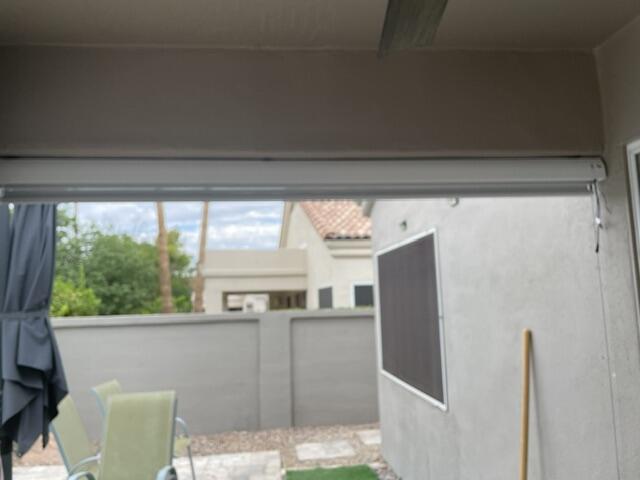
I Saved My Fading Rugs With Solar Blinds for Windows (And Kept My View)
I was moving my favorite vintage Oushak rug to vacuum last Tuesday when I saw it: a perfect, vibrant rectangle of apricot and sage where the armchair had been sitting, surrounded by a washed-out, dusty ghost of the original pattern. My south-facing living room, which I usually brag about for its 'incredible natural light,' had effectively bleached three hundred dollars off the resale value of my rug in a single summer. I realized then that my commitment to an unobstructed view was actually a commitment to destroying everything I owned.
Quick Takeaways
- Solar shades block up to 99% of UV rays without killing your view of the garden.
- Openness percentages (1% to 10%) determine how much you can see through the fabric.
- Layering with drapes is the only way to avoid the 'office building' aesthetic.
- Standard solar shades offer zero privacy at night; you need a dual-shade system for that.
- Always opt for a fabric-wrapped cassette to hide the industrial roller hardware.
The Day I Realized My Vintage Rug Was Bleaching
It wasn't just the rug. When I looked closer, the hardwoods near the floor-to-ceiling windows had taken on a parched, yellowed tint that no amount of floor oil could fix. This is the reality of living in a home with high-exposure windows. UV rays are relentless. They don't just fade textiles; they break down the chemical bonds in wood finishes and art prints. I needed solar blinds for windows, and I needed them before the afternoon sun turned my entire living space into a sepia-toned photograph.
The search for a solar shade for windows usually starts with a panic buy of cheap blackout curtains, but I couldn't bring myself to live in a cave. I spent years finding a house with a view of the oak trees out back; I wasn't about to spend my afternoons staring at a wall of polyester. I needed sun window shades that acted like sunglasses for my house—cutting the glare and the heat while keeping the landscape visible. I started looking into sunblock roller shades that could offer a high level of protection without the visual weight of heavy drapery.
The damage was a wake-up call. If you have a room that gets hit by that aggressive 3 PM light, you aren't just 'getting sun'—you are slowly incinerating your decor. Finding a solar shade window solution became my weekend obsession. I needed something that would stop the bleaching but still let me see if the mail had arrived.
Why I Resisted Solar Treatments for So Long
For the longest time, I associated solar roller window shades with the sterile, fluorescent-lit banks where I go to notarize documents. You know the look: that stiff, vinyl-feeling mesh in a depressing shade of 'cubicle grey.' I was terrified that installing solar shades roller blinds would make my cozy, curated home look like a corporate office. I wanted texture, warmth, and soul—not a screen shade window that felt like it belonged in a dentist's waiting room.
However, the industry has actually caught up with residential design. Modern roller shades solar fabrics are a far cry from the plastic meshes of a decade ago. I started seeing weaves that mimicked the look of grasscloth or fine linen. There are sun shades blinds now that have a soft, matte finish and come in colors like oatmeal, charcoal, and even soft bronze. The solar window cover has evolved into a design element rather than just a utility.
I had to get over my snobbery. Once I touched a high-quality solar roller blind sample, I realized the 'corporate' feel came from poor styling, not the material itself. When you choose a screen sun shade with a sophisticated weave, it acts as a neutral backdrop. It’s about finding that balance where the sun shading blinds do the heavy lifting of heat control while blending into the architectural lines of the window frame.
The Openness Factor: Decoding the Percentages
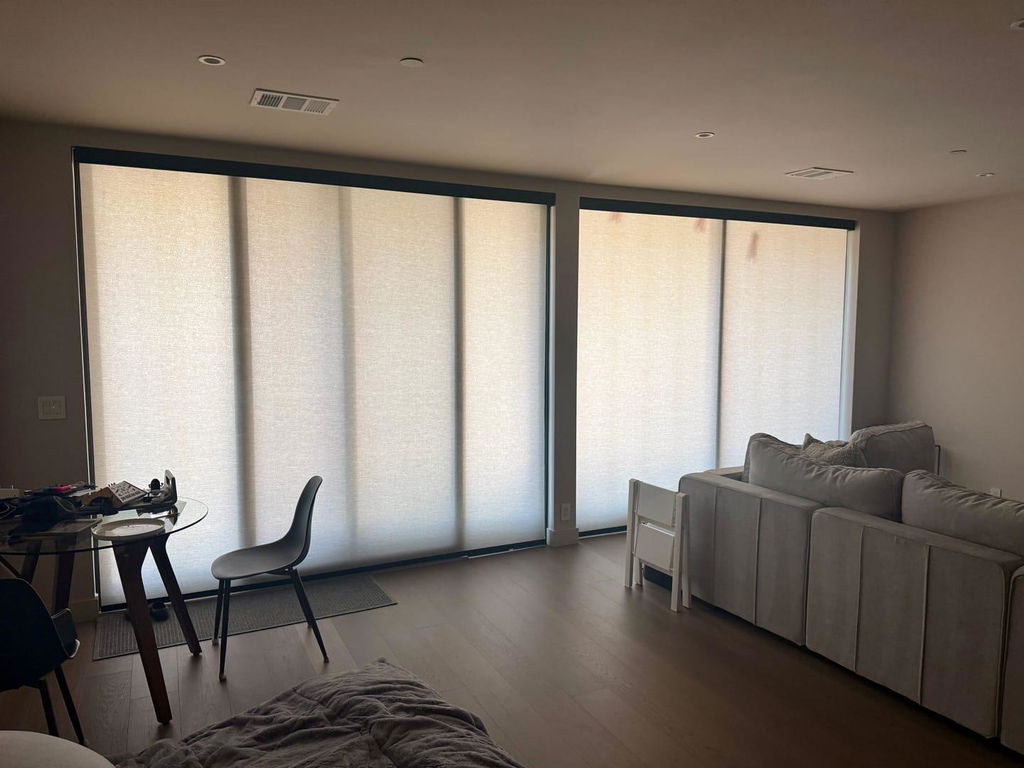
This is where most people get tripped up. When shopping for sunscreen shades for windows, you’ll see 'openness' percentages ranging from 1% to 10%. This isn't just technical jargon; it’s the key to saving your fading rugs while maintaining your sanity. A 1% openness weave is very tight; it blocks 99% of UV rays but makes the view outside look like a blurry impressionist painting. On the flip side, a 10% solar screen roller blinds setup feels like it’s barely there, but it lets in significantly more heat and UV light.
I eventually landed on 5% for my main living area. It’s the Goldilocks of sun roller shades. At 5%, I can clearly see the individual leaves on the trees outside, but the harsh 'hot spots' on my floor are gone. If you have a dedicated media room, you might want to go with 1% solar screens shades to kill every bit of screen glare. But for a kitchen or living room, anything tighter than 3% can feel a bit claustrophobic during the day.
Think about the direction your windows face. My northern windows don't need much, so I used inexpensive solar shades with a 10% openness there just to cut the sky-glare. But for those brutal southern exposures, don't mess around. Use a 3% or 5% solar shade roller to actually protect your furniture. It’s the difference between a functional sun shades blinds setup and a purely decorative one.
Layering is the Secret to Avoiding the Bank Lobby Vibe
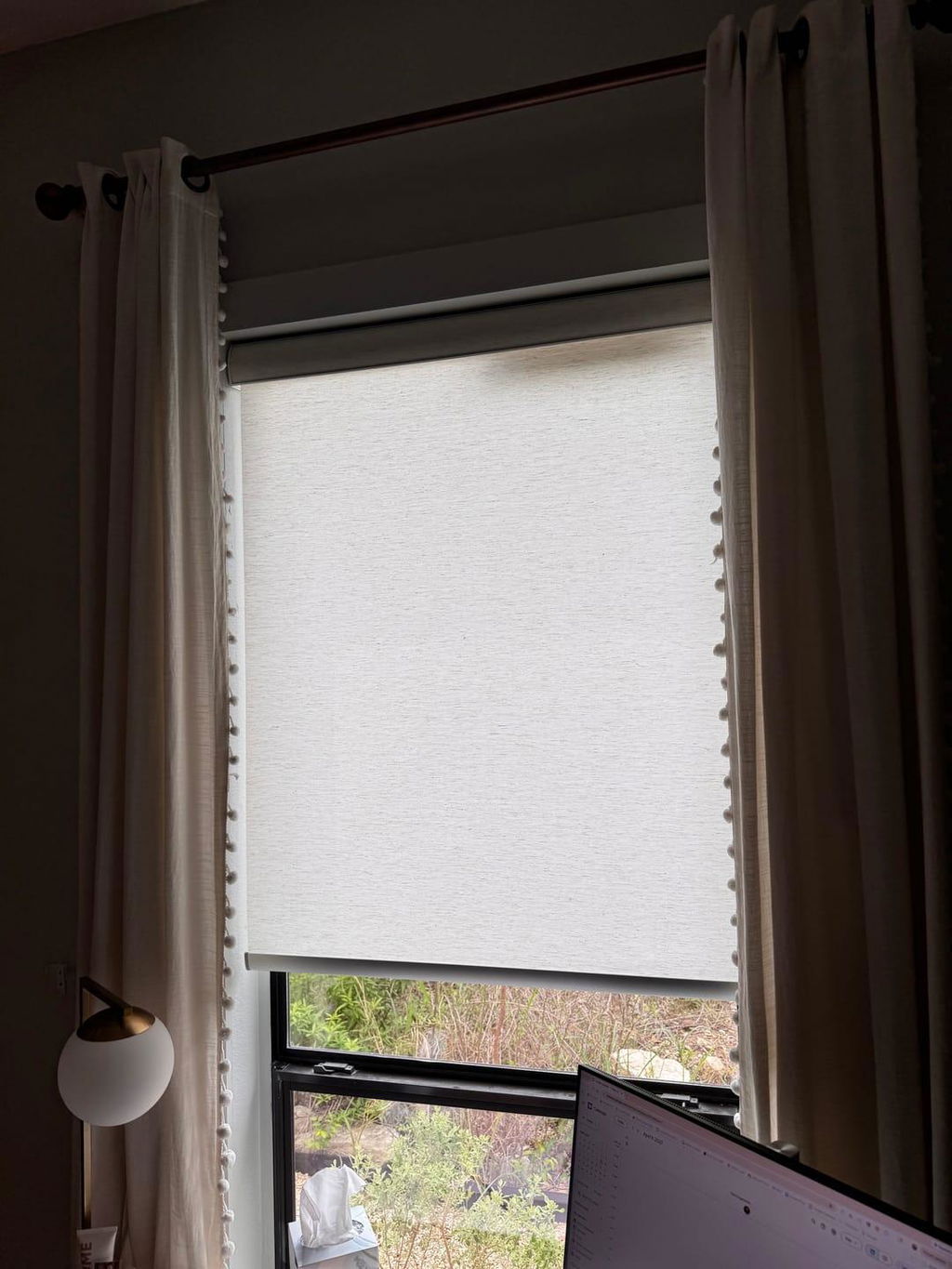
If you just slap indoor solar roller shades inside a window frame and call it a day, it will look unfinished. The secret to a high-end look is layering. I installed my solar window roller shades as an inside mount, tucked right up against the glass. Then, I added floor-to-ceiling linen drapes on a matte black rod. The blinds for sun do the work during the day, and the drapes provide the 'softness' and texture the room needs.
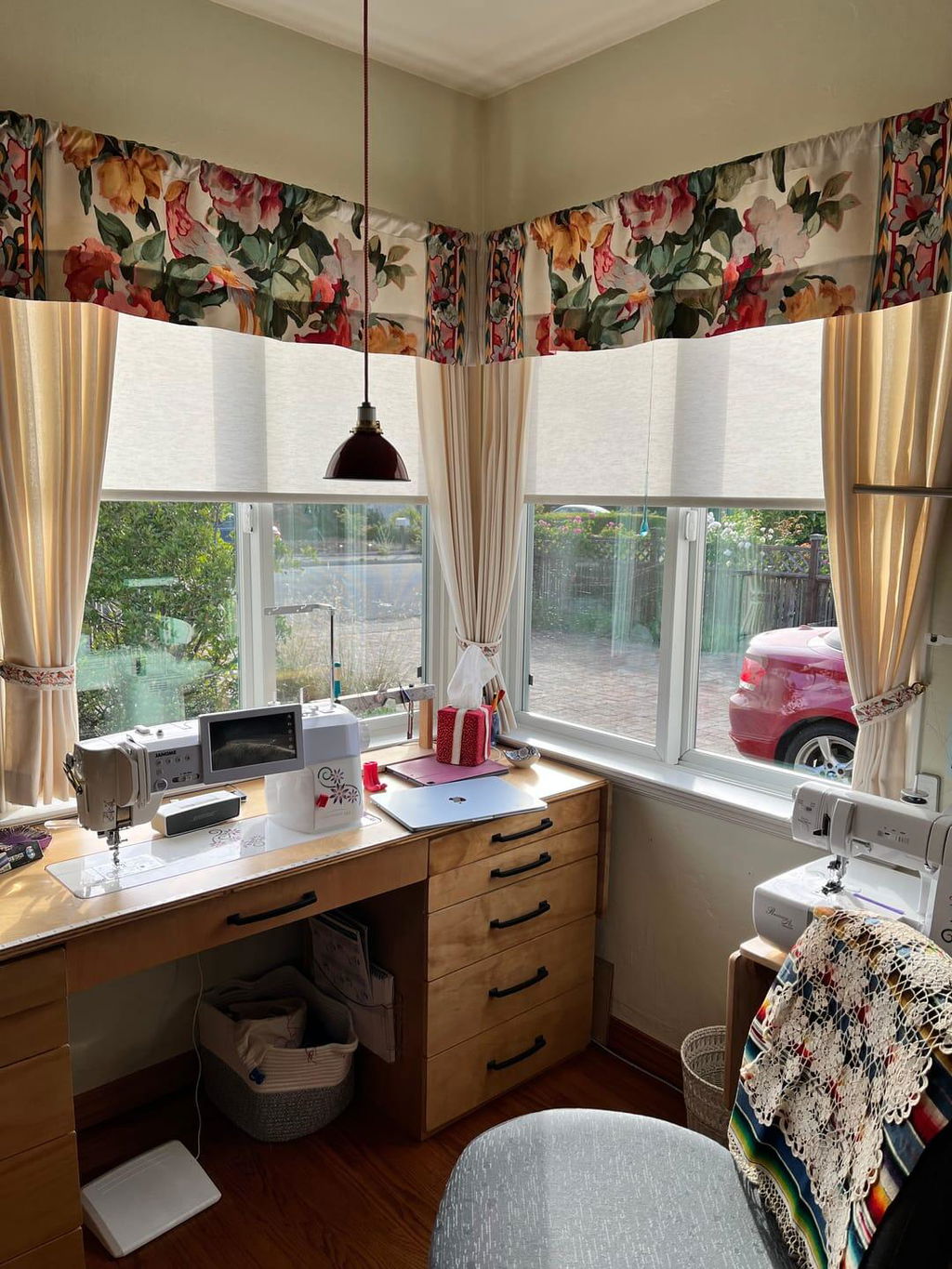
Another option I love is using a solar roman shade. It gives you the UV protection of a technical fabric but with the soft folds of a traditional window treatment. If you’re not a fan of the flat look of a roller, textured roman shades in a solar-rated fabric are a brilliant middle ground. They add architectural interest to the top of the window even when they are fully raised.
My formula is simple: solar roller window shades for the 'functional' layer, plus a 2.5x fullness drapery panel for the 'aesthetic' layer. When the sun is at its peak, I lower the solar screens shades. The room stays bright, the view remains, but the heat drops by ten degrees instantly. It’s a multi-dimensional approach that makes solar vertical shades or rollers look intentional rather than an afterthought.
Dealing with the Nighttime Privacy Trap
Here is the honest truth no one tells you about solar sun shades for windows: at night, the visibility reverses. If it’s dark outside and your lights are on inside, your neighbors can see right through your 5% openness shades. You are essentially living in a lighted display case. This was a dealbreaker for me until I discovered the double-bracket solution.
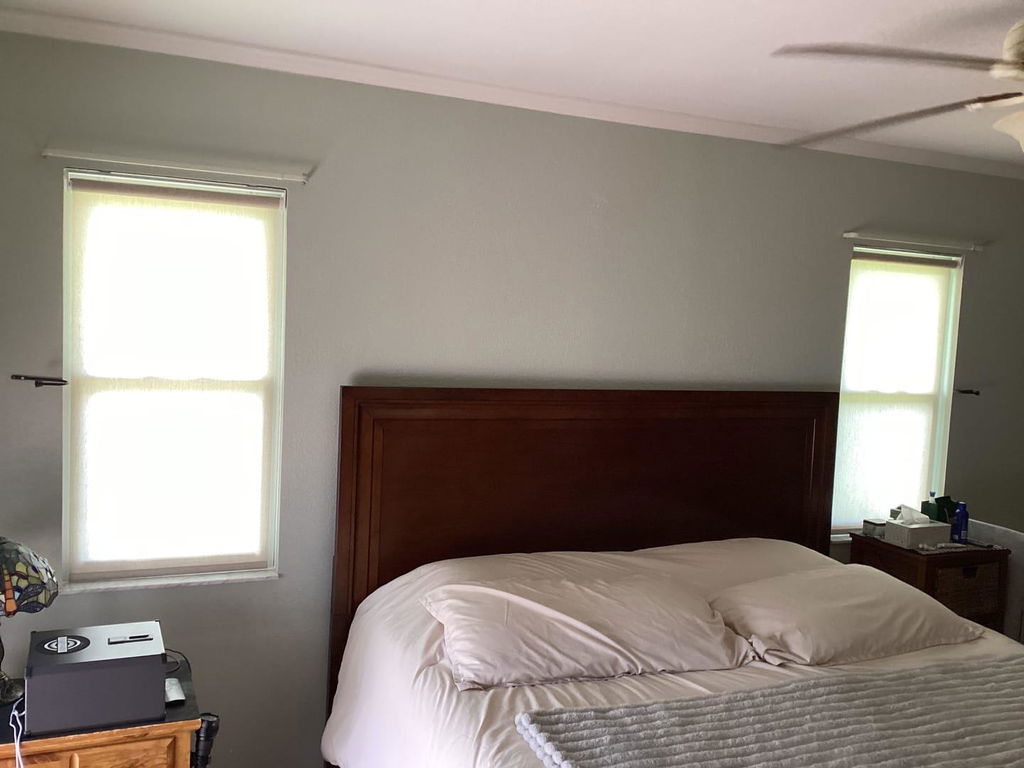
To solve the 'fishbowl effect,' I looked into custom double roller blinds. This system puts two shades on one bracket: a solar screen roller blinds layer for the day and a light-filtering or blackout fabric for the night. It’s the ultimate setup for a bedroom or a street-facing living room. You get the UV protection of sun shades blinds during the day and total privacy once the sun goes down.
If you don't want to spring for a double-roller system, your layered drapes have to be functional. You can’t just have 'stationary' panels; they need to be wide enough to close fully over your solar window cover. I learned this the hard way after a very awkward evening realizing my neighbors had a front-row seat to my Netflix binge. Don't rely on sunblock roller shades for nighttime privacy—they aren't designed for it.
Finding the Right Mount and Cassette
The hardware is where a DIY job either looks professional or looks like a hack. When you order solar blinds for windows, you’ll usually have the option for an 'exposed roll' or a 'cassette.' Please, for the love of your interior design, choose the cassette. An exposed roll of solar roller blind material looks like a giant paper towel roll hanging in your window. It’s industrial in a bad way.
A fabric-wrapped cassette hides the mechanism and gives the window a clean, finished header. It’s a small upcharge that makes standard roller shades look like a custom architectural feature. I also recommend an inside mount if your window depth allows it. It keeps the solar shade roller flush with the wall, which prevents light gaps on the sides—those annoying slivers of sun that can still manage to hit the edge of a rug or a painting.
If you are working with inexpensive solar shades, the cassette is even more important because it hides the cheaper plastic components of the roller. A solar window roller shades installation should be felt, not seen. You want the effect of the filtered light, not a visual reminder of the mounting brackets and screws. Spend the extra twenty dollars on the matching valance or cassette; your future self will thank you every time you look at the window.
FAQ
Do solar shades block heat?
Yes, significantly. By reflecting and absorbing solar energy before it enters the room, they can reduce heat gain by up to 80%. My AC runs noticeably less often since I installed mine.
Can you see through solar shades at night?
Yes. If your interior lights are on, people outside can see in. They are designed for daytime privacy and UV protection, not for nighttime security. Pair them with drapes or a second opaque shade to fix this.
What is the best openness for a living room?
I usually recommend 5%. It strikes the best balance between UV protection (blocking 95%) and maintaining a clear view of the outdoors. If you have severe glare on a TV, drop down to 3%.
How do you clean solar roller blinds?
Most are made of a polyester/PVC blend, making them incredibly durable. You can just wipe them down with a damp cloth and mild soap. Unlike dry-clean-only drapes, they are very low-maintenance.