I Refuse to Line Them: Why I Prefer My Roman Blinds Sheer
I remember the exact moment I gave up on heavy window treatments. It was a Tuesday afternoon in a rental apartment with three massive south-facing windows and absolutely zero privacy. I had spent two hundred dollars on 'premium' blackout drapes that made my living room look like a high-security bunker. When I finally pulled them back, the sun was so aggressive it washed out my rugs and made the TV impossible to see. I needed a middle ground—something that felt like a soft-focus lens for my life. That is when I discovered that roman blinds sheer are the only way to go for the modern minimalist who actually likes the sun.
Quick Takeaways
- Sheer shades provide a structured, architectural look that traditional net curtains lack.
- Unlined fabrics allow for a 'glow' effect that transforms harsh afternoon glare into soft ambient light.
- They are the ultimate space-savers for windows above radiators, desks, or built-in benches.
- Choosing the right GSM (weight) is key to balancing visibility and privacy.
Why Traditional Net Curtains Often Feel So Dated
We have all seen them: those flimsy, polyester net curtains that seem to exist solely to collect dust and yellow in the sun. They usually hang from a tension rod that sags in the middle, and they have a habit of pooling on the floor in a way that feels more 'haunted Victorian' than 'effortlessly chic.' The problem with traditional sheers is that they lack bones. They are all drape and no definition, which often leads people to wonder if blinds with sheer fabric actually better than those dated layers. The answer is a resounding yes.
When you use a roman style, you are adding horizontal lines and a crispness that forces the fabric to behave. Instead of a messy cloud of lace, you get a series of clean, stacked folds. It takes up significantly less visual real estate. In a small room, every inch of floor space matters. By keeping the treatment inside the window frame, you open up the area around the window for furniture, plants, or just breathing room. It is a more intentional look that moves away from the 80s aesthetic of 'more is more' and toward a space that feels curated.
The Architectural Magic of an Unlined Shade
There is something undeniably satisfying about a sheer roman shade that fits perfectly within the window casing. It acts as a frame within a frame. When you have beautiful original trim or even just clean, modern lines, the last thing you want to do is bury them under ten yards of velvet. These shades highlight the architecture of the room rather than hiding it. I usually recommend an inside mount with a 1.5-inch depth to ensure the shade sits flush.
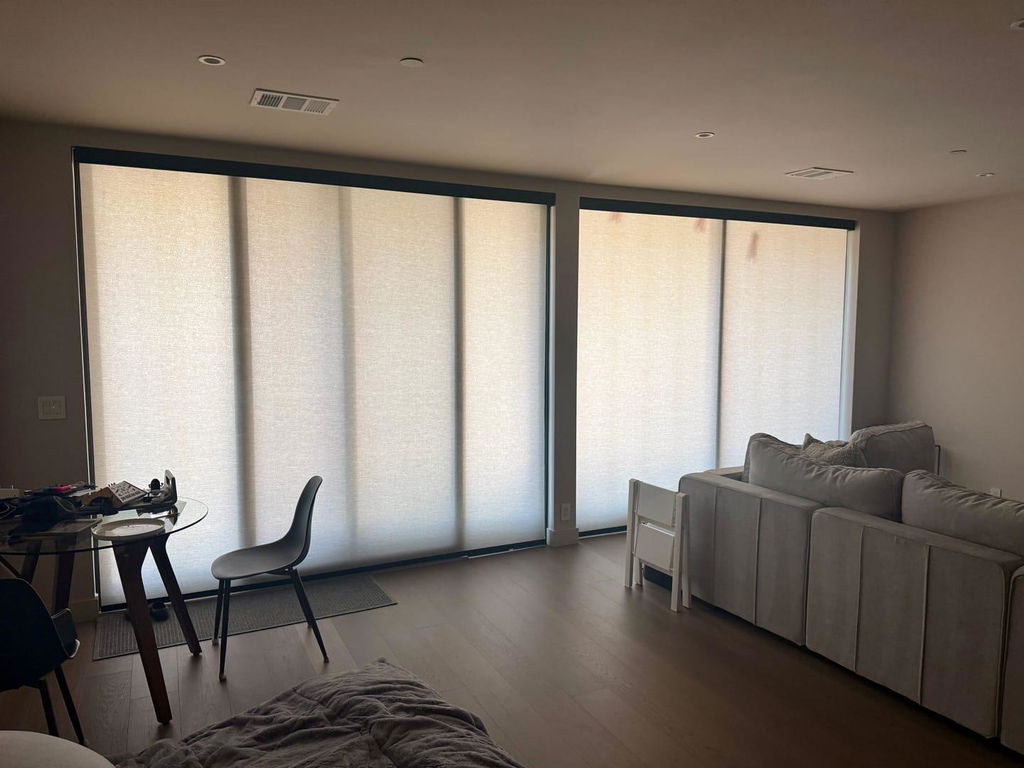
The real magic happens when the sun hits. An unlined shade acts like a giant light box. Instead of a sharp, hot rectangle of light hitting your floor, the entire window becomes a soft, glowing panel. Because I prefer custom tailored roman shades, I can specify the exact fold style—usually a 'plain' or 'flat' fold—which ensures that even when the shade is raised, the fabric stacks into beautiful, architectural pleats that look like a design feature in their own right.
Crisp White vs. Natural Flax: Picking Your Vibe
The color you choose for your sheer fabric roman shades dictates the entire temperature of the room. A sheer white roman shade is my go-to for kitchens or sunrooms. It feels incredibly coastal and fresh, like a crisp linen shirt. It bounces light around, making even a tiny, dark galley kitchen feel twice as large. I usually look for a polyester-linen blend here; the polyester adds just enough 'bounce' to prevent the fabric from looking like a wrinkled mess after you raise it in the morning.
On the other hand, if you are dealing with a sterile, builder-grade room with grey walls and white trim, you need warmth. This is where woven and sheer fabric in a natural flax or oatmeal tone comes in. It introduces an organic texture that grounds the space. I once styled a home office with unbleached linen shades, and the way the light turned amber at 4 PM completely changed the mood of the room. It felt like a sanctuary rather than a cubicle.
Let's Talk About the Elephant in the Room: Privacy
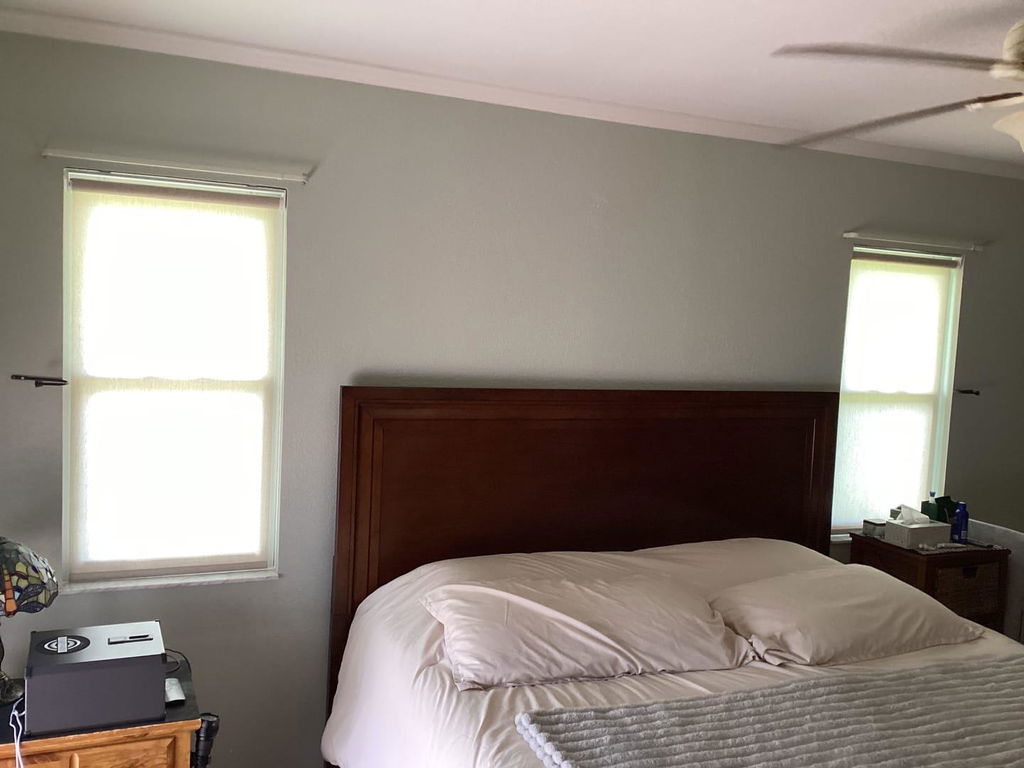
I get asked this every single time: 'But can people see me at night?' It is a valid fear. If you have the lights on inside and it is pitch black outside, a sheer roman shade will reveal silhouettes. This is why I am a firm believer in 'the right tool for the right room.' These are perfect for common areas like kitchens, dining rooms, and living spaces where you want daytime light filtering and aren't worried about someone seeing you eat a bowl of cereal at 10 PM.
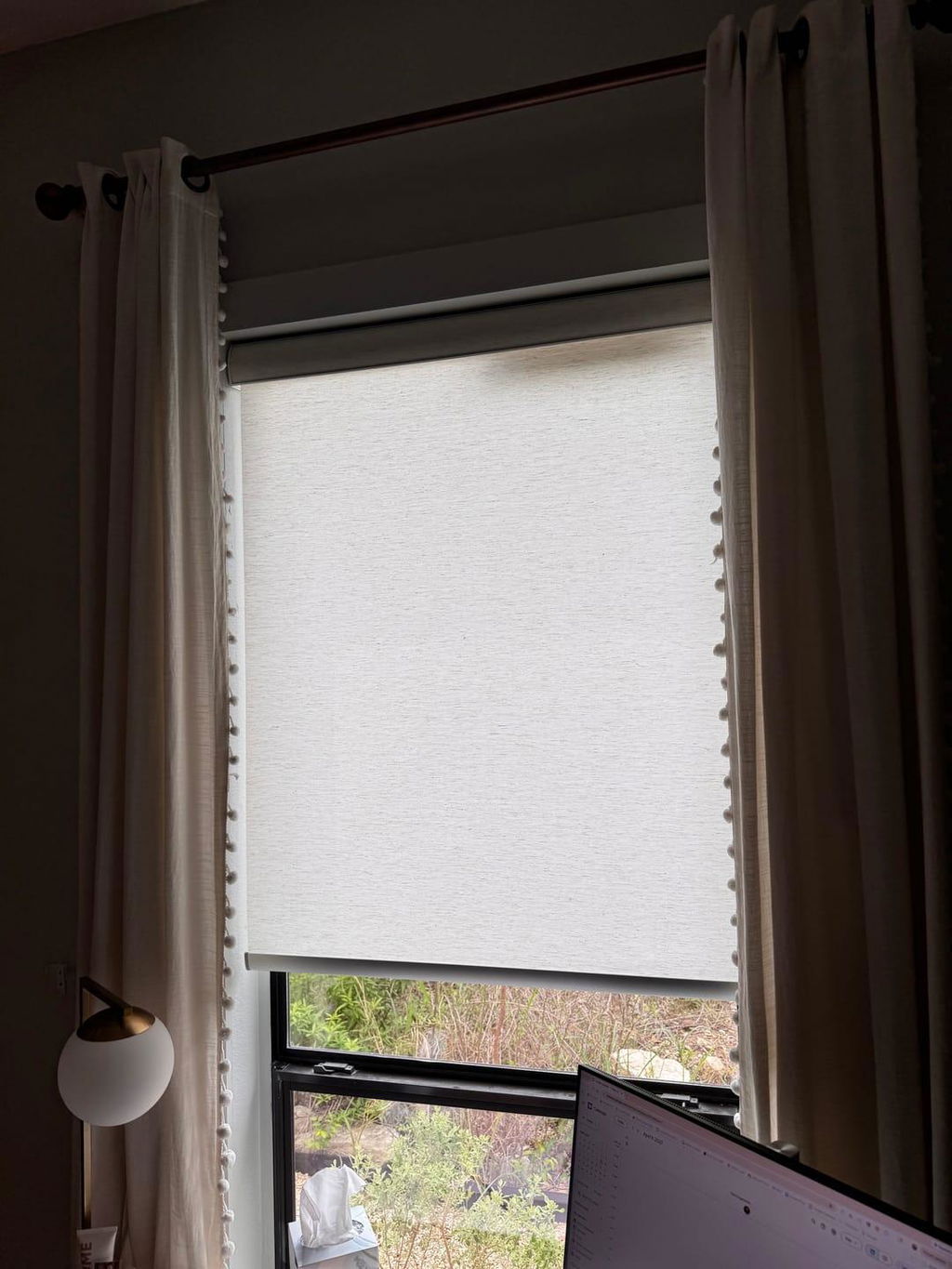
For bedrooms or bathrooms, you have to get a bit more creative. You might consider a roman shade with sheer panel functionality, where you have a sheer layer for the day and a heavier secondary shade for the night. Or, my personal favorite: layering sheer roman curtains underneath a set of heavier, functional drapes. This gives you the best of both worlds. You get that soft, filtered light all day long, and you can pull the heavy drapes shut when you want to disappear from the world. It is about creating layers of light rather than just an on/off switch for your privacy.
My Go-To Solution for Radiators and Window Seats
One of the biggest design headaches is the 'floating' window—the one that sits right above a baseboard heater or a built-in window seat. Long drapes are a nightmare here. They either bunch up awkwardly on top of the seat or, even worse, they block the heat from the radiator, which is both inefficient and a fire hazard. This is where minimalist sheer shades save the day.
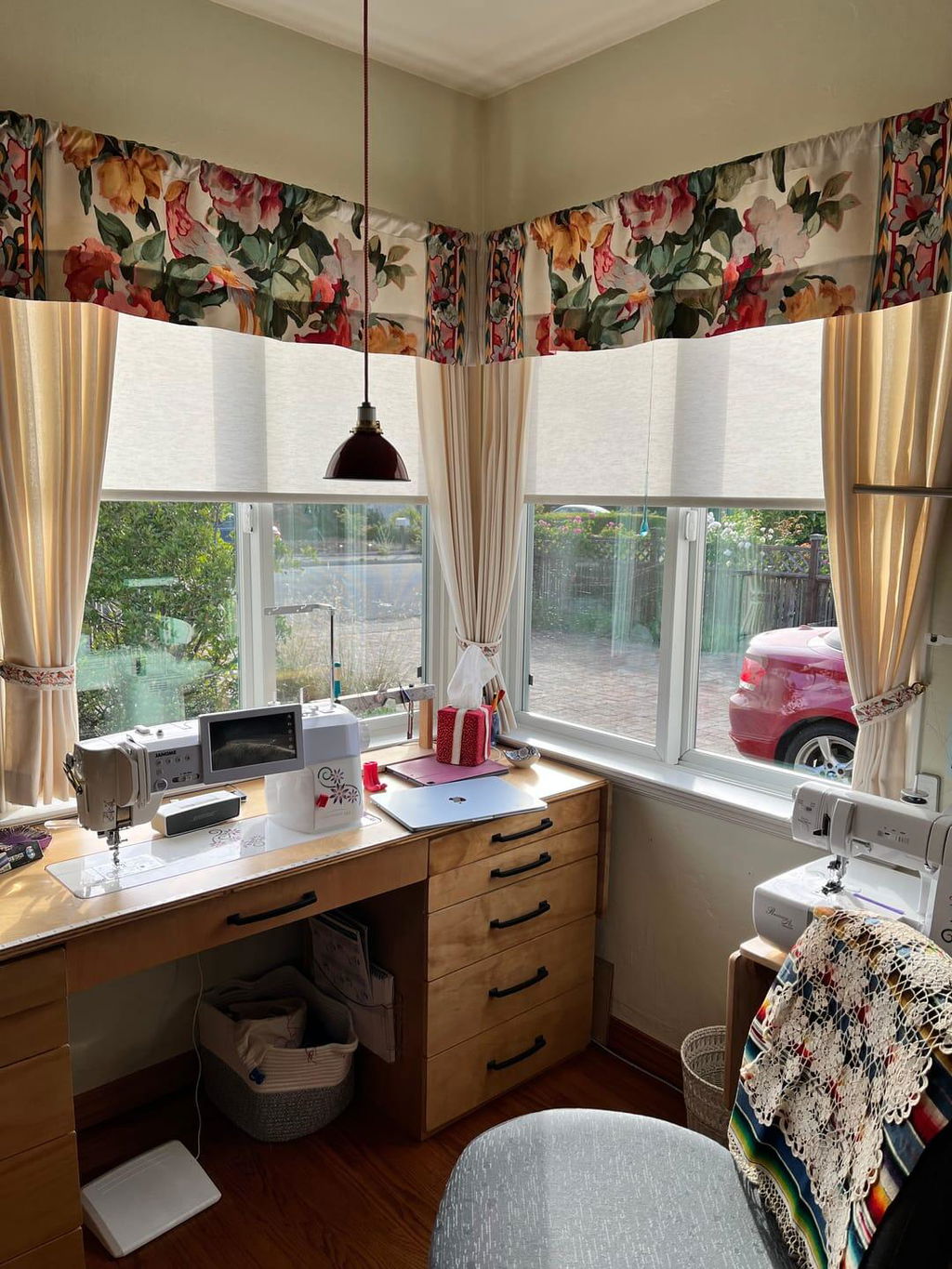
Because they are contained within the window frame, they never interfere with what is happening below them. You can have a cozy reading nook with pillows pushed right up against the glass, and the shade will still operate perfectly. I recently worked on a project with a breakfast nook where we used a sheer roman shade on a motorized lift. The homeowners could adjust the glare while sitting at the table without having to reach over their coffee. It provided that airy, romantic feeling of long curtains without any of the logistical mess.
When to Finally Ditch the Blackout Lining
We are obsessed with blocking things out—blocking out the sun, blocking out the neighbors, blocking out the world. But I have found that when I embrace the light, I feel better. There is a specific joy in seeing the silhouette of a tree through a sheer fabric roman shade or watching the shadows of birds fly past. It connects you to the outside world while still making your home feel like a private retreat.
If you have been living in a cave of heavy drapes, try swapping them out for something unlined. You don't have to do the whole house at once. Start with the kitchen or the room where you spend your mornings. You might find that the view you were trying to hide is actually the best part of your home. Roman shades with sheer fabrics aren't about hiding; they are about celebrating the light you already have.
Personal Experience: The 'Screen Door' Lesson
I once made the mistake of ordering the cheapest sheer shades I could find for a client’s guest room. When they arrived, they looked less like 'ethereal linen' and more like the mesh on a screen door. They were too thin, too plastic-y, and they had zero weight. I learned the hard way that for a sheer roman shade to look expensive, it needs a bit of 'heft'—look for a weight around 150-200 GSM. I ended up replacing them with a custom linen blend, and the difference was night and day. The better fabric draped into soft, heavy folds, while the cheap stuff just looked like a mistake. Buy the fabric you love first; you won't regret the extra few dollars when the sun hits it.
Frequently Asked Questions
Are sheer roman shades hard to clean?
Not necessarily. Most high-quality polyester-linen blends can be spot cleaned with a damp cloth. Because they don't touch the floor, they actually stay much cleaner than traditional drapes which act like a Swiffer for pet hair and dust.
How do I measure for an inside mount?
Measure the width at the top, middle, and bottom of the window frame. Use the smallest measurement. For the height, measure from the top of the casing to the sill. You want the shade to just barely kiss the sill when it is fully extended.
Can I see through them from the outside?
During the day, no. The light reflecting off the outside of the fabric makes it very difficult to see in. At night, with the lights on inside, people will be able to see shapes and movement, so they are best paired with drapes in private areas like bedrooms.