I Read the Best Roller Shades Reviews, But Only These 3 Passed My Test
I remember standing in a Boerum Hill brownstone, clutching a swatch of what the internet promised was 'luxury oatmeal linen' but looked more like a discarded FedEx envelope. We had spent hours scrolling through best roller shades reviews, only to realize that most five-star ratings are written by people who are just relieved the box arrived on time. They aren't looking at the weave density or how the sunlight turns a 'cool gray' into a depressing shade of hospital blue at 4 PM.
Quick Takeaways
- Texture is everything: Avoid 'heat-pressed' vinyl if you want a designer look.
- Metal over plastic: If the clutch mechanism is plastic, it will likely fail within two years of daily use.
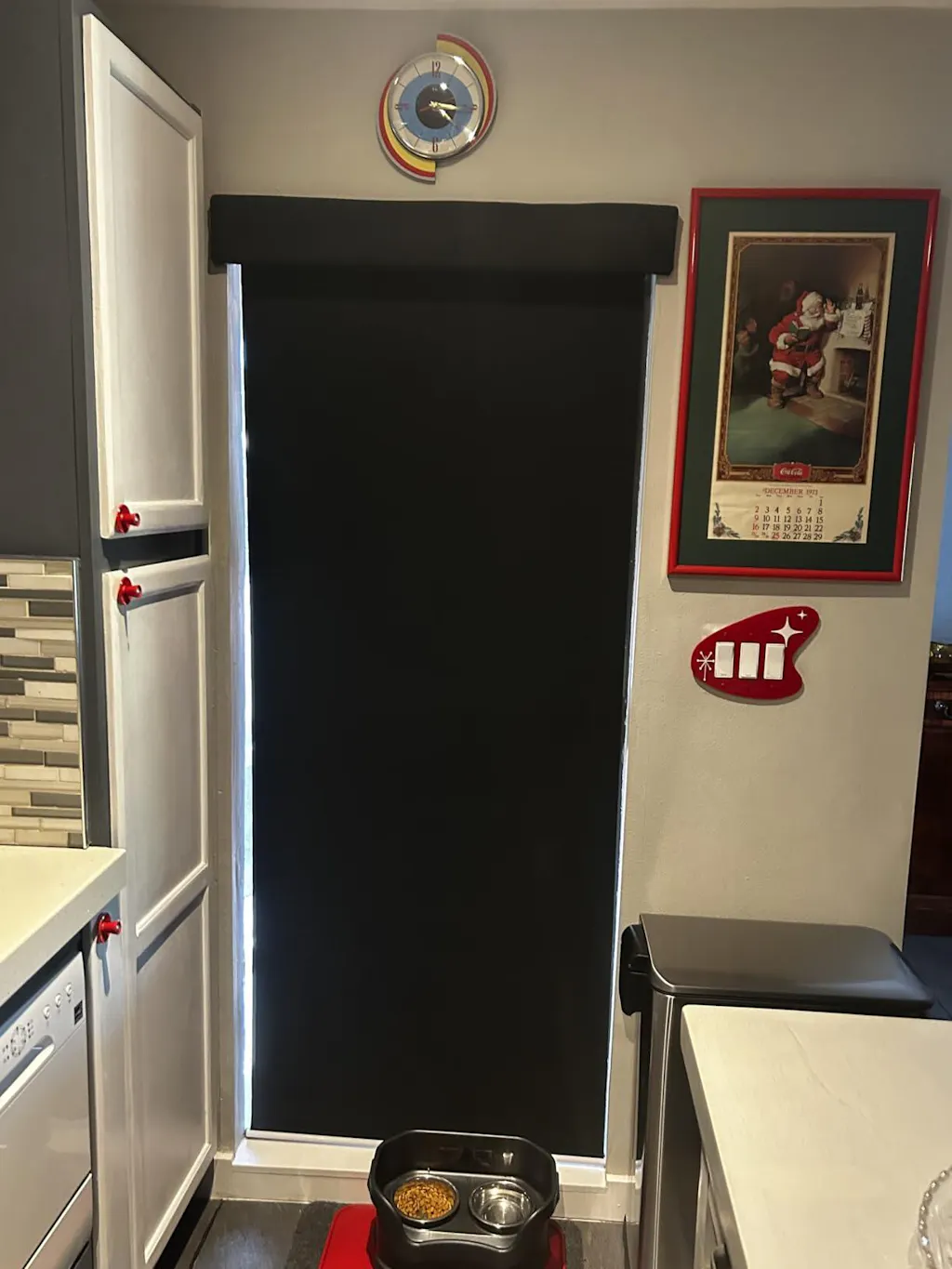
- Mind the light gap: Budget shades often leave a 1-inch gap on the sides that ruins a blackout effect.
- Dual systems win: Layering a 5% openness solar shade with a blackout fabric provides the most versatility.
Why I Stopped Trusting 5-Star Online Shade Ratings
The problem with most reviews is that they are written twenty minutes after the box hits the porch. 'Easy to install!' and 'Fast shipping!' tell me nothing about how the fabric will hold up after a summer of UV exposure. I have seen too many 'top-rated' shades that look decent in a tiny thumbnail but reveal themselves as flimsy, static-prone plastic once they are actually mounted in a sun-drenched living room.
When I am styling a space, I am looking for a specific drape. I want a shade that has enough weight—ideally a 300 to 450 GSM weight—to hang perfectly straight without those annoying curled edges. Most online favorites fail the 'curl test' within a month. If the edges start to 'smile' (bow inward), you have bought a cheap product, regardless of how many stars it has on a marketplace.
What Are the Best Roller Shades Actually Made Of?
Clients always ask me: what are the best roller shades made of? The answer isn't just 'fabric.' It is about the combination of a high-torque metal clutch, a weighted bottom rail, and a textile that has been dimensionally stabilized. You want a woven polyester or a linen-blend that has been treated to resist fraying without looking like a stiff sheet of cardboard.
If you are browsing a collection of high-quality roller shades, look for the hardware specs. You want an aluminum roller tube that won't sag over a 60-inch span. I once installed a budget 72-inch shade that bowed in the middle so badly the fabric began to telescope and fray against the brackets. It was a disaster. Professional-grade shades use a thicker tube diameter to keep that fabric rolling perfectly square every single time.
The Viral Budget Shade: Did It Live Up to the Hype?
I decided to test the 'internet-famous' budget shade that everyone seems to recommend in DIY forums. On paper, it was a steal. In reality, the texture was slick and shiny—a dead giveaway for cheap materials. When the morning sun hit it, the 'white' fabric had a distinct yellow undertone that made the freshly painted 'Chantilly Lace' walls look dirty.
The pull mechanism was the real deal-breaker. It had that gritty, plastic-on-plastic sound that makes you cringe. Every time I adjusted it, I felt like the cord was one aggressive tug away from snapping. If you are opening and closing your shades every day, that friction adds up. A designer-quality shade should be silent and smooth, moving with a weighted grace rather than a frantic click-clack.
The Heavy-Hitter: Why I Keep Specifying Custom Double Shades
When a project has a real budget, I almost always move toward a dual system. It is the only way to solve the 'all or nothing' light problem. By using custom double roller blinds, you get a beautiful light-filtering screen for the day and a heavy blackout layer for the night, all tucked into one sleek profile.
I recently used these in a primary bedroom where the client needed absolute darkness to sleep but wanted to see their garden during the day. We opted for day night shades that allowed them to toggle between a 3% solar screen and a charcoal blackout. The motorized version is particularly satisfying; there is nothing quite like hitting a button from bed and watching two layers of perfectly tensioned fabric slide into place without a single wrinkle or light leak.
Where I Actually Shop When I Need Designer-Quality Hardware
I have learned the hard way that the best way to get a high-end look is to skip the generic marketplaces and go straight to the source. You want to work with manufacturers who actually care about architectural hardware and woven textiles. They are the ones who will offer you powder-coated aluminum finishes in matte black or brushed bronze instead of that shiny, 'builder-grade' white plastic.
Finding the best place to buy roller shades usually means looking for shops that provide detailed fabric samples and customization options beyond just width and height. I need to know the openness factor, the exact metal finish of the brackets, and whether the hem bar is wrapped or exposed. That level of detail is what separates a house that looks 'furnished' from one that looks 'designed.'
FAQ
What is the 'openness factor' in roller shades?
It refers to how tightly the fabric is woven. A 1% openness is very tight, offering more privacy and UV protection, while a 10% openness is much more 'see-through,' maintaining your view while cutting down on glare.
How do I prevent light gaps on the sides?
For total blackout, you really need side channels or an outside mount that overlaps the window trim by at least 2 or 3 inches. An inside mount will always have a small gap where the brackets sit.
Are cordless roller shades safer?
Absolutely. Beyond the clean, minimal look, cordless systems are the gold standard for safety if you have kids or pets. They rely on an internal spring tension or a motor rather than a dangerous looped cord.