I Love Woven Woods, But My Bathroom Needed Faux Wood Roller Shades
I remember the day I finally admitted defeat. My custom bamboo shades, which looked like a dream for exactly three months, had developed a suspicious grey fuzz along the bottom hem. The humidity from my morning showers had turned a high-end design choice into a petri dish. That is when I realized that in a splash zone, 'natural' is just another word for 'perishable.' I needed the warmth of timber without the biological hazards, which led me straight to faux wood roller shades.
Quick Takeaways
- Woven woods rot in high-humidity bathrooms; synthetics are immune to mildew.
- Modern manufacturing has eliminated the 'plastic' shine of the 90s.
- Rollers offer a flatter, cleaner profile than horizontal slats that collect dust.
- High-quality faux window shades provide total nighttime privacy.
The Woven Wood Dream vs. The Humid Reality
We all want that spa-like aesthetic—the one with the organic textures, the grasscloth wallpapers, and the raw wood accents. I spent a small fortune on natural bamboo shades for my primary bath, thinking the ventilation was 'good enough.' It wasn't. Within a year, the steam from the shower caused the fibers to swell and the structural integrity to fail. The shades started to sag in the middle, creating a sad, U-shaped silhouette that wouldn't retract properly.
Beyond the sagging, there is the smell. Natural fibers are porous. They drink up steam and trap skin cells and soap particles. It is a recipe for a musty scent that no amount of luxury candles can mask. If you are dealing with a small space where the shower is within six feet of the window, natural materials are a ticking time bomb for your budget.
Why Faux Wood Roller Shades Don't Look Cheap Anymore
I used to be a total snob about synthetics. I associated anything 'faux' with that greasy, high-gloss plastic sheen you find in cheap motels. But the tech has caught up. Exploring modern Roller Shades collections reveals a massive leap in fabric technology and textured finishes. We are now seeing polymer blends with 350 GSM weights that feature embossed wood grains you have to touch to realize they aren't real white oak.
These shades are printed with high-definition textures that mimic the variegation of real wood. You get the knots, the graining, and the honey-toned warmth, but the material is a non-porous vinyl or polyester blend. It is the ultimate design hack for a room that sees 90% humidity every morning. When you shop faux wood blinds and rollers now, you are looking for matte finishes—anything with a 'low-luster' or 'satin' rating will look the most authentic under harsh bathroom vanity lights.
Rollers vs. Traditional Slats: The Dust Debate
I have a theory that horizontal slats were invented by people who love to clean. In a bathroom, dust doesn't just sit on a surface; it bonds with the steam to create a sticky film. While 1 inch faux wood window blinds are a fantastic, durable choice for a kitchen or laundry room, the sheer number of surfaces makes them a chore in the bath. Every single slat requires a wipe-down.
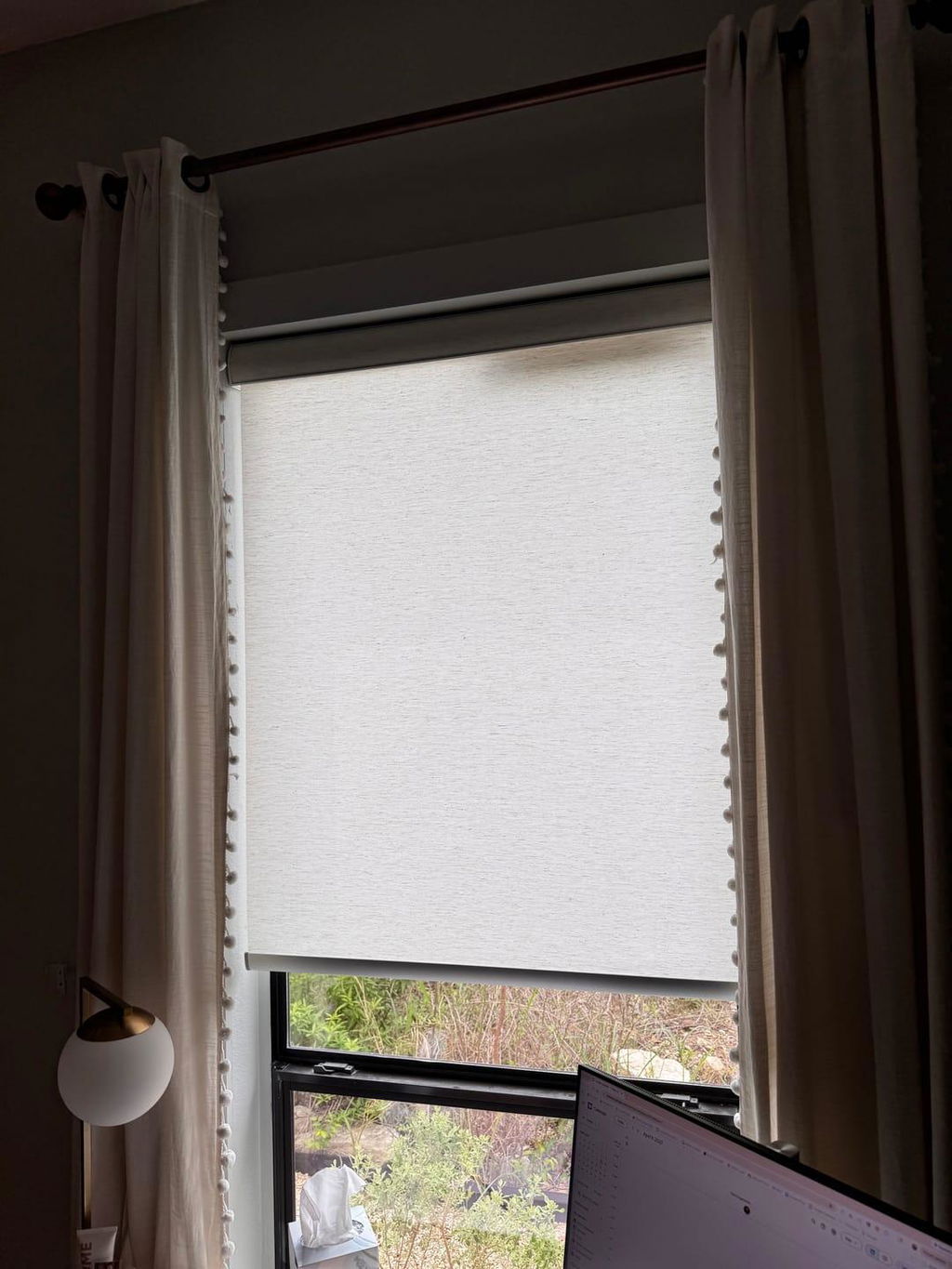
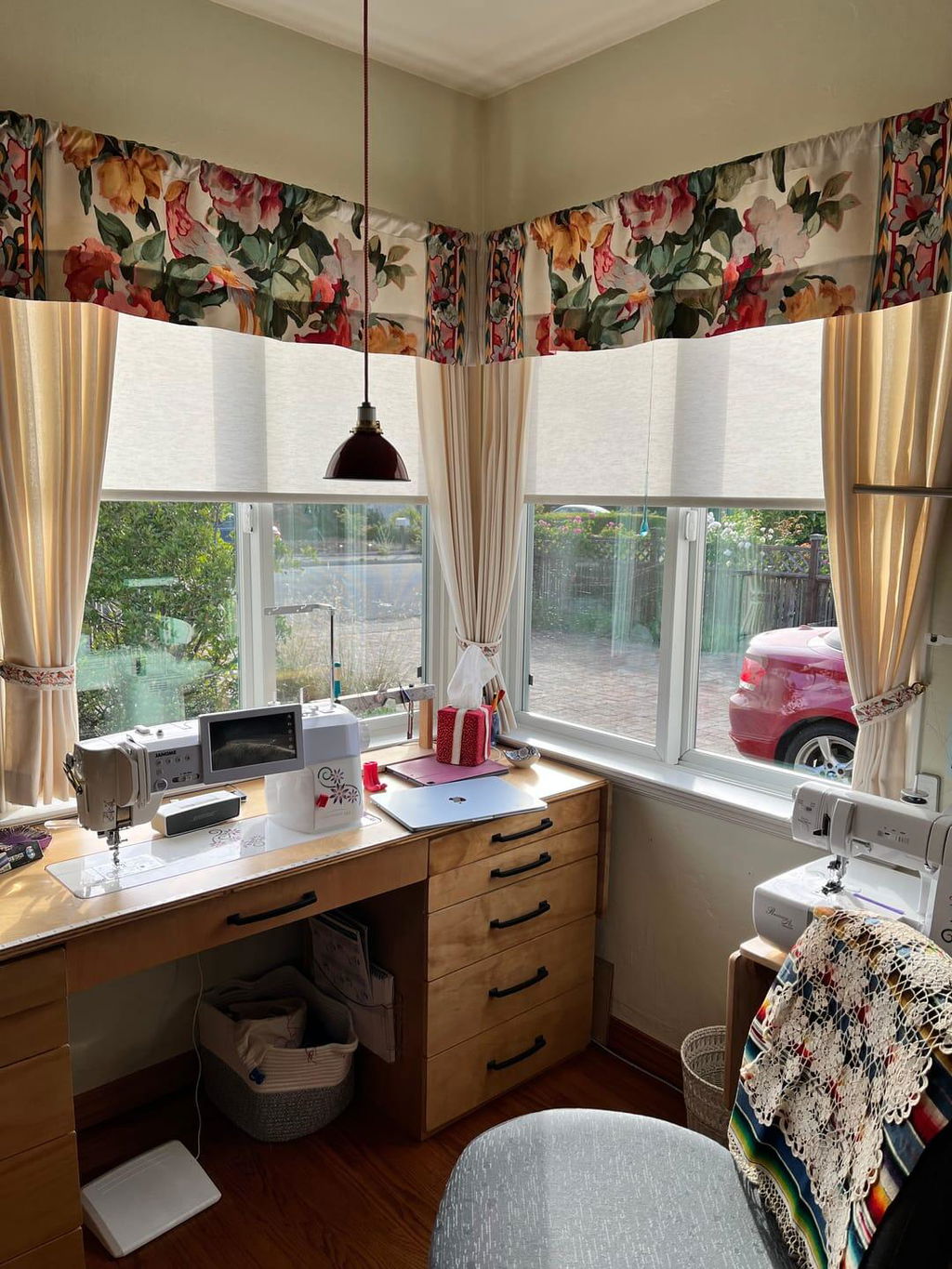
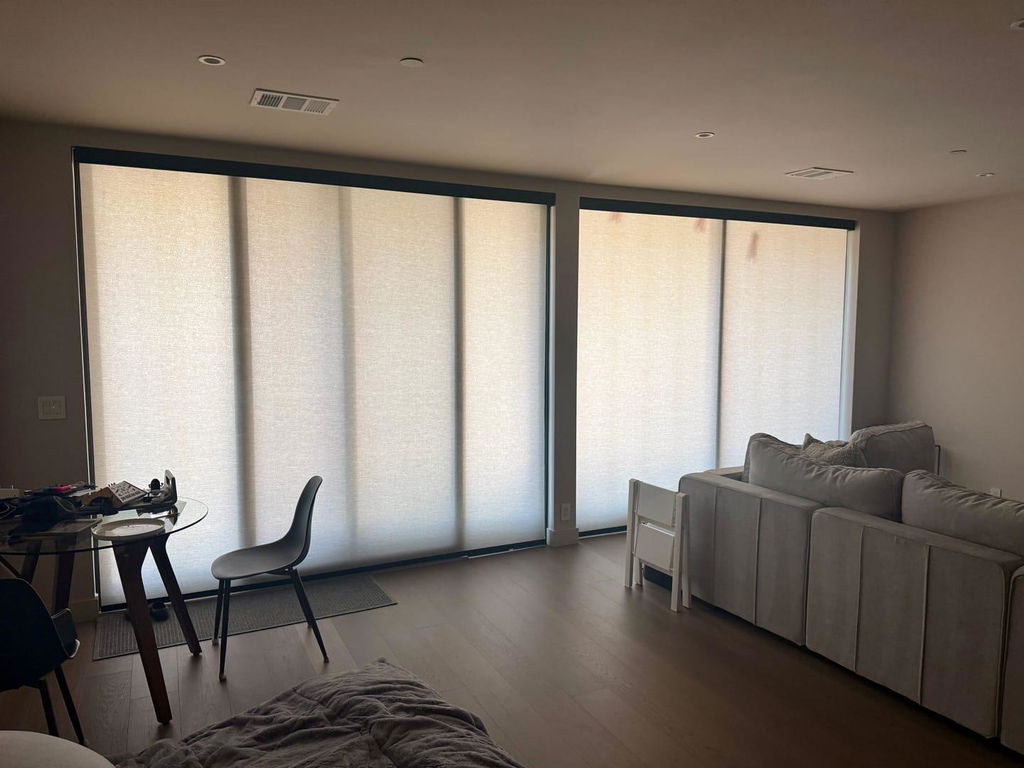
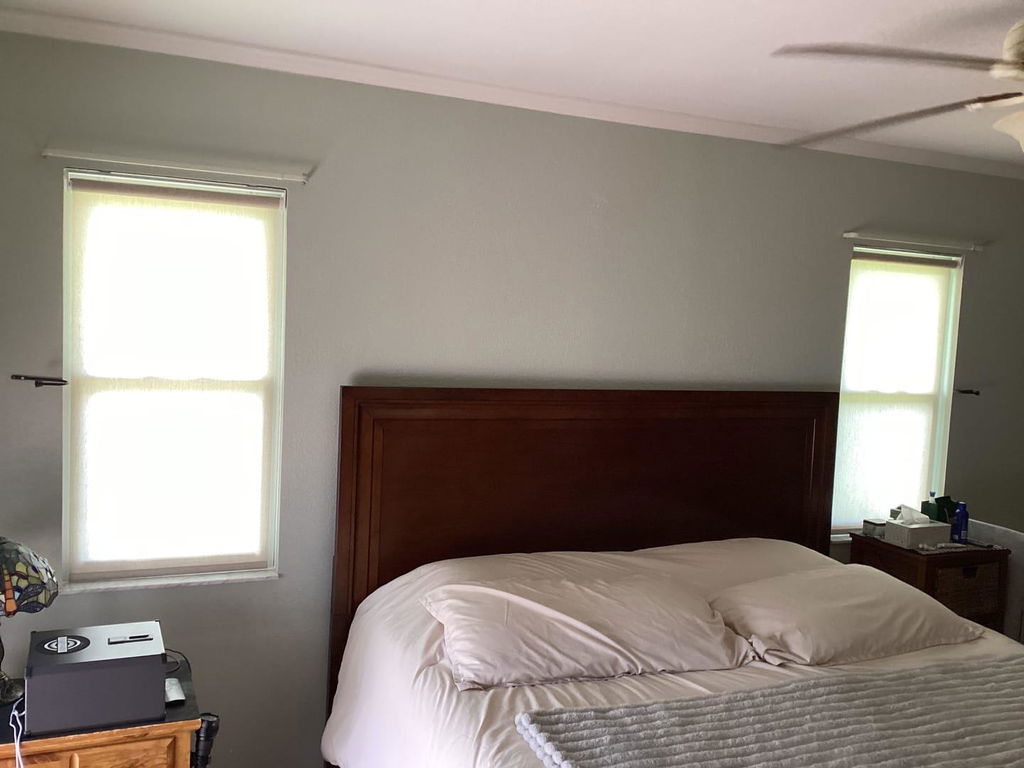
This is where the roller profile wins. It is one continuous vertical sheet. There are no ledges for dust to settle on. If you want something that feels more substantial, lightweight faux wood blinds are great, but the roller's sleekness is unmatched for hygiene. It is the difference between spending twenty minutes with a microfiber cloth and spending five seconds with a damp sponge.
Solving the Bathroom Privacy Dilemma
Privacy is non-negotiable. You might think a sheer woven wood is fine until you realize that at night, with the bathroom lights on, you are essentially performing a shadow puppet show for the neighbors. Faux wood roller shades are completely opaque. They provide a solid barrier that doesn't just block the view, but also blocks the light silhouettes that thinner fabrics often reveal.
When spec'ing faux wood blinds for bathroom window projects, I always check the light-blocking rating. If you want the ability to see out during the day while staying hidden, day night shades are an excellent functional alternative. They allow you to switch between a sheer solar screen and a solid privacy layer. For my own space, I stuck with a single-layer faux wood roller for that minimalist, architectural look that feels intentional and solid.
How to Style Synthetic Textures Like a Designer
The secret to making faux window shades look expensive is in the installation. Don't just mount them inside the frame and call it a day. I like to mount mine about 2 inches below the ceiling line to draw the eye upward, making the bathroom feel taller. If you have a white-tiled bathroom, don't be afraid of contrast. Choosing black faux wood window blinds or dark charcoal rollers can ground the room and make it feel like a boutique hotel rather than a standard utility space.
To hide the roll at the top, I always opt for a matching cassette or a fabric-wrapped valance. It gives the window a finished, 'built-in' appearance. Pair your shades with high-end hardware—think aged brass or matte black brackets. If you are tiling your walls, run the tile all the way to the ceiling around the window. This makes the shade look like part of the architecture rather than an afterthought you picked up at a big-box store.
What to Look For When You're Ready to Upgrade
When you are ready to shop faux wood blinds or rollers, look at the specs. You want a moisture-resistant rating and a heat-set material that won't warp if the sun hits it all afternoon. Check the weight of the bottom rail; a heavy, aluminum-encased rail ensures the shade hangs straight and doesn't flap when the AC kicks on. I once made the mistake of buying a cheap, unweighted version that clattered against the window frame every time a breeze caught it. It drove me crazy for six months until I finally replaced it with a professional-grade weighted model.
FAQ
Will steam make the roller shade curl at the edges?
Not if you buy a high-quality polymer blend. Look for 'heat-set' or 'dimensionally stable' materials. These are designed to maintain their flat shape even in fluctuating temperatures and high humidity.
How do I clean them?
This is the best part. A simple mix of warm water and a drop of mild dish soap on a microfiber cloth is all you need. Unlike real wood, you don't have to worry about water spots or drying the material immediately to prevent warping.
Are they hard to install?
Not at all. Most use a simple click-in bracket system. Mark your holes 2 inches in from each side of the frame, drill once, and the cassette should snap right into place. It usually takes me less than fifteen minutes per window.