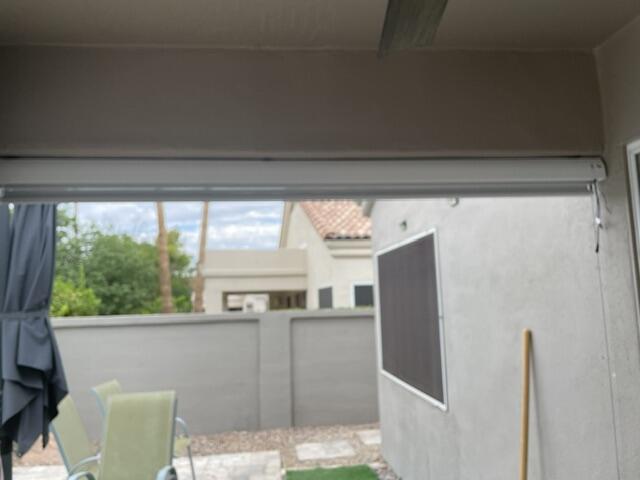
I Installed a Lowes Solar Shade to Save My Vintage Rugs From Fading
I was vacuuming my favorite 1920s Oushak rug when I realized the side closest to the south-facing window looked like a ghost of its former self. The deep madder reds had turned a dusty, sad pink, and the silk-wool blend felt brittle under my hand. I love a sun-drenched room, but I can't afford to watch my investment pieces literally evaporate into the ether because of UV exposure.
I needed a solution that didn't involve heavy velvet drapes or blackout liners that would turn my living room into a cave. I wanted to see the garden while I drank my coffee, but I needed the UV rays blocked immediately. That panic is what led me to grab a lowes solar shade for a quick, same-day fix to see if an off-the-shelf option could actually handle the job.
- Solar shades block UV rays while maintaining your view of the outdoors.
- The 5% opacity is the sweet spot for residential balance between light and privacy.
- Store-bought hardware is functional but often lacks the polish of custom options.
- Installation takes about 15 minutes per window if you have a decent drill.
The Sun-Damage Panic That Sent Me to the Hardware Store
It is a specific kind of heartbreak to move a chair and see a perfect, dark rectangle on the hardwood floor where the sun hasn't touched it. My living room gets hit with eight hours of direct light, and my sheer linen panels were doing absolutely nothing to stop the bleaching. I spent twenty minutes debating solar shades vs roller shades before deciding that a traditional fabric shade just wouldn't cut it—I needed a technical weave designed specifically to bounce heat and UV back outside.
I drove to the store with my window measurements scribbled on a receipt, hoping for a miracle. The goal was simple: find something that looked intentional, not like a temporary paper shade, and get it mounted before the afternoon sun hit the rug again. I wasn't looking for a permanent heirloom; I was looking for a shield.
Navigating the Opacity Percentages in the Aisle
Standing in front of the solar blinds lowes displays, you'll see numbers like 1%, 3%, 5%, and 10%. This is the 'openness factor.' A 1% shade is a tight weave—it blocks 99% of UV rays but also mostly kills your view. A 10% shade is much looser; you can see the trees clearly, but it's not going to do much for your rug's longevity.
I opted for the 5% openness. It's the industry standard for a reason. It cuts the glare on my laptop screen and protects the furniture, but I can still tell if the mail has arrived. Most of the solar window shades lowes stocks in-store are in this 5% range in neutral tones like 'Pebble' or 'White,' which makes the decision-making process a lot faster than browsing a custom swatch book with 400 nearly identical grays.
Does It Actually Look Good, or Just Like a Boardroom?
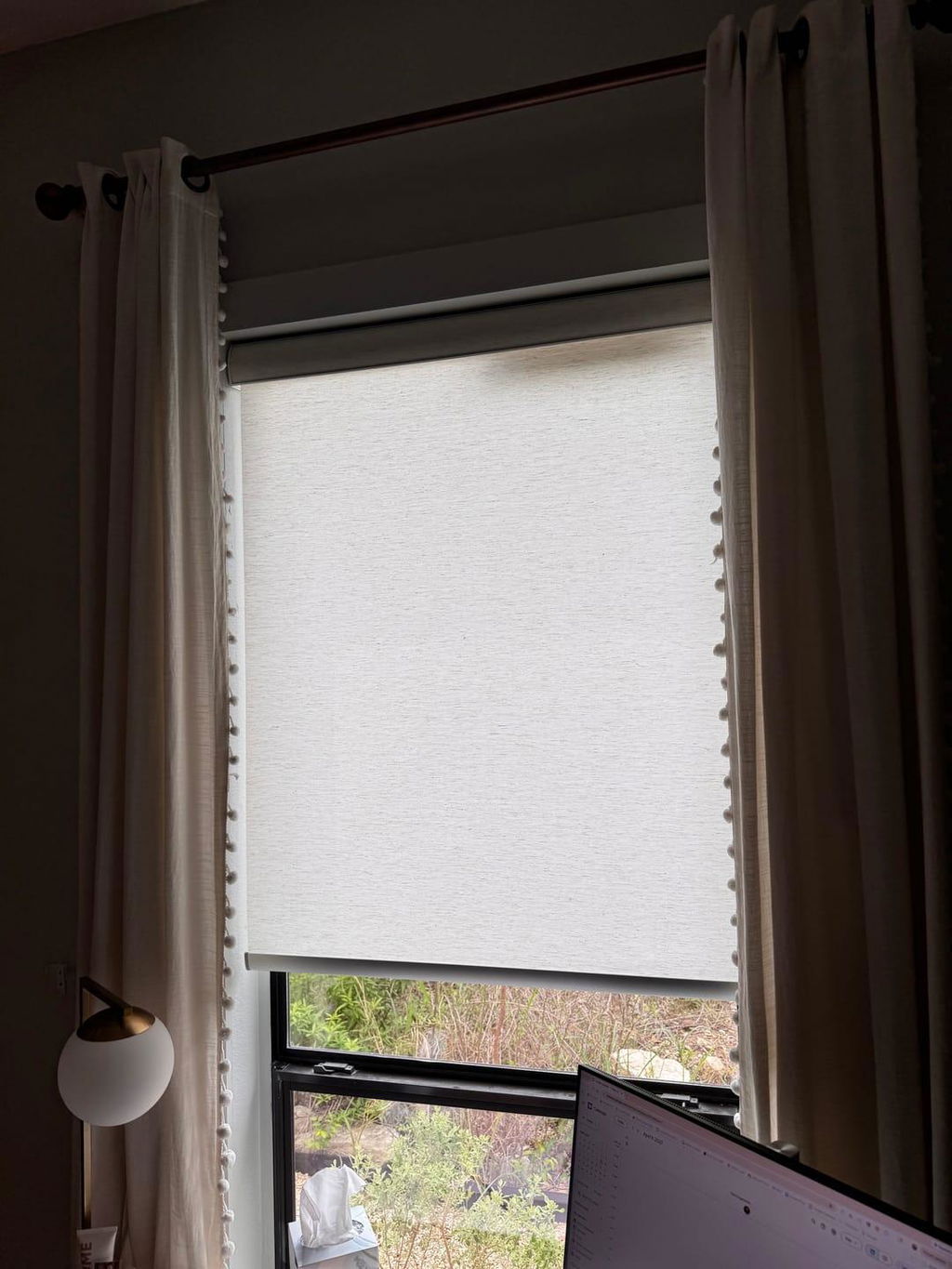
This is the biggest fear with screen-style window treatments. You don't want your cozy reading nook to look like a corporate office. The material is a polyester-PVC blend, which can feel a bit stiff and plasticky compared to a soft Roman shade. However, once it's hung, the texture reads more like a high-end mesh than a vinyl tarp.
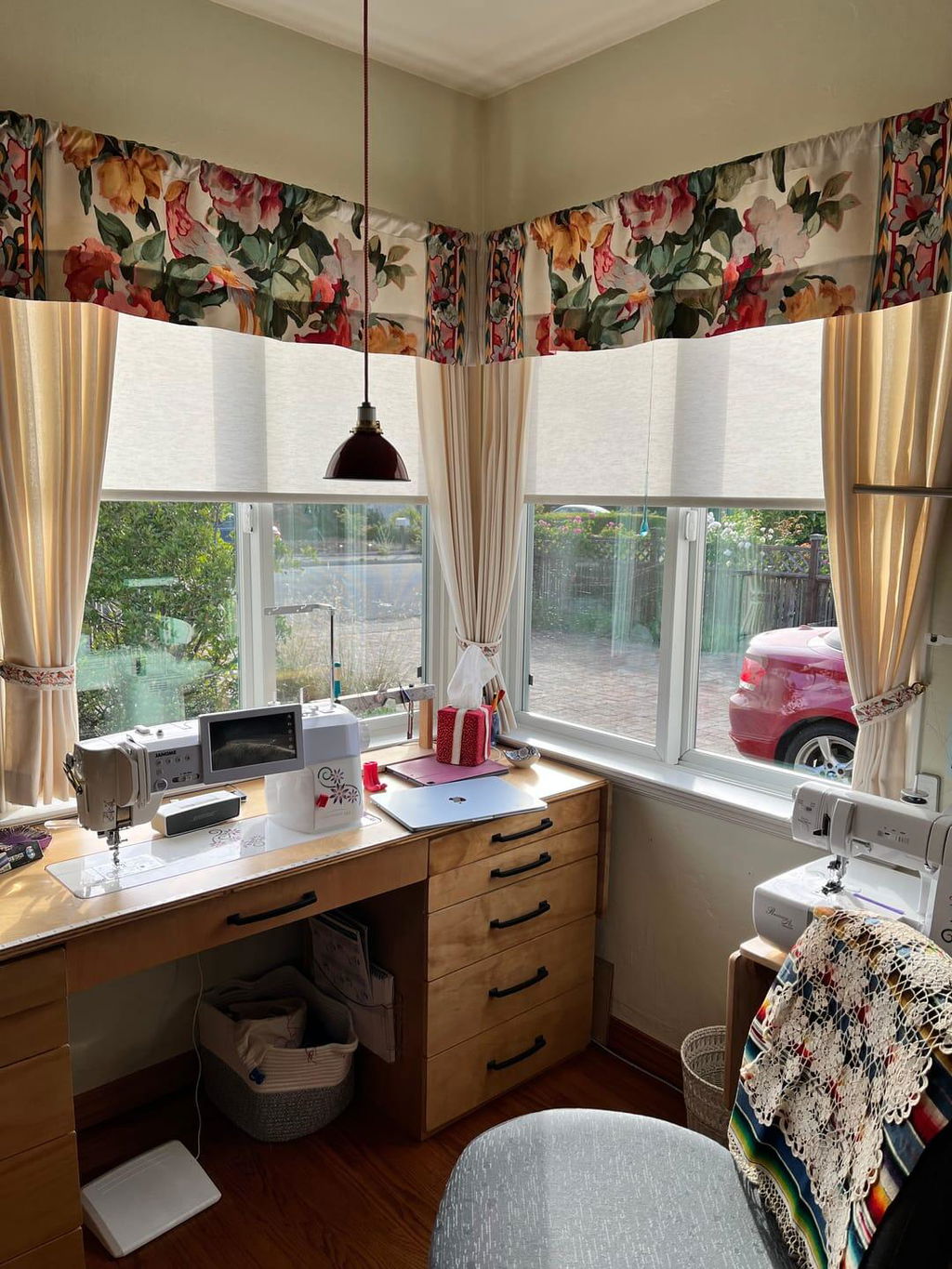
The solar roller shades lowes offers usually come with an exposed roll. If you’re a minimalist, this works. If you want a finished look, you’ll probably want to mount them under a valance or behind a set of stationary drapes. The plastic bead chain is the biggest giveaway of the price point—it’s functional, but it doesn't have the weight or the satisfying 'click' of a metal chain. I’m considering swapping the plastic pull for a brass one to trick the eye.
The Nitty-Gritty of Mounting Store-Bought Hardware
Installation was surprisingly straightforward, though not without its quirks. These are stock sizes, so if your window frame is slightly wonky (mine is off by a quarter inch), you’ll notice it immediately. I went with an inside mount to keep the profile slim. The brackets are basic stamped steel—they aren't beautiful, but they're hidden once the shade is snapped in.
The main issue with off-the-shelf solar window shades lowes sells is the 'telescoping' effect. If your brackets aren't perfectly level—and I mean perfectly—the fabric will start to roll slightly to one side, eventually fraying the edges against the bracket. I had to shim the right side with a tiny piece of cardboard to get it to track straight. It’s a classic DIY 'close enough' fix that you wouldn't have to deal with if you went custom.
The Final Verdict: When to Buy Big Box vs. Custom
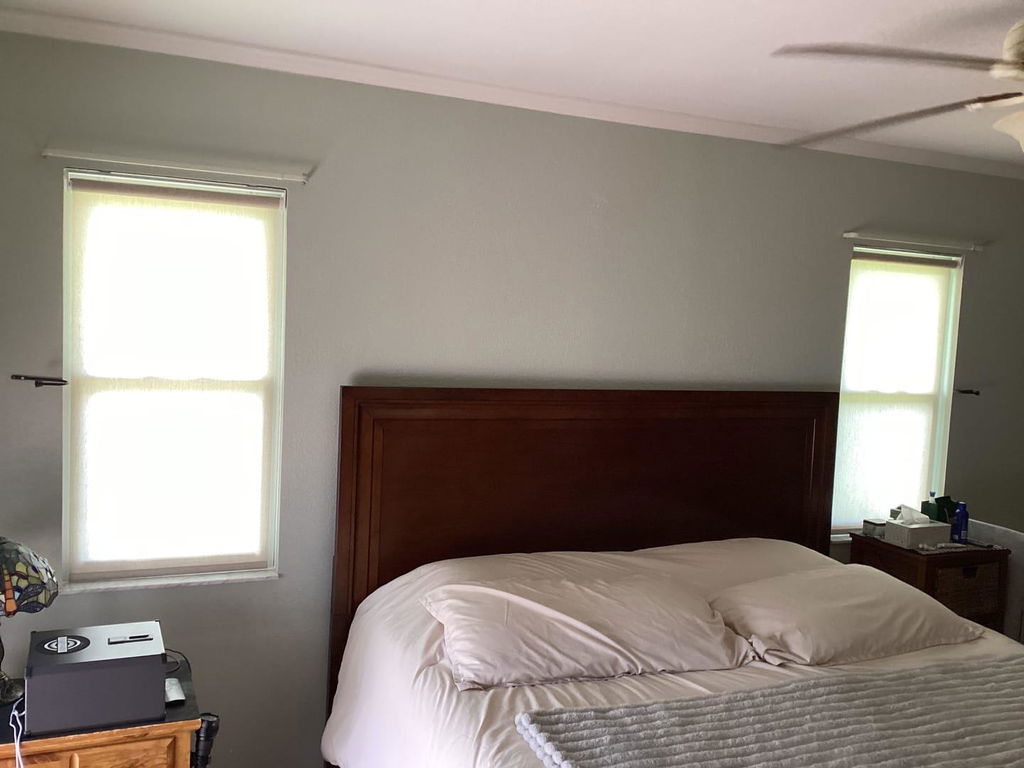
If you have a standard-sized window and a rug that is currently dying a slow death in the sun, these shades are a brilliant, budget-friendly lifesaver. They do exactly what they promise: they stop the fade and cool the room down by several degrees. For a guest room or a home office, they are a no-brainer.
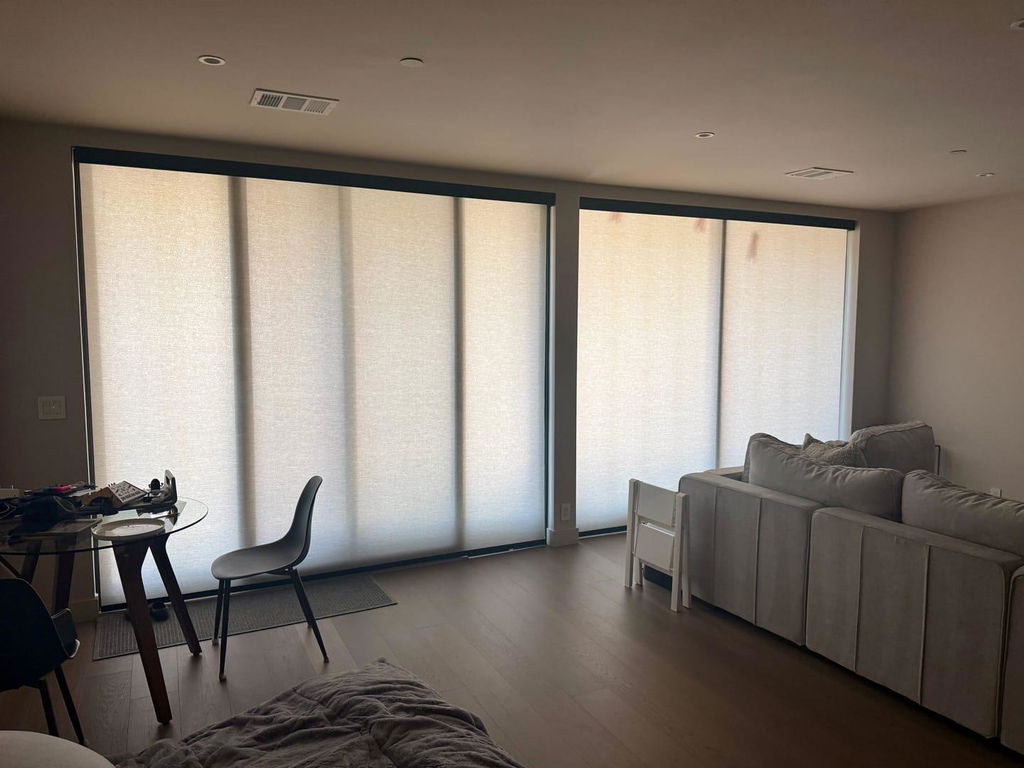
However, if you are styling a primary living space with massive, non-standard windows, you might find the gaps on the sides of store-bought shades frustrating. Light leaks are real. In those cases, I’d suggest using these as a temporary measure while you save up for high-quality roller shades that are cut to the exact sixteenth of an inch. For my living room, the 5% Lowes shade is staying—at least until I find a more permanent solution that looks this good for under a hundred bucks.
Are solar shades private at night?
Not really. If it's dark outside and your lights are on inside, people can see silhouettes and movement. Think of them as a one-way mirror that flips its effect depending on where the light is strongest. I always pair mine with curtains for evening privacy.
Can I cut a solar shade to fit my window?
Some Lowes locations have a machine that can trim certain brands in-store. Don't try to do this at home with a utility knife; the weave is technical and will fray or ripple, ruining the mechanism and the look.
How do you clean solar shade fabric?
Since they are a PVC/Polyester blend, they are incredibly durable. A damp microfiber cloth with a tiny bit of mild dish soap takes care of most dust and fingerprints. They are much easier to maintain than traditional fabric drapes that trap allergens.