I Hate Trendy Decor, But the Latest in Window Treatments Actually Work
I remember standing in my first apartment—a drafty third-floor walk-up with 10-foot ceilings—staring at a pair of generic polyester panels that were exactly four inches too short. It looked like the room was wearing high-water pants. Since then, I’ve spent years obsessing over drop lengths, fabric weights, and bracket projections. I’ve learned that the latest in window treatments aren't just about following a color of the year; they’re about how a room breathes and how you actually live in it.
Quick Takeaways
- Weight matters: Heavy, weighted hems prevent the 'clack' of flimsy materials.
- Dual functionality: Systems that house two opacities in one unit are the new gold standard.
- Motorization has matured: Silent, cord-free tech is replacing clunky, loud hardware.
- Texture over pattern: 300+ GSM linen blends are beating out busy prints for longevity.
The Problem With 'Trendy' Window Coverings
As a stylist, I usually cringe when a client asks about 'trends.' Trends are often just clever ways to sell you something that will look dated in twenty-four months. We’ve all seen the casualties: the heavy velvet swags of the 90s and the dusty plastic slats of the early 2000s. People often ask me, are window scarves out of style? The answer is a resounding yes. Unless you are staging a period-accurate drama set in 1994, leave the draped swags in the attic.
The newest window treatments are different because they focus on architectural function. We are seeing a shift toward 'quiet' design—coverings that disappear into the window frame rather than screaming for attention. The latest trends for window treatments are less about flashy gimmicks and more about solving the age-old struggle of balancing privacy with natural light.
Ditching the Clack: Why Material Weight is Everything Now
There is nothing that breaks the 'expensive' feel of a room faster than the sound of cheap plastic hitting wood. If I hear one more flimsy PVC slat rattle against a window frame because the AC kicked on, I’m going to lose it. The newest window treatments are moving away from that lightweight, disposable feel. We’re seeing a return to 320 GSM fabrics and weighted bottom rails that stay put.
When vertical window blinds are too thin, they don't just look cheap; they sound cheap. Current trends in window treatments favor heavy-gauge aluminum or high-density fabric composites that offer acoustic dampening. It’s the difference between a car door that slams with a solid 'thud' and one that rattles like a tin can. If you're looking for what blinds are in style, look for materials that have enough heft to hang perfectly straight without a breeze disturbing them.
Dual Shades: The Innovation I Actually Use Everywhere
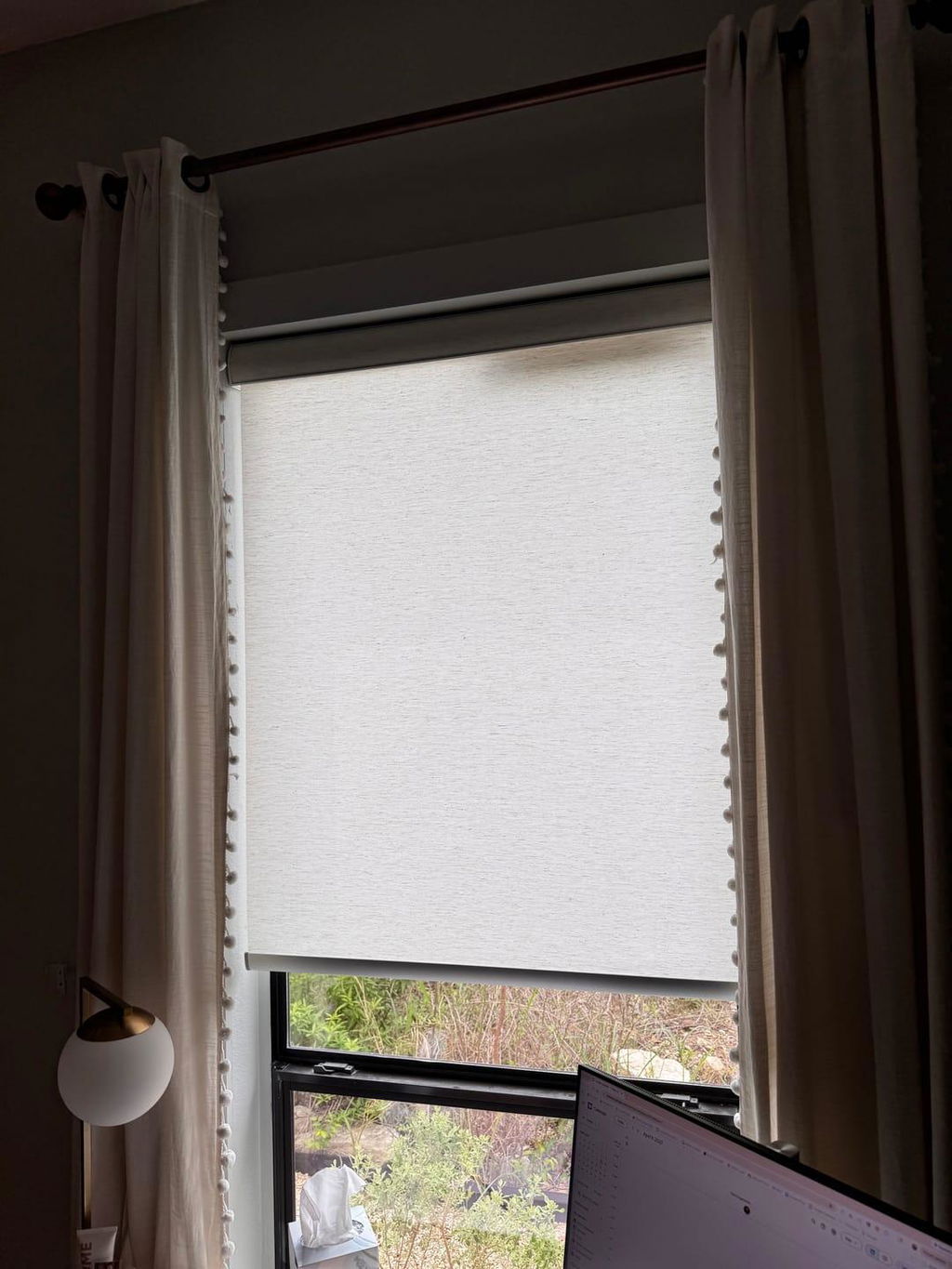
The dual shade is the industry's apology for the bulky double-rod era. I used to tell people to hang a sheer behind a blackout drape, but it required six inches of wall projection and a prayer that the brackets wouldn't rip out of the drywall. It was a mess of hardware. Now, sleek 2-in-1 shade systems tuck both layers into a single, slim cassette that sits inside the window casing.
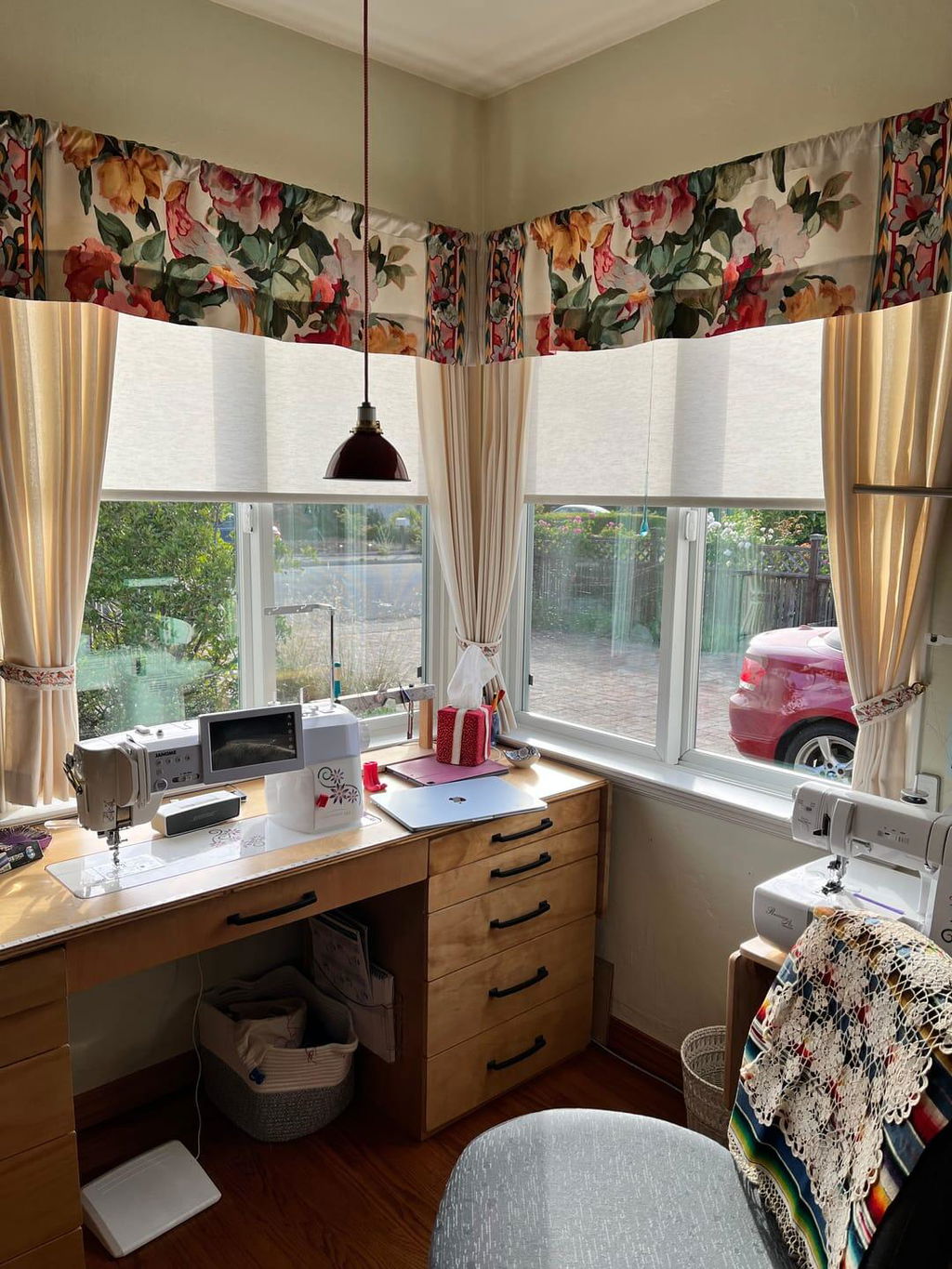
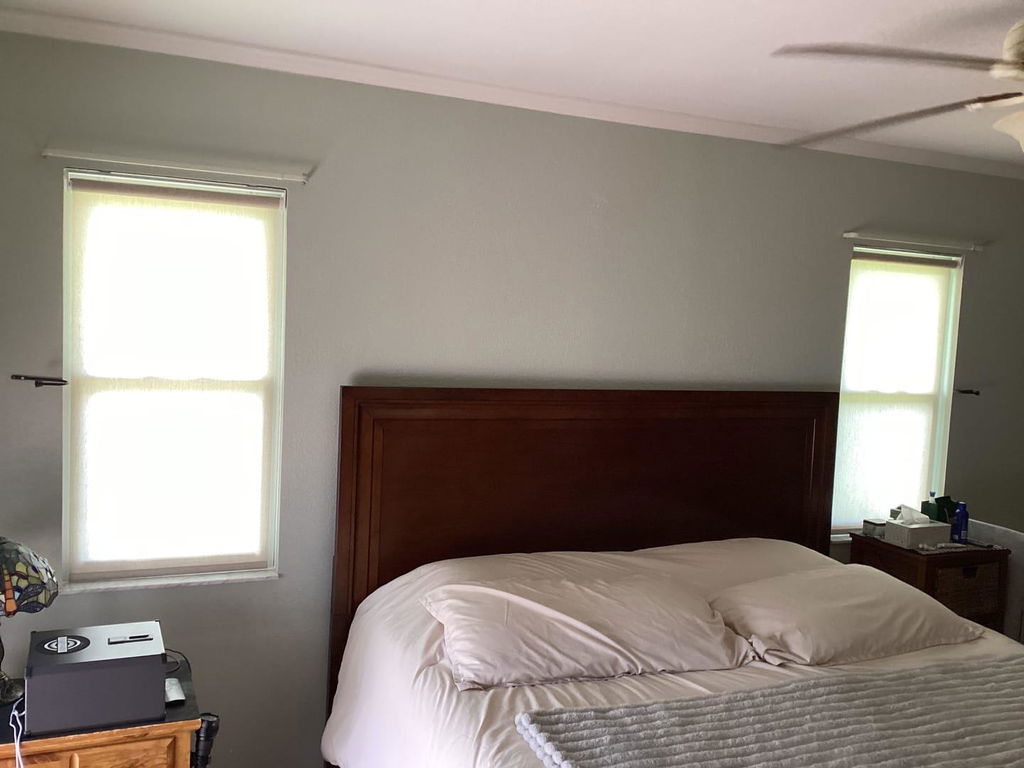
This is what type of shades are in style right now: hybrid designs. You get a solar screen with a 5% openness factor for the daytime and a total blackout fabric for the night. It’s a streamlined solution that doesn't overwhelm a small room. This is the most popular window blinds evolution I've seen in a decade because it actually respects the architecture of the window.
The 'Day to Night' Transition (Without Ripping Down Curtains)
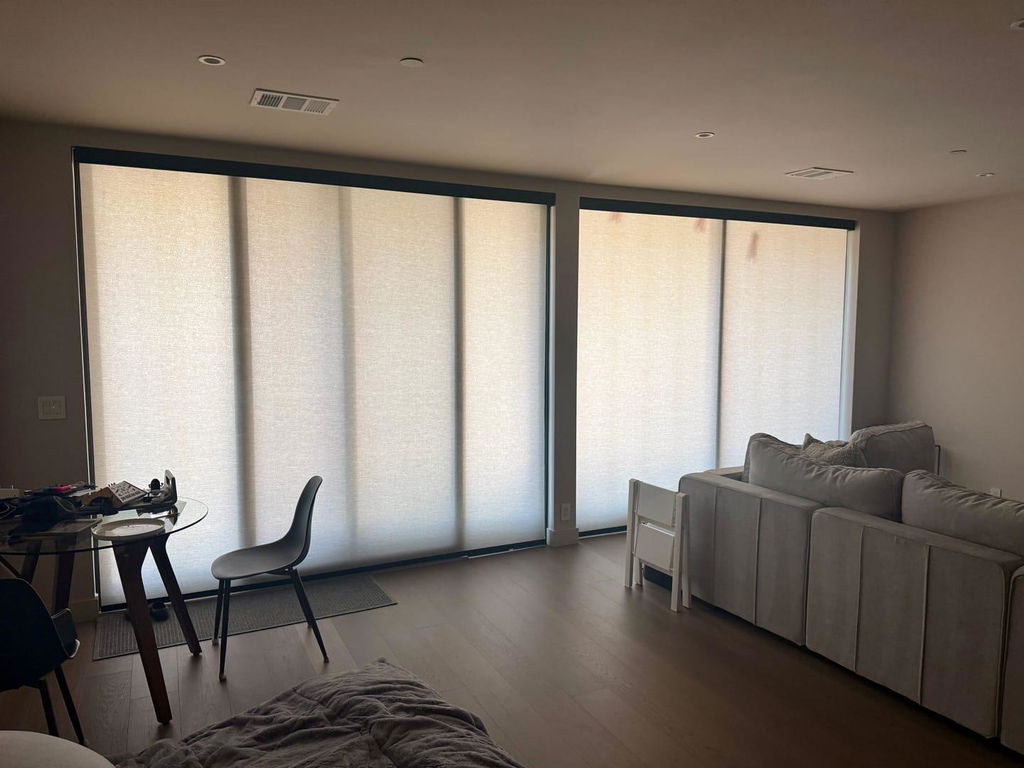
Managing the 4 PM glare is a specific kind of hell. You want to see the trees in your backyard, but the sun is currently melting your retinas and bleaching your rug. This is where custom day night shades come in. They allow for a seamless transition as the sun moves across the sky.
The newest trends in window treatments prioritize this adaptability. We are moving away from 'all or nothing' light control. Stylish window shades now feature alternating bands of sheer and solid fabric, or dual-roller setups that let you dial in the exact amount of diffusion you need. It’s about making the room usable at every hour, not just when the sun is down.
Motorization That Doesn't Feel Like a Tech Bro's Apartment
I used to mock motorized blinds. They felt like a 'smart home' gimmick that would break in six months and require a degree in computer science to fix. But the motorized dual roller shades hitting the market now have changed my mind. They use brushless motors that are actually silent—no more grinding gears waking you up at sunrise.
The trend window coverings are following is 'invisible tech.' The batteries are hidden, the charging ports are discrete, and the fascias are fabric-wrapped to match the shade. It’s luxury that doesn't look like a gadget. If you're wondering what's new in window treatments, it’s the ability to schedule your shades to rise with your alarm without ever seeing a cord or a remote.
How to Update Your Windows Without Starting Over
You don't have to rip everything out to update window treatments. If you have high-quality drapes that you love, you can still integrate the latest in window blinds by layering. I often install a modern, motorized roller shade inside the window frame and keep the existing linen panels on the outside for texture. It gives you the tech-forward function of trend blinds with the timeless softness of fabric.
When updating, remember the 2.5x rule: your drapes should be 2.5 times the width of the window to look full and high-end. If you're switching to shades, mount them as high as possible. Even an inside-mount shade can be paired with a high-and-wide rod to trick the eye into thinking the window is a foot taller than it actually is.
My Honest Mistake: The 'Budget' Linen Lesson
I once tried to DIY a set of 108-inch linen panels for a guest room. I bought a 'budget' linen blend that felt okay in the store, but I skipped the blackout lining to save a few dollars. Within three months, the afternoon sun had bleached the leading edges into a sickly yellow-grey. Not only that, but they wrinkled at the hem every time the humidity changed. I learned the hard way: if you aren't using a high-quality UV-stable blend or a proper lining, the sun always wins. Now, I only recommend fabrics with a minimum 280 GSM weight for anyone who wants their 'trendy' look to actually last.
FAQ
Are window scarves out of style?
Yes. They are dated and tend to collect dust. For a modern look with fabric, stick to clean-lined Roman shades or floor-to-ceiling drapery panels with a simple ripple fold or pinch pleat.
What is the most popular window blinds style right now?
The dual roller shade is currently the most popular because it combines light-filtering and blackout capabilities in one sleek unit. It fits almost any decor style from industrial to farmhouse.
What type of shades are in style for 2024?
Natural textures are huge. Think woven woods, 'grasscloth' style rollers, and heavy linen-look fabrics. The goal is to bring organic, tactile elements into the room while maintaining a clean, cordless silhouette.
How do I know what blinds are in style right now?
Look for 'cordless' and 'motorized' as keywords. Any treatment with dangling cords is not only out of style but also a safety hazard. Clean lines and hidden hardware are the hallmarks of current trends.